How quickly would you know if water was quietly washing away the foundation of your home? Slab leaks are one of those hidden plumbing problems that can stay out of sight for months while doing thousands of dollars in damage beneath your feet. By the time many homeowners realize something is wrong, floors are warm, water bills have spiked, and the concrete slab supporting the home in McKinney, TX may already be compromised. This is why having an expert plumber who specializes in efficient slab leak repair is not just helpful – it is essential for protecting your property.
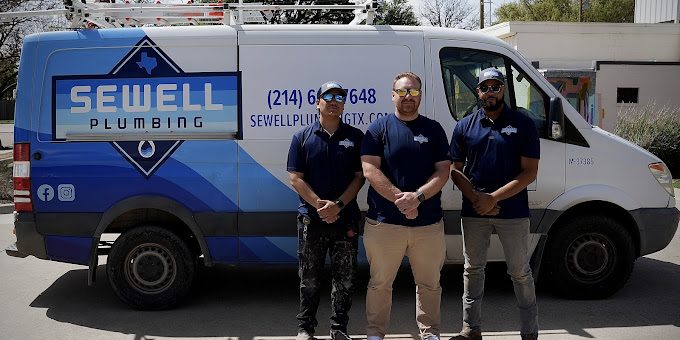
Slab leaks occur in the water lines that run underneath the concrete foundation of your house. These leaks are notoriously difficult for untrained eyes and basic tools to detect. A general handyman or inexperienced plumber may resort to guesswork, unnecessary demolition, and temporary fixes that fail again in a few months. An expert slab leak specialist, like the team at Sewell Plumbing in McKinney, approaches the problem with precision, advanced technology, and a strategy designed to minimize disruption while maximizing long-term reliability. The difference between trial-and-error and expert diagnosis can mean the difference between a manageable repair and a full-blown structural crisis.
When you suspect a slab leak, time matters, but so does expertise. Rushing into the wrong kind of repair can be as damaging as ignoring the issue. An experienced plumber who understands slab construction, local soil conditions in North Texas, and modern leak detection methods can quickly narrow down the source of the problem and guide you through your repair options. Instead of feeling overwhelmed, you gain a clear plan, a realistic timeline, and confidence that your home is being protected by professionals who do this work every day.
What Exactly Is A Slab Leak?
A slab leak is a leak in the water lines that run beneath the concrete foundation of your home. In many McKinney homes, these pipes are embedded directly in or under the slab, carrying hot and cold water to fixtures throughout the house. When a section of that pipe develops a crack, pinhole, or joint failure, water begins to escape into the soil and concrete. Because everything is hidden, you may not see obvious signs at first, but the leak can continue 24/7, slowly eroding the ground under your slab.
These leaks can occur in both hot and cold water lines, although hot water lines are often more vulnerable. Constant expansion and contraction from temperature changes can stress the pipes over time. In addition, the mineral content in North Texas water can contribute to corrosion, especially in older copper lines. Once that corrosion eats through the pipe wall, the slab leak begins. Without expert intervention, that tiny opening can grow larger as water pressure forces more water through the weak spot.
One of the biggest challenges with slab leaks is that the water does not always travel straight up. It may move sideways through soil channels or along the underside of the slab before finding a path to the surface. That means the wet spot or warm floor you notice might be several feet away from the actual location of the leak. This is why simply breaking concrete where you see moisture is a risky approach. An expert plumber relies on diagnostic tools and experience to locate the true source, not just the visible symptom.
Warning Signs McKinney Homeowners Should Watch For
Slab leaks rarely announce themselves with a dramatic burst pipe. Instead, they tend to whisper at first, showing up in subtle ways that are easy to overlook. One of the earliest and most common signs is an unexplained increase in your water bill. If your usage habits have not changed but the bill keeps climbing, it may mean water is running somewhere you cannot see. An expert plumber from Sewell Plumbing will often ask about water bills during the initial conversation because it is a powerful clue that something is happening behind the scenes.
Another sign is the sound of running water when all fixtures are turned off. Late at night, when the house is quiet, you may hear a faint hissing or trickling noise coming from the floors or walls. Some homeowners describe it as a distant faucet that never quite shuts off. This can be especially noticeable in single-story homes with slab foundations common in McKinney. A professional plumber can perform a simple isolation test at the meter to determine if water is moving through the system when it should be still.
Physical signs on the floors are also common indicators. You might notice warm spots on tile or hardwood, particularly over hot water lines. In carpeted rooms, the area may feel damp or spongy. Over time, flooring materials can warp, buckle, or discolor as moisture accumulates. In more advanced cases, you might see cracks in the slab, baseboards pulling away from walls, or doors that no longer close smoothly because the foundation has shifted. By the time structural symptoms appear, the leak has usually been active for quite a while, making rapid, expert repair even more critical.
Why Expertise Matters For Slab Leak Repair
Slab leak repair is not a routine plumbing task. It blends plumbing knowledge, construction understanding, and diagnostic skill into one highly specialized service. An expert plumber who regularly handles slab leaks in McKinney, TX brings a level of familiarity that generalists simply do not have. They know how local builders typically ran water lines, what pipe materials were popular in different decades, and how the region’s clay soils and shifting ground can affect foundations. This local insight allows them to narrow down likely problem areas before they even start testing.
Accuracy is not just a matter of pride; it directly affects how invasive the repair will be. If a plumber misjudges the location of a slab leak, you end up with unnecessary holes in your floors, extra jackhammering, and longer repair times. Skilled technicians at Sewell Plumbing use electronic listening devices, line tracing equipment, and pressure testing to pinpoint leaks with as little guesswork as possible. That precision means the team can open the smallest possible area of concrete or, in some cases, avoid cutting the slab altogether by rerouting lines.
Another reason expertise matters is the ability to match the repair method to the specific situation. There is no one-size-fits-all solution for slab leaks. Factors like the age of the home, the condition of the plumbing system, the number of leaks present, and future risk of failure all influence the best approach. An expert plumber will not simply patch one spot if the entire line is deteriorating. Instead, they will explain the pros and cons of spot repair versus repiping or rerouting, helping you make a decision that protects your home for years, not just weeks.
Modern Detection Techniques That Save Your Slab
In the past, finding a slab leak often meant a mix of guesswork and demolition. Today, expert plumbers rely on advanced tools that allow for non-invasive or minimally invasive detection. Acoustic listening equipment is one of the most valuable technologies. These devices amplify the sound of water escaping under the slab, allowing the plumber to listen along the floor and hone in on the precise area where the leak is occurring. Sensitivity adjustments help distinguish between normal water flow and the distinct noise of a pressurized leak.
Thermal imaging is another powerful tool used in slab leak detection, especially for hot water lines. Infrared cameras can reveal temperature differences on the surface of floors, showing warmer areas that may correspond to leaking hot water pipes. Even small leaks can create noticeable heat patterns over time. This method allows the plumber to create a visual map of potential problem zones, which can then be cross-checked with acoustic readings and pressure tests for greater accuracy.
Pressure testing and line isolation techniques complete the diagnostic toolkit. By closing certain valves and monitoring how pressure holds or drops in different sections of the system, expert plumbers can determine which branch lines are affected. In some McKinney homes, water lines are looped or split in ways that can confuse an inexperienced technician. A seasoned team like Sewell Plumbing understands how to interpret these readings and build a clear picture of the plumbing layout beneath your slab, even without original construction plans.
Repair Options: From Spot Fixes To Reroutes
Once the leak is located, the next step is choosing the right repair method. One common option is a direct access repair. This involves cutting through the slab at the leak location, exposing the damaged pipe, and replacing the compromised section. While this approach is sometimes the most straightforward, it requires careful planning to minimize disruption to flooring and finishes. An expert plumber will protect surrounding areas, manage dust, and ensure that the slab is properly patched and supported after the repair.
In many cases, especially when pipes are older or when multiple leaks are suspected, a reroute or repipe may be the smarter choice. Instead of continuing to rely on aging lines under the slab, the plumber installs new water lines through walls, attics, or ceilings, bypassing the slab entirely. This approach can significantly reduce the chance of future slab leaks because the pipes are now in accessible spaces where they can be easily inspected and repaired. For homeowners in McKinney planning to stay in their homes long-term, a reroute can be a strong investment in reliability.
There are also situations where a combination of methods is used. For example, a single, isolated leak in an otherwise healthy line might be fixed with a spot repair, while another section of the house with recurring issues is rerouted. An expert plumber will walk you through how each option impacts cost, timeline, and long-term risk. Rather than pushing the most expensive solution, a reputable company like Sewell Plumbing focuses on aligning the repair strategy with your specific home, budget, and plans.
Protecting Your McKinney Home After The Repair
Fixing the immediate slab leak is only part of the job. Protecting your home going forward requires attention to prevention, monitoring, and maintenance. After a repair, an expert plumber will typically perform a full system check, looking for signs of stress or early corrosion in other areas. This is an opportunity to identify weak spots before they fail. If your home has older piping materials that are prone to leaks, you may receive recommendations for phased upgrades rather than waiting for the next emergency.
Homeowners can also take proactive steps. Regularly reviewing water bills, occasionally listening for unexplained water sounds, and walking through the home to feel for warm or damp areas on floors can help catch future problems early. Installing high-quality pressure regulators and ensuring your home’s water pressure is within a safe range can reduce stress on pipes. In some cases, adding shutoff valves to specific zones can make it easier to isolate and address issues without shutting down the entire house.
Partnering with a trusted local plumber for ongoing care is one of the best safeguards you can put in place. Sewell Plumbing, serving McKinney, TX, understands how disruptive slab leaks can be to families and businesses. Having a relationship with a team that already knows your home’s plumbing layout means faster response times and more informed decisions if something does go wrong in the future. Whether you are dealing with an active leak or simply want a professional evaluation, reaching out to an experienced provider is a smart move. If you ever find yourself urgently searching for an Emergency plumber near me, having that relationship already established can make a stressful situation far more manageable.
Frequently Asked Questions
How do I know for sure that I have a slab leak? The most reliable way to confirm a slab leak is to have an expert plumber perform professional testing. While signs like higher water bills, warm floors, damp spots, or the sound of running water are strong indicators, they are not definitive on their own. A licensed plumber in McKinney will typically start by checking your water meter, performing pressure tests, and using acoustic or thermal imaging tools to detect leaks beneath the slab. Once the testing is complete, they can confirm whether the issue is truly a slab leak or another type of plumbing problem.
Is it safe to stay in my home while a slab leak is being repaired? In most cases, yes, it is safe to remain in your home during slab leak repair, especially when the work is handled by an organized, professional crew. There may be noise, dust, and limited access to certain rooms while concrete is being cut or new lines are installed, but expert plumbers take steps to contain the work area and protect your belongings. In severe cases where structural damage or extensive mold growth is suspected, your plumber may recommend consulting with a structural engineer or remediation specialist, but this is not typical for every slab leak.
How long does slab leak repair usually take? The timeline depends on the location of the leak, the complexity of your plumbing system, and the chosen repair method. A straightforward direct access repair to a single, easily reachable leak might be completed within a day. More complex projects, such as whole-house reroutes or multiple leak repairs, can take several days. An experienced company like Sewell Plumbing will provide a clear estimate after diagnosis, outlining how long detection, repair, and any concrete or flooring restoration will likely require so you can plan accordingly.
Will my homeowner’s insurance cover slab leak repair? Coverage varies significantly between insurance policies and providers. In many cases, insurance may help with the cost of accessing the leak (such as cutting through the slab) and repairing resulting damage, but not necessarily the plumbing repair itself. Some policies include specific language about slab leaks or foundation issues. The best approach is to contact your insurance company, describe the situation, and ask what documentation they require. Many expert plumbers in McKinney, including Sewell Plumbing, can provide detailed reports and invoices that make the claims process smoother.
Can slab leaks be prevented entirely? While no system is completely immune to failure, the risk of slab leaks can be significantly reduced with the right measures. Using quality materials, maintaining proper water pressure, addressing minor plumbing issues promptly, and upgrading aging pipes can all lower the chance of leaks under your slab. Regular inspections by a professional plumber familiar with local conditions in McKinney can catch early warning signs before they develop into major problems. Although prevention cannot guarantee you will never face a slab leak, it greatly improves your odds of avoiding costly and disruptive repairs.