How do professional plumbers manage to pinpoint a hidden leak behind a wall or under a slab without tearing your whole house apart? In a place like McKinney, TX, where homes range from newer builds to decades-old properties, water leaks can hide in countless places and cause serious damage long before you see a wet spot. Accurate leak detection is not guesswork; it is a structured combination of experience, specialized tools, and a methodical approach that separates a true plumbing professional from a handyman with a wrench.
For Sewell Plumbing, accurate leak detection is about more than stopping a drip. It is about preserving your home’s structure, protecting your indoor air quality, and preventing costly secondary damage such as mold, warped flooring, or foundation problems. That level of protection only happens when a plumber uses the right techniques at the right time—starting with a careful inspection and moving through advanced technologies like acoustic listening devices, thermal imaging, and pressure testing. When all of these methods are applied systematically, leaks that once seemed impossible to locate become visible, measurable, and fixable.
Understanding how these techniques work gives homeowners in McKinney a powerful advantage. You can ask better questions, recognize when a plumber is being thorough, and make informed decisions about repairs. Instead of hoping a contractor “finds something,” you will know there is a science and strategy behind leak detection—and that Sewell Plumbing is using it to protect your home and your wallet.
Why Accurate Detection Matters
Many homeowners underestimate how destructive a small, slow leak can be. A pinhole leak in a copper line inside a wall may only drip a little water at a time, but over weeks or months that moisture can soak into insulation, drywall, and wood framing. In McKinney’s warm climate, that dampness creates the perfect environment for mold growth, which can impact your indoor air quality and your family’s health. By the time visible damage appears, you may be dealing with a large, expensive restoration project rather than a simple plumbing repair.
Accurate leak detection also affects how invasive the repair will be. If a plumber is only guessing where the leak is, they may cut multiple holes in walls or floors trying to find it. That means more patching, more painting, and higher costs. Precise detection, on the other hand, allows the plumber to open the smallest possible area, make the repair, and close it back up with minimal disruption. This is particularly important in finished spaces like kitchens, bathrooms, and living rooms with custom finishes that are expensive to replace.
There is also a financial angle that many homeowners in McKinney appreciate. Water that leaks inside your home is water you are paying for but not using. A hidden leak can quietly increase your monthly water bill, and over the course of a year that wasted water adds up. Insurance companies, too, often look favorably on documented, professional leak detection when processing claims related to water damage. When Sewell Plumbing performs a thorough, evidence-based detection, you gain documentation that can help verify the cause and extent of the problem.
Finally, accurate leak detection protects your home’s structural integrity. In North Texas, slab foundations are common, and leaks beneath or within those slabs can erode soil, weaken concrete, and contribute to foundation movement. Catching and repairing those leaks early is far less costly than dealing with foundation repairs later. The precision tools and methods used by professional plumbers are your first line of defense against that kind of long-term damage.
Initial Investigation And Visual Clues
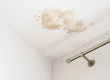
Every professional leak detection starts with something surprisingly simple: listening and looking. Before any high-tech tools come out of the truck, a skilled plumber from Sewell Plumbing will walk the property, talk with you about what you have noticed, and carefully inspect likely trouble spots. This includes checking around fixtures, under sinks, behind toilets, near water heaters, and in areas where water supply lines run through walls or ceilings. Often, subtle signs like faint discoloration, soft drywall, or a musty odor can offer the first hint of where a leak might be hiding.
Water meter checks are another straightforward but powerful tool. By turning off all water-using fixtures and appliances and watching the water meter, a plumber can quickly determine whether water is still flowing somewhere in the system. If the meter continues to move, it is a strong indication of a hidden leak. This simple step helps confirm that there is an active problem and can guide the next stages of the investigation.
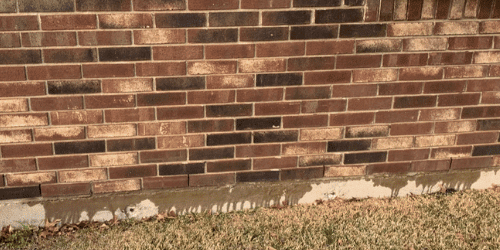
In McKinney homes with accessible crawl spaces or basements, the underside of the structure can reveal a lot. Plumbers look for damp soil, water stains on the underside of flooring, corroded pipes, or signs of previous repairs. Even in slab-on-grade homes, exterior walls and the perimeter of the house can show clues like damp spots, discolored brick, or efflorescence (a white, chalky residue caused by water movement through masonry). These visual cues do not always pinpoint the exact leak location, but they narrow the field considerably.
This initial phase is also when plumbers differentiate between plumbing leaks and other moisture sources. Roof leaks, condensation from HVAC ducts, and even poorly sealed windows can mimic plumbing leaks. A careful, methodical inspection helps avoid misdiagnosis. Sewell Plumbing’s technicians are trained to consider all these possibilities before moving on to more targeted testing, ensuring that the right problem is being solved.
Acoustic And Electronic Leak Detection
Once the basic investigation suggests a leak in a pressurized water line, acoustic and electronic detection tools come into play. Pressurized water escaping from a pipe under a slab, in a wall, or underground creates a distinctive sound—a combination of hissing, whooshing, or even a faint tapping, depending on the pipe material and water pressure. Professional-grade listening devices amplify these sounds and help the plumber “hear” through concrete, flooring, and soil to locate the leak’s source.
In a typical McKinney home, a Sewell Plumbing technician will place acoustic sensors along the suspected route of the water line—across the floor, near walls, or along the exterior. By comparing the intensity and character of sounds at different points, they can triangulate the leak’s location. This process is meticulous and requires both technical skill and experience; background noises from appliances, street traffic, or even footsteps can interfere, so the plumber must know how to filter out irrelevant sounds and focus on the telltale leak signatures.
Electronic leak detection often includes correlators and ground microphones. Correlators use sensors placed at two points on a pipeline to detect the time it takes for sound from a leak to reach each sensor. With that information, the device calculates the approximate distance to the leak. Ground microphones, on the other hand, are moved across surfaces to identify the loudest point of leak noise. These tools are particularly valuable for locating slab leaks, where guessing and breaking concrete blindly would be extremely disruptive and expensive.
One of the biggest advantages of acoustic and electronic detection is reduced invasiveness. Instead of cutting exploratory holes in walls or jackhammering sections of slab, the plumber relies on sound and data. This not only saves time and money but also preserves your home’s finishes. For McKinney homeowners, where many properties feature decorative tile, hardwood, and high-end flooring, protecting those surfaces while solving plumbing problems is a major benefit of professional leak detection techniques.
Thermal Imaging And Moisture Mapping
Not all leaks under pressure are loud enough to be detected acoustically, and not all moisture problems are tied to pressurized lines. That is where thermal imaging and moisture mapping step in. Infrared cameras allow plumbers to see temperature variations across surfaces such as walls, ceilings, and floors. Because water retains heat differently than surrounding materials, a damp area will often appear cooler or warmer on the thermal image, depending on conditions.
During an inspection, a Sewell Plumbing technician can scan large areas quickly with a thermal camera, looking for irregular patterns that suggest hidden moisture. For example, a cold streak on a wall below an upstairs bathroom might indicate a leaking shower pan or drain line. On a ceiling, a diffused, irregular cool spot could point to a slow leak in a supply line or fitting. Thermal imaging does not “see through” walls, but it visualizes the effects of water, giving the plumber a roadmap to where more focused investigation is needed.
Moisture meters complement thermal imaging by providing precise readings of how wet a material is. These handheld devices can be pressed against or slightly into drywall, baseboards, or flooring to measure moisture content. By taking multiple readings across an area, plumbers create a moisture map that shows where the highest concentrations are. This helps distinguish between an old, dried-out stain and an active, ongoing leak that needs immediate attention.
In McKinney’s climate, where humidity and temperature swings are common, interpreting thermal and moisture data correctly is critical. Not every cool spot is a leak, and not every elevated moisture reading comes from plumbing. Condensation, seasonal temperature changes, and even recent cleaning can influence readings. Experienced plumbers know how to combine these tools with visual inspection and other tests to avoid false positives. Used correctly, thermal imaging and moisture mapping allow for extremely targeted, minimally invasive repairs.
Pressure Testing And Isolation Techniques
When the source of a leak remains unclear, pressure testing and system isolation provide definitive answers. These methods involve separating sections of the plumbing system and monitoring how well they hold pressure over time. If a closed section of pipe cannot maintain the set pressure, it indicates that water is escaping somewhere within that segment, even if the leak is not yet visible or audible.
In practice, a Sewell Plumbing technician may cap or plug certain lines and connect a pressure gauge to the system. For example, the hot and cold water lines may be tested separately, or a specific branch serving a bathroom or kitchen may be isolated. By methodically narrowing down which segment fails the pressure test, the plumber can focus advanced detection tools on a much smaller area, reducing guesswork and unnecessary demolition.
Pressure testing is also invaluable for detecting leaks in non-visible lines, such as those running under slabs or out to exterior hose bibs and irrigation tie-ins. In many McKinney homes, these lines are buried or encased in concrete, making visual inspection impossible. A failed pressure test confirms that a problem exists and justifies more precise acoustic or electronic detection. Conversely, a passed pressure test can rule out plumbing as the source of moisture, redirecting the investigation toward roofing, windows, or other building components.
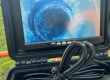
Isolation techniques are not limited to water supply lines. Drain and sewer lines can also be tested, often using specialized equipment like inflatable test balls and cameras. Although this is more related to drainage than pressurized leaks, it is part of a comprehensive approach to moisture and water intrusion. For services such as Septic tank cleaning or sewer line inspections, similar isolation and testing principles apply, ensuring that every part of your home’s water system is functioning properly and leak-free.
Choosing A Leak Detection Specialist In McKinney
With so many tools and techniques available, the real difference-maker is the plumber who uses them. Homeowners in McKinney should look for a company that treats leak detection as a specialized discipline rather than an afterthought. Sewell Plumbing invests in training, stays current with evolving technologies, and approaches each leak as a unique problem to solve, not a one-size-fits-all situation. That mindset leads to more accurate diagnoses and more durable repairs.
When you call a plumber about a suspected leak, pay attention to the questions they ask. Do they inquire about your water usage, your home’s age, and any recent changes or renovations? Do they explain the steps they plan to take, from initial inspection to potential advanced testing? A professional who walks you through the process demonstrates both confidence and transparency, giving you assurance that your home will be treated carefully and systematically.
It is also wise to consider how familiar a plumbing company is with local building styles and infrastructure. McKinney has a mix of older neighborhoods with galvanized or copper piping and newer developments with PEX and modern fixtures. Each material has its own common failure points and leak patterns. A local specialist like Sewell Plumbing understands these nuances and can often anticipate where problems are most likely to occur, speeding up detection and reducing unnecessary exploration.
Finally, look beyond the detection phase and ask about repair strategies. Accurate leak detection should lead to repair options that are clear, cost-effective, and minimally invasive. Whether that means spot repairs, rerouting lines, or recommending related services, you want a partner who thinks about long-term reliability, not just quick fixes. In the end, the goal is not only to find the leak but to restore your home’s plumbing system to a condition you can trust.
Frequently Asked Questions
How can I tell if I have a hidden water leak? Common signs include an unexplained increase in your water bill, the sound of running water when all fixtures are off, damp or warm spots on floors, discoloration on walls or ceilings, and musty odors that suggest mold growth. In some McKinney homes, you might also notice lower water pressure in certain fixtures or see foundation cracks that appear along with moisture issues. If you suspect a leak but cannot see it, contacting a professional like Sewell Plumbing for a structured leak detection assessment is the safest approach.
Are professional leak detection methods safe for my home? Yes, modern leak detection techniques are designed to be as non-invasive as possible. Acoustic listening devices, thermal imaging cameras, moisture meters, and pressure testing equipment all gather information without damaging walls, floors, or slabs. In cases where access is necessary, a precise detection process means that any openings made are small and targeted, minimizing repair work afterward. The goal is always to protect your home’s structure and finishes while accurately locating the problem.
Why not just cut into the wall where I see a stain? While a stain or damp spot can indicate the general area of a leak, water often travels along framing, pipes, or other paths before becoming visible. Cutting into the first stained area may not reveal the actual source and could lead to multiple unnecessary openings. Professional plumbers use stains and visual clues as starting points, then rely on tools like moisture meters, thermal imaging, and acoustic detection to trace the leak back to its origin. This reduces guesswork and prevents unnecessary damage to your home.
How long does leak detection usually take? The time required depends on the complexity of the problem and the size of your plumbing system. Simple leaks with clear symptoms may be located in under an hour, especially if they are near visible fixtures. More complex issues, such as slab leaks or multiple hidden leaks in older McKinney homes, can take several hours and may require a combination of techniques. Sewell Plumbing’s approach is to work methodically rather than rush, ensuring that when a leak is declared found, it is truly the source of the problem.
Is professional leak detection worth the cost? In most cases, professional leak detection saves money in the long run. By accurately locating the leak, you avoid unnecessary demolition, reduce the risk of missed or misdiagnosed problems, and prevent ongoing water damage that can lead to mold remediation or structural repairs. The cost of a thorough detection visit is typically far less than repairing extensive water damage or repeatedly patching the wrong areas. For McKinney homeowners, partnering with an experienced company like Sewell Plumbing turns leak detection into a targeted investment in your home’s safety and value.