More than 50% of unexpected water heater failures happen without any visible warning, often turning a normal day into an emergency involving leaks, cold showers, and potential water damage. In many of those cases, the problem can be traced back to improper installation or skipped safety steps, not just an aging unit. That’s why the process of installing a water heater is far more than simply swapping one tank for another and reconnecting a few pipes.
For homeowners in McKinney, TX, understanding the essential steps for water heater installation is not about turning yourself into a plumber overnight. Instead, it’s about knowing what should happen, in what order, and why each step matters for performance, safety, and code compliance. When you work with a professional team like Sewell Plumbing, you can use this knowledge to ask better questions, spot red flags, and feel confident that your water heater will run efficiently for years instead of becoming a recurring headache.
Whether you are replacing an old tank, upgrading to a more efficient model, or switching fuel types, a proper installation is the foundation of a reliable hot water system. From sizing and location to safety valves and final testing, each decision influences your comfort, energy bills, and even your home’s resale value. Let’s walk through the essential steps that a professional installer should follow, and what you as a homeowner in McKinney should expect during the process.
Assessing Needs And Choosing The Right Unit
The first essential step in any water heater installation is choosing the right type and size of unit for your household. This is where many DIY attempts go wrong: a homeowner might simply replace a 40-gallon tank with another 40-gallon tank without considering that their family has grown, they’ve added a bathroom, or they now run a large soaking tub. A professional from Sewell Plumbing will ask questions about how many people live in the home, what time of day hot water is most heavily used, and which fixtures demand the highest output. All of this helps determine whether a standard tank, high-efficiency model, or tankless system is the best fit.
Beyond basic capacity, fuel type and energy efficiency ratings come into play. In McKinney, TX, many homes rely on natural gas, but there are also electric units and hybrid heat pump water heaters that might be appropriate depending on your home’s infrastructure and energy goals. A careful installer evaluates your existing gas lines, electrical panel capacity, and venting options before making a recommendation. The goal is not just to get hot water today, but to choose a system that operates safely and affordably over the long term.
Another part of the selection step involves understanding local building codes and manufacturer requirements. Not every model is suitable for every location or installation environment. Some water heaters require specific clearances, combustion air, or venting materials. A pro like Sewell Plumbing stays current on code requirements in McKinney and Collin County so you don’t end up with a unit that passes for now but fails inspection later or voids its warranty. This careful upfront planning saves you from expensive modifications or replacements down the road.
Preparing The Installation Area
Once the appropriate water heater is selected, the next essential step is preparing the installation area. This begins with a thorough inspection of the existing space, whether it’s in a garage, attic, utility closet, or outdoor enclosure. The installer checks for adequate clearance around the unit, proper ventilation (especially for gas models), and a safe, level surface. In many McKinney homes, older water heaters were installed before newer safety codes went into effect, so a modern replacement might require additional upgrades such as a drain pan, seismic straps, or improved venting.
Proper floor and structural support are critical, particularly if the water heater is located in an attic or on an upper floor. A full tank can weigh several hundred pounds, and an unsupported or weakened platform can lead to sagging, structural damage, or catastrophic failure if a leak occurs. A qualified installer from Sewell Plumbing will evaluate the platform, reinforce it if necessary, and ensure that the water heater is positioned where any potential leak can be safely directed to a drain or pan instead of spreading through drywall and flooring.
The preparation stage also involves planning the routing of water lines, gas lines, electrical connections, and venting. If a new type of heater is being installed—such as switching from tank to tankless—additional modifications to walls, ceilings, or exterior walls might be required. This is where careful measuring and layout prevent future headaches. By ensuring that shutoff valves, unions, and service panels are accessible, the installer makes future maintenance, repairs, or replacements much easier and safer.
Safely Removing The Old Water Heater
Before the new unit can go in, the old water heater must be properly disconnected and removed. This is a step where safety and patience matter. First, the power supply is shut off at the breaker for electric units, or the gas supply is turned off at the shutoff valve for gas units. Then, the cold water supply valve is closed to stop water from entering the tank. The installer will open a hot water faucet and use a hose connected to the drain valve to empty the tank safely, often directing the water to a floor drain or outside area.
Once the tank is drained, gas lines, electrical connections, and venting are carefully detached. For gas units, this includes checking for any signs of gas leakage or corrosion at fittings, which can indicate that additional repairs or upgrades are needed before the new unit is connected. With electric units, the wiring is tested and labeled, ensuring that the new water heater is wired correctly to the appropriate circuit. Vent pipes are inspected for rust, improper slope, or blockages that could pose a carbon monoxide hazard.
Physical removal of the old tank can be tricky in tight spaces like attics or closets. Professionals are trained to maneuver heavy tanks without damaging walls, flooring, or other fixtures. In some older McKinney homes, water heaters were installed before interior walls were finished, which can make removal and replacement more challenging. Sewell Plumbing’s technicians know how to handle these situations without resorting to unnecessary demolition, preserving the integrity of your home while safely removing the old unit.
Installing And Connecting The New Heater
With the area prepared and the old unit removed, the new water heater is set in place. Positioning is not random; the installer aligns the tank or tankless unit so that piping runs are as direct as possible, shutoff valves are accessible, and required clearances from walls, ceilings, and combustible materials are maintained. For tank-style heaters, a drain pan is often installed underneath, connected to a dedicated drain line to safely carry away any future leaks or overflows. In McKinney homes with attics or interior closets, this step is especially important for preventing water damage.
Next comes the reconnection of water lines. Dielectric unions or fittings are typically used to prevent corrosion between dissimilar metals. The cold water inlet and hot water outlet are connected with appropriately sized piping, and shutoff valves are installed or replaced as needed. Many modern installations also include expansion tanks, which help manage pressure fluctuations in closed plumbing systems and can extend the life of the water heater and plumbing fixtures. Sewell Plumbing will determine if an expansion tank is required by local codes or recommended based on your system’s design.
Gas, electrical, and vent connections are then made following manufacturer instructions and local code. For gas units, this includes properly sized gas piping, correct placement of shutoff valves, and a secure, leak-free connection at the appliance. Venting is configured to ensure proper draft and safe exhaust of combustion gases, taking into account the route, length, and materials of the vent pipe. For electric units, wiring is connected to the correct voltage and breaker size, with proper grounding. Each of these connections is critical to both safety and performance, and a professional installer will double-check every joint and terminal.
Critical Safety Devices And Code Compliance
No water heater installation is complete without properly installed safety devices. One of the most important is the temperature and pressure relief (T&P) valve. This valve is designed to open if temperature or pressure inside the tank rises to unsafe levels, preventing the tank from becoming a dangerous pressure vessel. The T&P valve must be connected to a discharge line that terminates in a safe, visible location, usually near a floor drain or outside, and it must be sized and routed according to code. Improperly installed or capped T&P valves are a serious safety hazard.
In many McKinney homes, building codes also require specific seismic strapping or bracing for water heaters, even though Texas is not a high-seismic zone like some western states. These straps help secure the tank against movement that could break gas or water lines in the event of a strong vibration or impact. Additionally, local codes may require specific clearances from combustible materials, use of drip legs on gas lines, and proper combustion air openings for gas-fired units. Sewell Plumbing keeps up with these code requirements so your installation is safe and compliant.
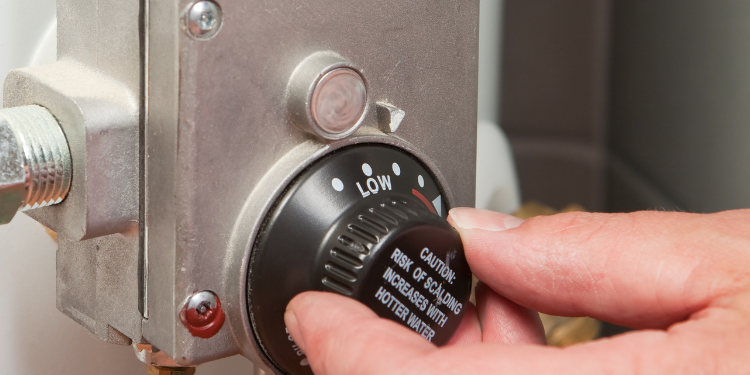
Other safety considerations include scald protection and temperature settings. While many water heaters are capable of heating water to very high temperatures, setting the thermostat too high increases the risk of burns, especially for children or elderly residents. A professional installer will typically set the temperature to a safe, efficient range—often around 120°F—unless specific circumstances call for a different setting. They may also recommend mixing valves or other devices to provide consistent, safe hot water temperatures throughout the home.
Filling, Testing, And Final Checks
After all connections are made and safety devices installed, the new water heater is ready to be filled and tested. The installer opens the cold water supply valve and allows the tank to fill completely before turning on power or gas. During this process, hot water faucets inside the home are opened to purge air from the lines. It’s normal to hear sputtering and see cloudy water at first; this clears as air is displaced and the system stabilizes. The installer will carefully inspect all joints and connections for any signs of leaks while the tank is filling.
Once the tank is full and the system is purged of air, power or gas is turned on and the unit begins heating. For gas units, the installer checks for proper ignition, flame characteristics, and draft at the vent. They may use instruments to verify that combustion gases are being properly exhausted and that there are no backdraft issues. For electric units, they verify that each heating element is operating correctly and that the thermostat cycles on and off as expected. This initial start-up phase is crucial for catching any issues before they become long-term problems.
Finally, a good installer will walk the homeowner through the basics of operation and maintenance. This includes pointing out the location of shutoff valves, breaker or gas shutoff, T&P valve discharge line, and the thermostat or control panel. They may explain how often to flush the tank, what signs of trouble to watch for, and when to schedule professional maintenance. In McKinney’s hard-water conditions, regular maintenance can significantly extend the life of your water heater by reducing sediment buildup. With Sewell Plumbing, this final walkthrough ensures you are not left guessing about how your new system works.
Frequently Asked Questions
Do I really need a professional to install a water heater? While some homeowners are tempted to install a water heater themselves, the process involves gas, electricity, hot water, pressure, and strict building codes. Mistakes can lead to gas leaks, electrical hazards, water damage, or even explosions if safety devices are installed incorrectly. In McKinney, TX, using a licensed professional like Sewell Plumbing ensures that your installation is safe, code-compliant, and backed by both manufacturer and labor warranties.
How long does a typical water heater installation take? For a straightforward replacement of a similar unit in the same location, most professional installations can be completed in about 2–4 hours. However, if you are changing fuel types, relocating the water heater, upgrading venting, or adding features like an expansion tank or recirculation system, the job can take longer. Sewell Plumbing will usually provide a time estimate after assessing your specific setup so you know what to expect.
What size water heater do I need for my home? Sizing depends on the number of people in your household, the number of bathrooms, and how you use hot water. A family of four with multiple bathrooms and a large bathtub may need a 50-gallon tank or a properly sized tankless unit, while a smaller household may be fine with a 40-gallon tank. A professional installer will consider your peak demand—such as multiple showers running at once—to recommend an appropriately sized unit that prevents cold showers and minimizes energy waste.
How can I tell if my current water heater needs to be replaced? Common signs include inconsistent water temperature, rusty or discolored hot water, rumbling or popping noises from the tank, visible leaks, or water pooling around the base. If your water heater is more than 8–12 years old, it may be approaching the end of its typical lifespan, especially in areas with hard water like McKinney. A technician from Sewell Plumbing can inspect the unit, check for internal tank damage, and help you decide whether repair or replacement is the better long-term choice.
Are there other plumbing issues I should be aware of? Water heater performance can be affected by overall plumbing health—things like outdated piping, poor water pressure, or recurring drain issues. During a water heater installation, a professional may spot other concerns that should be addressed to protect your investment. If you’re dealing with common household problems such as a blocked toilet, this guide may be helpful: How to unclog a toilet. Taking a proactive approach to your home’s plumbing system helps ensure that your new water heater operates efficiently and reliably for years.