The first sign that something was wrong wasn’t dramatic. It was a slightly warm patch on the living room floor that didn’t make sense. The thermostat was set low, no sunlight was hitting that part of the slab, and yet the tile felt almost cozy to the touch. Over the next few days, the water bill inched higher, a faint hissing noise could be heard late at night, and a small hairline crack crept across the floor. By the time puddles began forming along the baseboards, the problem beneath the home’s concrete foundation had already been getting worse for weeks: a slab leak.
Slab leaks are one of the most frustrating plumbing issues a homeowner in McKinney, TX can face because they are literally hidden under your feet. The water lines that run beneath your concrete foundation can corrode, crack, or burst, slowly releasing water into the soil and slab. Since you can’t see the pipes directly, your only clues are indirect: changes in your floor, your water bill, or even the way your home sounds. Recognizing the signs you need slab leak repair services early can save you from serious structural damage, mold growth, and sky-high repair costs.
Waiting for “obvious” flooding is risky. By the time water pushes its way up through your flooring, the leak has likely been active for a long time. That’s why it’s crucial to understand the subtle warning signs and act quickly. In McKinney’s mix of older homes and newer construction, the symptoms may present differently, but the stakes are always the same: protect your foundation, your plumbing system, and your family’s safety by knowing when to call a professional like Sewell Plumbing for slab leak detection and repair.
Unexplained Changes In Your Water Bill
One of the earliest and easiest-to-miss signs of a slab leak is a sudden spike in your water bill. You might open your monthly statement and notice you’re paying significantly more, even though your daily habits haven’t changed. There are no extra guests in the house, you’re not watering the lawn more often, and you haven’t installed any new appliances. That unexplained increase is often your first financial clue that water is escaping somewhere it shouldn’t be, possibly under your slab.
In McKinney, TX, seasonal changes can cause some fluctuation in water usage, especially during hot summers when irrigation systems run more often. However, a consistent rise across two or more billing cycles, particularly in milder months, points to a hidden leak rather than lifestyle changes. Homeowners sometimes assume the water company made a mistake, but in many cases, the meter is doing its job correctly and capturing water loss that never reaches your faucets.
You can run a simple test before calling a plumber. Turn off all water fixtures in your home, including sprinklers, washing machines, and dishwashers. Then, check your water meter. If it continues to move even when everything is shut off, water is flowing somewhere in your system. While the leak could be in an accessible pipe, a persistent, unexplained flow often indicates a slab leak. When you see this combination of rising costs and meter movement, it’s time to contact a licensed professional like Sewell Plumbing to investigate what’s happening beneath your foundation.
Warm Spots, Damp Floors, And Mysterious Puddles
Your floors can tell you a lot about what’s happening under your slab. One of the classic signs of a hot-water slab leak is a warm or hot spot on tile, wood, or even carpeted floors. You might notice your pet prefers to lie in the same odd place every day, or you might feel a temperature difference when walking barefoot across the room. In homes with concrete slabs, hot-water lines often run directly beneath flooring, so when they leak, heat spreads upward and gradually warms the surface.
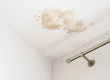
Dampness is another red flag. You may start to see darkened areas on hardwood, bubbling or peeling laminate, or persistent dampness in carpet that doesn’t dry out even after cleaning. In more advanced cases, you might find actual puddles forming near interior walls, baseboards, or along the edge of a room. Because water follows the path of least resistance, the visible moisture may not be directly above the leak, which can make DIY diagnosis almost impossible.
McKinney’s clay-heavy soil can make these moisture signs even more deceptive. As the soil expands and contracts with moisture, water can migrate under the slab and appear in unexpected places. That’s why homeowners should take any unexplained dampness seriously, especially when it’s not tied to obvious causes like spills, roof leaks, or appliance malfunctions. Professional slab leak detection uses specialized equipment to pinpoint the exact location of the leak, allowing Sewell Plumbing to recommend targeted, minimally invasive repair options instead of tearing up large sections of flooring blindly.
Strange Sounds And Constant Running Water
Homes have a soundtrack: air conditioning humming, refrigerators cycling, and pipes briefly rushing when you turn on a tap. What you shouldn’t hear is the sound of water running when no one is using it. If you notice a faint hissing, rushing, or trickling sound in your walls or floors, especially late at night when the house is quiet, that can be a strong indicator of a hidden leak under the slab.
Sometimes, homeowners in McKinney describe it as the sound of a distant faucet that was left on, or a gentle whooshing behind the drywall that never quite stops. Because water under pressure is escaping through a damaged section of pipe, the noise may be continuous or may come and go as the system cycles. This is especially true when your home’s plumbing is under constant pressure from the municipal supply, which is common in the area.
Not all sounds are easy to trace, and they can bounce off surfaces, making it hard to tell where they’re coming from. That’s where professional acoustic leak detection becomes valuable. Experienced plumbers like Sewell Plumbing use sensitive listening devices and other diagnostic tools to “hear” what your ears can’t and to distinguish between normal plumbing noises and the telltale acoustic signature of a slab leak. If your ears tell you something is off, don’t ignore it—those subtle sounds might be your only early warning before visible damage appears.
Cracks, Shifting Floors, And Foundation Concerns
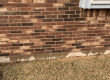
Beyond the plumbing system itself, slab leaks can begin to affect the very structure of your home. As water seeps into the soil beneath the foundation, it can cause the ground to soften, wash away, or shift. Over time, this uneven support can lead to movement in the slab, which shows up as cracks in floors, walls, and ceilings. While minor hairline cracks are common in many homes, especially in areas like McKinney with expansive clay soils, sudden or rapidly growing cracks should raise concern.
You might notice doors that used to close easily now sticking or failing to latch, or windows that become harder to open. Floors that once felt level can start to slope slightly, or you may feel a subtle “bounce” in certain areas. Tile or grout lines can separate, and gaps can appear between baseboards and flooring. These changes are more than cosmetic annoyances; they may be structural symptoms of a slab leak undermining your foundation’s stability.
Because Texas homes already contend with soil movement due to weather and moisture changes, it can be tempting to blame every crack on “normal settling.” However, when signs of shifting appear alongside other indicators like high water bills, warm spots, or damp floors, the combination strongly points to an active leak. Addressing the leak early with help from Sewell Plumbing can prevent the need for extensive foundation repairs later. An experienced plumber can coordinate with foundation specialists if needed, ensuring the underlying plumbing issue is resolved before structural corrections are made.
Mold, Mildew, And Musty Odors
Where there is hidden moisture, mold and mildew are never far behind. A slab leak provides an ongoing source of dampness that can seep into flooring materials, drywall, and insulation. Over time, this moisture creates an ideal breeding ground for mold spores, which thrive in dark, enclosed spaces like those under carpets or behind baseboards. You might not see visible mold at first, but you may notice a persistent musty or earthy odor that doesn’t go away with regular cleaning.
In McKinney’s warm climate, indoor humidity can already be a challenge, and any additional moisture from a slab leak can push conditions into the danger zone. You may start to see discoloration along the bottom of walls, warping in wood trim, or soft spots in drywall. Family members with allergies or asthma might experience worsening symptoms, such as coughing, sneezing, or headaches, especially when spending time in certain rooms.
Cleaning visible mold without addressing the source of moisture is like drying off while standing in the rain—it doesn’t solve the problem. If you’ve had recurring mold issues in one area of your home, or if musty smells linger despite deep cleaning and dehumidifiers, it’s important to consider a hidden plumbing leak as a possible cause. Professional slab leak repair from Sewell Plumbing stops the water at its source, giving you a real chance to remediate mold and restore healthy indoor air quality.
Low Water Pressure And Plumbing Performance Issues
Another sign that can point toward a slab leak is a noticeable drop in water pressure. When a pipe under your slab develops a significant leak, some of the water that should be reaching your fixtures is instead escaping into the ground. As a result, showers may feel weaker, faucets may take longer to fill a sink, and appliances like washing machines may run longer cycles to compensate for reduced flow.
Low pressure may affect the entire house or only certain fixtures, depending on which line is leaking. For example, a hot-water slab leak might result in poor hot-water pressure while cold-water lines still function normally. In some cases, you might also notice temperature fluctuations as your water heater struggles to keep up with the constant demand created by the leak. If you rely on a system like a Gas water heater, you may observe it cycling more frequently than usual.
Of course, not all water pressure issues are caused by slab leaks; mineral buildup, faulty pressure regulators, or municipal supply issues can also play a role. However, when low pressure appears suddenly and is accompanied by other signs—like warm floors, damp spots, or unexplained water usage—it becomes a key piece of the diagnostic puzzle. A licensed plumber from Sewell Plumbing can perform pressure tests and isolate specific sections of your system to determine whether the problem lies under the slab or elsewhere in your home’s plumbing network.
Why Fast Professional Help Matters
Slab leaks rarely fix themselves, and time is not on your side once one develops. The longer water is allowed to escape under your home, the more it can weaken your foundation, saturate building materials, and promote mold growth. What might have been a relatively simple repair can turn into a major restoration project involving flooring replacement, structural work, and extensive remediation if ignored. Acting quickly when you notice early warning signs is the best way to minimize both damage and cost.
Professional slab leak repair involves much more than just guessing and breaking concrete. Companies like Sewell Plumbing serving McKinney, TX, use advanced tools such as electronic leak locators, thermal imaging, and pressure testing to pinpoint the exact location and nature of the leak. This allows for targeted access, whether that means opening a small section of flooring, tunneling under the slab, or rerouting plumbing lines entirely. The goal is always to restore your system’s integrity while keeping disruption to your home as low as possible.
For homeowners, peace of mind is a major benefit of professional help. Instead of worrying about hidden damage spreading under your feet, you can rely on clear diagnostics and a detailed repair plan. Experienced plumbers also understand local building codes, soil conditions, and common pipe materials used in McKinney-area homes, which helps them choose the most appropriate repair method. When you see the signs of a slab leak, partnering with a trusted local expert is the most reliable way to protect your home and your investment.
Frequently Asked Questions
How can I tell if I have a slab leak or just a regular plumbing leak? While both types of leaks waste water, slab leaks often show up as warm or damp spots on floors, unexplained increases in your water bill, or cracks and shifting in your foundation or flooring. Regular leaks tend to be visible in walls, ceilings, or under sinks. If you hear water running when all fixtures are off and notice changes in your floors or foundation, there is a strong chance the problem is under the slab and should be evaluated by a professional.
Are slab leaks common in McKinney, TX? Slab leaks are not rare in McKinney and the surrounding North Texas region. Many homes are built on concrete slabs over expansive clay soils, which can shift and put stress on buried pipes. Older pipes, corrosion, and installation issues can also contribute. The combination of soil movement and aging infrastructure means local homeowners should stay alert for the signs of slab leaks and schedule inspections if they suspect a problem.
Will my homeowner’s insurance cover slab leak repairs? Coverage varies widely by policy and provider. Some policies may help with the cost of accessing and repairing the damaged portion of the pipe, while others may only cover resulting damage, such as ruined flooring or walls. It’s important to review your individual policy or speak with your insurance agent to understand what is and isn’t covered. Plumbers like Sewell Plumbing can often provide documentation and reports that your insurance company may require when processing a claim.
Do slab leak repairs always require breaking up my floors? Not always. While some repairs do involve opening the slab from above, there are alternative methods such as tunneling under the foundation from the outside or rerouting plumbing lines through walls and ceilings. The best approach depends on the leak’s location, the condition of the existing pipes, and the layout of your home. A professional plumber will explain the pros and cons of each option and recommend the most efficient and least disruptive solution.
How quickly should I call a plumber if I suspect a slab leak? You should contact a plumber as soon as you notice more than one warning sign, such as high water bills combined with warm floors or damp spots. Slab leaks can worsen over time, leading to structural damage and higher repair costs. Prompt inspection and diagnosis by a company like Sewell Plumbing in McKinney, TX can prevent a minor issue from turning into a major problem and help protect your home’s foundation and indoor environment.