The first sign was a faint hissing behind the wall and a slightly warm patch on the floor near the hallway. No gushing water, no obvious puddles, just a nagging sense that something was off. A few weeks later, the water bill arrived at a McKinney home, and the total was nearly double the usual amount. There were no long showers, no new appliances, and no visible leaks around sinks or toilets. That is the kind of quiet, hidden problem that professional leak detection is designed to uncover before it turns into a burst pipe, ruined flooring, or a flooded slab foundation.
Across McKinney, TX, small, unseen leaks waste thousands of gallons of water every year. They hide under concrete slabs, inside walls, beneath yards, and even under driveways. Many homeowners assume that as long as nothing is visibly dripping, everything is fine. In reality, a pinhole leak in a pressurized water line can lose a surprising amount of water around the clock. Over time, that wasted water shows up in higher utility bills, foundation movement, musty odors, and mold growth. Professional leak detection is about more than just fixing a drip; it is about finding the exact source of waste and damage with precision and speed.
That is where trained specialists like Sewell Plumbing step in. Using advanced tools and proven methods, professional leak detection locates leaks that are impossible to find with guesswork alone. Instead of tearing into walls or jackhammering concrete in multiple places, a skilled technician can narrow the search to a precise area, minimize disruption, and repair the problem efficiently. For residents and business owners in McKinney, that means saving water, protecting property, and preventing a minor issue from becoming a major emergency.
Why Hidden Leaks Matter
Hidden leaks are not just a nuisance; they are a long-term threat to your home and to the community’s water supply. Every gallon that seeps into the soil under a slab, or trickles slowly behind a wall, is a gallon that never reaches your faucet, shower, or irrigation system. When this happens continuously, 24 hours a day, even a tiny leak can waste thousands of gallons in a single month. In a growing city like McKinney, TX, where water demand continues to climb, preventing that kind of waste is a practical way to support local conservation efforts.
Beyond the environmental cost, the structural impact of hidden leaks can be serious. Water that escapes under a home can weaken the soil supporting the foundation, leading to cracks in walls, uneven floors, and doors that no longer close properly. Inside the home, moisture trapped in walls or ceilings creates an ideal environment for mold and mildew, which can cause odors, stains, and potential health issues. Professional leak detection aims to locate these problems before they reach that stage, protecting both the structure and the air quality of your home.
There is also the financial side. When a leak goes undetected, homeowners pay twice: once on the water bill, and again for repairs to flooring, drywall, insulation, and sometimes even the foundation. By bringing in specialists like Sewell Plumbing early, McKinney property owners can often avoid the costliest damage and keep repairs focused and manageable. Professional leak detection turns an invisible, ongoing expense into a clearly defined problem with a targeted solution.
How Professionals Track Down Leaks
Modern leak detection is far more sophisticated than listening for drips or guessing where a wet spot might be coming from. Professional plumbers use a combination of advanced equipment and hands-on experience to pinpoint leaks with remarkable accuracy. One common tool is acoustic leak detection, which uses sensitive listening devices to pick up the distinct sound of water escaping from pipes under pressure. Technicians are trained to interpret those sounds and distinguish them from normal plumbing noise or background vibrations.
Another powerful method involves electronic line location and pressure testing. By isolating sections of the plumbing system and monitoring how quickly pressure drops, a professional can determine not just that a leak exists, but roughly where it is located. This approach is especially useful for slab leaks under concrete foundations, which are common in North Texas homes. Instead of cutting into large areas of flooring, a plumber can mark a precise spot for repair, minimizing demolition and disruption.
Thermal imaging cameras and moisture meters also play a role in modern leak detection. A thermal camera can reveal temperature differences behind walls or under floors caused by hot or cold water leaks. Moisture meters help identify damp areas that are not yet visible on the surface, such as wet insulation or framing. By combining these tools with practical knowledge of how homes in McKinney are built and plumbed, Sewell Plumbing can build a clear picture of what is happening behind the scenes, even when there is no visible water.
Common Leak Types In McKinney Homes
Homes in McKinney, TX, share many of the same leak issues found throughout North Texas, but local soil conditions, building practices, and climate give certain problems a higher chance of appearing. One of the most serious is the slab leak, which occurs when water lines running under the concrete foundation develop a break or pinhole. These leaks can be caused by shifting soil, corrosion, or installation issues. Often, the first signs are warm spots on the floor, unexplained water bills, or the sound of running water when all fixtures are off.
Another common source of hidden leaks is inside wall cavities and ceilings. Supply lines that run to bathrooms, kitchens, and laundry rooms can develop small leaks at fittings or joints. Because these areas are concealed, the water may soak into drywall, insulation, and framing for weeks or months before stains or bubbling paint appear. By the time visible damage shows, a significant amount of water may have been wasted, and mold may already be present. Professional leak detection can identify these issues early, long before the damage becomes widespread.
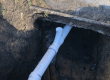
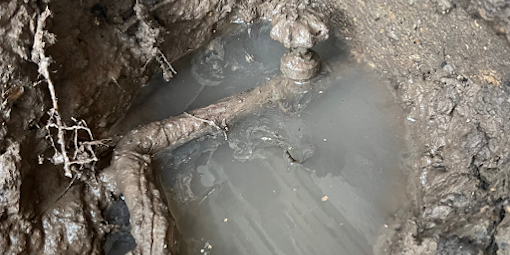
Outdoor plumbing is another frequent culprit. Irrigation systems, hose bibs, and buried yard lines can spring leaks that go unnoticed because the water seeps directly into the soil. Signs might include soggy patches in the yard, unusually green grass in one area, or constant low water pressure inside the home. In some cases, even sewer lines can develop leaks or breaks, leading to unpleasant odors or sinkholes in the yard. Experienced plumbers in McKinney understand these patterns and know where to look when symptoms are vague but suspicious.
How Leak Detection Saves Water And Money
From a conservation standpoint, professional leak detection is one of the most effective ways individual homeowners can reduce water waste. Fixing a single leaking pipe may seem small, but when multiplied across a neighborhood or a city, the impact is significant. In a region that experiences hot, dry summers and periodic watering restrictions, every gallon saved helps reduce strain on the local water supply and treatment systems. By taking leaks seriously, McKinney residents actively contribute to a more sustainable community.
Financially, the benefits are just as compelling. A steady, hidden leak can add tens or even hundreds of dollars to monthly water bills, depending on its size. When Sewell Plumbing identifies and repairs that leak, the savings begin immediately with the next billing cycle. Over the life of the home, preventing ongoing water loss can amount to thousands of dollars saved, not to mention the avoided costs of major repairs that might have been needed if the leak had continued unchecked.
There is also a less obvious but important financial advantage: protecting your home’s value. Buyers are wary of properties with a history of water damage, foundation issues, or mold. By addressing leaks promptly and documenting professional repairs, homeowners in McKinney can maintain a stronger position when it comes time to sell. Leak detection is not just an emergency service; it is a smart long-term investment in the health and marketability of your property.
What To Expect During A Leak Detection Visit
For many homeowners, the idea of leak detection sounds complicated or invasive, but the actual process is usually straightforward and orderly. When a Sewell Plumbing technician arrives, they will start by asking detailed questions about what you have noticed: changes in your water bill, sounds of running water, warm spots, damp areas, or reduced water pressure. This conversation helps narrow down which parts of the plumbing system are most likely involved, and it guides the choice of tools and tests.
Next, the technician will typically perform a series of non-invasive checks. This can include shutting off all fixtures and monitoring the water meter to confirm that water is still flowing when it should be still. They may use listening devices around floors, walls, and outdoor areas to identify suspicious sounds. If needed, they will conduct pressure tests on specific lines, use thermal imaging to scan surfaces, or employ moisture meters to locate damp materials beyond what the eye can see.
Once the leak’s location is identified, the plumber will explain the findings and outline repair options. In some cases, the fix might be as simple as replacing a section of pipe or a fitting; in others, it may involve accessing a line under the slab or behind a wall. Throughout the process, the goal is to minimize damage to finished surfaces and keep the repair as focused as possible. Homeowners can expect clear communication, upfront discussion of costs, and recommendations to prevent future leaks where possible.
Preventing Future Leaks And Water Waste
While not every leak can be prevented, there are practical steps McKinney homeowners can take to reduce the risk. Regularly checking your water bill for unexplained increases is one of the easiest habits to adopt. If your usage spikes without a clear reason, it is time to investigate. Listening for the sound of running water when all fixtures are off, looking for damp spots, and paying attention to changes in water pressure are all simple ways to catch problems early.
Routine plumbing inspections are another smart strategy. Having a professional like Sewell Plumbing evaluate your system periodically can reveal aging pipes, corroded fittings, or weak spots before they fail. This is especially important in older homes or properties with a history of foundation movement. Technicians can also assess outdoor systems, like irrigation lines and hose bibs, which are exposed to weather extremes and more prone to damage.
Upgrading fixtures and components can further protect against leaks and save water. Replacing old supply lines with modern, more durable materials, installing high-quality shut-off valves, and using water-efficient fixtures all contribute to a more reliable system. Combining these preventive measures with prompt professional leak detection when something seems off creates a comprehensive approach to water conservation and home protection in McKinney.
Frequently Asked Questions
How do I know if I need professional leak detection? Some signs are obvious, like visible water damage or a constantly running toilet, but many leaks are subtle. If you notice an unexplained increase in your water bill, hear water running when all fixtures are off, feel warm spots on floors, see damp areas with no clear source, or experience a sudden drop in water pressure, professional leak detection is a smart next step. In McKinney, where slab leaks and hidden pipe issues are common, it is better to investigate early than wait for major damage.
Is leak detection going to damage my home? Modern leak detection methods are designed to be as non-invasive as possible. Tools like acoustic listening devices, pressure tests, thermal imaging, and moisture meters allow plumbers to pinpoint problems without opening large sections of walls or floors. While accessing the leak for repair may require some cutting or concrete work, accurate detection from Sewell Plumbing keeps that disturbance limited to a small, targeted area instead of widespread guesswork.
Can I just ignore a small leak if it is not bothering me? Ignoring a small leak is risky. Even a slow drip can waste a large amount of water over time, driving up your utility bills and contributing to local water waste. More importantly, leaks often worsen, turning into larger breaks or causing hidden structural damage. Moisture behind walls or under slabs can lead to mold, wood rot, and foundation issues. Addressing leaks promptly with professional help protects both your wallet and your home.
How long does professional leak detection usually take? The time required depends on the complexity of the issue and the size of the property, but many residential leak detection visits in McKinney can be completed within a few hours. The process includes initial assessment, testing, and pinpointing the problem. Once the leak is located, your plumber will explain the findings and discuss repair options. In some cases, minor repairs can be completed the same day; in more complex situations, a follow-up visit may be scheduled.
Does leak detection only cover water supply lines? No. While many calls involve pressurized water lines that feed fixtures and appliances, professional leak detection can also address leaks in irrigation systems, some types of sewer line problems, and issues related to fixtures like water heaters. If you are dealing with recurring clogs or slow drains as well as suspected leaks, related services such as Drain cleaning can be part of a complete solution. A qualified plumber will evaluate your entire system to determine where water is being lost or where damage may be occurring.