The first sign that something was wrong came before sunrise. You turned on the shower in your McKinney home, waited for the familiar rush of hot water, and… nothing. Just a stream of lukewarm water that never quite warmed up. You twist the handle a few more times, tap the showerhead as if that might help, and suddenly your morning routine is thrown off. For many homeowners, that’s exactly how water heater trouble announces itself: quietly at first, then all at once.
Water heater problems rarely show up out of nowhere. Most of the time, there are small warning signs that get ignored because life is busy and the system still “kind of” works. Maybe the hot water runs out faster than it used to. Maybe you hear a strange popping noise from the tank in the garage. Maybe your utility bill creeps upward for no obvious reason. Understanding these early clues can save you from waking up to a cold shower or, worse, a leaking tank that damages your floors.
At Sewell Plumbing in McKinney, TX, we see the same core issues over and over again, just in different homes and at different stages of severity. The good news is that most water heater problems are predictable, explainable, and fixable—if you know what to look for and when to call in a professional. This guide breaks down the most common water heater issues, why they happen, and what can realistically be done to repair them before they turn into costly emergencies.
No Hot Water Or Not Enough
When there is no hot water at all, it feels like the entire water heater has simply quit. In many cases, though, the cause is something relatively simple. For electric water heaters, a tripped breaker is often the first thing to check. If the breaker is constantly flipping, that suggests a deeper electrical or component issue that needs attention. For gas units, the problem may be a pilot light that has gone out, a faulty thermocouple, or an issue with the gas supply. These components are designed as safety features, but when they fail, you are left with a cold tap.
Sometimes the tank does produce hot water, just not enough of it. This is one of the most common complaints from families in McKinney, especially when the household has grown or hot water use has changed over time. If your water heater is undersized for your current needs, you will consistently run out of hot water during peak times like mornings or evenings. Another frequent culprit is a broken or failing heating element (in electric heaters) or a partially clogged burner (in gas heaters). These issues reduce the unit’s ability to heat water efficiently, so the tank never quite reaches or maintains the temperature you expect.
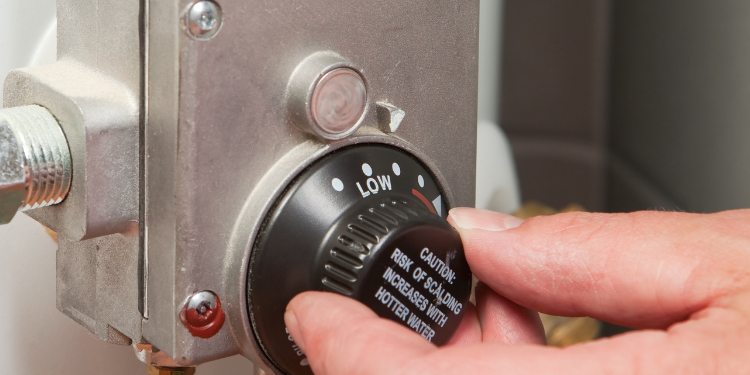
Thermostat problems can also lead to inconsistent hot water. A thermostat that is set too low will produce lukewarm water, while a malfunctioning thermostat might send confusing signals to the heating elements or burner. Adjusting the thermostat should be done carefully; setting it too high can create scalding risks, particularly for children and older adults. A licensed plumber from Sewell Plumbing can test and calibrate the thermostat, inspect the heating elements or burner, and confirm that your unit is properly sized for your McKinney home’s current demand.
In some cases, the “no hot water” issue is actually a supply problem rather than a heater problem. Crossed plumbing lines, failed mixing valves, or recirculation systems that are not working correctly can blend cold and hot water before it reaches the tap, making it seem like the water heater is failing. A professional diagnosis is important because replacing an otherwise healthy water heater will not fix a hidden plumbing configuration problem.
Strange Noises From The Tank
A healthy water heater operates quietly, with only a soft hum or gentle whoosh when it fires up. When you start hearing popping, banging, rumbling, or hissing sounds, the unit is trying to tell you something. One of the most common reasons for unusual noise is sediment buildup at the bottom of the tank. In McKinney, TX, our water often contains minerals like calcium and magnesium that settle out over time. As the burner or heating elements try to heat the water, they must work through a layer of hardened sediment, causing popping or crackling sounds as trapped pockets of water boil and burst through.
Rumbling noises often indicate that the sediment layer has become thick and dense. The expanding and contracting of this layer as the heater cycles on and off can cause vibrations that echo through the tank. Beyond being annoying, this extra strain can shorten the life of the tank, force the heater to use more energy, and increase the risk of overheating. Regular flushing of the tank, typically once a year, can remove sediment before it becomes a major problem. Sewell Plumbing technicians frequently perform this maintenance for McKinney homeowners, restoring quiet operation and improving efficiency.
Hissing or sizzling sounds can point to a different issue. If you have an electric water heater, a hissing noise might come from a heating element that is partially covered with sediment or exposed because of low water levels. In gas heaters, sizzling near the base of the unit may indicate water dripping onto a hot burner, often from a minor leak or condensation. Both scenarios require inspection to ensure there is no ongoing damage to the heater or surrounding area.
Occasionally, banging or “water hammer” sounds may be related to the plumbing system rather than the heater itself. When valves close suddenly, pressure waves can travel through the pipes and make loud knocking noises. While this is more of a plumbing issue than a heater malfunction, the noise often seems to come from the water heater area. An experienced plumber can distinguish between water hammer and internal heater noise and recommend solutions such as installing water hammer arrestors or adjusting system pressure.
Leaking Water Heater And Moisture
Few issues cause more stress than seeing water pooling around your water heater. Leaks can range from a slow, occasional drip to a steady flow that quickly damages nearby walls, floors, and belongings. The first step is identifying the source. Not all moisture around the heater means the tank itself is failing. Sometimes, condensation on cold water pipes or the tank exterior can drip and create a small puddle, especially during humid Texas summers. Other times, a loose drain valve or a leaking temperature and pressure (T&P) relief valve can mimic a tank leak.
When the leak is coming from a fitting, valve, or connection, repair is often possible. A T&P valve that is weeping may be relieving excess pressure, which could mean the water temperature is set too high, the expansion tank is failing, or there is a problem with system pressure. A trained professional can test the valve, check the pressure, and decide whether the valve simply needs to be replaced or if there is an underlying cause that needs correction. Similarly, leaks around the inlet or outlet connections may be resolved by tightening fittings, replacing worn-out flex lines, or repairing corroded joints.
A leak from the bottom of the tank itself is a far more serious sign. This often indicates internal corrosion and a failing tank wall. Inside most traditional tank-style water heaters is a glass-lined steel tank. Over time, minerals, pressure, and age can cause that protective lining to crack, allowing water to reach the steel. The anode rod inside the tank is designed to sacrifice itself to protect the steel, but once the rod is consumed and corrosion progresses, the tank may eventually develop leaks that cannot be repaired. At that point, replacement is the only safe solution.
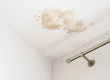
In McKinney homes, water heaters are commonly located in garages, attics, or utility closets. A leaking heater in an attic can cause particularly severe damage to ceilings and walls below. For this reason, any sign of moisture, rust streaks, or rust-colored water around the base of the heater should be taken seriously. Sewell Plumbing can inspect the unit, determine whether a simple repair is possible, and recommend replacement options if the tank is nearing the end of its safe service life.
Discolored Or Smelly Hot Water
When you turn on the hot water and notice a rusty tint, cloudy appearance, or unpleasant odor, it is natural to worry about your water quality. The first step is determining whether the issue is isolated to the hot water side. If only hot water is affected, the water heater is a likely source. Rusty or brownish water can be caused by corrosion inside the tank, especially in older heaters. As the interior surfaces deteriorate, rust particles can mix with the hot water and travel through your faucets.
Sometimes, discolored water is related to sediment rather than rust. Mineral deposits can trap small amounts of iron or other particles, releasing them into the water as the tank heats and cools. Flushing the tank can help clear these deposits and improve water clarity. However, if flushing does not resolve the issue, or if you see persistent rust in your hot water, it may indicate that the tank lining is compromised and the heater is approaching the end of its lifespan. In such cases, continuing to use the heater may eventually lead to leaks or failure.
Foul-smelling hot water, often described as a “rotten egg” odor, is usually linked to bacteria reacting with the anode rod inside the tank. The rod, typically made of magnesium or aluminum, helps prevent corrosion by attracting corrosive elements in the water. Under certain conditions, particularly with well water or specific mineral balances, this reaction can produce hydrogen sulfide gas, which has a strong sulfur-like smell. This odor is usually most noticeable when running hot water and may not be present in the cold water supply.
Sewell Plumbing can address smelly hot water by inspecting the anode rod, flushing the tank, and in some cases replacing the rod with a different material that is less likely to react in this way. In more stubborn situations, a combination of sanitizing the tank and installing additional water treatment may be recommended. For McKinney homeowners, resolving these issues is not just about comfort; it is about confidence that the water coming from your taps is clean and safe for everyday use.
Water Temperature Too Hot Or Too Cold
Another frequent complaint is water that swings between too hot and too cold, even when the heater seems to be functioning. The thermostat setting is the first thing to consider. Most water heaters are set between 120°F and 140°F. Below 120°F, water may feel lukewarm and can increase the risk of bacterial growth inside the tank. Above 140°F, the risk of scalding rises significantly. If your water feels dangerously hot or never quite warm enough, the thermostat may be miscalibrated, damaged, or simply set incorrectly.
For electric water heaters, separate thermostats usually control the upper and lower heating elements. If one thermostat or element fails, you may get inconsistent temperatures, with the water starting hot and quickly turning cold, or never reaching full temperature. For gas units, issues with the gas valve, burner assembly, or combustion air supply can cause similar problems. These components require testing with the proper tools to confirm they are operating within manufacturer specifications.
In some McKinney homes, fluctuating water temperature is caused by external factors rather than a malfunctioning heater. Recirculation systems, mixing valves, and anti-scald devices installed at fixtures can blend hot and cold water to regulate temperature. If these devices fail or are incorrectly adjusted, they can create the impression that the water heater is unreliable. A professional plumber can trace the hot water path from the heater to the fixtures, identify where the temperature is being altered, and correct any faulty components.
It is also important to account for seasonal changes. In winter, incoming water is colder, which can make a marginally sized heater struggle to keep up with demand. You may notice showers cool off faster or take longer to heat up. Adjusting expectations, insulating hot water pipes, or upgrading to a properly sized or more efficient unit can help stabilize temperature throughout the year. Sewell Plumbing can evaluate your system and recommend practical improvements tailored to your household’s usage patterns.
Repair Or Replace? Making The Call
Once you know what is wrong with your water heater, the next decision is whether to repair it or replace it. Age is one of the most important factors. Most traditional tank-style water heaters last between 8 and 12 years, depending on maintenance, water quality, and usage. If your unit is already beyond that range and is experiencing major issues like leaks, frequent heating failures, or severe rust, investing in a repair may only buy a little time. In those cases, replacement is often the more cost-effective and reliable choice.
On the other hand, many problems are relatively minor and worth repairing, especially on newer units. Replacing a thermostat, heating element, burner component, or valve can restore proper function without the expense of a full replacement. The key is having an honest assessment from a trusted professional. At Sewell Plumbing, we routinely walk McKinney homeowners through the pros and cons, comparing the expected remaining life of the current unit with the cost and benefits of a new, more efficient model.
Energy efficiency should also be part of the conversation. Older water heaters often consume significantly more gas or electricity than newer models for the same amount of hot water. Upgrading to a high-efficiency tank or tankless system can reduce utility bills, improve performance, and provide better temperature consistency. While the upfront cost is higher than a simple repair, the long-term savings and reliability can justify the investment, especially if your existing heater is already nearing the end of its lifespan.
Finally, consider your household’s changing needs. If your family has grown, you have added bathrooms, or your hot water habits have changed, staying with the same size and type of heater may not make sense. A replacement project is the perfect opportunity to right-size your system, explore options like tankless heaters, and address any code or safety upgrades that may be required. A knowledgeable local plumber can help design a solution that fits both your budget and your lifestyle.
Frequently Asked Questions
How long should my water heater last in McKinney, TX? Most traditional tank-style water heaters last around 8 to 12 years, though some fail earlier and others last longer with excellent maintenance. Factors that influence lifespan include water quality, how often the tank is flushed, whether the anode rod is replaced when needed, and how heavily the system is used. In McKinney, where mineral content can be moderate to high, sediment buildup is a common reason heaters wear out sooner. Once your unit passes the 10-year mark, it is wise to have it inspected regularly and start planning for replacement rather than waiting for an emergency breakdown.
Is it safe to try to repair my water heater myself? Certain basic checks, such as verifying that a breaker has not tripped or that a gas shutoff valve is open, are generally safe for homeowners. However, most water heater repairs involve gas lines, high-voltage electricity, pressurized hot water, or scalding temperatures. Incorrect repairs can lead to gas leaks, electrical hazards, or dangerous pressure buildup inside the tank. For that reason, it is strongly recommended to leave internal repairs, gas connections, and component replacements to licensed professionals like the team at Sewell Plumbing.
Why does my water heater keep running out of hot water so quickly? Running out of hot water faster than you used to can have several causes. Your household demand may have increased beyond what the tank was designed to handle, especially if you have added family members or new fixtures. Sediment buildup inside the tank can also reduce the effective capacity, leaving less usable hot water. Faulty heating elements, a malfunctioning thermostat, or issues with dip tubes that direct cold water inside the tank can further reduce performance. A professional evaluation can determine whether a repair, flush, or system upgrade is the best solution.
What maintenance should be done on a water heater? Routine maintenance is the best way to extend the life of your water heater and prevent sudden failures. This typically includes flushing the tank annually to remove sediment, testing the T&P relief valve to ensure it opens and closes properly, checking for leaks or corrosion around fittings, and inspecting the anode rod every few years. For gas heaters, the burner and venting system should be checked for proper combustion and safe exhaust. Many McKinney homeowners choose to have Sewell Plumbing perform yearly maintenance so potential issues are caught early and addressed before they become serious.
When should I call a professional instead of waiting? You should contact a professional plumber immediately if you see active leaking from the tank, notice rust-colored water coming from your hot taps, smell gas near the heater, or hear loud, persistent banging or popping noises. These can be signs of serious problems that may lead to tank failure, water damage, or safety hazards. Even less dramatic symptoms, such as inconsistent water temperature or a sudden increase in energy bills, are worth investigating before they escalate. If you are searching for an Emergency plumber near me in McKinney, TX, prompt service from an experienced company like Sewell Plumbing can prevent small water heater issues from turning into major headaches.