Industry studies estimate that nearly 10,000 gallons of water are wasted every year in the average American home due to leaks alone. That is not from burst pipes or dramatic plumbing failures, but from slow, hidden drips that often go unnoticed for months. When you translate that into water bills, structural damage, mold remediation, and repair costs, it becomes clear why efficient leak detection is one of the most valuable skills a plumber can offer a homeowner.
For homeowners in McKinney, TX, where seasonal temperature swings, soil movement, and aging infrastructure all play a role, leak detection is not just about reacting to obvious puddles on the floor. It is about understanding how water behaves inside walls, under slabs, and beneath lawns, and using that insight to pinpoint problems before they turn into emergencies. Plumbers who specialize in efficient leak detection combine experience, technology, and pattern recognition to track down water losses that many people would never suspect.
Sewell Plumbing has seen firsthand how a tiny pinhole in a copper line or a hairline crack in a slab pipe can quietly undermine a home. Efficient leak detection is really a mindset: instead of waiting for damage to show, it focuses on reading subtle signs, knowing where problems typically develop in McKinney homes, and using the right tools at the right time. When you understand how professionals think about leaks, you can better protect your property, ask smarter questions, and act sooner when something seems off.
How Plumbers Read The Signs
Most leaks do not announce themselves with a dramatic spray of water. They whisper. Plumbers trained in efficient leak detection learn to listen for those whispers in many different ways. One of the first indicators they look for is inconsistent water usage. When a homeowner in McKinney shows a water bill that suddenly jumps without any change in lifestyle, a plumber’s mind immediately goes to hidden leaks. The numbers on a bill become clues, and comparing usage month to month is often the first breadcrumb on the trail.
Visual cues are another major part of a plumber’s insight. Stains on ceilings, peeling paint, warped baseboards, and even faint discoloration on grout lines can tell a story about where water is traveling. In North Texas homes, attic plumbing lines, upstairs bathrooms, and laundry rooms over living spaces are common sources of slow leaks. A plumber from Sewell Plumbing will look not just at the visible damage but at how gravity and framing would cause water to migrate, narrowing down where the leak is most likely hiding.
Smell is also an underrated diagnostic tool. A persistent musty odor in a particular room, closet, or cabinet can signal moisture trapped behind walls or under flooring. Experienced plumbers learn to distinguish between the normal humidity of a Texas summer and the distinctive scent of long-term dampness. When paired with questions about recent weather events, remodels, or plumbing work, these subtle signs help build a picture of what is happening out of sight.
Finally, sound plays a role. In a quiet house, with fixtures turned off, a faint hissing or trickling noise can indicate water moving where it should not be. Plumbers are trained to move systematically, listening near walls, under sinks, and around toilets. While modern tools enhance accuracy, that basic skill of attentive observation and listening remains at the core of efficient leak detection.
Modern Tools That Make Leaks Visible
Technology has transformed how plumbers in McKinney, TX locate leaks, especially those under slabs or behind finished walls. One of the most powerful tools is acoustic leak detection equipment. These devices amplify the sound of escaping water, allowing plumbers to hear the exact point where water is leaving the pipe. On a concrete slab floor, for example, a plumber from Sewell Plumbing can move the sensor across the surface and pinpoint the loudest spot, often narrowing the leak location to within inches.
Thermal imaging cameras are another breakthrough. They do not see water directly; instead, they detect temperature differences in surfaces. A cold water leak behind a warm interior wall, or a hot water line leaking under a tile floor, will create a temperature pattern that stands out on the camera. This allows plumbers to trace the path of moisture without cutting into multiple areas, greatly reducing disruption and repair costs for the homeowner.
Moisture meters also play a crucial role. These handheld tools measure the moisture content of materials like drywall, wood, and flooring. By taking readings in several locations, a plumber can map out how far water has spread and identify the most saturated areas. In McKinney homes with wood framing and sheetrock, this helps distinguish between a one-time spill and an ongoing leak that is slowly soaking structural components.
In some cases, especially with complex systems or older properties, plumbers may use tracer gases or specialized cameras inside pipes. A harmless gas is introduced into the plumbing system, and detectors are used to find where it escapes. Or, a small camera is fed through drain lines to inspect for cracks, roots, or misaligned joints that are allowing water to leak out. These tools provide visual confirmation and documentation, giving homeowners a clear understanding of the problem before any demolition or repair begins.
Common Leak Hotspots In McKinney Homes
Every region has its typical plumbing trouble spots, and McKinney is no exception. One of the most frequent issues Sewell Plumbing encounters involves slab leaks. Many homes in the area are built on concrete slabs with water lines running underneath. Shifting soil, minor foundation movement, or corrosion can cause tiny cracks in those lines. The result is water slowly escaping into the soil under the home, sometimes for months, before homeowners notice warm spots on the floor, higher water bills, or unexplained moisture.
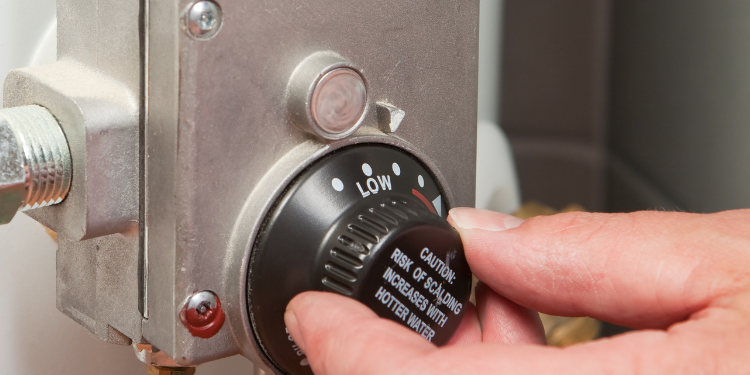
Another common source of leaks is aging water heaters. As water heaters approach the end of their lifespan, internal corrosion or failing fittings can lead to slow drips that collect in the pan or nearby areas. In garages and closets, these leaks might go unnoticed until rust, mold, or damage to nearby belongings becomes obvious. Efficient leak detection means checking around and beneath the unit, inspecting connections, and using moisture meters to ensure no slow leak is developing out of sight.
Bathroom plumbing is also a frequent culprit. Leaking shower pans, deteriorated caulk and grout, loose toilet seals, and failing supply lines can all allow water to escape into subfloors and walls. In multi-story homes, a small bathroom leak upstairs may show up as ceiling stains downstairs, far from the actual source. Plumbers familiar with McKinney’s typical construction styles know how bathrooms are framed and plumbed, allowing them to track back from visible damage to the actual origin of the leak.
Outdoor leaks are another area where local knowledge matters. Sprinkler systems, hose bibbs, and main water service lines running through the yard are all subject to movement in North Texas clay soils. Tiny leaks in these lines may create unusually green patches of grass, soft spots in the yard, or constant moisture near the foundation. Plumbers use a combination of visual inspection, pressure testing, and acoustic tools to locate these underground leaks without unnecessary digging.
Why Speed And Precision Matter
When it comes to leaks, time is not on your side. Water is relentless, and even a small, slow leak can cause major damage if left unchecked. The longer moisture is present in walls, floors, or ceilings, the more likely it is to lead to mold growth, wood rot, and structural weakening. In McKinney’s warm climate, mold can begin to develop within 24 to 48 hours in damp, enclosed spaces. Efficient leak detection is ultimately about minimizing the time between the start of a leak and the start of repairs.
Precision is just as important as speed. Guesswork can be expensive. If a plumber has to open large sections of walls or floors to find a leak, the repair cost quickly escalates. Precise detection allows targeted access: cutting into the right spot the first time, repairing the damaged section of pipe, and closing up with minimal disruption. Sewell Plumbing’s approach emphasizes careful diagnosis before demolition, which saves homeowners both money and frustration.
Accurate leak detection also protects finishes and furnishings. Kitchens, bathrooms, and living spaces often feature tile, hardwood, custom cabinetry, and other high-end materials. When plumbers can isolate the leak location within a small area using acoustic and thermal tools, they can often preserve surrounding finishes. That means less reconstruction, shorter project timelines, and a home that looks as if nothing ever happened.
Finally, efficient leak detection helps prevent repeat problems. If a plumber simply patches the most obvious issue without understanding the full picture, underlying causes may remain. For example, a slab leak may be a symptom of widespread pipe corrosion, or a recurring shower leak may be linked to improper installation. Thorough detection and diagnosis provide homeowners in McKinney with a clear plan for both immediate repair and long-term prevention.
How Homeowners Can Support Early Detection
While professional tools and expertise are essential, homeowners play a critical role in catching leaks early. One of the simplest habits is to monitor the water bill each month. A gradual but unexplained increase in usage can be an early warning sign of a hidden leak. In McKinney, where irrigation systems can complicate water use patterns, it helps to compare bills seasonally and note any spikes that do not align with weather or landscaping changes.
Another practical step is to perform periodic visual checks in key areas. Look under sinks, behind toilets, around water heaters, at the base of tubs and showers, and near washing machines. Check for dampness, discoloration, rust, or warping. Even small changes, such as slightly soft drywall or a faint stain, are worth noting and mentioning to a plumber. The earlier you report these signs to a company like Sewell Plumbing, the easier and less costly the repair is likely to be.
Homeowners can also use simple tests like the water meter check. Turn off all water fixtures and appliances in the home, then look at the water meter. If the meter continues to move, there is likely a hidden leak somewhere in the system. This basic test does not reveal where the leak is, but it confirms that professional leak detection is needed. It is a useful step before searching for an Emergency plumber near me if you suspect a serious problem.
Finally, being attentive to changes in water pressure, sounds, and odors can make a big difference. A suddenly noisy toilet, a persistent hissing sound in walls, or a new musty smell in a particular room should not be ignored. These subtle changes are often the first clues that something is wrong. Sharing detailed observations with your plumber helps them narrow down the issue faster and more accurately.
Preventive Strategies And Long-Term Protection
Efficient leak detection is not only about finding existing problems; it is also about reducing the risk of future ones. In McKinney, preventive strategies often start with regular plumbing inspections. A periodic check by Sewell Plumbing can identify aging supply lines, corroded fittings, or improperly installed fixtures before they fail. During an inspection, plumbers may recommend replacing rubber washing machine hoses with braided stainless steel, upgrading shutoff valves, or reinforcing vulnerable connections.
Water pressure regulation is another key preventive measure. Excessive water pressure puts stress on pipes, fittings, and appliances, increasing the chance of leaks. Installing and maintaining a pressure-reducing valve helps keep pressure within a safe range, protecting your plumbing system. Plumbers can measure current pressure, adjust or replace regulators, and ensure that the system is balanced for both performance and longevity.
For homes particularly prone to leaks, especially those with a history of slab issues or older plumbing, smart leak detection devices can offer an extra layer of protection. These systems monitor water flow and can shut off the supply automatically if they detect unusual usage patterns. Some include sensors placed in areas like water heater closets, under sinks, or behind washing machines, sending alerts to your phone at the first sign of moisture. While not a substitute for professional diagnosis, they provide early warning and can dramatically limit damage.
Education is also part of long-term protection. When plumbers share their insights with homeowners—explaining why a leak occurred, what conditions contributed, and how to avoid similar problems—it empowers residents to care for their plumbing systems more effectively. Over time, this partnership between informed homeowners and experienced plumbers in McKinney, TX creates homes that are more resilient to the hidden threat of water leaks.
Frequently Asked Questions
How do I know if I have a hidden leak in my home? Common signs include unexplained increases in your water bill, the sound of running or hissing water when all fixtures are off, warm or damp spots on floors, stains on ceilings or walls, and persistent musty odors. If you notice any combination of these, especially in an older home or one with slab foundations, it is wise to contact a professional like Sewell Plumbing for a detailed leak detection assessment.
What makes professional leak detection different from DIY methods? DIY methods can confirm that a leak exists, such as checking the water meter or looking for visible moisture, but they rarely pinpoint the exact source. Professional plumbers use specialized tools like acoustic sensors, thermal imaging cameras, and moisture meters, combined with knowledge of local construction practices in McKinney, TX. This combination allows them to locate leaks accurately with minimal damage to walls, floors, or landscaping.
Are slab leaks really that serious? Yes, slab leaks can be very serious because they occur under the foundation of your home. Over time, they can wash away supporting soil, contribute to foundation movement, increase water bills, and create hidden moisture problems. Early detection and repair are crucial. Efficient leak detection methods allow plumbers to locate the leak under the slab and recommend targeted repair options, such as rerouting lines or spot repairs, rather than extensive demolition.
How often should I have my plumbing inspected for potential leaks? For most homes, a professional plumbing inspection every one to two years is a good baseline, especially if the home is more than 10–15 years old. However, if you have experienced leaks in the past, have an older slab home, or notice any warning signs like pressure changes or recurring stains, more frequent inspections may be recommended. Regular inspections by a local company familiar with McKinney’s conditions can catch small issues before they turn into expensive repairs.
Can efficient leak detection really save money in the long run? Absolutely. While there is a cost associated with professional leak detection, it is usually far less than the expense of repairing advanced water damage, mold remediation, or major structural repairs. By finding and fixing leaks early and accurately, you avoid unnecessary demolition, protect finishes and furnishings, and reduce the risk of repeat problems. Over time, this proactive approach can save thousands of dollars and maintain the value and comfort of your home.