Studies suggest that up to 10% of homes in the United States have hidden leaks wasting 90 gallons of water or more every single day. That means a small, unseen drip behind a wall in your McKinney home could be sending thousands of gallons of treated water straight into the ground or your slab each year. Hidden leaks are not just a nuisance; they are quiet, persistent threats to your foundation, your utility bills, and even your indoor air quality.
Most homeowners expect leaks to show themselves with obvious puddles or a steady drip from a faucet. In reality, the most damaging leaks are the ones you do not see at all. They snake through slab foundations, run inside walls, and seep under floors, slowly rotting framing and feeding mold. Plumbers like Sewell Plumbing in McKinney, TX spend a surprising amount of time tracking down leaks that leave almost no visible trail. Understanding how professionals think about hidden leaks – and what signs they look for – can help you catch a problem early, long before it becomes a major repair.
Detecting hidden leaks is part science, part detective work. Plumbers combine specialized tools with a methodical approach: listening, testing, isolating, and then confirming the exact source. Homeowners can borrow some of these strategies to spot trouble early, but there are also clear points where calling in a professional is the smartest and most cost‑effective move. The following tips pull back the curtain on how pros hunt down concealed plumbing leaks and what you can do to protect your McKinney property.
Reading The Clues At Home
Detecting hidden leaks starts long before advanced tools ever come out of the truck. The first step is paying attention to the everyday clues your home gives you. One of the simplest indicators is your water bill. If you notice a steady climb in usage without any change in your routine – no new irrigation schedule, no extra guests, no new appliances – that bump may be your first hint that water is escaping somewhere you cannot see. In McKinney, where seasonal irrigation can mask extra usage, comparing bills month to month and year to year is particularly important.
Another powerful clue is the sound of water when everything is supposedly off. Late at night, when the house is quiet, stand near bathrooms, kitchens, and utility rooms and simply listen. A soft hiss, a faint trickle, or the sound of water moving in pipes when no faucet is running can be an early warning. Plumbers from Sewell Plumbing often start leak-detection calls by asking homeowners exactly when and where they hear unusual water noises; those details can narrow the search dramatically.
Your senses of smell and touch matter as well. A musty or earthy odor in a particular room, closet, or cabinet can indicate that moisture is present behind the scenes. Similarly, walls or floors that feel cooler or slightly damp in one specific area – even when everything looks dry – may point to a nearby pipe leak. These subtle signs do not always scream “plumbing problem,” but when they line up with a higher bill or strange sounds, they form a pattern that should not be ignored.
Using Your Water Meter Like A Pro
One of the most reliable DIY techniques for detecting hidden leaks is using the water meter as a diagnostic tool. This is exactly how professionals confirm whether a building has an active leak before they start opening walls or digging. In most McKinney homes, the water meter is located near the street or sidewalk in a ground box with a removable lid. Once you locate it, you gain access to a built-in leak detector you may not even know you have.
To perform a basic meter test, first make sure all water-using fixtures and appliances in the home are turned off. That means faucets, showers, washing machines, dishwashers, sprinklers, and even ice makers. When you are certain nothing is intentionally running, go to the meter and look closely at the dial or digital display. Many meters have a small, spinning triangle or star-shaped dial specifically designed to reveal even small flows; if that indicator is moving when everything is off, water is going somewhere it should not.
For a more precise test, note the reading on the meter and then leave all fixtures off for 30 to 60 minutes. When you return, check the reading again. Any increase indicates water has flowed during that period. A small rise might point to a slow, pinhole-type leak; a large jump suggests a more serious problem. Plumbers at Sewell Plumbing use a similar process, sometimes paired with pressure tests, to verify the presence of leaks before moving on to more targeted methods.
It is also useful to isolate different parts of your system. If your home has a shutoff valve for the irrigation system, for example, you can close it and repeat the meter test. If the leak indicator stops moving, the problem may be in your sprinkler lines. If it keeps moving, the leak is likely in the home’s internal plumbing or slab. This simple “divide and conquer” strategy mimics the way professionals narrow down leak locations without invasive work.
Spotting Hidden Leaks In Walls And Floors
Not all hidden leaks are buried under concrete; many occur in the walls, ceilings, and floors that surround everyday living spaces. These can be especially deceptive because the water can travel along framing or drywall before showing itself, so the visible damage may be several feet away from the actual leak. Still, there are consistent patterns that plumbers look for when they suspect a leak is lurking behind the surface.
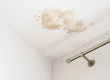
Discoloration is a classic sign. Yellow, brown, or copper-toned stains on ceilings or along baseboards often indicate that water has been present long enough to alter the material. In some McKinney homes with textured ceilings, these stains may appear as slightly darker, irregular patches rather than perfect circles. If that discoloration feels soft or crumbly to the touch, or if it expands over time, there is a strong likelihood that an active leak is feeding it from behind.
Warping and movement are also key clues. Hardwood floors that suddenly cup or buckle in one localized area, laminate planks that separate, or baseboards that pull away from the wall can all be reactions to hidden moisture. In bathrooms, you may notice tile grout darkening or loosening, or caulk lines that stay wet long after a shower. Plumbers are trained to view these cosmetic issues as potential symptoms, not just aesthetic concerns, especially when they appear near plumbing fixtures or along interior walls that carry water lines.
Temperature differences can be surprisingly revealing. Running your hand along a wall and feeling one section that is distinctly cooler may indicate evaporative cooling from moisture inside. Professionals use infrared cameras to visualize these temperature variations, but even without such tools, a homeowner can sometimes feel or see subtle differences. When you combine these observations with your earlier meter test, you start to build a map of where a hidden leak might be hiding.
Slab And Underground Leak Detection
In many McKinney, TX homes, water supply lines run through or under the concrete slab foundation. When one of these lines develops a leak, the water does not drip into a basement; it seeps into the soil beneath the house. Slab leaks can be among the most destructive and expensive types of hidden leaks because they can undermine the foundation over time and are often difficult to spot in the early stages.
One common sign of a slab leak is a warm or wet spot on a hard surface floor. If a section of tile, concrete, or even carpeted floor feels noticeably warmer than the surrounding area, it may be above a leaking hot water line. Conversely, persistent dampness, dark spots, or mildew-like odors in a specific section of floor can indicate a leak in a cold-water line. In some cases, homeowners also report hearing a faint rushing sound under the floor, especially at night.
Another indicator is the behavior of your foundation and flooring. Cracks in walls or floors are not always caused by plumbing issues, but when new cracks appear in conjunction with other leak symptoms, it raises suspicion. You might also see your flooring separate at thresholds or notice doors sticking in certain seasons. Because North Texas soil is already prone to movement, extra moisture from a slab leak can accelerate shifting, making early detection crucial.
Professional plumbers use specialized tools for slab and underground leaks, including acoustic listening devices that amplify the sound of water escaping from pressurized lines. They may also perform isolation tests, capping certain sections of piping and monitoring pressure to determine which run contains the leak. Companies like Sewell Plumbing then use this information to plan the least invasive repair possible, whether that is spot repair, rerouting a line, or in some cases, repiping a section of the home.
Advanced Tools Plumbers Rely On
While homeowners can catch many signs of hidden leaks through observation and basic meter tests, professional plumbers bring an additional layer of precision with specialized equipment. These tools are designed to locate leaks accurately, reduce unnecessary damage to walls and floors, and confirm the source of moisture before any major work begins. Understanding what these tools do can help you appreciate why calling a pro often saves time and money.
Acoustic leak detectors are among the most common tools for pressurized water lines. They use sensitive microphones and amplifiers to pick up the sound of water escaping under pressure, even through concrete or deep in walls. By moving the sensor along the suspected pipe path and listening for changes in pitch and volume, a plumber can zero in on the leak’s location. This technique is especially valuable in slab leak situations, where guessing wrong can mean breaking concrete in the wrong place.
Infrared cameras are another powerful tool in the leak-detection arsenal. These devices read surface temperatures and display them as color images, allowing plumbers to see patterns that the eye cannot. A cold water leak behind a wall may show up as a cooler, darker patch on the camera, while a hot water leak might appear warmer. In McKinney’s hot climate, where attic and wall temperatures fluctuate significantly, an experienced plumber knows how to interpret these patterns correctly and distinguish a true leak from normal temperature variation.
Moisture meters, borescopes, and pressure-testing equipment round out the toolkit. Moisture meters measure the water content of building materials, helping confirm whether a stained area is truly wet or just discolored. Borescopes are small cameras on flexible cables that can be inserted through tiny holes to inspect inside walls or under tubs. Pressure tests allow plumbers to seal off sections of piping and monitor whether pressure holds steady or drops, indicating a leak. At Sewell Plumbing, these methods are often used in combination to provide a clear, confident diagnosis before any repair plan is proposed.
When To Call A Professional
Not every hidden leak requires an immediate emergency call, but waiting too long can turn a manageable repair into a major restoration project. If your water meter test confirms usage when all fixtures are off, or if you see expanding stains, warping, or persistent dampness, it is wise to contact a licensed plumber promptly. The cost of professional leak detection in McKinney is almost always less than the long-term cost of structural damage, mold remediation, and inflated water bills.
You should also call a professional if you suspect a slab leak, notice warm spots on concrete floors, or hear water running under the house. These scenarios are difficult and sometimes dangerous to tackle on your own. A trained plumber can assess whether the leak is in a hot or cold line, determine its approximate location, and recommend the most appropriate repair method. In some cases, they can even provide temporary solutions to minimize damage while a permanent fix is scheduled.
Another clear trigger for professional help is repeated moisture problems in the same area. If you have repaired drywall or flooring more than once and the problem keeps returning, the underlying leak has likely never been fully resolved. Rather than patching symptoms, a plumber will investigate the source, using the tools and techniques described earlier. For McKinney homeowners, building a relationship with a local company like Sewell Plumbing means you have a trusted resource who understands local construction styles, soil conditions, and common plumbing layouts.
Finally, consider the age of your plumbing system. Older galvanized or polybutylene pipes are more prone to leaks and failures. If your home falls into that category and you begin to see multiple small leaks, it may be time for a broader evaluation rather than piecemeal repairs. A professional can help you weigh the pros and cons of targeted fixes versus more comprehensive solutions, such as partial repiping or rerouting vulnerable lines.
Frequently Asked Questions
How can I tell if a leak is inside my house or in the yard? Start with your water meter test. Turn off all indoor fixtures and appliances, but leave your irrigation system shutoff valve open. If the meter continues to move, the leak could be indoors or in the irrigation system. Next, close the irrigation shutoff valve and repeat the test. If the movement stops, the leak is likely in the yard or sprinkler lines. If it continues even with irrigation off, the problem is probably in the home’s internal plumbing or under the slab. A plumber can further isolate the leak by testing specific lines.
Are small hidden leaks really that serious? Even a slow, pinhole leak can cause significant damage over time. Constant moisture can rot wood framing, weaken drywall, and create an ideal environment for mold growth. In McKinney’s warm climate, mold can spread quickly once it has a moisture source. Small leaks also waste treated water, increasing your utility bills month after month. Addressing a tiny leak early is almost always cheaper and less disruptive than waiting until it causes visible structural or air-quality issues.
Can I use leak detection gadgets I see online instead of calling a plumber? Consumer leak detectors, such as smart sensors placed under sinks or near water heaters, can be helpful early-warning devices. They may alert you to pooling water or unusual flow patterns. However, they are not a substitute for professional leak detection when the source is hidden in walls, ceilings, or slabs. These devices cannot interpret building construction, soil conditions, or complex piping layouts the way an experienced plumber can. For simple, accessible leaks they are useful; for anything more complex, they should be viewed as supplements, not replacements, for professional expertise.
What should I do first if I suspect a major hidden leak? If you believe a significant leak is occurring – for example, you hear loud rushing water, see rapid flooding, or notice a sudden drop in water pressure – your first step is to locate and close the main shutoff valve to the house. This valve is usually near where the water line enters the home or at the meter box. Shutting off the water limits additional damage. Once the water is off, contact a licensed plumber in your area. For non-emergency but urgent concerns, you can still perform the water meter test and document any visible signs to share with the plumber when they arrive.
How can I find a reliable plumber for leak detection in McKinney, TX? Look for a licensed, insured plumbing company with specific experience in leak detection and repair. Ask whether they use acoustic equipment, infrared cameras, and pressure testing, and whether they can provide references for similar projects. Local familiarity is a big advantage; a company like Sewell Plumbing that regularly works in McKinney understands common slab issues, neighborhood construction types, and city code requirements. If you are searching online, you might start with a phrase like Emergency plumber near me and then evaluate companies based on reviews, credentials, and their willingness to explain options clearly before starting work.