The first hint was a warm spot on the living room floor. No visible water, no dripping sounds, just a patch of tile that stayed oddly warm no matter how low the thermostat was set. A few weeks later, the water bill inched higher, and faint hairline cracks began to appear in the slab near the back door. By the time the homeowner in McKinney, TX called Sewell Plumbing, the slab leak had quietly been at work for months, eroding soil, stressing the foundation, and threatening thousands of dollars in structural damage.
Stories like this are more common in North Texas than most people realize. Slab leaks are not dramatic like a burst pipe spraying water across the kitchen; they are subtle, slow, and often hidden beneath concrete where you cannot see them. Yet they can be just as destructive, and in some cases even more expensive to repair if they are ignored. Professional plumbers who work daily in communities like McKinney develop a kind of instinct for these hidden leaks, combining advanced tools with practical experience to find and fix problems before they spiral out of control.
Understanding slab leak repair from a professional’s perspective helps homeowners make better decisions. It explains why a plumber might recommend one repair method over another, why accurate leak detection matters as much as the repair itself, and why rushing to the cheapest option can be a costly mistake. In the sections that follow, we will unpack what seasoned technicians at Sewell Plumbing look for, how they diagnose slab leaks under McKinney homes, and what repair strategies actually protect your foundation and plumbing system for the long term.
What A Slab Leak Really Is
In simple terms, a slab leak is a leak in a water line that runs beneath or within a home’s concrete foundation. In McKinney, many homes are built on slab foundations with water supply and sometimes return lines routed through or under that concrete. When one of those pipes fails, the water has nowhere to go but into the surrounding soil and concrete. Over time, the constant moisture can soften soil, cause sections of the slab to shift, and create cracks that telegraph up into floors and walls.
Professionally, plumbers see slab leaks as both a plumbing and structural issue. The pipe itself is the obvious problem, but the leak’s location relative to load-bearing walls, piers, and expansion joints is just as important. A small leak directly under a heavily loaded part of the slab can be more dangerous than a larger leak under a lightly loaded corner. That is why experienced technicians do not just look for water; they also evaluate how the leak interacts with the building’s structure before recommending a repair.
Slab leaks can occur in both hot and cold water lines, but in North Texas, hot water lines tend to fail more often. The constant expansion and contraction from temperature changes can stress the pipe over time, especially if the original installation left lines in direct contact with rough concrete. Copper lines rubbing against concrete, chemical reactions in the soil, and even minor installation defects from decades ago can all contribute to eventual failure. From a professional standpoint, a slab leak is rarely just “bad luck”; it is usually the end result of several contributing factors.
Early Warning Signs Professionals Watch For
Homeowners often ask how they are supposed to recognize a slab leak when they cannot see the pipes. Plumbers in McKinney rely on a combination of homeowner observations and diagnostic clues that show up in the home long before there is standing water. One of the earliest signs is an unexplained increase in the water bill. When usage habits have not changed but the bill climbs steadily, a hidden leak is always on the list of suspects.
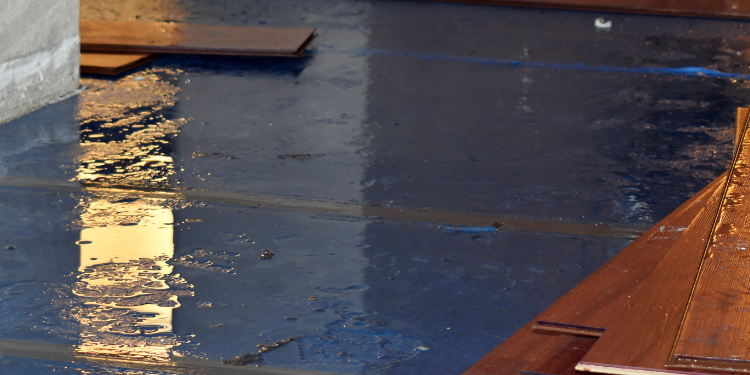
Another common clue is the presence of warm or damp spots on flooring. If hot water lines are leaking, the heat can conduct upward through the slab and into tile, wood, or even carpet, creating localized warm areas. In some cases, flooring may warp or cup, especially engineered wood and laminate. Experienced technicians at Sewell Plumbing will ask very specific questions about where these spots are, how long they have been present, and whether they change throughout the day, because those details can narrow down the probable leak zone.
Structural symptoms are what really catch a professional’s attention. New cracks in tile, widening gaps at baseboards, doors that start sticking, or sections of floor that feel slightly “spongy” can indicate that the slab is moving. While not every crack means there is a slab leak, plumbers are trained to treat these signs seriously, especially when paired with moisture or high water usage. The earlier a homeowner in McKinney calls when they notice such changes, the more options there usually are for minimally invasive repair.
How Pros Diagnose Slab Leaks
From the outside, slab leak detection might look like guesswork, but professional diagnosis is highly systematic. The first step is always to confirm whether there is an active leak in the pressurized plumbing system. Plumbers will typically isolate the house from the municipal supply, pressurize the system, and watch a gauge for pressure loss. A steady drop in pressure with all fixtures shut off is a strong indicator that water is escaping somewhere in the system.
Once a leak is confirmed, the next challenge is pinpointing its location without tearing up half the house. This is where technology and experience intersect. Acoustic leak detection equipment allows technicians to “listen” through the slab, identifying the distinct sound signature of pressurized water escaping a pipe. The sound travels differently through concrete, soil, and pipe, and a trained ear can distinguish between normal flow noise and a leak. This process often involves moving systematically through rooms, using headphones and sensitive microphones to triangulate the source.
In addition to acoustic tools, professionals may use infrared cameras to detect temperature differences in the slab, especially for hot water leaks. Tracer gases, electronic line locators, and sometimes small inspection holes are used to verify the pipe path and leak location. At Sewell Plumbing, technicians combine these tools with knowledge of typical plumbing layouts in McKinney neighborhoods, since many subdivisions were built in phases with similar piping designs. The goal is to mark the leak area as precisely as possible to minimize demolition and speed up repair.
Choosing The Right Repair Method
Once the leak is located, the next professional decision is how best to fix it. There is rarely a single “right” method for every situation; instead, plumbers evaluate several factors: the age and material of the existing pipes, the overall condition of the plumbing system, the location of the leak relative to walls and load-bearing areas, and the homeowner’s long-term plans for the property. A good plumber in McKinney will walk homeowners through the pros and cons of each option, not just push the quickest fix.
One common approach is direct access repair. This method involves cutting through the slab and flooring directly above the leak, exposing the damaged section of pipe, and repairing or replacing it. Direct access is often the most straightforward for a localized, isolated leak when the surrounding plumbing appears to be in good condition. However, it requires careful planning to avoid damaging structural components and to ensure proper backfilling and concrete patching so that the slab remains stable.
Another option is rerouting or bypassing the leaking line. Instead of opening the slab, plumbers may run new piping through walls, ceilings, or attics to replace the failed section entirely. This approach is especially attractive when the existing pipe network under the slab is aging or has a history of multiple leaks. From a professional standpoint, rerouting can offer a more durable solution because future access is easier and the new lines are not encased in concrete. However, it requires thoughtful design to protect the new lines from freezing, overheating, and mechanical damage.
Pros And Cons Of Different Repairs
Direct access repair has the advantage of addressing the problem right where it occurs. When the rest of the under-slab piping is relatively new and sound, this can be both cost-effective and efficient. The downside is disruption inside the home: noise, dust, removal of flooring, and the need for concrete and finish repairs afterward. In some cases, homeowners also worry about the long-term integrity of the patched slab, which is why reputable companies like Sewell Plumbing take extra care with compaction, moisture barriers, and concrete mix when closing the access hole.
Rerouting, on the other hand, typically avoids cutting the slab, but may involve opening walls, soffits, or ceilings. The aesthetic impact shifts from the floor to vertical surfaces, and in some homes, this is easier to conceal and repair. For older homes in McKinney with galvanized or thin-walled copper under the slab, rerouting can be a strategic choice to gradually migrate the plumbing system out of the concrete. The main tradeoff is that the initial cost might be higher than a simple spot repair, but the long-term risk of repeat leaks under the slab is significantly reduced.
There are also epoxy lining and in-place restoration methods marketed as “no-dig” solutions. While these can be appropriate in certain commercial or multi-unit settings, experienced residential plumbers are cautious about using them for every slab leak. Access, pipe condition, water quality, and code compliance all play roles in whether lining is a good idea. A seasoned professional will explain why a particular property is or is not a good candidate, rather than treating lining as a one-size-fits-all fix. The most important insight is that the cheapest or least disruptive method today is not always the wisest choice over the lifespan of the home.
Protecting Your Foundation And Home
From a professional standpoint, repairing the leak is only part of the job; protecting the home’s foundation and indoor environment is just as critical. Prolonged moisture under a slab can cause soil heaving or settlement, which in turn leads to cracks in walls, misaligned doors, and even roof stress. After a slab leak repair, a conscientious plumber will often recommend monitoring for continued movement and may suggest consulting a foundation specialist if significant structural changes have already occurred.
Inside the home, moisture from slab leaks can elevate humidity, encourage mold growth, and damage flooring materials. When Sewell Plumbing completes a repair in McKinney, technicians often discuss follow-up steps such as drying the affected area, replacing compromised insulation, and evaluating any musty odors or visible mold. Addressing these issues promptly can prevent secondary damage that might show up months later, long after the plumbing repair is complete.
Preventive measures are another key professional insight. Regularly reviewing water bills, listening for continuous running water when fixtures are off, and being attentive to changes in flooring or foundation behavior can help catch problems early. In some cases, adding a whole-house leak detection system or smart water shutoff valve provides an extra layer of protection, especially for homeowners who travel frequently. Plumbers who work with slab leak repairs every day know that early detection is the single most powerful tool homeowners have to limit damage and cost.
Why Local Experience Matters In McKinney
Not all slab leaks behave the same way, and local conditions in McKinney, TX play a big role. The region’s expansive clay soils are highly sensitive to moisture changes, swelling when wet and shrinking when dry. This constant movement can stress both foundations and the pipes embedded within or beneath them. Plumbers who routinely work in this environment, like the team at Sewell Plumbing, learn to recognize patterns in how and where leaks occur in different subdivisions and construction eras.
Additionally, building practices have evolved over time. Older homes may have different pipe materials, insulation practices, and slab designs than newer construction. A plumber familiar with McKinney’s housing stock can often anticipate where under-slab lines are routed and which materials are most likely to have issues. This local knowledge speeds up diagnosis and helps in recommending repair methods that are appropriate for the specific structure, not just generic solutions pulled from a manual.
Finally, local experience extends to coordinating with other professionals when needed. If a slab leak has caused noticeable foundation movement, cooperation between plumbers, foundation repair companies, and sometimes restoration contractors becomes important. A plumber who understands local codes, typical foundation repair methods, and insurance expectations in the McKinney area can guide homeowners through the process more smoothly, reducing stress during what is often a disruptive and worrying time.
Frequently Asked Questions
How do I know if I have a slab leak in my McKinney home? Common signs include unexplained increases in your water bill, warm or damp spots on floors, the sound of running water when all fixtures are off, and new cracks in tile, walls, or the foundation. You might also notice lower water pressure or areas of the yard that stay wet. If you see any combination of these symptoms, it is wise to contact a professional plumber for testing rather than waiting for visible flooding to occur.
Is it always necessary to break the slab to fix a slab leak? No, not always. While direct access through the slab is one method, many slab leaks can be addressed by rerouting the affected line through walls, ceilings, or the attic. The best approach depends on the location of the leak, the condition of the existing pipes, and the layout of your home. An experienced plumber will evaluate all these factors and explain the pros and cons of each method before beginning work.
How long does slab leak repair usually take? The timeline varies based on the complexity of the leak and the chosen repair method. Simple direct access repairs might be completed within a day, including cutting the slab, repairing the pipe, and patching the concrete. Rerouting projects can take one to several days, especially if multiple access points are needed and finish work is involved. Your plumber should provide a realistic schedule after diagnosing the leak and selecting the repair strategy.
Will my homeowners insurance cover slab leak repair? Coverage depends on your specific policy and the cause of the leak. In many cases, insurance may help with access and restoration costs (such as opening and repairing the slab and flooring) but may or may not cover the plumbing repair itself. A local plumber like Sewell Plumbing can document the issue and provide detailed invoices, which are often helpful when you speak with your insurance company or adjuster about potential coverage.
Can slab leaks be prevented? While not every slab leak can be prevented, you can reduce your risk. Regularly check your water bill for unexplained increases, address minor plumbing issues promptly, and consider periodic plumbing inspections if your home is older or has a history of leaks. Installing a smart leak detection system or automatic shutoff valve can provide early warnings. In McKinney’s climate, maintaining consistent soil moisture around your foundation can also help reduce movement that stresses pipes and slabs. If you are searching for expert help, look for trusted Plumbing services near me with specific experience in slab leak detection and repair.