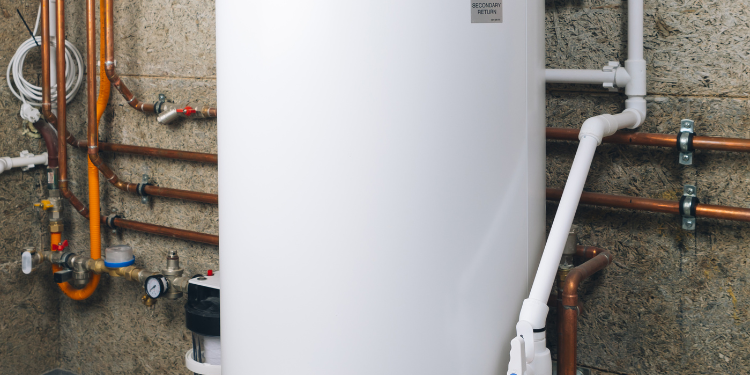
More than 25% of a typical North Texas home’s energy use goes into heating water, yet many homeowners in McKinney don’t think about their water heater until the shower turns icy. When that moment hits, the pressure to pick the right unit, size it correctly, and get it installed safely can feel overwhelming. Between confusing labels, gas vs. electric debates, and questions about permits and codes, it’s easy to feel stuck before the project even begins.
Navigating water heater installation with ease isn’t about becoming a plumbing expert overnight. It’s about understanding a few key decisions, recognizing where professional help is essential, and planning the process so you’re never left without hot water longer than necessary. With the right guidance from a local specialist like Sewell Plumbing in McKinney, TX, you can move from “panic replacement” to a smooth, well-planned upgrade that improves comfort, efficiency, and safety in your home.
This guide walks you through each phase: from choosing the right style and size of water heater, to understanding installation steps, to knowing how local codes and McKinney’s climate affect your decisions. By the end, you’ll know exactly what to expect and how to work with your plumber so the project feels manageable instead of stressful.
Understanding Your Options
The first step to an easy water heater installation is simply knowing what you’re choosing between. Most McKinney homes rely on either a traditional tank-style heater or a tankless (on-demand) unit. Tank water heaters store and heat a large volume of water, keeping it ready around the clock. Tankless systems, on the other hand, heat water only when you turn on a tap. Each style has advantages and trade-offs in terms of upfront cost, long-term efficiency, and space requirements.
Tank units are typically less expensive to purchase and install, making them a popular choice when a water heater fails unexpectedly. They come in various sizes, commonly 40–50 gallons for many homes, and can run on gas or electricity. However, they continuously maintain the water temperature, which can mean higher energy use over time. In a place like McKinney, where summers are hot but winters can still be chilly, that standby heating cost can add up.
Tankless systems are often praised for their efficiency and endless hot water, but they aren’t a one-size-fits-all solution. They may require gas line upgrades, electrical changes, or new venting, especially in older homes. That’s where a professional from Sewell Plumbing can evaluate whether your existing infrastructure can support a tankless system or whether a high-efficiency tank unit might be a better, more cost-effective fit for your particular house and family habits.
Beyond tank vs. tankless, you’ll also need to consider fuel type: natural gas, propane, or electric. In McKinney, natural gas is common and often the most economical choice, but not every home is set up the same way. Evaluating your current utility connections, breaker panel capacity, and venting is essential to avoid costly surprises later in the installation process.
Choosing The Right Size
Few things are more frustrating than spending money on a new water heater only to discover it can’t keep up with your household. Proper sizing is one of the most critical steps in navigating installation smoothly. For tank-style heaters, this means matching the tank capacity to your home’s “peak hour demand” – essentially, how much hot water you use during the busiest time of day.
Consider a typical morning in a McKinney household: two showers, a load of laundry, and maybe the dishwasher running before everyone heads out. If your tank is too small, you’ll experience temperature drops and recovery delays. If it’s too large, you’re paying to keep more water hot than you actually need. A plumbing professional can calculate your peak usage by looking at the number of occupants, bathrooms, and your routine, then recommend the right gallon size.
For tankless systems, sizing focuses on flow rate (gallons per minute) and temperature rise. The system must be able to deliver enough hot water at once for all the fixtures you might realistically use together. In North Texas, groundwater temperatures can vary seasonally, which affects how hard the water heater has to work to reach a comfortable output temperature. That’s why a local expert like Sewell Plumbing, familiar with McKinney’s water conditions, is valuable for accurate sizing.
Families that plan to grow, add bathrooms, or install features like soaking tubs or body-spray showers should factor those future needs into their decision. It is often more cost-effective to size for realistic near-future demand now than to replace or heavily modify your water heating system a few years down the line.
Preparing Your Home For Installation
Once you’ve selected a unit, a smooth installation depends on preparation. The first item is assessing the current location of your water heater. In McKinney, many are installed in garages, attics, or utility closets. Each location has different requirements for venting, drainage, and access. For instance, attic installations may require additional safety measures, drain pans, and properly routed drain lines to prevent damage in case of leaks.
Your plumber will check the existing water lines, gas lines or electrical connections, venting, and the condition of the surrounding area. Older installations may not meet current code, particularly regarding seismic strapping, combustion air, or clearance from flammable materials. Bringing everything up to code during a replacement protects your home and ensures the new unit operates safely and efficiently.
Permits and inspections are another important piece of preparation. McKinney, like many Texas cities, has specific code requirements for water heater installations, especially for gas units. A reputable company such as Sewell Plumbing will handle the permitting process, schedule inspections if required, and ensure that all work passes local standards. This not only protects you from safety risks but also helps maintain your home’s value if you decide to sell.
Homeowners can help the process go smoothly by clearing access to the water heater area, making space in garages or closets, and planning for water shut-off time. While professional installers work to minimize disruption, you will typically be without hot water for a portion of the day. Knowing this in advance allows you to plan showers, laundry, and dishes around the installation schedule.
What Actually Happens On Install Day
Understanding the installation steps removes much of the anxiety. On the day of installation, your plumber will start by shutting off water, gas, or power to the existing heater. Then they’ll drain the old tank (if applicable), disconnect it from the plumbing and utilities, and carefully remove it from your home. This can be more involved in tight spaces like attics or closets, where maneuvering the old tank out without damaging walls or flooring requires experience.
Next, the installer will prepare the area for the new unit. This may include setting a new stand or platform, installing or upgrading the drain pan, adjusting gas lines or electrical connections, and verifying that venting meets current code. For tankless systems, there may be additional mounting, venting, and line-size adjustments to ensure the unit receives enough gas or electrical power to operate properly.
Once the new water heater is in place, the plumber connects the water supply lines, gas or electrical lines, and venting. They will also install any necessary expansion tanks, shut-off valves, and safety devices like temperature and pressure relief valves. After everything is connected, the system is filled with water, checked carefully for leaks, and then powered on for testing.
Thorough testing is critical. Your installer should verify proper ignition (for gas units), confirm there are no gas leaks, check flue performance, and ensure the thermostat or control panel is set correctly. They’ll typically run hot water at several fixtures to confirm consistent temperature and flow. A company that takes pride in its work, like Sewell Plumbing, will also walk you through basic operation, show you how to adjust temperature safely, and point out any maintenance tasks you should be aware of.
Safety, Efficiency, And Local Codes
Water heater installation isn’t just a matter of hooking up pipes. It involves combustion safety, electrical work, and pressure management, all of which are governed by building codes and manufacturer specifications. In McKinney, these codes are in place to protect against carbon monoxide buildup, gas leaks, scalding, and water damage. Skipping or shortcutting these requirements can lead to serious hazards and costly repairs.
For gas units, proper venting is one of the most critical aspects. Vent pipes must be sized and routed correctly to allow combustion gases to exit the home safely. Poor venting can cause back-drafting, where exhaust gases, including carbon monoxide, flow back into the living space. A licensed plumber will verify draft performance and adhere to clearance requirements around combustible materials.
Efficiency is another key concern. Newer water heaters are significantly more efficient than older models, but only if installed correctly. Insulating hot water lines, setting the thermostat to a safe but efficient temperature (often around 120°F), and ensuring proper combustion or electrical connections all contribute to real-world performance. In the long run, a professional installation by a local expert can save far more on utility bills than cutting corners with a quick, substandard job.
Because McKinney experiences both high summer heat and cooler winter nights, your installer may also discuss optional upgrades like recirculation systems to reduce wait time for hot water, or insulation strategies to minimize heat loss from pipes running through unconditioned spaces like garages and attics. These details can significantly improve comfort while also reducing waste.
Working With A Local Professional
One of the easiest ways to navigate water heater installation is to choose the right partner. A local company like Sewell Plumbing, which regularly works in McKinney, TX homes, understands typical construction styles, common plumbing layouts, local code requirements, and regional water quality. That local familiarity speeds up diagnosis, helps avoid surprises, and ensures your installation is tailored to how homes in this area are actually built.
When you contact a professional, expect more than just a price quote. A thorough plumber will ask about your family size, hot water habits, future renovation plans, and any past problems you’ve had with hot water. They may recommend specific brands or models that have performed well in local conditions, and they’ll be upfront about whether your desired setup requires additional work, such as gas line upsizing or electrical panel upgrades.
Communication is vital. Don’t hesitate to ask how long the job will take, what happens to the old unit, and what kind of warranty is provided on both the equipment and the labor. A reputable company will explain each step clearly, provide a written estimate, and outline exactly what is and isn’t included. That clarity is what turns a potentially stressful replacement into a straightforward home improvement project.
After installation, having an ongoing relationship with a local plumber is valuable. They can handle annual checkups, flushes for tank units, descaling for tankless systems, and repairs if anything goes wrong. Knowing you have a trusted team to call makes the entire life cycle of your water heater easier, not just the installation day.
Frequently Asked Questions
How long does a typical water heater installation take? Most standard tank water heater installations in McKinney can be completed within 3 to 5 hours, assuming the replacement is similar to the existing unit and no major code upgrades are needed. Tankless installations or projects that require gas line, venting, or electrical modifications may take most of the day. A professional like Sewell Plumbing will provide a time estimate in advance so you can plan around the brief interruption in hot water service.
Do I really need a permit for a water heater replacement? In many cases, yes. Local codes in cities like McKinney, TX often require permits and inspections for water heater installations, especially for gas units. Permits ensure that the work is done safely and complies with current standards. A licensed plumber will typically handle this process on your behalf, schedule any necessary inspections, and make any adjustments required by the inspector.
Should I switch from a tank to a tankless water heater? That depends on your home, your budget, and your expectations. Tankless systems offer benefits like on-demand hot water and higher efficiency, but they often involve higher upfront costs and potential infrastructure changes. If your home’s gas line, venting, or electrical service needs upgrading, that adds to the project. A professional evaluation from a local expert can help you compare the long-term savings and performance of tankless versus a high-efficiency tank unit, so you can choose what fits your situation best.
How can I make my new water heater last longer? Regular maintenance is the key. For tank-style heaters, flushing the tank periodically helps remove sediment that can reduce efficiency and shorten lifespan, especially in areas with harder water. Checking the anode rod, inspecting the temperature and pressure relief valve, and ensuring proper venting and combustion are also important. Tankless units benefit from descaling and filter cleaning. Partnering with a trusted local plumber for routine service helps catch small issues before they become major problems.
Can I install a water heater myself to save money? While it may be tempting, DIY water heater installation carries significant risks. Gas leaks, improper venting, incorrect electrical connections, and code violations can lead to safety hazards, property damage, and voided warranties. In many cases, incorrect installation also fails local inspections. Working with a licensed professional like Sewell Plumbing ensures that your unit is installed safely, efficiently, and in compliance with McKinney’s codes, often saving you money and stress in the long run. For broader home plumbing needs, you can also explore local plumbing Services to keep your entire system in top shape.