Water damage in a home rarely starts with a dramatic burst pipe. More often, it begins with something subtle: a faint hissing in the wall, a water bill that seems a little too high, or a small discolored spot on the ceiling that slowly grows. By the time obvious signs appear, the leak has usually been wasting water, damaging building materials, and potentially encouraging mold growth for weeks or even months. That is why effective leak detection is less about reacting to puddles and more about catching problems in their earliest, most manageable stages.
Best practices for leak detection combine technology, methodical inspection, and everyday homeowner awareness. In a fast-growing area like McKinney, TX, where homes range from new construction to older properties with aging plumbing, those best practices can make the difference between a quick repair and a major restoration project. Sewell Plumbing has seen both ends of that spectrum: small pinhole leaks caught early with minimal damage, and long-running slab leaks that required extensive work because warning signs were missed. The good news is that with a smart approach, most leaks can be found and fixed before they become financial and structural headaches.
This guide walks through practical, real-world strategies for effective leak detection, from simple checks any homeowner can do to the advanced tools professionals use in the field. Whether you live in a newer subdivision or an older McKinney neighborhood with mature trees and shifting soil, understanding these best practices will help you protect your home, control your water costs, and avoid the disruption of major plumbing failures.
Know The Early Warning Signs
Effective leak detection always starts with awareness. Long before you see standing water, your home will often send subtle signals that something is wrong. One of the most common clues is an unexplained increase in your water bill. If your household habits have not changed but your usage has climbed, it is worth assuming a hidden leak until you can prove otherwise. In McKinney, where seasonal irrigation can already drive water use up, comparing your current bill to the same month last year can help you spot abnormal patterns.
Another early warning sign is sound. When the house is quiet at night, you might hear a faint hissing, whooshing, or dripping behind walls or under floors. Many homeowners ignore these noises, assuming they are part of normal house “settling,” but a steady, unexplained sound often points to a pressurized line leaking continuously. Listening intentionally in bathrooms, near the water heater, and along exterior walls can sometimes reveal issues long before visible damage appears.
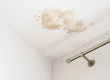
Visual cues, though sometimes late, are still important. Stains on ceilings, bubbling paint, warped baseboards, or damp spots on flooring are all red flags. In slab-on-grade homes common in McKinney, warm spots on tile or concrete flooring may indicate a hot water line leaking beneath the slab. Musty odors in specific rooms or closets can also signal moisture trapped behind walls. When Sewell Plumbing technicians investigate leaks, they often start by asking homeowners about any of these small but telling changes in the home’s appearance and feel.
Use Your Water Meter As A Detective Tool
One of the simplest and most reliable best practices for leak detection involves your water meter. It is essentially a built-in diagnostic tool that can confirm whether water is moving through your system when everything is supposed to be off. To use it effectively, first turn off all water fixtures and appliances in the home, including irrigation, washing machines, dishwashers, and any automatic filters or softeners that might be running.
Once everything is off, go to your water meter, which is typically located near the street in a ground box in McKinney neighborhoods. Many meters have a small triangular or star-shaped “leak indicator” that spins when even a tiny amount of water is flowing. If nothing in the house is on and that indicator is still moving, you almost certainly have a leak somewhere in your plumbing system. Even if there is no leak indicator, you can record the meter reading, wait 30–60 minutes without using any water, and check again for changes.
This meter test will not tell you exactly where the leak is, but it helps you distinguish between a real plumbing issue and something like an inaccurate bill or seasonal usage increase. When Sewell Plumbing responds to suspected leaks in McKinney homes, technicians often repeat this test as a first step, then use the results to decide whether to focus on the house plumbing, irrigation system, or service line between the meter and the house. Homeowners who learn to do this test themselves can catch problems much earlier and call for help with clear, useful information.
Differentiate Indoor, Outdoor, And Slab Leaks
Not all leaks behave the same way, and best practices for detection change depending on the type. Indoor leaks, such as those in supply lines, fixtures, or appliances, often leave visible or audible signs inside the living space. Outdoor leaks, particularly in irrigation systems or the main line from the street, may show up as soggy patches in the yard, unusually green or fast-growing grass in specific areas, or low water pressure in the home. Slab leaks, which occur in pipes running under the concrete foundation, can be the most difficult for homeowners to pinpoint without professional help.
To narrow down the location, you can use a process of elimination. If your meter test indicates a leak, first shut off the main valve to the house while leaving the irrigation system powered and the meter on. If the meter stops moving, the leak is likely inside the home. If it continues, the issue may be in the yard, service line, or irrigation piping. For homes in McKinney with extensive sprinkler systems, this simple step can save hours of guesswork.
Slab leaks require special attention because they can undermine your foundation over time. Common indicators include warm or damp spots on hard floors, cracks in walls or flooring that worsen unexpectedly, or the sound of running water when no fixtures are on. In many cases, the leak itself is not visible at all. Sewell Plumbing uses specialized equipment, such as acoustic listening devices and thermal imaging, to locate the exact section of pipe under the slab that has failed. Attempting to guess and break concrete without these tools is one of the costliest mistakes a homeowner or untrained handyman can make.
Leverage Professional Leak Detection Technology
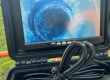
Modern leak detection has advanced far beyond guesswork and cutting open walls. Professional plumbers in McKinney, like Sewell Plumbing, rely on a suite of tools designed to locate leaks with precision and minimal disruption. One of the most widely used technologies is acoustic leak detection. By using highly sensitive microphones and amplifiers, technicians can “listen” through floors, walls, and slabs to pinpoint the exact area where pressurized water is escaping and creating turbulence.
Thermal imaging cameras are another powerful tool, especially for hot water leaks. These cameras detect temperature differences on surfaces, allowing a plumber to see patterns of warmth or cooling that indicate moisture movement behind walls or under floors. For example, a hot water slab leak may appear as a distinct warm trail across an otherwise cool slab, helping the technician target a small area instead of breaking large sections of concrete.
In some situations, especially when dealing with complex piping layouts, plumbers may use tracer gas or electronic line locators. Tracer gas involves filling the plumbing system with a safe, light gas mixture that can escape through even tiny openings; specialized sensors then detect where the gas is coming out. Electronic line locators help map where pipes run under floors or in yards so that any necessary access points can be chosen strategically. These technologies, used correctly, reduce guesswork, limit damage to finished surfaces, and speed up the repair process.
Adopt Preventive Inspection Habits
While advanced tools are critical for finding hidden leaks, one of the most effective best practices is simply making routine inspection part of your home maintenance. A few minutes every month can prevent expensive surprises later. Start by visually inspecting under sinks, around toilets, behind washing machines, and near water heaters. Look for corrosion on shutoff valves, moisture around fittings, and any sign of rust, mineral buildup, or staining that suggests slow seepage.
In McKinney’s climate, where temperature swings and shifting clay soil can stress plumbing systems, outdoor inspections matter as well. Walk your yard periodically, especially after irrigation runs, and note any areas that remain soggy, have standing water, or grow greener than surrounding grass. Check around hose bibs, pool equipment, and outdoor kitchens. These exterior points often receive less attention than indoor fixtures, yet they are frequent sources of leaks and wasted water.
Scheduling periodic professional inspections is another smart preventive measure. Having a plumber like Sewell Plumbing perform a comprehensive assessment every couple of years can uncover issues you might never see on your own, such as early-stage slab leaks, deteriorating supply lines, or failing shutoff valves. During these visits, technicians can also test water pressure, which is an important factor in leak prevention. Excessively high pressure puts stress on pipes, joints, and appliances and is a common contributor to sudden leaks and failures.
Respond Quickly And Repair Correctly
Finding a leak is only half the battle. How you respond once a leak is discovered has a major impact on the total cost and disruption. The first best practice is speed: once you suspect an active leak, do not wait to see if it gets worse. Turn off the water supply to the affected area or the entire house if necessary, and contact a qualified plumber. In McKinney, where many homes share similar construction types, a small leak can quickly migrate through wall cavities or under flooring if left pressurized.
The second best practice is to avoid temporary “band-aid” fixes that do not address the underlying problem. Wrapping a leaking pipe with tape or patching a wet ceiling without resolving the source may hide symptoms for a short time, but the water will usually find another path. Proper repairs often require replacing sections of pipe, updating outdated materials, or rerouting lines to avoid recurring stress points. Sewell Plumbing places a strong emphasis on long-term solutions rather than quick patches, because repeat leaks in the same area often end up costing homeowners far more in the long run.
Finally, be thorough about moisture remediation after a leak. Even a well-repaired pipe can leave behind damp materials that support mold growth if they are not dried correctly. Use fans and dehumidifiers, remove and replace saturated insulation or drywall when necessary, and do not ignore persistent musty smells. Coordinating leak detection, repair, and proper drying as one integrated process is the best way to protect both your home’s structure and your indoor air quality.
Frequently Asked Questions
How can I tell if a leak is serious enough to call a plumber? Any leak that is continuous, affects your water pressure, raises your water bill noticeably, or creates visible damage is serious enough to warrant professional attention. Even a slow drip behind a wall can cause structural and mold issues over time. If your water meter shows flow when everything is off, or if you hear running water with no fixtures on, you should call a plumber like Sewell Plumbing promptly. It is almost always cheaper to investigate early than to wait until obvious damage appears.
Are slab leaks common in McKinney, TX? Slab leaks are not rare in areas with expansive clay soil and slab-on-grade construction, both of which are common in and around McKinney. Soil movement, age of the home, and water chemistry can all contribute to pipe failures under the slab. While not every home will experience a slab leak, the risk is significant enough that unexplained warm floors, higher water bills, or sounds of running water should be taken seriously. Professional leak detection equipment is usually needed to confirm and locate a slab leak accurately.
Can I use leak detection devices as a homeowner? Yes, there are several consumer-level devices that can help you monitor for leaks. Smart water monitors can attach near your main line and track flow patterns, sending alerts to your phone if unusual usage is detected. Simple moisture sensors can be placed under sinks, near water heaters, or by washing machines to warn you of pooling water. These tools are not a replacement for professional leak detection, but they are excellent for early warning and can complement the best practices you and your plumber follow.
How often should I inspect my plumbing for leaks? A quick visual and auditory check once a month is a practical routine for most homeowners. This includes looking under sinks, around toilets, and near appliances, as well as walking your yard to spot soggy areas or unusual plant growth. A more detailed professional inspection every couple of years is advisable, especially for older homes or properties that have had previous leak issues. In growing communities like McKinney, building movement and increased demand on infrastructure make regular checks a wise investment.
What should I look for when choosing a plumber for leak detection? Look for a licensed, insured plumber with specific experience and equipment for leak detection, not just general plumbing repairs. Ask whether they use acoustic listening devices, thermal imaging, or other non-invasive methods to locate leaks. Local experience in McKinney is valuable because soil conditions, construction styles, and common piping materials all influence how leaks develop and how best to find them. Sewell Plumbing, for example, combines local knowledge with modern technology to provide precise, minimally invasive leak detection for homeowners searching for Plumbers near me.