When a water bill suddenly spikes, a ceiling stain appears overnight, or a slab feels mysteriously warm underfoot, the real problem usually started weeks or months earlier. Hidden leaks rarely announce themselves loudly at first; they creep in quietly, wasting water, weakening structures, and inviting mold. That is why the role of plumbers in leak prevention matters so much right now, especially in fast-growing communities like McKinney, TX, where homes are being built, remodeled, and pushed hard by Texas weather extremes. Preventing leaks is not just about fixing drips; it is about protecting the long-term health of a home and the people living in it.
In North Texas, plumbing systems are constantly under stress from shifting soil, temperature swings, and high water usage. Tiny issues that seem harmless today can turn into serious damage tomorrow if they are not identified early and handled correctly. Professional plumbers, like the team at Sewell Plumbing in McKinney, TX, are not just repair technicians; they are system detectives and risk managers. Their work in leak prevention helps homeowners avoid structural damage, unexpected emergencies, and the financial shock of major water loss or insurance claims.
While many homeowners focus on visible plumbing fixtures like faucets and toilets, most of the plumbing system is hidden behind walls, under floors, and beneath the yard. That is where professional plumbers make the biggest difference. They use training, experience, and specialized tools to anticipate where leaks are likely to develop, correct installation flaws, and design systems that stay reliable for years. Understanding this preventive role helps homeowners see plumbing service as an investment in peace of mind, not just a reaction to a crisis.
Beyond Fixing Drips
Most people call a plumber when something has already gone wrong: a pipe bursts, a faucet will not shut off, or water appears where it clearly does not belong. But a large part of a plumber’s work, especially for a service-focused company like Sewell Plumbing in McKinney, TX, happens long before a true emergency. Preventive leak work starts with understanding how water moves through a home and where weaknesses are likely to form. Plumbers assess the age, material, and layout of pipes, fittings, and fixtures to identify vulnerable spots before they fail.
For example, a small, slow drip under a sink can be caused by a loose connection, a worn washer, or a poorly supported pipe that is slowly pulling away from its fitting. To a homeowner, it may look like a simple tightening job. To a trained plumber, it can be a clue that the entire run of pipe is under stress or that water pressure is too high. Addressing the underlying cause is what prevents that drip from turning into a leak that destroys cabinets, flooring, or drywall. This mindset of looking beyond the symptom to the system is at the heart of leak prevention.
Professional plumbers also recognize that not all leaks are visible. Slab leaks beneath the foundation, pinhole leaks inside walls, and failing connections in attics can all exist for a long time before leaving obvious signs. By listening to customer concerns, reviewing water bills, and using diagnostic tools, plumbers can track down hidden issues that are quietly wasting hundreds or thousands of gallons of water. That proactive approach turns a potential catastrophe into a manageable, early-stage repair.
Inspection And Early Detection
One of the most powerful tools in leak prevention is a thorough plumbing inspection. During an inspection, a plumber methodically checks key parts of the system: supply lines, drain lines, shutoff valves, water heater connections, and visible fixtures. In McKinney, TX, where many homes mix older plumbing with newer additions or remodels, these inspections can uncover mismatched materials, outdated connections, or DIY repairs that are prone to failure. Sewell Plumbing technicians use inspections as a way to map out the health of a home’s plumbing and create a plan to reduce leak risks over time.
Modern leak detection goes far beyond simply looking for wet spots. Plumbers use moisture meters, pressure gauges, thermal imaging, and acoustic listening devices to detect leaks that cannot be seen with the naked eye. For instance, a slight drop in water pressure over time, combined with a warm area on a slab floor, can point toward a hot water line leak beneath the foundation. Thermal imaging can reveal temperature differences behind walls that suggest moisture, even when the paint and drywall still look perfect. These tools allow plumbers to pinpoint problems with minimal disruption to the home.
Routine inspections become especially important after major weather events, such as a hard freeze or a period of drought, both of which are common in North Texas. Freezing temperatures can stress pipes, and shifting soil can strain underground lines. By scheduling regular checkups with a local professional like Sewell Plumbing, homeowners in McKinney can catch early warning signs—tiny cracks, corrosion, or loose fittings—before they turn into full-blown leaks. This kind of early detection is significantly less expensive and far less stressful than dealing with water damage cleanup and structural repairs.
Design, Installation, And Materials
Leak prevention does not start when a problem appears; it begins the day the plumbing is installed. Proper system design is one of the most underrated ways plumbers protect homes from future leaks. When Sewell Plumbing installs or upgrades plumbing in a McKinney home, they consider water pressure, pipe routing, support placement, and expansion needs. Pipes that are poorly supported, forced through tight angles, or run too close to heat sources are far more likely to develop leaks over time.
Material choice plays a major role in long-term reliability. Different pipe materials handle temperature changes, pressure, and chemical exposure differently. In some areas, older homes may still use galvanized steel, which is prone to internal corrosion. Newer installations might use copper, PEX, or CPVC, each with its own strengths and limitations. Professional plumbers understand when a particular material is appropriate and how to connect different materials safely. Using the wrong fittings or mixing metals without proper isolation can create corrosion points that eventually leak.
Attention to detail during installation is critical. A pipe that is not deburred correctly before joining, a fitting that is not fully seated, or a poorly soldered joint might hold for a while but fail prematurely. Plumbers trained in best practices follow strict procedures for cutting, cleaning, joining, and testing each connection. After installation, pressure testing the system helps confirm there are no weak points. This foundation of quality work means the system is far less likely to spring leaks later, especially when combined with ongoing maintenance.
Managing Water Pressure And Appliances
High water pressure might feel satisfying in the shower, but it is one of the most common contributors to leaks in residential plumbing. In McKinney, TX, municipal water pressure can vary by neighborhood and elevation, and without proper regulation, that pressure can be too high for domestic pipes and fixtures. Plumbers check static and dynamic water pressure and, when needed, install or adjust pressure-reducing valves to keep the system within a safe range. This simple step helps protect pipes, water heaters, washing machine hoses, and other components from stress and premature failure.
Appliances connected to the plumbing system are another potential source of leaks. Dishwashers, refrigerators with ice makers, washing machines, and tanked or tankless water heaters all rely on supply lines, valves, and internal components that can wear out or fail. Plumbers help prevent leaks by ensuring these appliances are connected with the right type of hoses and shutoff valves, and by inspecting them periodically for signs of deterioration. For instance, replacing old rubber washing machine hoses with braided stainless-steel lines is a straightforward upgrade that significantly reduces the risk of a catastrophic hose burst.
Water heaters deserve special attention. A failing temperature and pressure relief valve, corrosion at the tank connections, or sediment buildup can all lead to leaks or even tank rupture. Sewell Plumbing technicians can flush tanks, inspect anode rods, check relief valves, and evaluate whether a water heater is nearing the end of its safe service life. Replacing an aging unit before it fails is a textbook example of leak prevention that can save a homeowner from extensive water damage and the inconvenience of a sudden loss of hot water.
Drainage, Sewer Lines, And Outdoor Risks
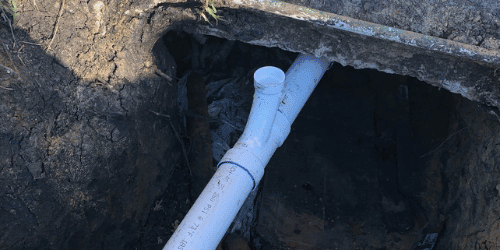
While supply line leaks get a lot of attention, drainage and sewer systems also play a crucial role in preventing water from ending up where it should not be. Clogged or damaged drains can cause backups that overflow sinks, tubs, and toilets. In McKinney, where tree roots seek out moisture, sewer lines can be especially vulnerable. Plumbers use camera inspections to view the inside of drain and sewer lines, looking for cracks, root intrusion, or buildup that could lead to blockages and leaks of wastewater into the yard or under the home.
Outdoor plumbing features, such as hose bibs, irrigation connections, and pool equipment lines, are exposed to weather and physical damage. Freezing temperatures can crack exterior faucets and pipes if they are not properly insulated or winterized. Plumbers help prevent leaks by installing frost-proof hose bibs, adding insulation, and advising homeowners on how to shut off and drain exposed lines before a cold snap. In a climate like North Texas, where a sudden freeze can catch people off guard, these preventive measures are essential.
Proper yard drainage is another area where plumbers contribute to leak prevention indirectly. Poor grading or inadequate drainage can allow water to pool near the foundation, increasing the risk of slab movement and stress on underground pipes. By correcting drainage issues, installing French drains, or rerouting downspouts, plumbers and related trades help protect both the structure and the buried plumbing from damage caused by shifting soil and constant moisture.
Education, Maintenance, And Local Expertise
One of the most valuable things a plumber can provide is education. Homeowners in McKinney, TX may not realize that a slightly running toilet, a faint hissing sound in the wall, or a periodically wet spot in the yard can all be early signs of leaks. Sewell Plumbing technicians often take the time to explain what to watch for, how to test a toilet for silent leaks, and when to shut off the main water supply in an emergency. This knowledge empowers homeowners to act quickly instead of ignoring warning signs until serious damage occurs.
Scheduled maintenance is another cornerstone of leak prevention. Just as HVAC systems need regular tune-ups, plumbing systems benefit from periodic checkups. Annual or biannual visits allow plumbers to test shutoff valves, inspect visible piping, check water pressure, evaluate water heaters, and look for any developing issues. Over time, a trusted plumber becomes familiar with the specific home, its quirks, and its history, which makes it easier to spot patterns and predict where problems are likely to arise.
Local experience matters, too. A plumber working daily in McKinney understands the common construction methods in area neighborhoods, the typical age of homes, and the specific challenges posed by local soil, water quality, and weather. Sewell Plumbing’s familiarity with these regional factors allows them to recommend preventive steps that are tailored to North Texas conditions, rather than generic advice. That local insight can make the difference between a system that merely functions and one that remains leak-free and reliable year after year.
Frequently Asked Questions
How often should I have my plumbing inspected to prevent leaks? For most homes in McKinney, TX, a professional plumbing inspection every one to two years is a good baseline. Older homes, houses with a history of leaks, or properties that have undergone recent remodeling may benefit from yearly inspections. If you notice any warning signs—such as unexplained water bill increases, low water pressure, or damp spots—it is wise to schedule an inspection sooner. Regular checkups with a local professional like Sewell Plumbing help catch small issues before they become major leaks.
What are the most common early signs of hidden leaks? Hidden leaks rarely start with dramatic flooding. Instead, you might notice subtle changes: a musty odor that does not go away, small areas of discoloration on ceilings or walls, warm or damp spots on floors, or the sound of water running when no fixtures are in use. Another major clue is a water bill that rises without a clear reason. If you suspect a hidden leak, a plumber can perform targeted tests and use specialized tools to locate the problem without unnecessary demolition.
Can I prevent leaks myself, or do I really need a plumber? Homeowners can absolutely take some preventive steps, such as checking under sinks for moisture, inspecting appliance hoses, and turning off outdoor faucets properly before a freeze. However, many critical aspects of leak prevention—like pressure testing, evaluating pipe materials, detecting slab leaks, and inspecting sewer lines—require professional tools and training. Working with a licensed plumber like Sewell Plumbing combines your day-to-day vigilance with expert assessment, giving your home a much stronger defense against leaks.
Is high water pressure really that dangerous for my plumbing? Yes, consistently high water pressure can significantly shorten the life of your plumbing system and fixtures. It can cause washers and seals to wear out faster, increase stress on joints and fittings, and lead to sudden failures in hoses and appliances. In some cases, it can also affect your water heater’s safety and performance. A plumber can measure your home’s water pressure and, if it is too high, install or adjust a pressure-reducing valve to bring it into a safe range, which is an effective and relatively simple step in leak prevention.
How do I find the right plumber to help with leak prevention? Look for a licensed, insured plumber with strong local references and experience in your specific area. In a community like McKinney, TX, choosing a company that regularly works on homes similar to yours is important, because they will understand local building practices and common plumbing issues. Ask about their approach to inspections, preventive maintenance, and communication. A reliable professional should be willing to explain findings clearly, prioritize repairs, and help you plan long-term improvements. If you are searching online, you might start with a search for Plumbers near me and then narrow down to providers with a proven track record like Sewell Plumbing.