The first sign is usually small: a faint hissing behind a wall, a water bill that creeps a little higher each month, or a warm spot on a tile floor that never seems to cool down. Many homeowners in McKinney, TX don’t realize they have a hidden leak until there’s visible damage – a bubbling patch of paint, warped hardwood, or a musty smell that lingers no matter how often you clean. By the time water shows itself, it has often been quietly damaging studs, subflooring, and insulation for weeks or even months.
Effective leak detection is about catching those problems long before they reach that point. Instead of waiting for water to drip from the ceiling, homeowners can learn to read the subtle signs in their plumbing system and use a combination of simple tests, observation, and professional tools. In a city like McKinney, where many homes have slab foundations, sprinkler systems, and complex plumbing layouts, early leak detection is not just convenient; it can be the difference between a small repair and a major restoration project.
Sewell Plumbing works with homeowners who are often surprised by how many clues their homes were giving them that something was wrong. The key is knowing what to look for and how to investigate safely. By understanding effective leak detection methods, you can respond quickly, protect your property value, and avoid the stress and cost of extensive water damage. What follows is a practical guide, from simple DIY checks to advanced techniques professionals use every day in McKinney homes.
Understanding How Leaks Start
Before you can detect leaks effectively, it helps to know where they typically come from. Most residential leaks fall into a few categories: pressurized supply line leaks, drain line leaks, fixture leaks, and exterior or irrigation leaks. Pressurized leaks, such as those from copper or PEX lines in walls or under a slab, can cause continuous water loss even when no fixtures are running. Drain leaks, on the other hand, only occur when water is being used, which makes them more intermittent and harder to spot without paying attention to patterns.
Age and material of your plumbing system play a big role as well. Older McKinney homes may still have galvanized pipes that corrode from the inside, while newer homes often rely on PEX or copper. Shifting soils, common in North Texas due to clay-rich ground that expands and contracts, can put stress on underground and slab plumbing. This movement can cause small cracks or separations that start as slow, almost invisible leaks and gradually enlarge over time.
Environmental factors also contribute. High water pressure, often seen in growing cities with changing infrastructure, can stress fittings and flexible supply lines to toilets, sinks, and washing machines. Even something as simple as a poorly installed appliance can introduce future leak risks. When Sewell Plumbing inspects a McKinney home, technicians look not only for current leaks but also for conditions that make leaks more likely, such as unsupported pipes, corroded shutoff valves, and prior DIY repairs.
Simple Visual And Sensory Checks
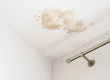
One of the most effective leak detection methods requires no tools at all: simply paying close attention to what you see, hear, and smell around the house. Start with walls and ceilings, especially below bathrooms, kitchens, and laundry rooms. Look for discoloration, faint yellow or brown rings, or paint that appears to bubble or peel. These are classic signs that moisture is present behind the surface, even if you do not see active dripping yet. In McKinney’s warm climate, moisture can quickly lead to mold growth, so any repeated condensation or staining is worth investigating.
Your ears can be just as useful. Late at night, when the house is quiet and no fixtures are running, stand near bathrooms, kitchens, and utility rooms and listen carefully. Continuous hissing, dripping, or the sound of water movement in walls or floors can indicate a hidden leak in a pressurized line. If you hear the toilet tank refilling periodically even when it has not been used, that can indicate a worn flapper or fill valve that is silently wasting water.
Smell is another powerful clue. A persistent musty or earthy odor, especially in closets against exterior walls, under sinks, or near baseboards, often points to moisture trapped where it should not be. While not every odor equals a leak, consistent smells in the same area, combined with any visible signs like warped trim or soft drywall, should prompt a closer look or a call to a professional like Sewell Plumbing to investigate further.
Using Your Water Meter As A Detective Tool
One of the most reliable DIY methods for detecting hidden leaks uses something you already have: your water meter. This approach is especially helpful for identifying leaks in underground lines, slab plumbing, or sections of piping you cannot see. Begin by turning off all water-using fixtures and appliances inside and outside your home. This includes sinks, showers, toilets, dishwashers, washing machines, and irrigation systems. Make sure no one in the household will use water during the test period.
Once everything is off, go to your water meter, usually located near the street or sidewalk in a covered box. Carefully open the lid and locate the small leak indicator—often a tiny triangular or star-shaped dial. If this dial is moving when you are certain no water is being used, that is a strong sign of a leak somewhere in the system. Even very slow rotation can indicate a small but continuous loss of water that will add up over time on your bill and potentially in damage.
For a more precise test, note the meter reading, wait 30–60 minutes without using any water, and then check the reading again. Any increase means water is flowing when it should not be. At this point, you can perform a simple isolation test: shut off the main valve to the house while leaving irrigation or pool lines active, and see if the meter still moves. Then reverse the process. This helps narrow down whether the leak is inside the home, in exterior lines, or in irrigation. Sewell Plumbing often uses similar strategies as a starting point before bringing in more advanced equipment.
Targeted Tests For Toilets, Faucets, And Appliances
Toilets are one of the most common sources of hidden water waste in any home. A silent, slow leak from the tank into the bowl can waste hundreds of gallons per month without leaving water on the floor. A simple way to test this is the dye test. Add a few drops of food coloring to the toilet tank and wait 15–20 minutes without flushing. If you see colored water appearing in the bowl, you have a leak between the tank and the bowl, usually due to a worn flapper or faulty flush valve. This is a relatively inexpensive fix but can have a big impact on both water usage and utility bills.
Faucets and showerheads are easier to see but often get ignored. Even a slow drip adds up to significant water loss over time. Place a cup or small container under a suspect faucet and leave it for an hour or two; measure how much water collects. Multiply that by 24 hours and then by 30 days to get a rough idea of monthly waste. This not only motivates repairs but also helps you prioritize which leaks to address first. Check under sinks as well; run water and then feel the supply lines and P-trap for dampness, looking for any active drips or signs of past leakage like mineral deposits.
Appliances connected to your plumbing system—such as washing machines, refrigerators with ice makers, and dishwashers—can also be hidden leak sources. Inspect the hoses behind your washer for bulging, cracking, or corrosion around connections. Run a short cycle while you watch, checking the floor around and behind the unit. For refrigerators, examine the water line feeding the ice maker or dispenser; even a tiny puncture can cause a slow leak that damages flooring and baseboards over time. In McKinney homes with laundry rooms located on upper floors, catching these leaks early is especially crucial to prevent damage to ceilings and walls below.
Moisture Meters, Thermal Cameras, And Professional Tools
While homeowners can do a lot with sight, sound, and simple tests, some leaks are too well hidden for basic methods. This is where professional leak detection tools come into play. Moisture meters, for example, can detect elevated moisture levels behind walls, under floors, and inside cabinets without opening anything up. A technician from Sewell Plumbing can scan suspicious areas and compare readings to surrounding “dry” zones, pinpointing where water is accumulating.
Thermal imaging cameras offer another powerful, non-invasive method. These cameras detect temperature differences on surfaces, which often reveal hidden moisture. A cold, damp area behind drywall may show up as a darker patch on the camera, even if the paint looks normal to the naked eye. In McKinney, where air conditioning runs heavily much of the year, condensation and leaks can create complex patterns; thermal imaging helps distinguish between normal temperature variations and genuine leak-related anomalies.
For slab leaks and underground line issues, acoustic equipment and pressure testing are frequently used. Specialized listening devices can pick up the sound of water escaping under concrete, allowing technicians to narrow down the exact location without unnecessary demolition. Pressure tests involve isolating sections of the plumbing system and monitoring how well they hold pressure over time. A drop in pressure indicates a leak in that section. These methods, combined with experience in local soil and construction types, allow professionals to recommend precise, minimally invasive repairs.
Preventive Practices And When To Call For Help
Effective leak detection is not just about responding to problems; it is also about preventing them. Regularly inspecting visible plumbing, like under-sink connections, water heater areas, and outdoor spigots, can help you catch early signs of wear. Replacing old, rubber washing machine hoses with braided stainless-steel versions, checking that toilet supply lines are not kinked, and ensuring shutoff valves actually work are simple steps that reduce your risk of sudden leaks.
Monitoring your water bill month to month is another valuable habit. A gradual, unexplained increase in usage can indicate a slow leak somewhere in the system. Keep a basic log of readings or bills, especially in McKinney neighborhoods where irrigation use may fluctuate seasonally. If your usage spikes during a period when your watering habits have not changed, it is time to investigate further.
There comes a point, though, when professional help is the smartest move. If your meter test shows a leak but you cannot locate it, if you suspect a slab leak, or if you see signs of water damage with no obvious source, calling a licensed plumber like Sewell Plumbing is the safest option. Professionals bring not only advanced tools but also the experience of having seen countless variations of leak problems in local homes. They can determine whether a repair is simple or if it points to a larger issue, such as failing piping or an undersized pressure regulator. Addressing these root causes protects your home long-term and can also be a good time to discuss upgrades like Water heater replacement if your system is aging.
Frequently Asked Questions
How do I know if I have a slab leak in my McKinney home? Common signs of a slab leak include unexplained warm spots on tile or concrete floors, the sound of running water when all fixtures are off, cracks in walls or flooring that seem to worsen, and a sudden jump in your water bill. In some cases, you may notice areas of flooring that feel damp or a musty odor with no visible source. If your water meter shows usage when all water is off, and you cannot find any interior leaks, a slab leak becomes a strong possibility. At that point, contacting a professional like Sewell Plumbing for specialized testing is highly recommended.
Can I rely on my water bill alone to detect leaks? Your water bill is a useful indicator, but it should not be the only method you rely on. Bills are typically issued monthly, which means a leak could go undetected for weeks before you see the increase. Additionally, seasonal changes, guests, or lawn watering can mask a leak-related spike. Use your bill as a starting point; if you notice higher than normal usage without explanation, perform a meter test and visual inspection. Combining these approaches offers a much more accurate picture than the bill alone.
Are all leaks urgent, or can some wait to be fixed? Even small leaks should be treated as urgent, though the level of emergency can vary. A slow-dripping faucet may not damage your home immediately, but it wastes water and money and can worsen over time. Hidden leaks behind walls, under floors, or in ceilings are more critical because they can cause structural damage and mold growth. In McKinney’s humid summer conditions, moisture issues escalate quickly. As a general rule, any leak that you cannot see the full extent of, or that involves the main supply lines, should be addressed by a professional as soon as possible.
What DIY leak detection is safe, and when should I avoid doing it myself? It is generally safe to perform visual inspections, listen for unusual sounds, check your water meter, and do simple tests like toilet dye checks. You can also inspect visible hoses and connections around appliances. However, you should avoid cutting into walls, floors, or ceilings without a clear plan, and you should not attempt pressure testing or slab leak diagnosis without proper tools and knowledge. Working on gas water heaters or main supply lines can also be risky. When in doubt, especially if structural elements or gas appliances are involved, call a licensed plumber like Sewell Plumbing.
How often should I have my plumbing inspected to prevent leaks? For most McKinney homeowners, a general plumbing inspection every one to two years is a good preventive measure, particularly in homes over 10–15 years old. If your home has a history of leaks, older piping materials, or you have had foundation movement, annual inspections are wise. Between professional visits, perform your own quick checks every few months: look under sinks, around your water heater, behind appliances, and at outdoor spigots. This combination of professional oversight and homeowner vigilance offers the best protection against surprise leaks and water damage.