It usually starts with something small: a faint hissing behind a wall, a spot on the ceiling that doesn’t quite dry out, or a water bill from the City of McKinney that makes absolutely no sense. Maybe you notice that one area of your yard is always soggy, even though it hasn’t rained in days. None of these feel like an emergency in the moment, but each one can be the first clue that water is escaping somewhere it shouldn’t. When that happens, guessing is risky and tearing into walls or concrete blindly is expensive. This is where professional leak detection services become essential, not just helpful.
Leak detection is more than just “looking for where the water comes out.” Modern homes in McKinney, TX have complex plumbing systems running under slabs, inside walls, through ceilings, and out into the yard. A leak in any of those places can quietly cause structural damage, mold growth, or foundation issues long before you see dramatic signs like flooding. A comprehensive leak detection approach focuses on finding the exact source of the problem with the least disruption possible, using specialized tools and experienced judgment. Sewell Plumbing has built its service around that principle: locate precisely, repair efficiently, and protect the home from further damage.
Understanding how leak detection works, when you should call for it, and what to expect during the process can save you a lot of stress and money. Instead of waiting until a small issue turns into a major repair, homeowners in McKinney can treat unusual plumbing symptoms the way you’d treat a “check engine” light on a car: an early warning that deserves professional attention. This guide will walk through the types of leaks, the tools used to find them, the process a plumber follows, and how Sewell Plumbing tailors leak detection services to the specific conditions and construction styles common in the McKinney area.
Why Leaks Are So Dangerous
Water is deceptively destructive. A tiny, almost invisible drip inside a wall cavity can slowly saturate insulation, framing, and drywall. Over weeks or months, that moisture can weaken materials, attract termites, and create the perfect environment for mold. By the time you see a stain or smell a musty odor, the leak may have already been active for a long time. In McKinney, where many homes are built on slab foundations, leaks in hot or cold water lines under the slab can also undermine soil and create subtle shifts in the foundation.
Hidden leaks are particularly dangerous because they’re rarely where you think they are. Water can travel along pipes, studs, or beams before finally appearing in a totally different location. A ceiling stain might actually originate from a leak several feet away. If a plumber simply cuts open the first wet spot without proper detection, you can end up with multiple holes in walls or ceilings and still not be close to the real source. Comprehensive leak detection services are designed to avoid this “chase,” using technology to trace the leak’s origin instead of relying on trial and error.
There is also the financial aspect. In addition to the immediate waste of water and higher utility bills, leaks can lead to costly repairs if they damage flooring, cabinetry, or structural components. Insurance coverage can be complicated when it comes to long-term, slow leaks versus sudden events. Having a clear, documented leak detection report from a licensed plumbing company like Sewell Plumbing can help demonstrate that you acted quickly and responsibly when you noticed signs of trouble.
Finally, there are health concerns. Persistent moisture supports mold growth, and certain mold types can aggravate allergies, asthma, and other respiratory issues. Families with children, elderly residents, or anyone with sensitive health conditions need to be especially proactive about potential leaks. Professional leak detection is not just about protecting the house; it is also about maintaining a safe indoor environment.
Common Leak Types In McKinney Homes
Not all leaks are created equal, and the type of leak you are dealing with will determine how it is detected and repaired. One of the most common issues in McKinney homes is a slab leak, which occurs in the water lines running beneath the concrete foundation. These leaks can be caused by shifting soil, corrosion, or poor installation. Signs might include warm spots on the floor, cracks in walls or tile, or the sound of running water when all fixtures are off. Because the pipes are encased in concrete, you cannot see the leak directly; professional detection is critical.
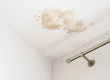
Another frequent category is leaks within walls and ceilings. These can come from pressurized water supply lines, drain lines, or even from upstairs bathrooms and laundry rooms. Homeowners might notice peeling paint, bubbling drywall, or discoloration. These leaks require careful investigation because cutting into the wrong area can create unnecessary damage. Sewell Plumbing uses a combination of tools and experience to pinpoint the most likely leak location before any opening is made in the wall or ceiling.
Outdoor and yard leaks are also common, especially in irrigation systems and main water service lines. A constantly damp area in the yard, unusually lush grass in one strip, or a meter that spins when everything is shut off can indicate an underground leak. These leaks can waste a tremendous amount of water and sometimes go unnoticed for long periods. Because outdoor leaks may cross property lines or intersect with city infrastructure, it is important to have a local McKinney plumber who understands local codes and typical installation patterns.
Finally, fixture and appliance leaks—around toilets, under sinks, at water heaters, or behind refrigerators—might seem minor, but they can cause substantial damage in tight spaces. For example, a slow leak at the base of a toilet can rot the subfloor, and a small drip under a kitchen sink can destroy cabinets over time. Even when the leak is visible, a thorough plumber will still check for related or secondary leaks to ensure the problem is fully resolved.
Tools And Techniques For Modern Leak Detection
Effective leak detection is a blend of technology and experience. One of the most widely used tools is acoustic leak detection equipment. Pressurized water escaping from a pipe creates sound at frequencies often too faint for the human ear, especially through concrete or soil. Specialized microphones and amplifiers allow a plumber to listen along the pipe’s path and identify the loudest point, which usually corresponds to the leak. This method is especially useful for slab leaks and underground lines in McKinney’s many single-family neighborhoods.
Thermal imaging cameras are another powerful tool. These devices detect temperature differences on surfaces, displaying them as color variations. A hot water leak under a slab or inside a wall may appear as a warm “signature” on the camera, even if the surface feels normal to the touch. Similarly, cold water leaks can create cool areas or patterns that show where water is moving. Thermal imaging allows Sewell Plumbing technicians to scan large areas quickly and narrow down where to focus more invasive testing.
Moisture meters are commonly used for leaks behind walls, under flooring, and around baseboards. These tools measure the moisture content of building materials and can reveal dampness long before visible damage appears. By mapping out moisture readings, a plumber can track how water is spreading and get closer to the source. This is particularly valuable in multi-story homes where water may travel down between floors.
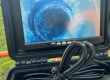
In some situations, plumbers may also use tracer gas or dye testing. For example, in complex plumbing systems where traditional methods are inconclusive, a harmless gas can be introduced into the lines and special sensors used to detect where it escapes. For drain line issues, colored dye may be introduced to see where it emerges. The key is that a comprehensive leak detection service does not rely on a single tool; it combines multiple techniques, plus local knowledge of how homes in McKinney are built and plumbed, to reach a confident diagnosis.
What To Expect During A Leak Detection Visit
Many homeowners feel anxious about what a leak detection appointment will involve, particularly whether their home will be left in disarray. In reality, a well-run service visit is methodical and focused on minimizing disruption. When Sewell Plumbing arrives, the first step is usually a detailed conversation. The technician will ask about what you have noticed: sounds, smells, wet spots, changes in water pressure, or high bills. This information helps narrow down likely sources and prioritize which parts of the system to test first.
Next comes an initial inspection and basic testing. The plumber may check the water meter to see if it moves when all fixtures are off, confirm water pressure levels, and visually inspect accessible plumbing. They might use simple tools like shutoff valves to isolate sections of the system. For example, by turning off water to the house but leaving the main line pressurized, they can determine whether the leak is inside the home or in the service line from the street.
Once the broad area is identified, the technician will bring in more specialized equipment: acoustic listening devices, thermal cameras, or moisture meters. They will methodically move through the suspected area, comparing readings and patterns. This stage can take some time, as accuracy is more important than speed. Throughout the process, a good plumber will explain what they are doing and why, so you are not left guessing about the findings.
If the leak is located in an area that requires access—such as behind a wall panel or under a section of flooring—the plumber will discuss options with you before proceeding. The goal is to choose the least invasive access point that still allows for a proper repair. After the leak is confirmed and exposed, the repair plan is explained, including costs and timelines. In many cases, detection and repair can be completed in the same visit, but for larger or more complex leaks, a follow-up appointment may be scheduled.
How Sewell Plumbing Protects McKinney Homes
Local knowledge makes a real difference in leak detection work. McKinney has a mix of older homes, new builds, and everything in between, each with different plumbing materials and layouts. Sewell Plumbing’s experience in the area means its technicians recognize common patterns: where builders typically route water lines, how certain neighborhoods are plumbed under the slab, and what kinds of leaks show up most often in specific subdivisions. That familiarity shortens the time it takes to pinpoint problems and reduces unnecessary damage to walls or concrete.
Another key factor is the company’s focus on comprehensive service rather than quick fixes. Detecting the visible leak is only part of the job; understanding why it happened is just as important. For example, if a copper line under a slab has developed pinhole leaks from corrosion, simply patching one spot may not be enough. Sewell Plumbing will discuss bigger-picture solutions, such as rerouting lines or partial repiping, when appropriate, so you are not facing repeated leak issues in the same area.
Communication and transparency are central to how Sewell Plumbing serves McKinney homeowners. From the moment the technician arrives, you should expect clear explanations of the tests being performed, the results, and the repair options. Written estimates and documentation of findings help you make informed decisions and provide useful records for insurance or future maintenance. The goal is to remove as much uncertainty as possible at a time when homeowners are understandably worried about damage and costs.
Finally, Sewell Plumbing understands that leaks do not follow business hours. Sudden slab leaks, burst lines, or rapidly spreading ceiling leaks can’t wait. Having a trusted local plumber already familiar with your home’s systems can make the response faster and more efficient when emergencies arise. Over time, that relationship can turn what would have been a major crisis into a manageable repair project.
Preventing Future Leaks And Damage
While not every leak can be prevented, many can be anticipated or caught earlier with the right habits and maintenance. Regularly checking your water bill for unexplained increases is one of the simplest and most effective steps. If your usage suddenly jumps without a change in routine, it is worth having a professional inspection. Periodically walking through your home and looking for subtle signs—minor wall discoloration, soft spots in flooring near bathrooms, or condensation where it should not be—can also provide early warnings.
Appliances and fixtures deserve special attention. Water heaters, dishwashers, washing machines, and refrigerators with ice makers all have supply lines and connections that can fail. Replacing old, brittle hoses with braided stainless-steel lines, inspecting shutoff valves for corrosion, and checking around bases and connections for moisture can prevent surprise leaks. If you have a Gas water heater, ensuring it is properly installed and regularly serviced helps avoid leaks at the tank or connections.
For homes with known risk factors, more proactive measures may be recommended. Older galvanized or thin-wall copper piping, especially under slabs, is more prone to leaks. In these cases, Sewell Plumbing might discuss options like partial repiping, installing pressure regulators if your water pressure is too high, or rerouting vulnerable lines out of the slab and into more accessible areas. Though these are larger projects, they can be more cost-effective in the long run than dealing with repeated leaks and structural repairs.
Finally, consider periodic professional plumbing checkups, especially if your home is older or you have had leaks before. Just as you schedule regular HVAC maintenance, a plumbing inspection that includes basic leak checks, pressure testing, and visual review of key areas can catch issues before they become emergencies. In a growing city like McKinney, where many homes are aging into that stage where systems start to show wear, staying ahead of leaks is one of the best investments you can make in your property.
Frequently Asked Questions
How do I know if I need professional leak detection? You should consider professional leak detection if you notice signs like an unexplained increase in your water bill, the sound of running water when all fixtures are off, warm or damp spots on floors, recurring mold or mildew, or wet areas in your yard without recent rain. Even if the signs seem minor, having Sewell Plumbing investigate early can prevent more serious damage. Any persistent moisture or unexplained plumbing behavior is worth a closer look.
Will leak detection damage my walls or floors? Modern leak detection methods are designed to minimize damage. Tools like acoustic equipment, thermal imaging cameras, and moisture meters allow plumbers to narrow down the leak location non-invasively. Only when the likely source is identified will a small access point be created, if necessary, to confirm and repair the leak. Compared to guessing and opening multiple areas, comprehensive detection significantly reduces unnecessary cutting into walls, ceilings, or slabs.
How long does a leak detection appointment usually take? The duration depends on the complexity of the plumbing system and the type of leak. Simple cases, like a visible fixture leak, may be diagnosed quickly. Hidden slab leaks or multiple potential sources can take longer, as the technician must methodically test and rule out different sections. In many McKinney homes, Sewell Plumbing can complete detection within a few hours, and in some cases perform the repair the same day, but larger or more complex situations may require follow-up visits.
Are slab leaks an emergency? Slab leaks are not always an immediate emergency in the sense of flooding, but they should be treated as urgent. Left unaddressed, they can erode soil under your foundation, increase water bills significantly, and create hot or damp spots that damage flooring. Over time, they may contribute to foundation movement or mold growth. If you suspect a slab leak—warm floors, running water sounds, or high usage—contact a professional like Sewell Plumbing promptly to assess the situation and recommend appropriate repairs.
Can I find leaks myself without calling a plumber? Homeowners can do some basic checks, such as turning off all water fixtures and watching the water meter, looking for visible drips, and inspecting around fixtures and appliances. These steps can sometimes reveal obvious issues. However, hidden leaks inside walls or under slabs usually require specialized tools and experience to locate accurately. Attempting to open walls or floors without proper detection can lead to unnecessary damage and still miss the true source. For anything beyond simple, visible leaks, professional leak detection is the safer and more cost-effective choice.