On a chilly North Texas morning, nothing derails a family’s routine faster than a surprise cold shower. One teenager is yelling from the bathroom, a parent is boiling water on the stove to wash dishes, and everyone is suddenly aware of just how much they depend on their water heater. Moments like these are usually what push families in McKinney, TX to finally replace an aging unit or install a more suitable system. But what many homeowners discover is that choosing and installing a new water heater involves far more than just picking a tank size and scheduling a quick swap.
For families, especially those with kids, multiple bathrooms, or busy schedules, water heater installation is a long-term comfort and safety decision. It affects everything from your monthly utility bills to how smoothly your mornings go. Working with an experienced local company like Sewell Plumbing can help you navigate the options, but it’s important to understand what questions to ask and what trade-offs to consider before a new unit ever arrives at your home.
From picking between tank and tankless systems to thinking about where the unit will sit in your house, water heater installation is a chance to match your hot water system to the way your family actually lives. When you slow down and consider capacity, efficiency, safety, and future needs, you’re far more likely to end up with a system that quietly does its job for years rather than one that causes recurring frustration or unexpected expenses.
Understanding Your Family’s Hot Water Use
Every family in McKinney uses hot water differently, and that usage pattern is the foundation of a smart installation decision. A couple in a small home with one bathroom will have very different needs than a family of five with teenagers, a large soaking tub, and a laundry room that runs constantly. Before you even look at brands or fuel types, it helps to map out typical daily routines: who showers when, how many loads of laundry you do, and how often you run the dishwasher.
Peak demand is one of the most important concepts to understand. This is the period of the day when your family uses the most hot water at the same time. For many households, that’s the early morning rush when showers, sinks, and sometimes the washing machine are all running. If your water heater isn’t sized or configured to handle that peak, you’ll experience temperature drops and frustration, even if total daily usage seems modest. Sewell Plumbing often starts conversations with simple questions about your busiest hours to help you pinpoint that peak demand.
Another factor is how your family might change over the next decade. Are you planning to have more children? Do you have aging parents who may move in? Are you likely to add a bathroom or remodel your kitchen with a larger dishwasher? Water heaters typically last 8–12 years or more, so the unit you install today should be robust enough to handle tomorrow’s household. Thinking ahead now can prevent costly upgrades sooner than expected.
Finally, consider your tolerance for waiting. Some families are fine staggering showers and laundry to avoid overloading the system. Others want the freedom for multiple people to shower back-to-back without running out of hot water. Being honest about your preferences helps a professional installer like Sewell Plumbing recommend the right capacity and technology, rather than just replacing your old unit with a similar one by default.
Choosing Between Tank And Tankless
One of the biggest decisions families face is whether to stick with a traditional tank water heater or switch to a tankless system. Tank heaters store a set volume of hot water, ready for use, while tankless units heat water only as you need it. Both options can work well for families in McKinney, but they come with different installation considerations, costs, and performance characteristics.
Traditional tank water heaters are often simpler to install, especially if you’re replacing an existing tank. They tend to have lower upfront costs, which can be appealing for families on a tighter budget or those dealing with an emergency replacement. However, tanks have a finite capacity. Once the stored hot water is used up, you have to wait for the tank to reheat, which can be a problem for larger households or those with clustered usage patterns.
Tankless systems, on the other hand, offer the appeal of continuous hot water when properly sized and installed. For busy families, that can mean back-to-back showers without worrying about who gets the last of the hot water. They are generally more energy-efficient because they avoid standby heat loss from stored water. However, installation is more complex: gas lines may need to be upsized, venting often needs to be reconfigured, and electrical systems may require upgrades. That’s where local expertise from Sewell Plumbing becomes crucial, as building codes and utility setups in McKinney must be carefully followed.
For some households, a hybrid approach might even make sense, such as a high-efficiency tank heater combined with smart scheduling of heavy water use, or multiple smaller tankless units serving different zones of the house. An installer who takes the time to understand your layout, family habits, and long-term plans can help you weigh not just the upfront cost, but also the comfort, efficiency, and maintenance implications of each option.
Safety, Location, And Code Requirements
When families think about water heaters, they often focus on hot showers and energy bills, but safety should be at the top of the list. Water heaters involve hot water, gas or electricity, and in many cases combustion and venting. For homes in McKinney, TX, proper installation according to local codes isn’t just a bureaucratic step—it directly affects the safety of your children, pets, and property. Sewell Plumbing technicians are trained to consider these safety aspects as part of every installation, not as afterthoughts.
Location is a major factor. Many older homes have water heaters in garages, attics, or interior closets. Each location comes with different risks and requirements. In a garage, for example, the unit may need to be elevated to prevent ignition of flammable vapors. In an attic, weight, drainage, and access become critical concerns. Attic installations for families are particularly sensitive; a leaking tank above bedrooms or living areas can cause extensive damage. Installing a proper drain pan, ensuring adequate drainage routes, and adding leak detection devices are smart safeguards.
Ventilation and combustion air are also key issues for gas units. Poorly vented systems can lead to dangerous buildup of carbon monoxide inside the home. Professional installers verify that vent pipes are correctly sized, sealed, and routed to the exterior, and that there’s sufficient combustion air available. This is not something to guess at or copy from the old installation, especially if you are upgrading to a higher-capacity or more powerful unit.
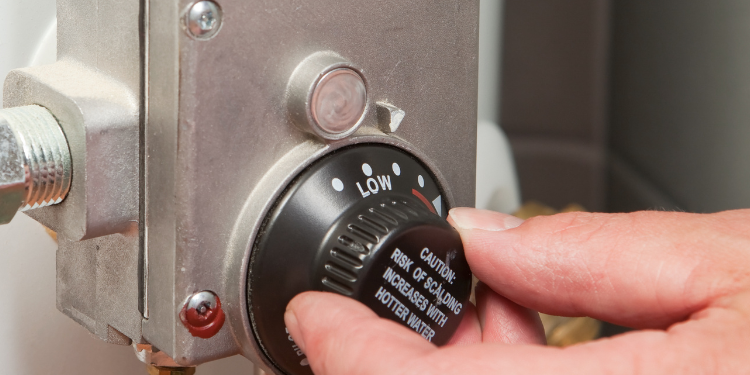
Finally, families should be aware of temperature and scald protection. Children and older adults are more vulnerable to scald injuries. During installation, Sewell Plumbing can set the thermostat to a safe temperature and, where appropriate, recommend or install mixing valves that regulate outlet temperatures. This allows the tank to operate at an efficient and bacteria-resistant temperature while still delivering safe water at taps and showers.
Energy Efficiency And Operating Costs
For many families, the monthly utility bill is where the impact of a water heater is felt most clearly. Hot water can account for a significant portion of household energy use, especially in larger homes or those with multiple bathrooms. When considering a new installation, it’s worth looking beyond the sticker price of the unit and thinking about how efficiently it will run over the years your family lives with it.
Modern water heaters come with energy ratings that help you compare models. Higher-efficiency units may cost more upfront but can save substantial money over time. This is especially true for families who use a lot of hot water daily. In McKinney’s climate, where air conditioning already takes a big slice of your energy budget, trimming hot water costs can make a noticeable difference. Sewell Plumbing can help interpret these ratings and translate them into estimated yearly savings based on your actual usage.
Fuel type also plays a role. Natural gas and electric units have different operating costs depending on local utility rates. Many McKinney homes already have gas service, making a high-efficiency Gas water heater a strong choice. Electric heat pump water heaters can be very efficient as well but may require specific installation conditions and more space. A professional who understands local energy prices and incentives can help you calculate not just what’s cheaper today, but what’s likely to remain economical over the lifespan of your system.
Don’t overlook insulation and heat loss. A well-installed tank with proper insulation, high-quality piping, and minimized hot water line lengths will perform better than a powerful unit installed haphazardly. Installing hot water recirculation systems, insulating exposed pipes, and placing the unit closer to high-use fixtures can all reduce wasted energy and shorten the time you wait for hot water at the tap.
Planning For Space, Access, And Future Service
Families often think of water heaters as “out of sight, out of mind,” but where your unit lives in your home affects both everyday convenience and long-term maintenance. In many McKinney homes, the water heater is tucked into a tight closet or attic corner. While this might preserve living space, it can make installation and future servicing more difficult, more expensive, and potentially less safe.
When installing a new unit, it’s worth asking whether the current location still makes sense. Is there enough clearance for safe operation and for a technician to work? Will you be able to access shut-off valves easily in an emergency? Could relocating the unit slightly improve safety, reduce noise, or shorten hot water delivery times to key bathrooms and the kitchen? Sewell Plumbing can evaluate these questions during an in-home consultation.
Space is also a practical constraint when upgrading to a larger or different style of heater. A bigger tank or a tankless unit with additional venting and gas line requirements may not fit in the old footprint. That doesn’t necessarily mean you can’t upgrade, but it does mean planning for carpentry, vent rerouting, or even modest remodeling. For growing families, taking the time to plan a thoughtful mechanical area now can pay off in easier maintenance and more flexibility later.
Finally, think about how future service will be handled. Routine flushing, anode rod replacement, and inspection are much more likely to happen when the unit is reasonably accessible. A neatly organized, well-labeled installation with room to work encourages ongoing maintenance, which, in turn, extends the life of your heater and protects your investment. Good installers keep this in mind from day one rather than treating service access as an afterthought.
Working With A Local Professional
While it may be tempting to see water heater installation as a straightforward swap-and-go project, the reality is that families benefit from working with a knowledgeable, local professional. Companies like Sewell Plumbing, based in McKinney, TX, understand local building codes, typical home layouts in area neighborhoods, and the practical realities of our climate and utility infrastructure.
A professional installer does more than just hook up pipes and power. They evaluate your current system, listen to your family’s needs, and help you sort through options that fit your budget and goals. They can identify whether your gas line is adequately sized, confirm that your electrical panel can handle new loads, and ensure that venting meets current safety standards. These details are easy to overlook but can have serious implications if handled incorrectly.
Local experience also matters when it comes to permitting and inspections. McKinney and surrounding communities may have specific requirements for water heater placement, seismic strapping, pressure relief valve discharge, and drain pan installation. Sewell Plumbing’s familiarity with these rules helps prevent failed inspections, delays, and costly rework. It also gives you peace of mind that your system is safe and compliant.
Most importantly, working with a trusted local plumber creates an ongoing relationship. Your family’s needs may change, and having a professional who already knows your home makes future adjustments, repairs, or upgrades smoother. Instead of starting from scratch each time something changes, you have a partner who understands the history of your system and can guide you through decisions with the bigger picture in mind.
Frequently Asked Questions
How do I know what size water heater my family needs? Sizing depends on the number of people in your home, the number of bathrooms, and how your family uses hot water. A professional will look at peak demand, such as how many showers might run at once and whether laundry or dishwashing happens at the same time. For tank units, this often translates into a recommended gallon capacity. For tankless units, it’s about the flow rate they can deliver at a given temperature rise. Sewell Plumbing can perform a simple usage assessment in your McKinney home to recommend the right size.
Is a tankless water heater always better for families? Not always. Tankless systems offer continuous hot water and high efficiency, which many families love, but they come with higher upfront costs and more complex installation requirements. In some homes, upgrading gas lines or venting can add significantly to the project cost. Traditional tanks can be a better fit for certain budgets or layouts. The “best” choice depends on your home’s infrastructure, your family’s usage patterns, and how long you plan to stay in the home.
How long does water heater installation usually take? In many cases, a straightforward replacement in the same location can be completed within a single day. However, the timeline can extend if you are switching from tank to tankless, relocating the unit, or upgrading gas or electrical lines. Permitting and inspection schedules can also affect timing. Sewell Plumbing typically provides a time estimate after evaluating your specific situation, so you can plan around the work with minimal disruption to your family’s routine.
What can I do to extend the life of my new water heater? Regular maintenance is the key. Flushing the tank periodically to remove sediment, checking and replacing the anode rod when needed, and inspecting valves and connections can significantly extend the life of a tank-style heater. Tankless units benefit from descaling and filter cleaning, especially in areas with hard water. Scheduling routine checkups with a professional plumber in McKinney ensures small issues are caught early before they turn into leaks or failures.
Are there safety features I should ask for during installation? Yes. Ask about a properly installed temperature and pressure relief valve, a drain pan with an appropriate drain line (especially if the heater is in an attic or above living space), and, for gas units, carbon monoxide detectors in appropriate locations. For families with children, discuss safe temperature settings and the possibility of installing mixing valves to reduce scald risk. Sewell Plumbing can integrate these features into your installation so that safety is built into the system from day one.