Few things disrupt a normal day in your McKinney home faster than stepping into a cold shower you weren’t expecting. You flip the handle, wait for the water to warm up, and instead get an icy blast that makes you jump back. In that moment, your entire routine is thrown off, and you suddenly realize how much you depend on your water heater working correctly. Water heater problems rarely feel minor when you’re the one shivering, washing dishes in cold water, or dealing with strange noises coming from the utility closet.
Most homeowners know when something is “off,” but they don’t always know what’s behind it. Is it a simple fix, or the beginning of the end for the unit? Is it safe to wait, or do you need help right away? Understanding common water heater problems gives you a big advantage: you can spot early warning signs, make smarter decisions about repairs, and know when it’s time to call a professional like Sewell Plumbing in McKinney, TX before a small issue turns into a costly emergency.
This guide walks through the most frequent water heater issues that show up in North Texas homes, why they happen, what they might mean, and how a licensed plumber typically approaches repairs. Whether you have a traditional tank-style heater or a tankless unit, knowing these problems in advance can save you time, money, and a lot of frustration.
No Hot Water Or Not Enough
The most obvious and frustrating water heater problem is simple: you don’t have the hot water you expect. Sometimes this means no hot water at all; other times it means your showers get lukewarm halfway through, or your tap never really gets hotter than “barely warm.” Each of these symptoms can point to a different underlying issue, and the cause often depends on whether your unit is gas or electric.
For electric water heaters, one of the most common culprits is a failed heating element. Most electric tanks have two elements, and if one burns out, you may still get some hot water, but it won’t last or recover quickly. Another frequent problem is a tripped reset button or breaker. This can happen from a power surge, faulty wiring, or an element shorting out. A quick inspection by a professional from Sewell Plumbing can determine whether the issue is electrical, mechanical, or something more serious like internal tank damage.
Gas water heaters introduce a different set of possibilities. If you suddenly lose hot water entirely, the pilot light may be out, the gas supply may be interrupted, or the thermocouple (a safety device that senses the pilot flame) may have failed. In some cases, the burner assembly is dirty or partially clogged, leading to weak heating performance. It’s important not to ignore repeated pilot light failures or burner issues; these can signal ventilation problems or unsafe combustion conditions that require expert attention.
Another factor McKinney homeowners sometimes overlook is the size and capacity of the water heater compared to the household’s current demands. Families grow, new fixtures are added, or high-demand appliances like large soaking tubs or multiple showerheads are installed. If your water heater was sized for a smaller household years ago, “not enough hot water” might not be a malfunction at all, but a sign that it’s time to upgrade to a larger tank or a properly sized tankless system.
Water Temperature Too Hot Or Inconsistent
On the other end of the spectrum, some homeowners deal with water that runs dangerously hot or swings wildly from hot to cold. Overly hot water is more than just uncomfortable; it can be a serious safety hazard, especially for children and older adults. Inconsistency, meanwhile, makes everyday tasks like showering or washing dishes frustrating and unpredictable.
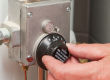
The most straightforward cause of overheated water is a thermostat that’s set too high. Many manufacturers set default temperatures around 140°F, but most homes are comfortable and safer around 120°F. However, if you adjust the thermostat and nothing changes, the thermostat itself may be faulty, sending incorrect signals to the heating elements or gas burner. A professional plumber can test the thermostat, replace it if necessary, and verify that the unit is cycling on and off as it should.
Inconsistent temperatures often point to a few recurring issues. In tank-style heaters, sediment buildup at the bottom of the tank can create hot and cold pockets, interfering with even heating and reducing the effective capacity of the tank. In electric models, a failed upper or lower element can produce strange temperature patterns, where water starts hot but quickly turns cool. In tankless units, inconsistent temperatures can result from clogged filters, scale buildup in the heat exchanger, or a mismatch between flow rate and unit capacity.
In McKinney, where water hardness can vary by neighborhood, mineral deposits are a frequent contributor to temperature-related problems. Sewell Plumbing technicians often find that a simple but thorough flush, combined with checking thermostats, elements, and safety controls, can restore stable and safe temperatures. Regular maintenance is key; waiting until fluctuations are extreme can shorten the life of the heater and increase energy usage.
Strange Noises From The Tank
Water heaters are not meant to be completely silent, but there is a difference between a soft hum and loud banging, popping, or rumbling sounds. Homeowners often first notice these noises at night when the house is quiet, and they can be surprisingly alarming. While noise alone doesn’t always mean the unit is about to fail, it is a clear sign that the heater needs attention.
The most common source of banging or popping sounds in tank-style heaters is sediment buildup at the bottom of the tank. Over time, minerals in the water settle and harden, forming a layer that traps water underneath as the burner or element heats. When that trapped water turns to steam, it forces its way through the sediment with sharp popping noises. This process not only creates noise but also forces the heater to work harder, wasting energy and putting extra strain on the tank.
Rumbling or “boiling” sounds can indicate more advanced sediment accumulation or overheating in localized spots. As sediment insulates parts of the tank bottom, the burner runs longer and hotter to reach the thermostat setting. This can lead to metal fatigue, reduced efficiency, and in severe cases, damage to the tank lining. Once the glass lining is compromised, corrosion accelerates, and leaks become much more likely.
Other noises, such as high-pitched whistling or hissing, may point to pressure issues, partially closed valves, or small leaks at fittings. These are not problems to ignore, as pressure-related issues can affect not just the water heater but also other parts of your plumbing system. When Sewell Plumbing is called to a noisy water heater in McKinney, technicians typically start with a full inspection, flushing the tank if appropriate, checking pressure and temperature relief valves, and verifying that all connections are secure and functioning correctly.
Leaks, Rust, And Discolored Water
Visible water around your heater or rusty, discolored water coming from your taps are serious red flags. Even a small, occasional puddle should never be dismissed as “normal.” Water heaters operate under pressure and at high temperatures, and a small leak can quickly turn into a major water damage event if left unaddressed.
Leaks can originate from several places: the cold water inlet or hot water outlet connections, the temperature and pressure relief (T&P) valve, the drain valve, or the tank itself. If the leak is from a connection or valve, repair may be as simple as tightening, replacing a fitting, or installing a new valve. However, if water is seeping from the body of the tank, it usually indicates internal corrosion and tank failure. In that case, repair is rarely an option; replacement becomes the safest and most cost-effective solution.
Rusty or brownish water, especially when you first turn on the hot tap, often signals corrosion inside the tank. Modern water heaters use a sacrificial anode rod to attract corrosive elements in the water and protect the tank lining. Over time, that rod is consumed. If it isn’t inspected and replaced periodically, the tank itself begins to rust. Once that process is advanced enough to discolor your water, the unit may be nearing the end of its useful life.
In some McKinney homes, older galvanized pipes can also contribute to discolored water, so it’s important to determine whether the issue is with the heater, the piping, or both. Sewell Plumbing can test water from different fixtures and lines, inspect the anode rod, and evaluate the tank’s condition. Addressing corrosion early can sometimes extend the life of the unit, but if the tank is already leaking or heavily rusted, planning for replacement is usually the smarter move.
Pilot Light, Ignition, And Gas Issues
For gas water heaters, anything related to the pilot light, ignition system, or gas supply should be treated with caution. Frequent pilot light outages, difficulty relighting, or burners that won’t stay on can be frustrating, but they are also potential safety concerns. These components exist to ensure safe combustion and to shut down the unit if something isn’t right.
A weak or dirty pilot flame may not properly heat the thermocouple, causing the gas valve to close and the pilot to go out. Dust, debris, or spider webs can partially block the pilot or burner orifices, disrupting the flame pattern. In other cases, the thermocouple or flame sensor itself fails and no longer sends the correct signal to keep gas flowing safely. These are common issues that a trained plumber can diagnose and correct by cleaning or replacing affected parts.
Modern gas water heaters may use electronic ignition rather than a standing pilot, which introduces additional components like igniters, control boards, and sensors. When these fail, the unit may never light at all or may cycle on and off erratically. Electrical problems, voltage fluctuations, or moisture intrusions can all contribute to ignition failures. Attempting to repeatedly light a malfunctioning unit without understanding the cause can be risky.
In McKinney, it’s not unusual for homeowners to first notice gas-related issues after storms, construction nearby, or changes to their gas service. Any time you smell gas, hear hissing, or suspect a leak, leave the area and contact your gas provider or emergency services immediately before calling a plumber. After safety is confirmed, a company like Sewell Plumbing can inspect the water heater, check the gas connections, test the ignition system, and ensure that everything meets current safety standards.
When Repair Isn’t Enough
Not every water heater problem can or should be repaired. Age, efficiency, safety, and the cost of repeated service calls all play a role in deciding whether to fix or replace a unit. Many traditional tank water heaters last about 8–12 years, depending on water quality, maintenance, and usage. Once a heater is approaching or past that range, major repairs often provide only a short-term solution.
Frequent issues such as repeated element failures, chronic sediment buildup, ongoing pilot problems, or multiple leaks are signs that the unit is wearing out. Even if each individual repair seems manageable, the total cost over a year or two can quickly exceed the price of a new, more efficient heater. Additionally, older models typically use more energy, so replacement can reduce your monthly utility bills as well as your maintenance headaches.
Safety is another critical consideration. A heavily corroded tank, a malfunctioning T&P valve, or ongoing gas ignition problems are not just inconveniences; they are potential hazards. If a plumber recommends replacement for safety reasons, it’s important to take that advice seriously. The risk of a tank rupture, scalding water, or unsafe combustion is not worth stretching a failing unit a little longer.
For McKinney homeowners, replacing an aging or unreliable water heater is also an opportunity to rethink capacity and technology. Sewell Plumbing can help you compare traditional tanks with tankless systems, evaluate your household’s hot water usage, and choose a unit that fits both your needs and your budget. Sometimes the best “repair” is a well-planned upgrade that provides more comfort, better efficiency, and fewer surprises for years to come.
Frequently Asked Questions
How do I know if my water heater can be repaired or needs replacement? The decision usually comes down to age, severity of the problem, and repair cost. If your water heater is under 8–10 years old and the issue is limited to a component like a thermostat, heating element, valve, or igniter, repair is often a good option. If the tank is leaking, the water is consistently rusty, or you’re facing a major repair on a unit that’s already near or past its expected lifespan, replacement is typically more cost-effective. A licensed plumber in McKinney can inspect the unit, estimate both repair and replacement costs, and help you weigh the long-term pros and cons.
What are the warning signs I should call a plumber right away? Some symptoms can’t wait. These include visible leaks around the base of the heater, water that suddenly turns very rusty or dirty, loud banging or boiling sounds, a T&P valve that is constantly dripping or releasing water, and any smell of gas near a gas unit. Another urgent sign is water that becomes dangerously hot without you changing the thermostat setting. If you notice any of these, shut off power or gas to the heater if you can do so safely, and contact a professional such as Sewell Plumbing as soon as possible.
How often should I flush my water heater in McKinney, TX? Because mineral content in local water can contribute to sediment buildup, most manufacturers recommend flushing a traditional tank water heater at least once a year. In areas with harder water or heavy usage, doing this every six months can be beneficial. Flushing helps remove sediment that causes noise, reduces efficiency, and stresses the tank. If you’ve never flushed your heater and it’s several years old, it’s wise to have a plumber perform the service the first time to ensure valves, drains, and safety controls are working correctly.
Can I adjust the temperature myself, and what is a safe setting? Most homeowners can safely adjust the thermostat on their water heater, but it’s important to know where it is and how to do it correctly. For many households, a setting of about 120°F provides a good balance between comfort, safety, and energy efficiency. This temperature helps reduce the risk of scalding while still supplying hot water for showers, dishwashing, and laundry. If you’re unsure about the current setting or the dial markings are unclear, a plumber can verify and adjust it during a service visit.
Who should I call if I need help with my water heater in McKinney? For persistent issues, safety concerns, or when you simply want a professional opinion, contacting a local, licensed plumber is the best step. Sewell Plumbing serves homeowners in McKinney, TX with water heater inspection, repair, maintenance, and replacement services. Whether you’re dealing with no hot water, strange noises, leaks, or just an aging unit that’s not performing like it used to, having a trusted expert on call is essential. If you’re searching online for an Emergency plumber near me, make sure you choose a company that understands local water conditions, building codes, and the specific needs of North Texas homes.