Few home upgrades affect daily comfort as dramatically as a properly installed water heater. When the water is hot, reliable, and ready on demand, you hardly think about it. But when it runs out mid-shower, takes forever to heat, or starts leaking, it suddenly becomes an urgent problem. That is why understanding the essential steps for water heater installation matters right now, especially for homeowners in McKinney, TX, where seasonal temperature swings and modern household demands put steady pressure on your system.
Whether you are replacing an aging tank, upgrading to a more efficient model, or recovering from a surprise failure, the way your new unit is installed will determine how safely and efficiently it performs for years. An installation is much more than just “swapping boxes.” It requires careful planning, precise connections, code compliance, and safety checks. Professional plumbers like Sewell Plumbing in McKinney, TX handle these details every day, but it helps you as the homeowner to know what should happen at each step so you can make informed decisions and recognize quality workmanship.
By walking through the essential steps of water heater installation, you can better understand why quotes may differ, why shortcuts are risky, and why some systems last longer and cost less to operate than others. This knowledge can help you prepare your home, ask the right questions, and partner effectively with your installer so your new water heater delivers the performance you expect.
Evaluating Your Home And Hot Water Needs
Before a single tool comes out of the truck, a good installation begins with a thorough evaluation of your home’s hot water needs. This step is often overlooked, but it is critical. The plumber will want to know how many people live in the home, how many bathrooms you have, whether you run multiple showers at once, and if you use high-demand appliances like large soaking tubs or multi-head showers. In McKinney, TX, many homes have growing families and busy morning routines, so getting the size and type of water heater right can prevent daily frustrations.
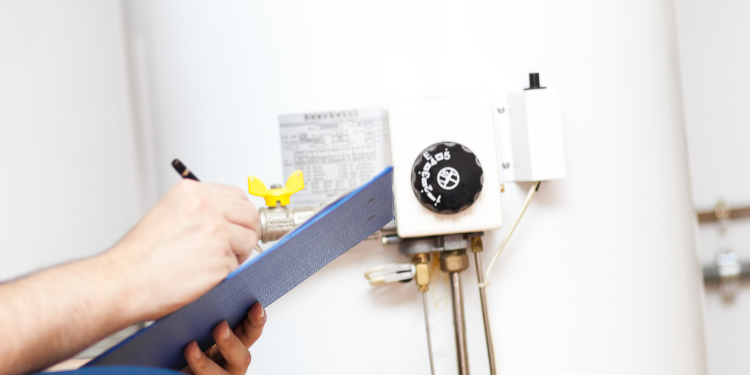
This evaluation also includes reviewing your existing setup. The installer will inspect the current water heater, its connections, venting (for gas units), and the location within the home. They will check for signs of corrosion, leaks, improper venting, or code violations that might need correction during the replacement. This is often when homeowners discover that their old system was undersized or installed with outdated practices that no longer meet modern safety standards.
At this stage, you and your plumber may also discuss the pros and cons of different technologies. For example, a traditional tank-style water heater might be sufficient and cost-effective for some households, while others might benefit from a high-efficiency or tankless system. In McKinney, where energy costs and water usage are real concerns, Sewell Plumbing can help you compare recovery times, efficiency ratings, and expected lifespan so you choose a system that fits both your budget and your lifestyle.
Finally, the evaluation process includes confirming the available gas or electrical capacity. A gas system needs proper gas line sizing and pressure, while an electric unit requires an appropriate breaker and wiring. Overlooking these details can lead to poor performance, nuisance breaker trips, or even unsafe conditions. Addressing them up front saves time, money, and headaches later in the project.
Selecting The Right Water Heater
Once your needs are clear, the next essential step is selecting the right water heater for your home. This is not just about picking a brand; it is about balancing fuel type, capacity, efficiency, and installation constraints. For many McKinney homeowners, gas water heaters are common due to their quick recovery times, but electric models or hybrid heat pump heaters may also be considered depending on existing infrastructure and energy goals.
Capacity is one of the most important decisions. A 40-gallon tank may have worked for a smaller family, but if your household has grown or your usage patterns have changed, upgrading to a 50-gallon or higher-capacity unit might prevent frequent hot water shortages. Conversely, if kids have moved out or you have downsized, an oversized unit could be wasting energy by heating water you never use. A professional from Sewell Plumbing can use industry guidelines and real-world experience to recommend a size that matches your usage without unnecessary waste.
Efficiency ratings should also factor into your decision. Modern water heaters come with Energy Factor (EF) or Uniform Energy Factor (UEF) ratings that indicate how efficiently they convert fuel or electricity into hot water. Higher-efficiency models may cost more upfront but can reduce monthly utility bills and improve long-term value. In an area like McKinney, TX, where heating and cooling loads vary by season, choosing an efficient water heater can help keep overall energy costs under control.
Another key consideration is venting and placement. If you are switching from an atmospheric vent gas heater to a power vent or direct vent model, your installation may require new venting paths and possibly electrical connections for fans. If you are moving from a tank to a tankless system, the mounting location, gas line size, and vent type might all need modification. These changes are entirely manageable with a skilled plumber, but they must be planned in advance to avoid surprises on installation day.
Preparing The Installation Area
With the unit selected, the next step is preparing the installation area. This is where safety and practicality come together. The installer will first shut off the power or gas supply to the old water heater and close the water valves. Then, they will drain the existing tank. Depending on the age of the heater and sediment buildup, draining can take some time, and it must be done carefully to avoid water damage to surrounding areas.
Once the old tank is drained, it is disconnected from the water lines, gas line, or electrical wiring, as well as any venting. The unit is then removed from its location, which can be challenging in tight utility closets, attics, or garages common to many McKinney homes. Careful removal prevents damage to walls, flooring, and nearby equipment like furnaces or water softeners.
With the old unit out, the plumber inspects the floor or platform, wall clearances, and surrounding space. If the previous installation did not include a drain pan, seismic strapping (where required), or proper clearances, this is the time to address those issues. In some cases, local codes or manufacturer instructions require upgrades such as new stands for garage installations to keep the ignition source elevated, or additional combustion air openings for gas units.
Preparing the area may also involve upgrading the shutoff valves, adding expansion tanks, or improving the drainage route for the pressure relief valve. These details are easy to overlook but are essential for safety and for protecting your home from leaks or pressure-related issues. A quality installer like Sewell Plumbing will treat this preparation phase as a critical foundation rather than a rushed step.
Making Safe And Code-Compliant Connections
Once the area is ready and the new heater is in position, the most technical and safety-critical part of the installation begins: making the connections. For a gas water heater, this includes properly sizing and connecting the gas line, installing a shutoff valve within reach, and using approved fittings and sealants. The plumber will perform leak tests to ensure no gas is escaping at the joints, a step that should never be skipped or rushed.
The venting system is equally important. Gas exhaust must be safely routed to the exterior using the correct diameter and type of vent pipe. The slope, joint orientation, and termination location all influence whether exhaust gases flow out properly or risk spilling back into the home. In McKinney, TX, where homes may have complex rooflines or tight attic spaces, this can be a detailed part of the job that requires experience and attention to code requirements.
For electric water heaters, the focus shifts to electrical safety. The unit must be properly grounded and connected to a dedicated circuit sized for the heater’s load. Wire gauge, breaker size, and connection methods all have to meet local electrical codes and manufacturer specifications. Incorrect wiring can lead to nuisance breaker trips, premature heater failure, or even fire hazards.
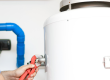
Water connections are also carefully handled. The cold supply and hot outlet lines are connected using appropriate fittings, often with flexible connectors to reduce stress and allow for future service. In many modern installations, thermal expansion tanks are added to protect the system from pressure spikes. The temperature and pressure relief (T&P) valve must be connected to a drain line that safely discharges to an approved location. Every one of these details contributes to the safety and longevity of the system, and they are standard practice for reputable companies like Sewell Plumbing.
Filling, Testing, And Adjusting The System
After all connections are made, the water heater is not simply turned on and left alone. The system must be filled, purged, tested, and adjusted. The plumber will open the cold water supply and allow the tank to fill completely while monitoring for leaks at every joint and connection. During this process, hot water taps inside the home are opened to let air escape from the lines until a steady flow of water appears.
Once the tank is full and air has been purged, the power or gas supply can be turned on. For gas units, the pilot or ignition system is activated following the manufacturer’s instructions. The installer will confirm that the burner ignites correctly and that the flame pattern looks normal. For electric units, the breaker is turned on and the system is allowed to begin heating. It may take some time for a full tank to reach the set temperature, so patience is part of the process.
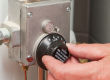
The temperature setting is then adjusted, usually to around 120°F, which is a common recommendation for both safety and efficiency. Hotter settings can increase the risk of scalding, especially for children and older adults, while lower settings may not provide adequate hot water. The installer will verify the actual delivered temperature at a faucet and make fine-tune adjustments as needed.
During this testing phase, the plumber will also check the operation of the T&P valve, inspect for any minor drips that might appear under pressure, and confirm that the venting is drawing properly on gas units. In McKinney’s climate, where attic installations are common, ensuring proper operation under real-world conditions is particularly important. Only after all these checks are completed should the installation be considered finished.
Post-Installation Education And Maintenance Planning
The final essential step in a quality water heater installation is educating the homeowner and planning for maintenance. A good installer does not simply pack up and leave; they take time to explain how the system works, what the controls do, and what signs of trouble to watch for. You should know where the shutoff valves are located, how to turn off the gas or power in an emergency, and how to read any indicator lights or error codes on more advanced models.
Maintenance is often the difference between a water heater that lasts barely a decade and one that serves you well for many years. In areas like McKinney, TX, where water hardness can lead to sediment buildup, periodic flushing of the tank is especially important. Your plumber may recommend a schedule for draining some water from the tank, inspecting the anode rod, and checking for corrosion or leaks. This routine care can improve efficiency and help catch small issues before they become major problems.
It is also wise to discuss warranty terms and what actions might void them. Some manufacturers require professional installation and documented maintenance to keep the warranty valid. Sewell Plumbing can help you understand these requirements and may offer reminders or service plans that keep your system in good standing.
Finally, you should have a clear point of contact for future needs, whether it is annual maintenance, performance questions, or unexpected issues. Establishing this relationship with a trusted local company means you are not scrambling to find help if something goes wrong. For many homeowners, this peace of mind is just as valuable as the hot water itself.
Frequently Asked Questions
How long does a typical water heater installation take? For most standard replacements in McKinney, TX, a water heater installation can be completed in about three to six hours. The exact time depends on factors like how easily the old unit can be removed, whether any code upgrades or new venting are required, and if you are switching types (for example, from electric to gas or tank to tankless). Complex installations or those requiring significant gas line or electrical work can take longer, but a professional like Sewell Plumbing will usually provide a time estimate before starting.
Do I really need a professional plumber to install my water heater? While some homeowners are tempted to attempt a DIY installation, water heater work involves gas lines, electrical connections, combustion venting, and pressurized hot water. Mistakes can lead to gas leaks, carbon monoxide issues, electrical hazards, or water damage. In many cases, manufacturer warranties and local codes also require professional installation. Hiring an experienced plumber in McKinney, TX, such as Sewell Plumbing, helps ensure the job is done safely, meets code, and protects your investment.
What size water heater do I need for my home? The right size depends on the number of people in your household, the number of bathrooms, and how you use hot water. A small family in a modest home may do fine with a 40-gallon tank, while larger families or homes with multiple simultaneous showers might need a 50-gallon or larger unit, or even a tankless system. A professional will look at your peak demand, such as morning or evening routines, and recommend a size that keeps up without excessive energy waste.
How can I tell if my old water heater should be replaced instead of repaired? Common signs that replacement may be better than repair include frequent breakdowns, visible rust or corrosion on the tank, water pooling around the base, or water that looks rusty when hot. If your unit is over 10–12 years old and experiencing issues, investing in a new, more efficient model often makes more sense than putting money into repeated repairs. A trusted plumber can evaluate the condition of your unit and advise whether repair or replacement is the smarter long-term choice. If you are already dealing with issues, you can also look into services like Water heater repair to understand your options.
What can I do to extend the life of my new water heater? Regular maintenance is the key to longevity. This includes flushing the tank periodically to remove sediment, checking and possibly replacing the anode rod before it is fully consumed, inspecting the T&P valve, and ensuring there are no slow leaks at connections. Keeping the temperature set around 120°F reduces stress on the system and helps prevent scalding. Scheduling routine checkups with a professional plumber in McKinney, TX, like Sewell Plumbing, can keep your system efficient and catch small problems early, extending the life of your investment.