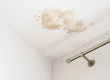
The first hint is almost nothing at all: a faint hissing behind a wall, a slightly warm spot on the floor, or a water bill that creeps higher every month even though your habits haven’t changed. Maybe you notice a small discoloration on the ceiling over your kitchen in McKinney, TX and assume it’s an old stain. Weeks later, that “small” issue turns into peeling paint, a sagging sheetrock panel, and the realization that water has been trickling through your home for far longer than you imagined. This is how many plumbing leaks announce themselves—quietly, slowly, and at the most inconvenient time.
Proper leak detection is about catching those hidden problems before they become expensive emergencies. It isn’t just about spotting a dripping faucet or a puddle under your sink; it’s about understanding how water moves through your plumbing system, where it tends to escape, and what subtle signals it leaves behind. In a growing city like McKinney, with a mix of older homes and new builds, the plumbing behind your walls and under your slab can hide leaks that gradually damage foundations, flooring, insulation, and even indoor air quality.
Sewell Plumbing focuses heavily on accurate, timely leak detection because the true cost of a leak is rarely just the water that escapes. It’s the mold that forms in dark cavities, the warped hardwood, the compromised drywall, and the structural stress on your home. By combining homeowner awareness with professional tools and experience, you can turn leak detection from a reactive scramble into a proactive strategy that keeps your property safe, efficient, and comfortable year-round.
Why Hidden Leaks Are So Dangerous
On the surface, a slow leak might not feel like an urgent problem. There’s no dramatic spray of water, no flooded hallway, no obvious crisis. Yet these quiet leaks are often the most destructive because they work in secret. Water seeping behind walls or under floors can soak studs, subflooring, and insulation for months before you notice a visible sign. By the time a stain or soft spot appears, the materials may already be compromised, and repairs become far more extensive than they needed to be.
Another danger lies in how water interacts with building materials over time. In McKinney’s climate, where humidity and heat can already challenge indoor comfort, trapped moisture from a leak creates a perfect environment for mold and mildew. Spores thrive in damp drywall and wood, and once established, they can spread quickly through the home. That doesn’t just mean unpleasant odors; it can affect indoor air quality and aggravate allergies, asthma, and other respiratory issues, especially in children and older adults.
Hidden leaks are also a financial drain that most homeowners don’t recognize until they see the numbers. A pinhole leak in a copper line or a small crack in a PVC joint may release just a trickle of water, but that trickle adds up to hundreds or thousands of gallons over time. Your water bill rises, but without obvious evidence, it’s easy to blame seasonal use or guests. Proper leak detection connects the dots between rising costs and unseen water loss so you can stop the waste and protect your budget.
Common Leak Sources In McKinney Homes
Every home’s plumbing layout is unique, but certain trouble spots tend to show up again and again. One of the most common sources of leaks is aging supply lines. In older McKinney neighborhoods, galvanized steel or aging copper pipes can corrode from the inside, eventually developing pinhole leaks. Newer homes are not immune either; poorly installed fittings, stress on joints, or manufacturing defects in flexible supply lines can all lead to unexpected water escape.
Another frequent culprit is the plumbing fixtures you use every day. Toilets with worn flappers or faulty fill valves can leak constantly from the tank to the bowl, wasting water without any visible puddles. Faucets and shower valves can develop slow drips or leaks within the wall cavity, especially when seals and cartridges wear out. Even your water heater—whether traditional tank-style or tankless—can be a source of leaks at connections, valves, or the tank itself as it ages. In some cases, issues that start as minor drips can quickly escalate into full ruptures if not addressed.
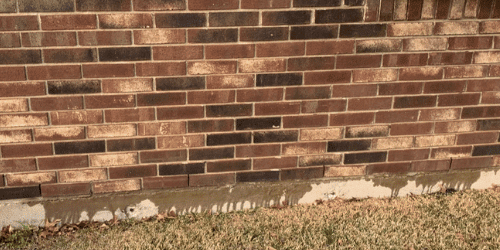
Slab leaks deserve special attention in North Texas. Many homes in McKinney are built on concrete slabs with water lines running underneath. Soil movement, minor foundation shifts, or pipe corrosion can cause those lines to crack or separate. Because the pipes are buried, you won’t see the leak directly; instead, you may notice warm spots on floors, unexplained water sounds, or persistent high water bills. Detecting slab leaks often requires professional tools and expertise that go far beyond a basic visual inspection.
Signs You May Have A Plumbing Leak
Homeowners often ask how they can tell the difference between normal quirks in their house and a genuine leak problem. While only professional testing can confirm a leak with certainty, there are several warning signs that should prompt you to call a plumber like Sewell Plumbing for further investigation. One of the most obvious is a sudden or gradual increase in your water bill without a corresponding change in usage. If you’re paying more but not doing more laundry, watering more often, or hosting extra guests, that discrepancy may point to a hidden leak.
Physical changes in your home can also be strong indicators. Stains on ceilings or walls, peeling paint, bubbling drywall, or warped baseboards often signal that water is moving where it shouldn’t. You might notice a musty odor in certain rooms, closets, or under sinks, even after cleaning. Floors that feel spongy, uneven, or unusually warm in spots can suggest moisture below the surface, particularly when it comes to slab leaks under tile or wood flooring.
Your senses can be powerful leak detection tools if you know what to look for. Listen for faint dripping or hissing noises when the house is quiet and no fixtures are running. Check around toilets and tubs for signs of movement or gaps in caulk that could allow water to seep into surrounding materials. If you suspect a leak, a simple test is to turn off all water-using appliances and fixtures, then check your water meter; if it continues to move, water is going somewhere it shouldn’t, and it’s time to bring in a professional.
How Professionals Find Hidden Leaks
Once you suspect a leak, the next challenge is pinpointing its exact location without tearing your home apart. This is where experienced plumbers and specialized tools make all the difference. At Sewell Plumbing, leak detection starts with a careful conversation: understanding your observations, reviewing your water bills, and asking detailed questions about when and where you’ve noticed issues. That information guides a targeted investigation rather than random guesswork.
Technicians may then use acoustic listening equipment to detect the sound of water escaping from pressurized lines. Even tiny leaks create distinct noise patterns, and sensitive microphones can pick up those sounds through walls, floors, and slabs. Thermal imaging cameras can reveal temperature variations caused by hot or cold water leaks, showing patterns that the naked eye can’t see. These tools allow plumbers to narrow down problem areas before making any openings in walls or floors, preserving as much of your home as possible.
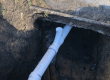
In some cases, pressure testing is used to evaluate the integrity of specific sections of your plumbing system. By isolating lines and monitoring how well they hold pressure, plumbers can determine whether leaks are present even when they’re not immediately visible. For drains and sewer lines, camera inspections provide a real-time view inside pipes, revealing cracks, root intrusions, or misaligned joints that could be causing water to escape into the surrounding soil. The goal is always the same: find the leak quickly, accurately, and with minimal disruption to your home.
Prevention And Maintenance Strategies
While no plumbing system is completely immune to leaks, you can significantly reduce your risk by adopting smart maintenance habits. One of the best strategies is simply paying attention. Take a few minutes each month to inspect under sinks, around toilets, behind washing machines, and near your water heater for any signs of moisture, rust, or corrosion. Listen for unusual sounds when no water should be running, and make it a habit to glance at your water bill and compare it to previous months.
Routine professional inspections are another powerful line of defense. Having a trusted local company like Sewell Plumbing perform periodic checks on your system can catch small issues early. Technicians can assess the condition of shutoff valves, supply lines, and visible piping, and recommend replacements before failures occur. If your home is older or you’ve had repeated leak issues, a more detailed evaluation of your plumbing materials and layout can help you plan for targeted upgrades instead of reacting to repeated emergencies.
Upgrading vulnerable components is often a wise investment. Replacing old rubber washing machine hoses with braided stainless lines, installing high-quality shutoff valves, and addressing known trouble spots can dramatically lower your chances of sudden leaks. If you’re already considering improvements such as fixture upgrades or Water heater replacement, it’s a good opportunity to have your plumber review adjacent lines and connections for early signs of wear. Preventive work may not be as dramatic as fixing a burst pipe, but it saves money, stress, and potential property damage over the long term.
Why Choose A Local Expert Like Sewell Plumbing
Leak detection is not just about technology; it’s also about local knowledge and experience. McKinney, TX has its own mix of soil conditions, building styles, and water quality factors that influence how and where leaks develop. A company rooted in the area, such as Sewell Plumbing, understands the patterns that tend to show up in local homes and can use that insight to streamline the diagnostic process. They know which neighborhoods are more likely to have slab issues, which construction eras favored certain pipe materials, and how seasonal changes affect plumbing systems.
Working with a local expert also means faster, more personalized service when time matters most. If your water bill spikes suddenly or you discover a suspicious stain, you don’t want to wait days for a response or deal with a technician unfamiliar with your type of home. A nearby team can arrive quickly, bring the right tools, and communicate clearly about what they find and how they plan to fix it. That responsiveness is especially important when a suspected leak could be undermining your foundation or causing hidden mold growth.
Finally, a trusted local plumber becomes a long-term partner in maintaining your home. Instead of treating each leak as an isolated event, Sewell Plumbing can help you see the bigger picture: recurring issues that point to systemic problems, opportunities to modernize parts of your plumbing, and maintenance schedules that fit your home’s age and usage. Over time, that relationship translates into fewer surprises, better planning, and a home that stays dry, safe, and efficient for your family.
Frequently Asked Questions
How can I tell if a high water bill is caused by a leak? Start by ruling out obvious explanations like extra laundry, lawn watering, or guests staying with you. Then perform a simple test: turn off all faucets, fixtures, and water-using appliances in your home. Check your water meter, wait 15–30 minutes without using any water, and check it again. If the reading has changed, water is flowing somewhere, which strongly suggests a leak. At that point, contacting a plumber like Sewell Plumbing for professional leak detection is the best next step.
Are slab leaks really that serious? Yes, slab leaks can be very serious because they occur beneath your home’s foundation. Over time, water escaping under the slab can erode soil, contribute to foundation movement, and damage flooring above. Additionally, they are often difficult for homeowners to detect early, which means the leak may persist for months before being discovered. Prompt professional diagnosis and repair are critical to minimizing structural damage and repair costs.
Can I use DIY leak detection tools instead of calling a plumber? Basic DIY checks, such as food coloring in toilet tanks or monitoring the water meter, are helpful first steps and can sometimes identify simple issues. However, most hidden leaks—especially those in walls, ceilings, or under slabs—require specialized equipment and experience to locate accurately. Without the right tools, you may end up cutting unnecessary holes or missing the true source of the problem. A professional from Sewell Plumbing can use advanced techniques to find leaks quickly and precisely.
How often should my plumbing be inspected for leaks? For most homes in McKinney, a comprehensive plumbing inspection every one to two years is a good rule of thumb, especially in older properties or those with a history of leaks. However, you should schedule an immediate inspection any time you notice warning signs such as unexplained water bill increases, new stains, musty odors, or unusual sounds in your plumbing. Combining routine professional checks with your own monthly visual inspections provides strong protection against hidden leaks.
What should I do while waiting for a plumber if I suspect a leak? If you believe a significant leak is occurring, your first step should be to locate and turn off the main water shutoff valve to stop further damage. Move valuables and furniture away from any affected areas and place buckets or towels to contain visible water. Avoid using plumbing fixtures until the issue is assessed, and take photos of any damage for insurance purposes. Then contact a local professional like Sewell Plumbing to perform a thorough leak detection and recommend appropriate repairs.