How confident are you that your new water heater will be installed safely, efficiently, and sized correctly for your home’s real hot water demands? For many McKinney, TX homeowners, the decision to replace a water heater is triggered by a cold shower, a leaking tank, or a sudden spike in energy bills. But what happens next – the way that heater is selected, sized, and installed – has a bigger impact on comfort, safety, and long-term cost than most people realize. That’s where expert plumber advice becomes more than a convenience; it becomes a form of protection for your home and your budget.
Professional plumbers who specialize in water heater installation, like Sewell Plumbing here in McKinney, know that every home has its own unique hot water “fingerprint.” The number of bathrooms, the style of fixtures, whether you have a large soaking tub, how often laundry runs, and even the age of your plumbing system all affect what kind of water heater will truly work best. Skipping that evaluation and simply swapping in “whatever is on sale” can lead to constant lukewarm showers, frequent repairs, and unexpected utility costs. By understanding what expert plumbers look at and why, you can make smarter choices and avoid common installation mistakes.
This guide walks through the critical decisions and details that go into a proper water heater installation from an expert plumber’s perspective. Whether you are considering a standard tank-style unit or a high-efficiency tankless system, you will see how a seasoned McKinney plumber approaches safety, sizing, location, code compliance, and long-term performance. With the right advice, your next water heater won’t just be a replacement – it will be an upgrade to the way your home uses hot water every day.
Choosing The Right Type
The first major decision in any water heater installation is choosing between tank and tankless, gas and electric, and standard efficiency versus high-efficiency models. A professional plumber does not start with brand names or flashy features; they start with how your household actually uses hot water. For example, a busy McKinney family with multiple showers running in the morning and a large washing machine may benefit from a higher capacity tank or a well-sized tankless system that can keep up with those overlapping demands. On the other hand, a smaller household or empty nester couple might prioritize efficiency and space savings over sheer capacity.
Gas versus electric is another key choice, and it is not just about what is already installed. In many homes around McKinney, natural gas is available and can offer faster recovery times and lower operating costs than electric models. However, if your home’s gas line is undersized or poorly routed, an expert plumber might recommend upgrading that line or, in some cases, sticking with a high-efficiency electric unit to avoid major modifications. Sewell Plumbing will evaluate venting options, gas line capacity, and electrical panel limitations before recommending a direction, ensuring that the heater you choose can be safely and properly supported by your existing infrastructure.
Then there is the tank versus tankless debate. Tankless units can provide virtually endless hot water and save space, but they require precise sizing, sufficient gas or electrical supply, and careful installation to perform as promised. A plumber experienced with tankless systems will calculate flow rates based on your fixtures and expected simultaneous use, rather than guessing. Traditional tank heaters, meanwhile, must be sized based on peak hour demand. A 40-gallon tank might be plenty for a small home, while a large McKinney household with multiple bathrooms may need a 50- or 75-gallon unit. Expert advice at this stage prevents undersizing that leads to cold showers and oversizing that wastes energy and money.
Sizing And Capacity Decisions
Proper sizing is one of the most misunderstood aspects of water heater installation. Many homeowners assume that “bigger is better,” but plumbers know that an oversized water heater can short-cycle, waste energy, and increase upfront costs without providing meaningful benefits. Instead, a professional like Sewell Plumbing will look at your home’s peak demand – the hour of the day when you use the most hot water – and match the heater to that load. This involves considering the number of bathrooms, the presence of large tubs or body-spray showers, and the hot water demands of appliances like dishwashers and washing machines.
For tank-style heaters, plumbers use the first-hour rating, which combines the tank size and recovery rate. Two different models with the same gallon capacity can perform very differently depending on how quickly they can reheat water. A 40-gallon tank with a high recovery rate might be sufficient for a home that uses hot water in shorter bursts, while a larger tank might be recommended for homes with long back-to-back showers. In McKinney, where seasonal temperature changes can affect incoming water temperature, an expert plumber also factors in how much the heater must work to raise that water to a comfortable level.
Tankless heaters require a different sizing approach. Here, the plumber calculates flow rate in gallons per minute and temperature rise – how many degrees the water needs to be heated as it passes through the unit. If your family often runs a shower and dishwasher at the same time, the heater must be capable of supplying both without a drop in performance. Undersized tankless units are a common DIY mistake and lead to lukewarm water when multiple fixtures run. Working with a professional in McKinney ensures that the tankless system you choose is sized for real-world use, not just ideal conditions on a spec sheet.
Location, Venting, And Safety
Choosing where and how to install a water heater is not just a matter of convenience; it is a major safety and performance issue. Many McKinney homes have water heaters in garages, attics, or interior closets. Each location comes with its own challenges. In a garage, for example, the water heater must be properly elevated and protected from vehicles, and combustion air must be adequate. In an attic, the plumber must consider drain pans, leak protection, structural support, and safe access for future service. An expert like Sewell Plumbing does not simply “set the tank where the old one was” without verifying that the location is still safe and compliant with current codes.
Venting is another critical area where professional knowledge matters. Gas water heaters produce combustion gases that must be safely directed outside the home. Incorrect vent sizing, improper slope, or the use of incompatible vent materials can lead to back-drafting, carbon monoxide risk, or premature corrosion of the vent system. Modern high-efficiency units may require PVC venting and condensate management, while older-style models use metal flue pipes. An expert plumber understands which venting method is appropriate for your specific unit and ensures that it is installed to manufacturer specifications and local McKinney codes.
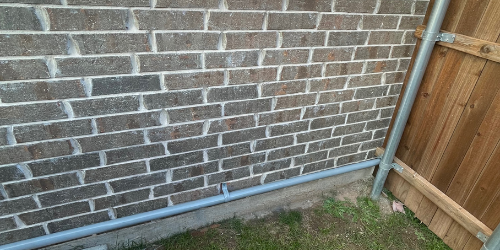
Safety devices are also part of a proper installation. The temperature and pressure relief (T&P) valve must be correctly installed and piped to a safe discharge location. Expansion tanks may be required in closed plumbing systems to prevent dangerous pressure buildup when water expands as it heats. In some cases, seismic strapping or additional bracing might be recommended, especially if the heater is elevated or in a location where movement could be hazardous. These are the kinds of details that rarely show up on DIY videos but are standard practice for professional plumbers focused on long-term safety.
Code Compliance And Local Requirements
Building codes and plumbing regulations are not simply bureaucratic hurdles; they exist to protect homeowners from fire hazards, gas leaks, water damage, and health issues. In McKinney, TX, there are specific requirements for water heater installation that cover venting, combustion air, clearances, drain pans, discharge piping, and more. A licensed plumber from Sewell Plumbing is familiar with these local codes and the latest updates, ensuring that every part of the installation passes inspection and meets safety standards.
One common area of confusion for homeowners is the requirement for drain pans and drain lines when water heaters are located in attics or above finished spaces. Without a proper pan and drain, a leaking tank can cause extensive ceiling and wall damage before anyone notices. Local codes may specify the size and material of the pan, the diameter of the drain line, and where that line can safely terminate. Professional plumbers treat these requirements as non-negotiable, not optional upgrades, because they see firsthand what happens when they are ignored.
Another code-related issue is combustion air for gas water heaters. Modern, tighter homes in McKinney may not provide enough natural air leakage to support safe combustion without dedicated air inlets. If a water heater starves for air, it can produce carbon monoxide or back-draft exhaust into the living space. Plumbers trained in current code requirements will ensure that combustion air openings are correctly sized and located, protecting your family from invisible but serious dangers. This is especially important when replacing older equipment, as new models and new codes often have different requirements than what was originally installed.
Efficiency, Maintenance, And Longevity
An expert plumber does not see installation as a one-time event; they think about how the water heater will perform and hold up over the next 8–15 years. This long-term view influences everything from the choice of materials to the way connections are made. For example, using quality dielectric unions, proper shut-off valves, and full-port ball valves can make future maintenance easier and reduce the risk of leaks. In McKinney’s water conditions, where minerals can contribute to sediment buildup, a plumber may recommend specific models that handle hard water better or suggest installing a water softener or filtration system to extend the heater’s life.
Efficiency is another area where expert guidance pays off. High-efficiency gas models and tankless units can significantly reduce energy use, but only if they are installed and set up correctly. That might include calibrating gas pressure, adjusting temperature settings, and configuring recirculation systems for homes with long pipe runs. A plumber who understands how your home’s plumbing layout affects hot water delivery can design a system that minimizes wasted water and time waiting for hot water at distant fixtures, which is especially helpful in larger McKinney homes.
Finally, ongoing maintenance recommendations are part of expert advice. A professional will explain how often to flush a tank-style heater to remove sediment, when to check anode rods, and what signs indicate that a heater is nearing the end of its life. For tankless units, descaling and filter cleaning schedules are crucial. Sewell Plumbing can set up maintenance reminders or service plans so you are not relying on guesswork. This proactive approach can add years to your water heater’s lifespan and keep it running at peak efficiency, saving you money and avoiding surprise failures.
Why Professional Installation Matters
In an era of online tutorials and big-box store promotions, it can be tempting to view water heater installation as a straightforward DIY project. However, experienced plumbers in McKinney know that what looks simple on the surface often hides complex safety, code, and performance considerations. Mistakes with gas connections, venting, or electrical wiring can have serious consequences, from carbon monoxide poisoning to fire risks. Even seemingly minor errors, like improper pipe support or incorrect T&P discharge routing, can lead to leaks and costly damage over time.
Professional installation by a company like Sewell Plumbing also protects your warranty and your investment. Many manufacturers require that their heaters be installed by licensed professionals for the warranty to remain valid. If a heater fails prematurely due to improper installation, that warranty claim may be denied. In contrast, when a licensed plumber handles the work, you benefit from their experience, their licensing and insurance, and their commitment to standing behind the job. You are not just buying a water heater; you are buying the assurance that it has been installed correctly and safely.
For McKinney homeowners, there is also value in having a local expert who understands the specific challenges of the area – from water quality issues to common home layouts and local code enforcement practices. A trusted local Plumber can answer questions, provide guidance on future upgrades, and respond quickly if problems arise. That ongoing relationship means you have a resource not only for installation day but for the entire life of your water heater.
Frequently Asked Questions
How do I know when it is time to replace my water heater instead of repairing it? Most tank-style water heaters last 8–12 years, while tankless units can last longer with proper maintenance. Signs that replacement is a better option include frequent repairs, rusty or discolored hot water, rumbling or popping noises from the tank due to heavy sediment buildup, and visible leaks around the base of the unit. If your heater is approaching or past its average lifespan and showing these symptoms, a Sewell Plumbing technician in McKinney can inspect it and help you decide whether repair is still cost-effective or if a new, more efficient model would be the smarter investment.
What size water heater do I need for my McKinney home? The correct size depends on your household’s peak hot water usage, not just the number of people living in the home. A plumber will look at how many bathrooms you have, whether you own a large soaking tub, how often you run the dishwasher and washing machine, and whether multiple showers are used at the same time. For tank heaters, they will match your needs to a specific first-hour rating; for tankless systems, they will calculate the required flow rate and temperature rise. This customized approach helps ensure you have enough hot water without overspending on an oversized unit.
Is a tankless water heater really worth it? Tankless water heaters can be an excellent choice, especially if you value endless hot water, space savings, and potential energy savings. However, they require proper sizing, adequate gas or electrical supply, and professional installation to perform as advertised. In some McKinney homes, the cost of upgrading gas lines or electrical service may affect the overall value proposition. An expert plumber will evaluate your existing infrastructure, usage patterns, and budget to help you determine whether a tankless system is a good fit or if a high-efficiency tank-style heater would be more practical.
Can I install my own water heater to save money? While some homeowners attempt DIY installations, there are significant risks involved, especially with gas or high-voltage electric units. Improper venting, incorrect gas connections, lack of required safety devices, and code violations can create serious hazards and may void the manufacturer’s warranty. Additionally, many local codes in McKinney require permits and inspections for water heater installations. Hiring a licensed professional like Sewell Plumbing ensures the job is done safely, meets local requirements, and protects both your home and your investment.
How can I extend the life of my new water heater? Routine maintenance is key. For tank-style heaters, flushing the tank annually to remove sediment, checking the anode rod every few years, and keeping the temperature set at a reasonable level (often around 120°F) can significantly extend the unit’s life. For tankless models, descaling and filter cleaning according to the manufacturer’s recommendations are essential. A McKinney plumber can set up a maintenance schedule tailored to your water quality and usage, helping your water heater operate efficiently and last as long as possible.