
On a quiet Sunday morning in McKinney, you notice something odd: the hallway feels a little cooler than usual, and as you walk toward the guest bathroom, your socks meet a faint, unexpected dampness in the carpet. There’s no obvious puddle, no running faucet, and the toilet isn’t overflowing. Yet, somewhere out of sight, water is escaping, creeping under flooring, soaking insulation, and quietly driving up your water bill. By the time most homeowners realize what’s going on, the leak has already done far more damage than they imagined.
Leak detection in a home is often misunderstood. Many people think it’s just about spotting drips under a sink or noticing a wet spot on the ceiling. In reality, leaks can be subtle, hidden behind walls, under slabs, in crawl spaces, or even underground where your water line runs from the meter to your house. Understanding how leaks start, the signs they leave behind, and the tools professionals use to track them down is crucial if you want to protect your home, your budget, and your peace of mind.
For homeowners in McKinney, TX, where temperature swings, clay-rich soil, and aging infrastructure can all stress plumbing systems, leak detection is not just a repair topic; it’s a core part of responsible home maintenance. Sewell Plumbing has seen firsthand how a small, undetected leak can turn into a major restoration project. The more you understand about how leaks behave and how they’re found, the better equipped you’ll be to act quickly and make smart decisions when something doesn’t seem quite right.
Why Leaks Are So Dangerous
Water seems harmless when it’s flowing from a faucet or filling a bathtub, but once it escapes where it shouldn’t, it becomes one of the most destructive forces inside a home. A slow leak behind a wall can saturate drywall, studs, and insulation for weeks or months before a stain ever appears. By the time you see discoloration or bubbling paint, the materials behind the wall may be compromised, mold could be spreading, and wood may be warping or rotting. This kind of damage is particularly common around bathrooms, kitchens, and laundry rooms where several water lines converge.
There is also a financial danger that is easy to overlook. Even a small, steady leak can waste hundreds or thousands of gallons of water over time. In McKinney, TX, where utility costs and conservation both matter, this can lead to higher monthly bills and unnecessary strain on local water resources. Many homeowners first suspect a leak only when they open a bill that is unexpectedly high, but by then the water has already done its work behind the scenes. Understanding this connection between hidden leaks and rising costs is a key part of recognizing when you need professional leak detection.
Beyond structural and financial concerns, leaks pose health risks as well. Damp, enclosed spaces are ideal breeding grounds for mold and mildew, which can aggravate allergies, asthma, and other respiratory issues. When water lingers in places it shouldn’t, it can also attract pests, weaken flooring, and compromise the safety of your home. This is why companies like Sewell Plumbing emphasize early leak detection: finding the source quickly is about more than just fixing a pipe; it’s about protecting your family’s environment and long-term well-being.
Common Types Of Home Leaks
Not all leaks look or behave the same way, and understanding the different types can help you describe the problem more clearly when you call a professional. One of the most common categories is fixture leaks, which occur around faucets, toilets, shower valves, and hose bibs. These are often visible: a drip from a faucet that won’t fully shut off, water collecting around the base of a toilet, or dampness under a sink. While these may seem minor, they can still waste a significant amount of water and lead to cabinet or flooring damage if ignored.
Another major category is supply line and pipe leaks. These can be inside walls, under floors, in attics, or beneath the slab foundation. In McKinney, the shifting clay soil puts constant pressure on underground and slab pipes, which can cause hairline cracks or joint failures. These leaks may not show up as obvious puddles. Instead, you might notice warm spots on a floor where a hot water line is leaking, small cracks forming in walls or tile, or the sound of faint running water even when all fixtures are off. These signs point to leaks that are out of sight but potentially severe.
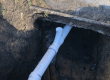
Outdoor and irrigation leaks are another concern, especially in neighborhoods with automatic sprinkler systems and long runs of exterior piping. A broken sprinkler head, cracked irrigation line, or leaking outdoor spigot can saturate soil, cause erosion, and even undermine walkways or driveways. If you see constantly soggy spots in the yard, unusually green patches of grass, or water pooling near the foundation when it hasn’t rained, you may be dealing with an exterior leak. Professionals like Sewell Plumbing take all these possibilities into account when planning a leak detection strategy for your property.
Early Warning Signs To Watch For
Recognizing the early warning signs of a leak is one of the most powerful tools a homeowner can have. The water bill is often the first clue: if your usage suddenly jumps without any change in household habits, it’s a strong indicator that water is escaping somewhere. Comparing your bill to previous months or the same month last year can help you spot unusual trends. Some homeowners in McKinney set a reminder to review their usage quarterly, so they can catch subtle increases before they become major expenses.
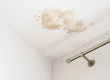
Physical signs around the home are equally important. Stains on ceilings or walls, peeling paint, bulging drywall, or areas where flooring feels soft or spongy underfoot all suggest moisture has been present for some time. In multi-story homes, ceiling stains below bathrooms or laundry rooms often indicate a leak in the supply or drain lines above. Even small details, like caulk separating from a tub or baseboard gaps widening, can be hints that water is moving materials out of alignment.
Your senses can also detect issues before they are visually obvious. A persistent musty odor in a particular room, closet, or cabinet often means that moisture is trapped nearby. You may hear faint hissing or trickling sounds in the walls when no fixtures are running. In some cases, you might notice your water heater cycling more often than usual because of a hot water leak somewhere in the system. When these subtle signs appear, it’s wise to involve a professional like Sewell Plumbing to investigate rather than waiting for a dramatic failure.
How Professional Leak Detection Works
Many homeowners are surprised to learn how sophisticated modern leak detection has become. It’s not just about cutting into walls or guessing where the problem might be. Professional plumbers in McKinney, TX, rely on specialized tools and techniques to pinpoint leaks as accurately and non-invasively as possible. One of the primary methods is acoustic leak detection, which uses sensitive listening equipment to pick up the sound of water escaping from pipes. Even tiny leaks create distinct noise patterns that trained technicians can interpret.
Thermal imaging is another powerful tool. Using infrared cameras, plumbers can see temperature differences on surfaces that the naked eye can’t detect. For example, a hot water leak under a slab may show up as a warm “shadow” on the floor, or a cold water leak in a wall might cool the surrounding area in a way that stands out on the camera. This allows companies like Sewell Plumbing to narrow down the problem area before making any openings in walls or floors, saving time and reducing disruption.
For sewer and drain leaks, video inspection is often the go-to method. A flexible camera is fed into the drain or sewer line, transmitting real-time images of the pipe’s interior. This can reveal cracks, offsets, root intrusions, or joint failures that are causing leaks or backups. In some cases, pressure testing or tracer gas may be used to confirm the presence and location of a leak. While homeowners can spot symptoms, only professional-grade equipment and experience can reliably identify the exact source, which is why expert leak detection is such a valuable service.
What Homeowners Can Safely Check
While advanced leak detection should be left to professionals, there are simple, safe checks homeowners can perform when they suspect a problem. One easy test involves your water meter. Make sure all water-using fixtures and appliances are turned off, then check the meter outside. If the indicator is still spinning or the digital readout is changing, water is moving somewhere in the system, suggesting a hidden leak. Taking a reading, waiting an hour without using water, and then checking again can provide clear evidence that something is wrong.
In bathrooms and kitchens, visually inspect under sinks, around toilets, and behind appliances like dishwashers and washing machines. Look for moisture, corrosion on shutoff valves, water stains, or warped wood. You can also place a few drops of food coloring into a toilet tank and wait 15–20 minutes without flushing; if the color appears in the bowl, the flapper is leaking and allowing water to escape continuously. These small checks can help you identify simple issues or at least gather useful information before a plumber arrives.
Outside, walk your property and pay attention to any consistently wet areas in the yard, especially when there has been no recent rain. Check hose bibs for slow drips and inspect visible irrigation lines and sprinkler heads. If you have access to your water heater, look for puddling around it or signs of rust and corrosion near the base or on connections. While these steps won’t replace professional leak detection, they can help you understand the situation better and may prevent minor problems from turning into emergencies.
Why Timely Professional Help Matters
Once you suspect a leak, the timing of your response can make a huge difference in the outcome. Waiting to “see if it gets worse” often means giving water more time to spread, soak, and damage structural elements. In McKinney’s climate, where humidity and heat can accelerate mold growth, delayed action can quickly transform a manageable repair into a major remediation project. Getting a professional like Sewell Plumbing involved early allows for accurate diagnosis and targeted repair before the problem escalates.
Professional plumbers bring more than just tools; they bring experience in reading the patterns of water damage and understanding how local conditions affect plumbing systems. For example, they know how McKinney’s expansive clay soil can cause slab movement, stressing pipes and fittings. They understand typical construction practices in local neighborhoods and can anticipate where builders usually routed water lines. This local knowledge speeds up the detection process and increases the chances of resolving the issue with minimal disruption.
There is also the matter of long-term reliability. A quick patch or DIY fix might stop a leak temporarily but fail to address the underlying cause, such as excessive water pressure, aging pipes, or incorrect installation. Professional leak detection and repair aim to solve both the immediate problem and the conditions that led to it, helping you avoid recurring leaks in the same area. This approach protects your investment in your home and gives you confidence that the repair will hold up over time.
Preventing Future Leaks
Understanding leak detection is not only about reacting to problems; it’s also about preventing them. Regular plumbing inspections are one of the best ways to catch potential issues early. Having a trusted company like Sewell Plumbing periodically assess your home’s plumbing system can reveal early signs of wear, corrosion, or stress on pipes and fittings. Replacing aging supply lines, updating old shutoff valves, and checking water pressure can significantly reduce the risk of unexpected leaks.
Homeowners can also adopt simple habits that protect their plumbing. Avoid using harsh chemical drain cleaners that can damage pipes over time, and be mindful of what goes down drains and toilets. Install high-quality hoses for washing machines and refrigerators, and replace them before they fail rather than waiting for a burst. If you plan renovations or additions, make sure plumbing work is done by licensed professionals who follow code requirements; poorly installed pipes are a common source of future leaks.
Technology can play a role as well. Smart water monitors and automatic shutoff valves can detect unusual water usage patterns and even shut off the main supply if a large leak is detected. While these devices don’t replace professional leak detection, they offer an added layer of protection, especially for homeowners who travel frequently or own second homes. Combined with regular maintenance and prompt attention to early warning signs, these strategies make your home more resilient to the hidden dangers of water leaks.
Frequently Asked Questions
How can I tell if I have a hidden leak in my home? Hidden leaks often reveal themselves through indirect signs rather than obvious puddles. Watch for unexplained increases in your water bill, musty odors, warm or damp spots on floors, stains on ceilings or walls, and the sound of running water when all fixtures are off. You can also perform a simple meter test by turning off all water in the house and checking if the meter continues to move. If you notice any of these signs in your McKinney home, it’s wise to contact a professional like Sewell Plumbing for a thorough leak detection assessment.
Are slab leaks common in McKinney, TX? Slab leaks do occur in McKinney due to the region’s expansive clay soil and temperature fluctuations, which can cause foundations to shift slightly over time. This movement places stress on the water lines that run beneath the slab, sometimes leading to cracks or joint failures. Signs of a slab leak can include warm spots on the floor, cracks in walls or tile, and unusually high water bills. Because slab leaks are difficult to access and diagnose without specialized equipment, professional leak detection is essential when these symptoms appear.
Can I use DIY methods to find and fix leaks myself? Homeowners can perform basic checks, such as inspecting under sinks, around toilets, and near appliances for visible signs of moisture, as well as using the water meter test or toilet dye test. These steps are helpful for identifying simple, accessible leaks. However, hidden leaks inside walls, under slabs, or in underground lines require professional tools and expertise. Attempting to open walls or concrete without clear evidence can lead to unnecessary damage and costs. For anything beyond minor fixture repairs, it’s safer and more efficient to call a licensed plumber experienced in leak detection.
What tools do professionals use for leak detection? Professional plumbers use a combination of acoustic listening devices, thermal imaging cameras, moisture meters, and sometimes video inspection equipment to locate leaks with precision. Acoustic tools amplify the sound of water escaping from pressurized pipes, while thermal cameras reveal temperature differences on surfaces that can indicate hidden moisture. Video cameras are particularly useful for inspecting sewer and drain lines from the inside. By combining these technologies with experience and knowledge of local construction practices, companies like Sewell Plumbing can find leaks accurately and recommend the most effective repair options.
When should I call Sewell Plumbing for leak detection? You should contact Sewell Plumbing as soon as you suspect a leak that you cannot clearly see or easily fix, especially if you notice persistent dampness, musty odors, unusual sounds in the walls, or sudden spikes in your water bill. It’s also smart to seek professional help if you live in an older home in McKinney or have experienced foundation movement, as these factors increase the risk of hidden leaks. Early involvement of a professional not only limits damage but also gives you clear information and options for repair, helping you protect your home and budget. For more information about their leak detection and other plumbing Services, you can reach out directly to discuss your specific situation.