Sewell Plumbing Services offers expert plumbing help in McKinney, Allen, and Frisco. Our team is known for being dependable, straightforward, and skilled. We do it all, from checking pipes indoors and outdoors to fixing any kind of plumbing system. We install and service water heaters, clear clogs in showers, toilets, and sinks, find and fix slab leaks, and more. With us, you get quick help for any plumbing problems or updates you need. Choose Sewell Plumbing Services for fast and reliable service in McKinney, Allen, Frisco and more.
Your Local Plumbing Professionals
Sewell Plumbing Services offers expert plumbing help in McKinney, Allen, and Frisco. Our team is known for being dependable, straightforward, and skilled. We do it all, from checking pipes indoors and outdoors to fixing any kind of plumbing system. We install and service water heaters, clear clogs in showers, toilets, and sinks, find and fix slab leaks, and more. With us, you get quick help for any plumbing problems or updates you need. Choose Sewell Plumbing Services for fast and reliable service in McKinney, Allen, Frisco and more.
TotalCare Plumbing Membership
Plumbing System Inspection
10% Off All Services
Priority Scheduling
No After Hours Fees or Service Call Fees
1 Tank Water Heater Flush Included
1 Minor Drain Cleaning Included
$249/year | 1-year commitment required
McKinney’s Trusted Plumbers: Why Choose Sewell Plumbing Services?
Call Now for Fast, Reliable Service! (214) 606-7648
-
Local Expertise: Our McKinney plumbers are licensed, insured, and have years of experience fixing problems specific to our area. We know the ins and outs of McKinney plumbing systems!
-
Fast & Reliable Service: We value your time. Expect prompt arrivals, clear communication, and efficient repairs to get your plumbing back on track quickly.
-
Honest Assessments & Guaranteed Work: We don’t believe in surprises. We’ll provide upfront pricing and honest assessments, and our work is guaranteed to your satisfaction.
-
Comprehensive Plumbing Solutions: Leaky faucets, clogged drains, water heater woes – we handle it all! We offer a wide range of services to keep your McKinney home’s plumbing running smoothly:
- Leak Detection & Repair (including slab leaks)
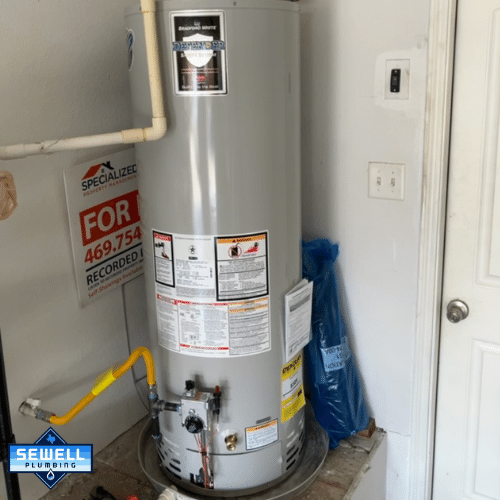
- Water Heater Services (installation, repair, maintenance)
- Drain Cleaning & Repair (including drain jetting)
- General Plumbing Repairs and Installations (faucets, toilets, fixtures)
- Water/Sewer/Gas Diagnostics
- Water Filtration & Softener Systems
-
Customer Satisfaction is Our Priority: We treat our McKinney neighbors like family. We listen to your concerns, answer your questions, and deliver solutions tailored to your needs and budget.
Join the Sewell Plumbing Services Family!
When plumbing problems strike, don’t stress! Sewell Plumbing Services is your trusted McKinney plumber, here to save the day. Contact us today for a free quote and experience the difference of working with a local team you can rely on.
McKinney’s Trusted Plumbers: Why Choose Sewell Plumbing Services?
Call Now for Fast, Reliable Service! (214) 606-7648
-
Local Expertise: Our McKinney plumbers are licensed, insured, and have years of experience fixing problems specific to our area. We know the ins and outs of McKinney plumbing systems!
-
Fast & Reliable Service: We value your time. Expect prompt arrivals, clear communication, and efficient repairs to get your plumbing back on track quickly.
-
Honest Assessments & Guaranteed Work: We don’t believe in surprises. We’ll provide upfront pricing and honest assessments, and our work is guaranteed to your satisfaction.
-
Comprehensive Plumbing Solutions: Leaky faucets, clogged drains, water heater woes – we handle it all! We offer a wide range of services to keep your McKinney home’s plumbing running smoothly:
- Leak Detection & Repair (including slab leaks)
- Water Heater Services (installation, repair, maintenance)
- Drain Cleaning & Repair (including drain jetting)
- General Plumbing Repairs and Installations (faucets, toilets, fixtures)
- Water/Sewer/Gas Diagnostics
- Water Filtration & Softener Systems
-
Customer Satisfaction is Our Priority: We treat our McKinney neighbors like family. We listen to your concerns, answer your questions, and deliver solutions tailored to your needs and budget.
Join the Sewell Plumbing Services Family!
When plumbing problems strike, don’t stress! Sewell Plumbing Services is your trusted McKinney plumber, here to save the day. Contact us today for a free quote and experience the difference of working with a local team you can rely on.
Affordable Pricing and Transparent Quotes
We Serve McKinney & the Surrounding Areas
We understand the importance of budget-conscious solutions when it comes to plumbing services. That’s why we strive to offer competitive and affordable pricing without compromising on the quality of our work. When you request a quote from Sewell Plumbing Services, you can trust that it will be transparent and detailed, outlining all the necessary costs associated with your plumbing project. No hidden fees or surprises—just honest and fair pricing.
Affordable Pricing and Transparent Quotes
We Serve McKinney & the Surrounding Areas
We understand the importance of budget-conscious solutions when it comes to plumbing services. That’s why we strive to offer competitive and affordable pricing without compromising on the quality of our work. When you request a quote from Sewell Plumbing Services, you can trust that it will be transparent and detailed, outlining all the necessary costs associated with your plumbing project. No hidden fees or surprises—just honest and fair pricing.


Schedule Your Plumbing Service Today!
Let’s Chat! (214) 606-7648
Don’t let plumbing issues disrupt your life or business any longer. Trust Sewell Plumbing Services to handle all your plumbing needs in McKinney and the surrounding areas.
Residential and Commercial Plumbing Services
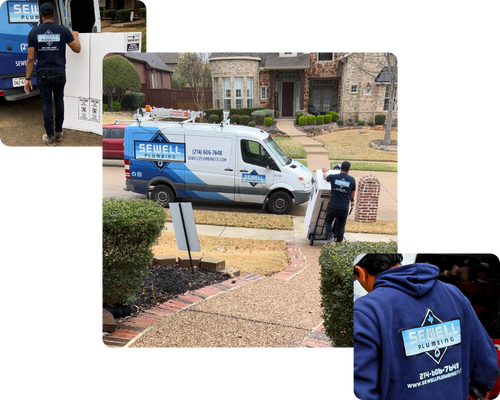
Does your McKinney home or business need a plumbing hero? Sewell Plumbing Services is your one-stop shop for all your residential and commercial plumbing needs.
Trusted McKinney Plumbers for Every Project:
- Residential Plumbing Experts: From leaky faucets to drain clogs or water heater woes, our McKinney plumbers fix it all, ensuring your home’s plumbing runs smoothly.
- Commercial Plumbing Solutions: We handle complex installations, maintenance plans, and emergency repairs for businesses of all sizes in McKinney.
Residential and Commercial Plumbing Services
Does your McKinney home or business need a plumbing hero? Sewell Plumbing Services is your one-stop shop for all your residential and commercial plumbing needs.
Trusted McKinney Plumbers for Every Project:
- Residential Plumbing Experts: From leaky faucets to drain clogs or water heater woes, our McKinney plumbers fix it all, ensuring your home’s plumbing runs smoothly.
- Commercial Plumbing Solutions: We handle complex installations, maintenance plans, and emergency repairs for businesses of all sizes in McKinney.
Plumbing FAQs
General Plumbing:
How can I unclog a drain myself?
Conquering Clogged Drains: DIY Tips and When to Call a Pro
Clogged drains are a common plumbing woe, but often they can be tackled with a little know-how and some household items. Here are a few DIY methods to try:
- The Plunger Power: The trusty plunger is your first line of defense against a clogged drain. Fill the sink or bathtub with enough water to cover the cup of the plunger. Create a tight seal and plunge forcefully for several pumps. If the clog dislodges, you’ll hear a gurgling sound and see the water drain freely.
- Baking Soda and Vinegar Magic: This natural cleaning duo can work wonders on mild clogs caused by grease buildup. Pour half a cup of baking soda down the drain, followed by a cup of white vinegar. The mixture will fizz and bubble, helping to break down the clog. Let it sit for 15-30 minutes, then flush with hot water.
Remember, these methods are most effective for minor clogs. If you’ve tried these tips and the clog persists, there’s a good chance a more stubborn blockage is lurking deeper in the pipes. Sewell Plumbing Services’s experienced McKinney plumbers have the tools and expertise to tackle tough clogs efficiently and get your drains flowing smoothly again. Don’t hesitate to call us – we’re here to save the day!
My toilet won't stop running! What can I do?
Taming the Toilet Torrent: What to Do When Your Toilet Runs Endlessly
A continuously running toilet can be a real bother, wasting water and driving up your utility bills. But don’t panic! Here are a few steps you can take to try and silence the symphony:
-
The Flapper Fix: The most common culprit behind a running toilet is a faulty flapper. This rubber seal rests at the bottom of the tank and prevents water from flowing into the bowl. Lift the lid on your toilet tank and take a peek. If the flapper is cracked, warped, or not sealing properly, it’s likely the source of your woes. Replacing the flapper is a relatively simple DIY fix, and replacement parts are readily available at most hardware stores.
-
Water Level Check: Another potential cause is an overflowing tank. Look for a fill line or marker inside the tank. If the water level is above the line, it could be causing the overflow pipe to run constantly. You might be able to adjust the float mechanism that controls the water level. However, if you’re unsure or uncomfortable making adjustments, it’s best to call in a professional.
Important Note: While these steps might solve the problem, some issues require a plumber’s expertise. If the flapper seems fine, the water level is correct, or the problem persists after adjustments, it’s best to contact Sewell Plumbing Services, your trusted McKinney plumbers. Our team has the knowledge and tools to diagnose and repair any toilet malfunction quickly and efficiently, saving you time and frustration. Don’t hesitate to give us a call – we’ll get your toilet back in harmony in no time!
Why is my water pressure so low?
Water Woes: Why is My McKinney Home’s Pressure So Low?
Stepping into a weak shower or battling a slow-filling sink can be incredibly frustrating. Low water pressure disrupts your daily routines and can signal a plumbing issue. Here are a few reasons why your McKinney home might be experiencing a pressure drop:
- Clogged Pipes: Over time, mineral buildup or debris can accumulate inside your pipes, restricting water flow. This is more common in older homes. While some DIY methods like running hot water faucets to loosen clogs exist, it’s often best to call a professional plumber for a thorough cleaning or pipe replacement if necessary.
- Partially Closed Shut-Off Valve: Check the main shut-off valve near your water meter. If it’s not fully open, it can restrict water flow throughout the house. However, be cautious – only open or close the main shut-off valve when the water supply is turned off at the meter by a licensed plumber.
Diagnosing the exact cause of low water pressure can be tricky. Sewell Plumbing Services’s experienced McKinney plumbers have the expertise to identify the source of the problem quickly and efficiently. They can perform a pressure test to pinpoint the issue and recommend the best course of action, whether it’s cleaning clogged pipes, repairing a faulty pressure regulator, or addressing a leak somewhere in the system. Don’t hesitate to contact us – we’ll get your water pressure flowing strong again in no time!
I don't have any hot water! What's wrong?
Cold Comfort? Why You Have No Hot Water in Your McKinney Home
A sudden lack of hot water can throw your entire day off schedule. Don’t fret! Here are a few things to check before calling in the cavalry:
-
Thermostat Check: Your hot water heater has a thermostat that controls the water temperature. If the setting is too low, you won’t get the hot water you crave. Most thermostats have a visual indicator to show the temperature setting. Consult your water heater’s manual for specific instructions, but generally, you can adjust the thermostat up a few degrees to see if that resolves the issue. Be cautious! Setting the thermostat too high can lead to scalding and is not recommended.
-
Breaker Blues: Your hot water heater is likely powered by electricity or gas. If the breaker trips (electric) or the gas supply is shut off, you won’t have hot water. Check your breaker box for a tripped switch related to the water heater. If it’s flipped, try resetting it once. Important Note: If the breaker trips repeatedly, there might be an underlying electrical issue. Don’t reset it multiple times and call a qualified electrician. For gas hot water heaters, locate the gas shut-off valve near the unit. Ensure it’s fully open. If these checks don’t solve the problem, it’s time to call in a professional.
Diagnosing hot water heater problems can be complex. Sewell Plumbing Services’s experienced McKinney plumbers have the knowledge and tools to diagnose the issue accurately. They can assess the thermostat, check for faulty heating elements, or troubleshoot any other potential problems with your water heater. Don’t hesitate to contact us – we’ll get your hot water flowing again so you can enjoy a warm shower in no time!
Leak Detection and Repair:
How can I tell if I have a slab leak?
The Silent Threat: Signs You Might Have a Slab Leak in Your McKinney Home
A slab leak, a hidden crack or break in the water pipes beneath your concrete foundation, can be a homeowner’s nightmare. Since these leaks occur underground, they can be difficult to detect and cause significant damage if left unaddressed. Here are some signs that might indicate a slab leak in your McKinney home:
- Unexplained Increase in Water Bill: One of the first clues can be a sudden and significant spike in your water bill. This can occur because the leaking water is constantly running, even when you’re not using any appliances.
- Hot Spots on Floors: If the leaking pipe carries hot water, you might notice unusually warm spots on your floor, especially near where the pipes run underneath. This can be felt with your bare feet or even by placing your hand on the floor.
- Cracks in Foundation or Walls: As water pressure builds from the leak, it can cause the foundation or walls to crack. These cracks might appear hairline-thin at first but can grow larger over time.
However, these signs aren’t always definitive, and other factors can mimic them. For accurate slab leak detection, specialized tools and expertise are necessary. Sewell Plumbing Services’s McKinney plumbers are equipped with advanced leak detection technology, including acoustic listening devices and thermal imaging cameras. These tools can pinpoint the exact location of the leak under your slab, minimizing the need for invasive demolition. Don’t wait until the damage gets worse! Contact Sewell Plumbing Services today for a professional slab leak detection and repair service. We’ll get your plumbing system back on track and save you from costly repairs down the road.
I have a leak under my kitchen sink! How do I fix it?
Under-Sink SOS: Dealing with a Kitchen Sink Leak in McKinney
A leak under your kitchen sink can be a real cause for concern. Before water damage takes hold, here are a few initial steps you can take:
-
Locate the Source: The first step is to identify where the leak is coming from. Common culprits include loose connections around the faucet base, a damaged supply line feeding the faucet, or a compromised drainpipe underneath the sink. Carefully examine the area for any visible signs of moisture or dripping.
-
Shut Off the Water Supply: Once you’ve located the source (or suspect a general leak under the sink), the most crucial step is to stop the water flow. Most kitchen sinks have shut-off valves located beneath the sink on the hot and cold water supply lines. These valves are typically handle-operated or knob-style. Turn the valves clockwise until they are completely shut to prevent further water from leaking.
Important Note: While these steps can temporarily stop the water flow, fixing the leak itself often requires plumbing expertise and tools. Unless you’re comfortable with plumbing repairs, it’s best to call in a professional.** Sewell Plumbing Services’s McKinney plumbers are highly skilled in tackling leaks under kitchen sinks. They can diagnose the problem accurately, whether it’s a faulty faucet, a worn-out gasket, or a damaged pipe. Our team has the necessary tools and experience to repair the leak efficiently and get your kitchen back in working order quickly. Don’t hesitate to contact us – we’ll stop the leak and ensure your kitchen plumbing is functioning smoothly again!
What should I do to prevent leaks in my home?
Leak Prevention Power: Proactive Steps to Protect Your McKinney Home
Leaking pipes can cause major headaches, not to mention potential water damage and costly repairs. But fear not! By taking some preventative measures, you can significantly reduce the risk of leaks in your McKinney home. Here are a few key strategies:
-
Be a Leak Detective: Regularly inspect your pipes and hoses for signs of trouble. Look for any bulging, cracking, or corrosion on exposed pipes, especially around areas prone to moisture like under sinks, behind appliances, and in the laundry room. Pay attention to your faucet bases too – loose connections can develop drips over time. Addressing these minor issues early on can prevent them from turning into major leaks.
-
Embrace the Freeze Fighter: If you live in an area with freezing temperatures, take steps to insulate exposed pipes, particularly those in unheated crawl spaces, attics, or exterior walls. Proper insulation helps prevent pipes from freezing and potentially bursting, which can lead to significant leaks and water damage. Pipe sleeves made of foam or fiberglass are readily available at most hardware stores and can be easily installed.
-
Turn Off the Tap When You Travel: Planning a vacation? Before you hit the road, turn off the water supply valve to your house. This added precaution minimizes the risk of leaks occurring while you’re away. In the unfortunate event of a pipe bursting due to freezing or other unforeseen circumstances, this will help prevent extensive flooding while you’re not there. Just remember to turn the valve back on when you return!
By incorporating these simple preventative measures into your routine, you can gain peace of mind knowing you’re taking proactive steps to safeguard your McKinney home from leaks. However, if you suspect a leak or notice any plumbing concerns, don’t hesitate to contact Sewell Plumbing Services. Our experienced plumbers can diagnose the issue and provide expert repairs to keep your plumbing system running smoothly.
How much does it cost to repair a leak?
The Cost of Stopping Leaks: Understanding Leak Repair Expenses in McKinney
Leaking pipes can disrupt your home and cause you to worry about the repair bill. While the exact cost can vary, Sewell Plumbing Services in McKinney is here to shed light on the factors that influence leak repair costs and offer solutions for a transparent experience.
-
Pinpointing the Leak’s Impact: The location and severity of the leak significantly affect the repair price. For example, a straightforward leak under your sink might require tightening a loose connection or replacing a faulty faucet, resulting in a lower cost. However, a hidden slab leak beneath the concrete foundation requires specialized detection equipment and potentially breaking through the floor, driving up the repair expense.
-
Understanding the Repair Process: The complexity of the repair itself also influences the cost. A minor leak might only involve replacing a washer or gasket, which is a relatively simple fix. On the other hand, a major leak could necessitate replacing a larger section of pipe or repairing damaged areas, requiring more time and materials, leading to a higher overall cost.
-
Transparency Through Free Quotes & Upfront Pricing: At Sewell Plumbing Services, we understand your concerns. That’s why we offer free leak detection quotes in McKinney. Our plumbers will pinpoint the source of the leak and provide a detailed breakdown of the repair costs before any work begins. This empowers you to make informed decisions and ensures there are no surprises on the final bill.
Don’t let leaks cause unnecessary stress. Contact Sewell Plumbing Services today! We’ll work diligently to diagnose the leak, explain the repair process, and provide a transparent cost estimate so you can feel confident in getting your plumbing system back on track.
Preventative Maintenance:
How can I extend the life of my water heater?
Water Heater Longevity: Extend the Life of Your McKinney Hot Water Hero
Just like any appliance, your water heater won’t last forever. But with proper care and maintenance, you can significantly extend its lifespan and ensure a steady supply of hot water for your McKinney home. Here are a few key practices to adopt:
-
The Power of Flushing: Over time, sediment can build up at the bottom of your water heater’s tank, reducing efficiency and shortening its lifespan. Flushing your water heater tank annually is an easy yet crucial maintenance step. Most water heaters have a drain valve near the bottom. Consult your owner’s manual for specific instructions, but generally, you can attach a hose to the drain valve and discharge the sediment-laden water.
-
Temperature Tamer: Most water heaters come with a pre-set temperature setting. While a higher temperature setting provides hotter water, it can also lead to faster mineral buildup and increased wear on the heating element. Reducing the temperature to around 120 degrees Fahrenheit (49 degrees Celsius) can help improve efficiency and extend the life of your water heater.
-
Professional Service for Peace of Mind: While flushing and adjusting the temperature are great preventative measures, regular professional maintenance by a licensed plumber is essential for optimal water heater performance and longevity. Sewell Plumbing Services’s experienced McKinney plumbers can perform a thorough inspection, identify potential problems early on, and recommend any necessary repairs or replacements. They can also check the anode rod, a sacrificial component that attracts corrosion and protects the tank, and replace it when needed.
By following these tips and scheduling professional maintenance, you can ensure your McKinney home’s water heater continues to provide you with reliable hot water for years to come. Remember, Sewell Plumbing Services is here to help you extend the life of your water heater and keep your hot water flowing smoothly. Contact us today to schedule your next maintenance service!
What can I do to prevent clogged drains in my house?
Your Guide to Preventing Pesky Drain Problems in McKinney
Clogged drains are a common household woe, but with a few preventative steps, you can keep those pipes flowing freely and avoid frustrating backups. Here are some key strategies to put into action in your McKinney home:
-
Embrace the Drain Guard: These handy devices act as a first line of defense against clogged drains. Stainless steel drain guards fit snugly over the drain opening in your sink or shower and catch hair, food scraps, and other debris before they have a chance to enter the pipes. Empty and clean the drain guard regularly to prevent a build-up of debris that could still cause a clog.
-
Beware of What Goes Down the Drain: Not everything belongs in your drains! Avoid pouring grease, oil, coffee grounds, or eggshells down the kitchen sink. These substances can solidify and contribute to clogs over time. Scrape food scraps into the trash and dispose of cooking grease responsibly. In the bathroom, steer clear of flushing anything other than toilet paper and human waste. Hair can be a significant culprit in shower drain clogs, so consider using a drain trap hair catcher to minimize hair going down the drain.
-
Baking Soda & Vinegar Power: This natural cleaning duo can be a lifesaver for preventing minor clogs. Once a month, pour half a cup of baking soda down your drain, followed by a cup of white vinegar. The mixture will fizz and bubble, helping to loosen and break down any accumulated grease or soap scum that could lead to clogs. This is a great preventative measure, but for tough clogs, a plumber’s expertise might be needed.
By following these simple tips, you can significantly reduce the risk of clogged drains in your McKinney home. However, if you do experience a clog, don’t hesitate to contact Sewell Plumbing Services. Our experienced plumbers have the tools and know-how to tackle tough clogs efficiently and get your drains flowing smoothly again. We’re here to help you keep your plumbing system healthy and clog-free!
Should I shut off my water supply when I go on vacation?
Vacation Tranquility: To Shut Off the Water, or Not to Shut Off the Water – That is the McKinney Homeowner’s Question
Heading out on vacation should be a time to relax and recharge, but the worry of a plumbing mishap back home can cast a shadow. One question that lingers for many McKinney homeowners is whether to turn off the water supply while away. Here’s a breakdown of the potential benefits and considerations to help you decide.
-
Leak Lockdown: Even a small leak left unattended for days during a vacation can lead to significant water damage upon your return. Turning off the water supply eliminates this risk. A burst pipe due to a loose connection or faulty faucet can cause major flooding. Shutting off the water cuts off the source and prevents this potential disaster. Consider the peace of mind that comes from knowing your home is less susceptible to water woes while you’re soaking up the sun.
-
Weighing the Factors: The decision to turn off the water depends on several factors. For shorter weekend getaways, it might not be necessary. However, for extended vacations, especially during harsh winter months, shutting off the water becomes a more attractive option. If you live in a warmer climate with minimal risk of freezing pipes, leaving the water on with a trusted house sitter who can check on things might be sufficient.
Ultimately, the choice is yours. Sewell Plumbing Services in McKinney is here to help! We can discuss your specific situation, advise on potential risks based on your climate, and even help winterize your plumbing system if needed. Contact us today to ensure a stress-free vacation knowing your McKinney home’s plumbing is in good hands.
How often should I schedule plumbing maintenance?
Plumbing Peace of Mind: The Ideal Maintenance Schedule for Your McKinney Home
Just like your car needs regular tune-ups, your plumbing system in McKinney thrives with preventative maintenance. But how often is “often enough”? Here’s a guide to scheduling professional plumbing maintenance for optimal performance and peace of mind:
-
Considering Age and Complexity: The age and complexity of your plumbing system play a significant role. Older systems (over 15 years) might benefit from more frequent check-ups (every 1-2 years) as they are more prone to wear and tear. Newer systems can enjoy slightly longer intervals (every 3-5 years) before a professional takes a closer look. Homes with intricate plumbing setups, featuring multiple bathrooms, water softeners, or sprinkler systems, might require more frequent maintenance (every 2-3 years) to ensure all components function smoothly.
-
Water Quality Matters: The minerals lurking in your water can also influence the maintenance schedule. Hard water, with its high mineral content, can lead to faster buildup in pipes and fixtures. To combat this, consider annual maintenance to address potential issues before they become problematic. If you’re unsure about your water hardness, a simple test can be conducted.
-
Yearly Maintenance: A Strong Baseline: Sewell Plumbing Services in McKinney recommends annual professional maintenance as a solid foundation. This comprehensive service includes a thorough inspection of your entire plumbing system. Our experienced plumbers will identify potential problems early on, like minor leaks or loose connections, and address them before they morph into major repairs. Early detection is key to saving you money and hassle down the road.
Remember, this is just a general guideline. Sewell Plumbing Services is happy to discuss your specific needs and recommend a customized maintenance plan to keep your McKinney home’s plumbing system in top shape. Contact us today to schedule your appointment and enjoy the peace of mind that comes with a well-maintained plumbing system!
Water Heaters:
Why is My Water Heater Making Strange Noises?
Strange Sounds from Your Water Heater? Don’t Panic, McKinney!
A sudden symphony of strange noises coming from your water heater can be a cause for concern. But before you envision a plumbing disaster, let’s explore the reasons behind these unsettling sounds and what you can do about them.
-
The Sedimentary Symphony: The most common culprit behind rumbling or knocking noises is sediment buildup at the bottom of your water heater tank. Over time, minerals and other particles can accumulate, reducing efficiency and creating hot spots. As water heats unevenly around these hot spots, it can cause the tank to vibrate and produce those rumbling or knocking sounds. Regular flushing by a professional plumber can remove this sediment buildup and restore quiet operation to your water heater.
-
The Bubbling Blues: If you hear a hissing or bubbling sound, it might indicate loose connections around the water heater’s pipes or valves. While not an immediate emergency, it’s important to address these leaks to prevent water damage and wasted energy. A qualified plumber can tighten any loose connections and ensure your water heater operates efficiently.
-
The Expansion Echo: Metallic banging or popping sounds might be due to thermal expansion within the water heater tank. As water heats, it expands, and this can cause some internal components to shift and create these noises. While generally not a serious concern, if the banging or popping sounds become excessive, it’s best to consult a plumber to rule out any underlying issues.
If you’re experiencing strange noises from your water heater in McKinney, don’t hesitate to contact Sewell Plumbing Services. Our experienced plumbers can diagnose the cause of the sounds and recommend the most effective solution to get your water heater operating quietly and efficiently once again. We’re here to ensure your home’s hot water flows smoothly and without any unwanted musical interludes!
Why Isn't My Hot Water Lasting as Long as Before?
Hot Water issues in McKinney? Here’s Why Your Supply Might Be Running Short
Taking a refreshing shower only to have the hot water sputter out halfway through is a frustrating experience. If you’re noticing your McKinney home’s hot water supply running out faster than usual, several factors could be at play. Here, Sewell Plumbing Services dives into the most common culprits:
-
The Heating Element Hustle: Your water heater relies on heating elements to warm the water in the tank. If one or both elements malfunction, it takes longer to heat the water, or it might not reach the desired temperature altogether. This translates to a shorter supply of hot water before the tank needs to reheat. A qualified plumber can diagnose a faulty element and recommend repair or replacement to restore your hot water flow.
-
Sediment Buildup Blues: As with strange noises, sediment buildup at the bottom of your water heater tank can also impact hot water availability. This sediment insulates the water, making it take longer to heat and reducing the overall storage capacity of the tank. With less hot water stored, your supply runs out faster. Regular flushing by a professional plumber can remove this sediment buildup and ensure your water heater operates efficiently, providing a longer-lasting supply of hot water.
-
The Leaky Leak: Even a small leak in your water heater tank or pipes can significantly reduce the amount of hot water available. The leak allows heated water to escape, diminishing the supply in the tank. Left unchecked, leaks can also lead to water damage and higher utility bills. Sewell Plumbing Services’s experienced technicians can identify and repair leaks to prevent hot water loss and potential damage.
If you’re experiencing a dwindling hot water supply in your McKinney home, don’t hesitate to contact Sewell Plumbing Services. Our plumbers can diagnose the cause and recommend the most effective solution to get your hot water flowing abundantly once again. We’re here to ensure your showers are steamy and your dishes get sparkling clean without running out of hot water!
My Pilot Light Won't Stay Lit! How Can I Fix It?
Caution! Don’t Tackle a Water Heater Pilot Light Yourself: Call Sewell Plumbing Services in McKinney
A flickering or extinguished pilot light on your water heater can send shivers down your spine, especially during a cold McKinney winter. While the urge to fix it yourself might be strong, it’s crucial to prioritize safety. Here’s why attempting a DIY repair is not recommended, and what Sewell Plumbing Services can do to help.
-
The Dangers of Gas: Natural gas is a highly flammable fuel, and any improper handling can lead to dangerous leaks or explosions. Working with gas appliances requires specialized knowledge and tools. Unless you’re a licensed professional plumber, attempting to fix your pilot light yourself poses a significant safety risk to yourself and your loved ones.
-
Diagnosis is Key: There are several reasons why a pilot light might not stay lit. These include a faulty thermocouple, clogged gas line, or problems with the gas valve or ignition system. A qualified plumber has the expertise to diagnose the exact cause and recommend the proper repair solution.
-
Sewell Plumbing Services: Your McKinney Water Heater Experts: Our experienced plumbers are trained and licensed to safely handle gas appliances. We can quickly diagnose the issue with your pilot light, fix the problem efficiently, and ensure your water heater operates safely and reliably once again. We prioritize your safety and provide a long-lasting solution to keep your hot water flowing.
If your water heater’s pilot light won’t stay lit, don’t hesitate to contact Sewell Plumbing Services in McKinney. Our priority is your safety and comfort. We’ll get your hot water heater back up and running quickly and efficiently, so you can enjoy peace of mind and a warm shower without worry.
How Do I Know If My Water Heater Needs to Be Replaced?
Water Heater on the Fritz? Signs It’s Time for Replacement in McKinney
Every appliance has a lifespan, and your water heater is no exception. While they can provide reliable hot water for many years, there comes a time when replacing your McKinney home’s water heater becomes necessary. Here are some key signs to watch out for:
-
The Age Factor: Traditional tank water heaters typically last around 10-15 years, while tankless models can reach 20 years or more. If your water heater is nearing or exceeding this age range, and you’re experiencing problems, a replacement might be the most cost-effective solution compared to frequent repairs.
-
The Leaky Dilemma: Water heater leaks are a serious concern. They can cause significant water damage to your home and surrounding structures. A small leak might be repairable, but extensive leaks often indicate a failing tank that needs replacement. Don’t ignore leaks – contact Sewell Plumbing Services in McKinney for prompt inspection and recommendations.
-
The Hot Water Hiccups: A consistent lack of hot water, even after adjusting the temperature, or lukewarm water at best, can signal trouble. This could be due to a malfunctioning heating element, excessive sediment buildup, or a failing tank. If repairs don’t provide a lasting solution, a new water heater might be the best option to restore consistent hot water flow.
Sewell Plumbing Services understands the importance of reliable hot water in your McKinney home. Our experienced plumbers can assess your current water heater, diagnose any issues, and recommend the most cost-effective solution, whether it’s repair or replacement. We offer a variety of water heater options to suit your needs and budget. Contact us today to schedule an appointment and ensure your home enjoys a steady stream of hot water for years to come!