
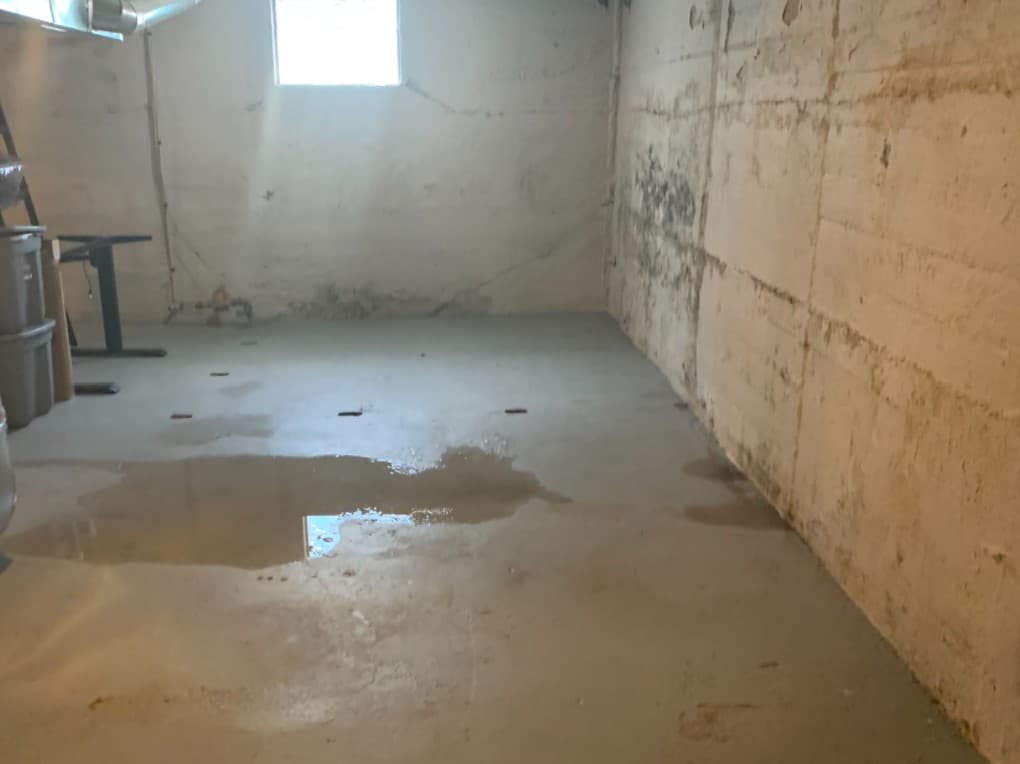
Experiencing a basement water leak repair can be a homeowner’s nightmare, leading to significant damage if left unaddressed. Understanding the ins and outs of basement water leak repair is essential for maintaining the integrity of your home. This comprehensive guide will cover everything you need to know, from identifying the source of leaks to implementing both temporary and permanent repair solutions.
Basement Water Leaks
Understanding Basement Water Leaks
Basement water leaks occur when water finds its way into the basement of a house through cracks in the foundation, walls, or floor, or as a result of poor drainage around the home. Recognizing the signs of a leak early can save you from costly repairs and structural damage.
The Importance of Timely Repairs
Timely intervention in basement water leak repair can prevent mold growth, protect belongings stored in the basement, and maintain the structural integrity of your home. Quick action can also save you money in the long run by avoiding more extensive repairs.
Overview of Repair Strategies
There are several strategies for basement water leak repair, ranging from DIY fixes to professional services. This guide will explore various approaches to help you choose the best solution for your situation.
Identifying the Source of Basement Water Leaks
External vs. Internal Leak Sources
Identifying whether the leak originates from outside or inside your home is crucial. External sources might include landscaping and drainage issues, while internal sources could be related to plumbing or high humidity.
Common Signs of Basement Water Leaks
Signs of basement water leaks include damp spots on walls, a musty smell, peeling paint or wallpaper, and visible mold. Spotting these signs early can lead to a quicker resolution.
Professional Assessment and Diagnosis
Sometimes, the source of a leak is not obvious. Hiring a professional to assess and diagnose the problem can ensure that the repair strategy targets the actual cause of the leak.
Preparing for Basement Water Leak Repairs
Safety Precautions and Tools Required
Before attempting any basement water leak repair, gather the necessary tools and equipment, and follow safety precautions to prevent injury or further damage to your home.
DIY Repair vs. Hiring Professionals
Deciding whether to tackle repairs yourself or hire professionals depends on the leak’s severity, your skills, and the potential cost. Minor leaks might be manageable with DIY solutions, while significant issues often require professional expertise.
Initial Steps Before Repair
The first step in any repair process is to thoroughly dry out the area. Use fans, dehumidifiers, and sump pumps to remove moisture. Clearing the space also provides better access to the affected area for repair.
External Causes of Basement Water Leaks
Poor Drainage and Landscaping Issues
One of the leading external causes of basement water leaks is inadequate drainage around the home. When rainwater or snowmelt doesn’t properly drain away from the building’s foundation, it can seep into the basement. Correcting the landscape slope and installing proper drainage systems are essential steps in basement water leak repair.
Foundation Cracks and Wall Gaps
Over time, a home’s foundation can develop cracks due to settling, soil pressure, or extreme weather conditions. These cracks and gaps between basement walls and floors can become channels for water entry. Sealing these openings is a critical step in preventing leaks.
Gutter and Downspout Malfunctions
Gutters and downspouts that are clogged or improperly configured can direct water towards the foundation instead of away from it, leading to basement leaks. Regular cleaning and maintenance of these systems are crucial for keeping your basement dry.
Internal Causes of Basement Water Leaks
Plumbing Failures Inside the Home
Leaks from broken or aged pipes within the home can lead to water accumulating in the basement. Regular inspections and maintenance of your home’s plumbing system can help prevent such leaks.
High Internal Humidity and Condensation
Basements are prone to high humidity levels, which can lead to condensation on cold surfaces and subsequently to water accumulation. Using dehumidifiers and ensuring adequate ventilation are effective measures for controlling humidity levels.
Cracks in Basement Floors and Walls
Similar to foundation cracks, any openings in basement floors and walls can allow groundwater to enter. Identifying and sealing these cracks form an integral part of basement water leak repair.
Temporary Solutions for Basement Water Leaks
Using Water Absorbent Materials
In the short term, absorbent materials like sandbags or specialized products can be used to manage minor water intrusion. While not a permanent fix, they can mitigate damage until a more durable solution is implemented.
Applying Sealants and Waterproof Coatings
Waterproof sealants and coatings can provide a temporary barrier against minor leaks. These products are available at most hardware stores and can be applied by homeowners as a stopgap measure.
The Role of Dehumidifiers
Deploying dehumidifiers can help reduce moisture levels in the air, making the basement less hospitable to mold and mildew, which thrive in damp environments. While dehumidifiers won’t fix leaks, they can alleviate symptoms of the problem.
Permanent Repair Solutions
Exterior Waterproofing Methods
Exterior waterproofing involves excavating around the home’s foundation to apply a waterproof coating or membrane. This method is highly effective but can be costly and disruptive.
Interior Drainage Systems
An interior drainage system can be installed beneath the basement floor to collect and redirect water away from the home. This solution often includes a sump pump for efficient water removal.
Foundation Repairs and Crack Injections
For structural issues causing leaks, foundation repair or stabilization may be necessary. Techniques like epoxy or polyurethane injections can seal cracks and prevent water ingress.
Preventative Measures for Basement Water Leaks
Regular Maintenance Checks
Conducting regular inspections of your home’s exterior, interior, plumbing, and drainage systems can identify potential issues before they lead to leaks.
Improving External Drainage
Ensuring that your property has adequate drainage is one of the most effective ways to prevent basement water leaks. This might include installing French drains, grading the landscape, or improving gutter systems.
Waterproofing and Insulation
Applying waterproof coatings and installing proper insulation can help prevent condensation and water intrusion. These measures, combined with effective landscaping and drainage solutions, form a comprehensive approach to preventing basement water leaks.
The Cost of Basement Water Leak Repairs
Estimating Repair Costs
The cost of basement water leak repairs can vary widely depending on the leak’s severity, the chosen repair method, and local labor rates. Simple DIY fixes might only require a few hundred dollars for materials, whereas extensive professional repairs, especially those involving external waterproofing or foundation work, can run into thousands. Providing readers with an understanding of what factors influence the cost will help them budget appropriately for their specific situation.
DIY Repair Savings vs. Professional Service Costs
While DIY repairs can save money upfront, they might not always be the most cost-effective solution in the long run. Inadequately addressed leaks can lead to more significant damage, resulting in higher costs down the line. Balancing the potential savings of a DIY approach against the benefits of professional expertise is crucial for making an informed decision.
Long-term Savings and Home Value
Investing in professional basement water leak repair can lead to substantial long-term savings by preventing further damage, reducing energy costs (through improved insulation and humidity control), and even increasing your home’s value. Comprehensive repairs can also provide peace of mind, knowing that the issue has been thoroughly addressed.
Choosing the Right Repair Service
Credentials and Experience
Selecting the right professional service for your basement water leak repair requires verifying credentials and experience. Look for licensed, insured companies with a proven track record of successfully resolving similar issues. Specialists in basement waterproofing or foundation repair often possess the specific expertise needed for effective, long-lasting solutions.
Customer Reviews and References
Before committing to a service, research customer reviews and ask for references. This can provide insights into the company’s reliability, quality of work, and customer service. Companies that are confident in their work will be happy to share references and examples of previous projects.
Estimates and Warranties
Always obtain detailed estimates from multiple services to compare costs and understand what is included in the repair scope. Warranties are also critical, as they can protect you against future issues related to the repair work. A reputable service will offer a solid warranty that covers both materials and labor.
Legal and Insurance Considerations
Navigating Insurance Claims
Dealing with insurance claims for basement water leak repairs can be complex. Understand your policy’s coverage limits and exclusions concerning water damage and the repair work needed. Documenting the damage thoroughly and maintaining communication with your insurance provider can help streamline the claims process.
Local Building Codes and Permits
Repair work might require permits or need to adhere to local building codes, especially for significant structural changes. Professional repair services will usually manage permit applications and ensure that all work complies with local regulations, but it’s wise for homeowners to be aware of these requirements as well.
The Role of Warranties in Repair Works
Warranties provided by repair services or product manufacturers can offer additional protection and assurance for homeowners. Understanding the terms, conditions, and duration of these warranties is essential for ensuring that your repair investment is protected over time.
FAQs on Basement Water Leak Repair
1. How can I tell if my basement leak is serious?
If you notice standing water, damp walls, mold growth, or a musty smell, your leak might be serious. Cracks in the foundation or walls widening over time also indicate a significant issue. It’s best to consult a professional for an accurate assessment.
2. Can I fix a basement water leak on my own?
Many minor leaks can be addressed with DIY solutions, such as applying sealants or improving drainage around your home. However, for extensive leaks or if the source is not easily identifiable, it’s advisable to seek professional help.
3. What is the best way to prevent basement water leaks?
Preventing basement water leaks involves a combination of internal and external strategies. Ensure proper exterior drainage, repair foundation cracks, maintain your gutters and downspouts, and manage the interior humidity levels with dehumidifiers.
4. How often should I inspect my basement for leaks?
Conducting a thorough inspection of your basement at least twice a year, during spring and fall, is a good practice. Also, inspect after any significant rainfall or rapid snowmelt in your area.
5. How much does it typically cost to repair a basement water leak?
The cost can vary widely depending on the leak’s cause and the repair’s complexity. Simple DIY fixes might cost a few hundred dollars, while professional repairs, especially those requiring external excavation or foundation work, can run into thousands.
6. Will my homeowner’s insurance cover basement water leak repairs?
Coverage varies by policy. Many policies do not cover damage from groundwater seepage or lack of maintenance. It’s essential to review your policy details or consult your insurance provider to understand your coverage.
7. How long does it take to repair a basement water leak?
The repair time can vary from a few hours for simple fixes to several days or weeks for more involved repairs like external waterproofing or foundation repairs. The timeline depends on the repair scope and the method used.
8. Are there any temporary fixes for basement water leaks?
Yes, temporary solutions include using water-absorbent materials, applying waterproof tape or sealants, and using dehumidifiers to manage moisture levels. These can mitigate damage until a more permanent repair is made.
9. What is the difference between internal and external waterproofing?
Internal waterproofing addresses water issues from inside your basement, often involving sealants, drainage systems, and sump pumps. External waterproofing involves excavating around your home’s foundation to apply waterproof coatings or membranes, addressing water intrusion at its source.
10. Can basement water leaks lead to other problems?
Yes, untreated basement water leaks can lead to mold and mildew growth, which can affect air quality and health. They can also cause structural damage over time, potentially leading to more significant and costly repairs.
Conclusion
Recap the critical steps in identifying, repairing, and preventing basement water leak repair, emphasizing the importance of timely action and professional assessment.
Underline the role of regular maintenance and inspections in preventing basement water leaks, highlighting how a proactive approach can save time, money, and stress in the long run.
Conclude by encouraging homeowners to address basement water leaks promptly, underscoring that early intervention is key to preventing more significant issues and ensuring the structural integrity and safety of their homes.