
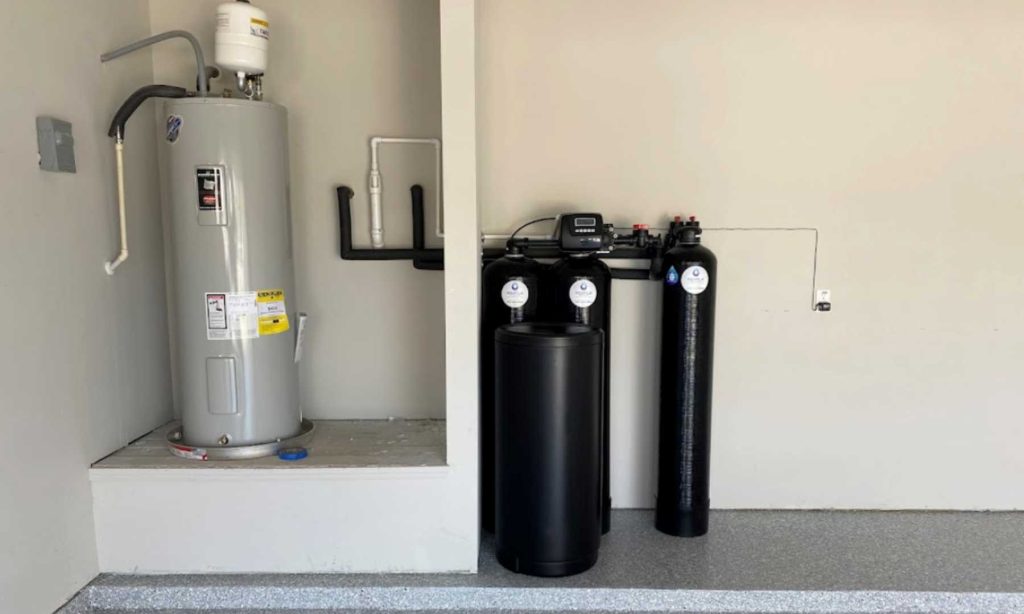
Water softener installation is a vital step for many homeowners looking to improve the quality of their water and protect their plumbing systems. Hard water, characterized by high levels of calcium and magnesium, can cause a variety of problems in your home, from clogged pipes to reduced appliance efficiency. This comprehensive guide will walk you through everything you need to know about installing a water softener, ensuring you can enjoy the benefits of softened water.
Preparing for Water Softener Installation
Assessing Your Water Hardness Level
Before proceeding with water softener installation, it’s crucial to assess your water hardness level. Hard water can cause mineral buildup in pipes, reduce the lifespan of appliances, and affect the effectiveness of soaps and detergents. Testing your water is essential to determine the severity of hardness and the type of water softener you need. You can use home test kits or hire a professional to conduct a thorough analysis. Understanding your water hardness helps in choosing the right water softener.
Choosing the Right Water Softener
Selecting the right water softener is critical for effective water softener installation. There are various types of water softeners, including salt-based, salt-free, and magnetic systems. Salt-based softeners are the most common and effective for severe hardness. Salt-free systems use potassium chloride, while magnetic systems alter the electromagnetic properties of the minerals. When choosing a water softener, consider factors such as water hardness level, household size, and maintenance requirements. Compare different brands and models to find the best fit for your needs.
Gathering Necessary Tools and Materials
Proper preparation is key to successful water softener installation. Gather all necessary tools and materials before you start. Essential tools include pipe cutters, wrenches, pliers, and Teflon tape. You’ll also need installation materials like pipes, fittings, and a bypass valve. Don’t forget safety gear, such as gloves and goggles, to protect yourself during the installation process. Having everything ready ensures a smooth and efficient installation.
Selecting the Installation Location
Finding an Ideal Spot
Choosing the right location is crucial for effective water softener installation. The ideal spot should be close to the main water line and a drain for brine discharge. It should also be accessible for maintenance and refilling the brine tank. Avoid placing the unit in an area exposed to freezing temperatures, as this can damage the system. Ensure the location provides enough space for the unit and allows easy access to electrical outlets if needed.
Preparing the Installation Area
Once you’ve chosen the location, prepare the area for water softener installation. Clear the space of any obstructions and ensure proper ventilation. Check for existing plumbing and electrical connections to simplify the installation process. Ensure the ground is level and stable to support the water softener unit. Preparing the area adequately can prevent installation issues and make the process smoother.
Avoiding Common Location Mistakes
During water softener installation, avoid common location mistakes that can lead to problems. Do not install the unit in a place prone to flooding or near heat sources. Ensure the installation area is free from potential contaminants and provides a stable environment. Avoid placing the unit where it could be exposed to direct sunlight, as this can affect its efficiency. Proper location selection is essential for the longevity and performance of your water softener.
Installing the Water Softener Unit
Connecting to the Main Water Line
The first step in water softener installation is connecting the unit to the main water line. Shut off the main water supply and drain the system to prevent water flow during installation. Cut into the main water line and attach the bypass valve to allow easy maintenance and servicing of the water softener. Use appropriate fittings and sealants to ensure a secure and leak-free connection.
Installing the Brine Tank
Position the brine tank near the water softener unit for easy access. Connect the brine line to the water softener, ensuring a secure and leak-proof connection. The brine tank needs proper drainage to dispose of the brine solution effectively. Make sure the brine tank is stable and won’t tip over during operation. Proper installation of the brine tank is crucial for the system’s efficiency.
Setting Up the Control Valve
The control valve is an essential component of water softener installation. Install the control valve according to the manufacturer’s instructions. This valve controls the regeneration cycle and ensures the water softener operates efficiently. Program the control valve based on your household’s water usage and hardness level. Calibrate the system to ensure optimal performance and consistent water softness.
Plumbing and Electrical Connections
Making the Plumbing Connections
During water softener installation, making proper plumbing connections is vital. Connect the inlet and outlet pipes to the water softener unit, ensuring secure and tight fittings. Use Teflon tape on threaded connections to prevent leaks. Check for any signs of leaks after completing the connections. Proper plumbing ensures efficient water flow through the softener and prevents potential water damage.
Electrical Wiring and Setup
Some water softeners require electrical connections for the control valve and regeneration cycle. Ensure safe electrical wiring during water softener installation. Connect the unit to a suitable power source, following the manufacturer’s guidelines. Test the electrical components to ensure they function correctly. Proper electrical setup is crucial for the reliable operation of the water softener.
Checking and Testing Connections
After completing the plumbing and electrical connections, it’s essential to check and test the entire system. Inspect all connections for leaks and ensure they are secure. Run water through the system to check for proper flow and functionality. Testing the connections helps identify any issues early and ensures the water softener is ready for operation.
Initial System Setup and Testing
Filling the Brine Tank
Filling the brine tank is a crucial step in water softener installation. Add the appropriate type of salt to the brine tank, ensuring it covers the bottom of the tank. Different types of salt, such as pellet, crystal, and block, offer various benefits. Monitor the salt level regularly and refill as needed to maintain optimal performance. Proper brine tank management ensures the efficiency of the water softener.
Running the First Regeneration Cycle
The initial regeneration cycle is an important part of water softener installation. Start the first regeneration cycle according to the manufacturer’s instructions. This process cleans the resin beads and prepares the system for regular operation. Monitor the cycle to ensure everything runs smoothly and check for any issues. The first regeneration cycle is crucial for setting up the system correctly.
Testing Water Softness
After the initial setup and regeneration, test the water softness to ensure the system works correctly. Use water test kits to measure the hardness level of the softened water. Adjust the system settings if necessary to achieve the desired water softness. Regular testing helps maintain consistent water quality and ensures the effectiveness of the water softener.
Regular Maintenance and Troubleshooting
Routine Maintenance Tasks
Regular maintenance is essential for the longevity and efficiency of your water softener. Check the salt level in the brine tank regularly and refill as needed. Clean the brine tank periodically to prevent salt bridges and mushing. Inspect the control valve and other components for wear and tear. Routine maintenance tasks keep the water softener running smoothly.
Common Issues and Fixes
During the lifespan of your water softener, you may encounter common issues that require troubleshooting. Low water pressure, salt bridges, and leaks are frequent problems. Address low water pressure by checking for blockages in the system. Fix salt bridges by breaking up the salt and ensuring even distribution in the brine tank. Repair leaks promptly to prevent water damage. Knowing how to troubleshoot these issues is crucial for maintaining your water softener.
When to Call a Professional
While many maintenance tasks can be performed by homeowners, some issues require professional assistance. If you encounter problems beyond your expertise, such as complex leaks or malfunctioning control valves, it’s time to call a professional. Find a qualified technician with experience in water softener installation and repair. Understanding when to seek professional help ensures your water softener remains in good condition.
Benefits of Water Softener Installation
Improving Water Quality
Water softener installation significantly improves water quality in your home. Softened water is gentler on your skin and hair, reducing dryness and irritation. It enhances the taste and smell of your water, making it more pleasant to drink. Additionally, soft water reduces soap and detergent usage, leading to cleaner clothes and dishes. The overall improvement in water quality is one of the main benefits of installing a water softener.
Protecting Plumbing and Appliances
One of the primary benefits of water softener installation is protecting your plumbing and appliances. Hard water causes scale buildup in pipes, leading to clogs and reduced water flow. It also reduces the efficiency and lifespan of water-using appliances like dishwashers, washing machines, and water heaters. Softened water prevents scale buildup, ensuring your plumbing and appliances last longer and require less maintenance.
Saving Money and Energy
Water softener installation can lead to significant savings on energy bills and maintenance costs. Soft water increases the efficiency of water heaters, reducing energy consumption. It also extends the life of appliances, reducing the need for costly repairs and replacements. Additionally, using less soap and detergent saves money on household supplies. The combined savings make water softener installation a wise investment.
Environmental Considerations
Salt-Based vs. Salt-Free Systems
When considering water softener installation, it’s important to understand the environmental impact of different systems. Salt-based systems use sodium chloride to soften water, which can contribute to salt buildup in the environment. Salt-free systems, on the other hand, use potassium chloride or other methods, which are more environmentally friendly. Choose the system that best balances your needs and environmental concerns.
Water Usage and Conservation
Water softener installation can affect your household’s water usage. Traditional salt-based softeners require water for the regeneration process, which can increase overall water consumption. Implementing water-saving practices, such as fixing leaks and using water-efficient fixtures, can help balance this increase. Water conservation is important for reducing the environmental impact of water softeners.
Proper Disposal of Wastewater
Proper disposal of wastewater from water softeners is crucial for minimizing environmental impact. Brine discharge from salt-based systems can harm local water supplies and ecosystems. Follow local regulations and guidelines for disposing of wastewater responsibly. Consider using eco-friendly alternatives or recycling methods to minimize the impact. Responsible wastewater management is an important aspect of water softener installation.
DIY vs. Professional Installation
Pros and Cons of DIY Installation
DIY water softener installation offers several advantages, including cost savings and the satisfaction of completing the project yourself. However, it also comes with challenges and risks. Improper installation can lead to leaks, inefficiency, and potential damage to your plumbing system. Assess your DIY skills and the complexity of the installation before deciding to go this route. Weigh the pros and cons carefully to make an informed decision.
Advantages of Hiring a Professional
Hiring a professional for water softener installation ensures expertise and experience. Professionals can handle complex installations and troubleshoot any issues that arise. They also ensure the installation complies with warranty and service requirements. The time and convenience saved by hiring a professional can outweigh the initial cost. Professional installation provides peace of mind and long-term reliability.
Cost Comparison
Comparing the costs of DIY and professional water softener installation helps you make an informed decision. DIY installation involves purchasing tools and materials, which can add up quickly. Professional installation fees vary but often include additional services like maintenance and warranty coverage. Consider the long-term value and benefits of professional installation when evaluating costs. The right choice depends on your budget and installation needs.
Case Studies and Real-Life Examples
Residential Water Softener Installations
Success stories from homeowners highlight the benefits of water softener installation. Many homeowners have experienced improved water quality, reduced scale buildup, and lower maintenance costs. Common challenges, such as finding the right location and making plumbing connections, were overcome with careful planning and professional help. Real-life examples provide valuable insights and lessons for your own installation.
Commercial Water Softener Installations
Commercial properties also benefit from water softener installation. Businesses in various industries, from restaurants to hotels, have seen significant improvements in water quality and appliance efficiency. Special considerations, such as larger-scale installations and higher water usage, require tailored solutions. Examples from commercial installations demonstrate the importance of customized approaches and professional expertise.
Innovative Installation Techniques
The latest trends and technologies in water softener installation offer innovative solutions. From smart water softeners with remote monitoring capabilities to eco-friendly systems, advancements continue to improve efficiency and ease of use. Unique approaches, such as integrating water softeners with home automation systems, provide added convenience. The future outlook for water softening systems includes even more innovations to enhance performance and sustainability.
Resources for Further Learning
Books and Guides on Water Softeners
For homeowners interested in learning more about water softeners, several books and guides are available. Recommended reading includes “The Complete Guide to Water Softening” and “Plumbing 101: A Homeowner’s Guide.” Online resources and tutorials offer in-depth information and step-by-step instructions. Further learning helps you make informed decisions and maintain your water softener effectively.
Water Softener Manufacturers and Brands
Choosing the right water softener involves comparing different manufacturers and brands. Leading brands like Culligan, Pelican, and Fleck offer a range of options with varying features and warranties. Customer reviews and ratings provide insights into the reliability and performance of different models. Evaluating manufacturers helps you find a water softener that meets your needs and budget.
Plumbing and Water Treatment Associations
Joining plumbing and water treatment associations provides access to valuable resources and support. Notable associations include the Water Quality Association (WQA) and the International Association of Plumbing and Mechanical Officials (IAPMO). These organizations offer training, certification, and networking opportunities. Being part of these associations helps you stay informed about industry standards and best practices.
FAQs About Water Softener Installation
- What are the benefits of installing a water softener?
Installing a water softener improves water quality, protects plumbing and appliances, and saves money on energy and maintenance costs.
- How do I know if my water is hard?
You can test your water hardness using home test kits or by hiring a professional to conduct a thorough analysis.
- Can I install a water softener myself?
Yes, you can install a water softener yourself, but it requires proper tools, materials, and knowledge. Professional installation is recommended for complex systems.
- How much does professional installation cost?
Professional installation costs vary depending on the system and location but typically range from $500 to $2,000.
- How often should I add salt to the brine tank?
Check the salt level regularly and refill the brine tank when the salt level drops below half. This usually means adding salt every few weeks.
- What maintenance does a water softener require?
Regular maintenance includes checking the salt level, cleaning the brine tank, and inspecting the control valve and other components for wear and tear.
- Can a water softener improve my skin and hair?
Yes, softened water is gentler on your skin and hair, reducing dryness and irritation.
- How long does a water softener last?
With proper maintenance, a water softener can last 10-15 years or longer.
- Are there any environmental concerns with water softeners?
Salt-based systems can contribute to environmental salt buildup. Consider eco-friendly alternatives and follow proper disposal guidelines.
- What should I look for when choosing a water softener?
Consider water hardness level, household size, and maintenance requirements, and compare different brands and models to find the best fit for your needs.
Conclusion
Water softener installation is an important step in improving your home’s water quality and protecting your plumbing system. Proper preparation, installation, and maintenance are essential for achieving the best results. Understanding the benefits and environmental considerations helps you make informed decisions.
Installing a water softener can provide numerous benefits, from better water quality to extended appliance lifespan. Whether you choose DIY installation or hire a professional, following the right steps ensures a successful installation. Stay proactive with regular maintenance to enjoy the long-term advantages of softened water.
We encourage readers to share their experiences and questions about water softener installation. Your insights and stories can help others facing similar challenges. Together, we can promote effective water-softening practices and improve water quality for everyone.