Water leaks in a home rarely announce themselves with a dramatic burst pipe. More often, they creep in quietly: a faint hissing behind a wall, a slightly warm spot on the floor, a water bill that inches up month after month. By the time visible damage appears, moisture may already have weakened framing, fed mold growth, or compromised electrical systems. That is why quality leak detection techniques are not just about saving water; they are a critical part of home safety, protecting your structure, your indoor air, and even your family’s health.
In a fast-growing community like McKinney, TX, where many homes mix older plumbing with newer additions or remodels, the risk of hidden leaks is especially real. Expansion and contraction from Texas heat, shifting soil, and aging pipes can all create tiny openings that turn into costly problems. Modern leak detection goes far beyond simply looking for puddles. It involves listening for subtle acoustic signatures, measuring moisture in building materials, using thermal imaging, and understanding the way water moves through a home. Sewell Plumbing applies these advanced methods to help homeowners identify issues early, so a small leak never has the chance to become a safety hazard.
Quality leak detection is about precision and strategy. Instead of tearing open walls and guessing where a pipe might be failing, trained technicians use a combination of tools and experience to pinpoint trouble spots with minimal disruption. For homeowners, that means fewer holes in drywall, faster repairs, and better protection against structural damage, mold growth, and electrical risks. When done properly, leak detection becomes a preventative safety practice rather than a last-resort reaction to visible damage.
Understanding Hidden Leak Risks
Most people associate plumbing leaks with wasted water and higher utility bills, but the safety implications are just as important. When water seeps into framing, subfloors, or insulation, it can weaken structural elements over time. Wood that stays damp becomes soft, loses its load-bearing capacity, and can contribute to sagging floors or compromised walls. In extreme cases, long-term leaks can even affect the stability of stairs, balconies, or upper-story rooms. This kind of damage usually happens out of sight, which is why early detection is so valuable.
Hidden leaks also create a perfect environment for mold and mildew. In McKinney’s warm climate, moisture trapped behind drywall or under flooring can quickly lead to mold colonies. These growths release spores into the air, which can aggravate allergies, trigger asthma, and contribute to chronic respiratory issues. Families with young children, older adults, or anyone with breathing difficulties are particularly vulnerable. Quality leak detection techniques aim to find moisture before mold has a chance to flourish, protecting both the building and the people inside it.
Another overlooked risk is the interaction between water and electrical systems. A slow leak near wiring, outlets, or junction boxes can increase the risk of short circuits and, in worst cases, electrical fires. If a ceiling leak reaches a light fixture or recessed lighting, the danger increases significantly. Professional leak detection performed by companies like Sewell Plumbing is about more than locating a drip; it’s about mapping where that water could travel and what systems it might affect, so electricians and other specialists can address any safety concerns.
Finally, leaks can affect indoor comfort and energy efficiency. Wet insulation loses its insulating value, forcing your HVAC system to work harder to maintain comfortable temperatures. That can raise energy bills and stress your heating and cooling equipment. When plumbers identify and document moisture patterns, it helps homeowners make informed decisions about repairs, remediation, and follow-up insulation work, closing the loop between plumbing health and overall home performance.
Early Warning Signs Homeowners Should Watch
While advanced tools are crucial for accurate leak detection, homeowners in McKinney can often catch early warning signs long before calling a professional. One of the simplest indicators is an unexplained increase in the water bill. If your usage habits haven’t changed but the bill keeps climbing, it could indicate a hidden leak in a supply line, slab, or irrigation system. Tracking water bills over several months can reveal trends and provide useful information for a plumber investigating a potential problem.
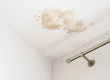
Another sign is the presence of subtle moisture clues around the home. These might include faint discoloration on walls or ceilings, peeling paint, bubbling drywall, or flooring that feels spongy or warped underfoot. In bathrooms and kitchens, persistent dampness around baseboards or cabinets, even when surfaces are wiped dry, can signal a leak under or behind fixtures. In two-story homes, stains on the ceiling below bathrooms or laundry rooms should never be ignored, as they often indicate slow but steady leaks.
Sound and smell can also give away hidden leaks. A continuous hissing or trickling sound when no fixtures are running is a classic red flag. In very quiet conditions, homeowners may hear water movement in walls or under floors. Musty or earthy odors, especially in closed spaces like closets, under-sink cabinets, or attics, can point to long-term moisture issues. These sensory clues aren’t definitive on their own, but they provide valuable starting points for a trained technician using specialized leak detection tools.
For homes with slab foundations, which are common in McKinney, more subtle indicators might include warm spots on tile or concrete floors (suggesting a hot water line leak), small cracks that appear to worsen over time, or areas of the yard that remain damp or lush even during dry weather. When homeowners notice these patterns and call in professionals early, it often leads to smaller, less invasive repairs and lower overall costs.
Professional Acoustic And Pressure Techniques
One of the most widely used professional methods for leak detection is acoustic listening. Pressurized water escaping through a crack or pinhole in a pipe creates distinct sound signatures. Using highly sensitive electronic listening devices, plumbers can “hear” these sounds through walls, floors, and even soil. Technicians trained by companies like Sewell Plumbing learn to distinguish between normal plumbing noise and the specific frequencies associated with leaks, even in noisy environments.
Acoustic leak detection typically involves placing ground microphones or contact sensors at multiple points along suspected pipe routes. By comparing sound intensity and quality at each point, the technician can triangulate the likely leak location. This method is especially useful for locating leaks under concrete slabs or in buried lines where visual inspection is impossible without excavation. It reduces guesswork and helps avoid unnecessary demolition of flooring or landscaping.
Pressure testing is another critical technique. In a pressure test, a section of the plumbing system is isolated and pressurized with water or air. The technician then monitors pressure gauges over a set period. A drop in pressure indicates that water (or air) is escaping somewhere in that segment. Combined with acoustic tools, this allows plumbers to confirm that a leak exists, narrow down its location, and focus further diagnostic efforts where they are most needed.
These methods require not just equipment, but also local knowledge. In McKinney, soil composition, common construction practices, and typical pipe materials all influence how leaks present acoustically and how pressure behaves in a system. Experienced local plumbers understand these nuances, which means quicker, more accurate results and less disruption for homeowners.
Thermal Imaging And Moisture Mapping
Thermal imaging has become one of the most powerful non-invasive tools in quality leak detection. Using infrared cameras, technicians can visualize temperature differences on surfaces such as walls, ceilings, and floors. Water often changes the temperature of building materials—cooler when it’s coming from a cold line, warmer for hot water leaks. These temperature variations appear as distinct patterns on the thermal image, pointing to areas where moisture may be present behind the surface.
For example, a hot water line leaking under a bathroom floor can create a warm streak visible on a thermal camera long before the tile shows any visible damage. Similarly, roof or plumbing leaks in ceilings may show up as cooler regions due to evaporative cooling. In McKinney’s climate, where attic and roof temperatures can be extreme, trained technicians must interpret images carefully, differentiating between normal heat gain and true moisture-related anomalies.
Moisture meters complement thermal imaging by providing direct readings of moisture content in materials like drywall, wood, and concrete. There are pin-type meters that measure resistance between two probes and pinless meters that use electromagnetic signals to assess moisture levels just below the surface. When a thermal camera identifies a suspicious area, a moisture meter can confirm whether the material is actually wet and how saturated it is.
By combining thermal imaging and moisture mapping, plumbers can create a detailed picture of how far water has spread from the original leak. This is essential for planning repairs and remediation. It helps determine where drywall must be opened, which sections of flooring may need to be removed, and where drying equipment or dehumidifiers should be placed. For homeowners in McKinney, this integrated approach minimizes unnecessary demolition while ensuring that all affected areas are properly addressed, reducing the risk of lingering mold or hidden damage.
Smart Technology And Continuous Monitoring
As homes become smarter, leak detection is moving beyond one-time inspections to continuous monitoring. Smart leak detectors and automatic shutoff valves can provide an additional layer of safety, especially in areas prone to leaks like water heaters, washing machines, and under-sink cabinets. These devices sense moisture or abnormal water flow and send alerts to your phone, or in some cases, automatically shut off the water supply to prevent extensive damage.
Whole-home water monitoring systems are particularly useful in busy households and for second homes or rental properties in McKinney. These systems are installed on the main water line and use flow sensors and algorithms to learn your normal water usage patterns. When they detect unusual, continuous flow that suggests a leak, they send alerts and can trigger an automatic shutoff. This kind of protection is invaluable if a leak occurs while you are at work, on vacation, or simply asleep.
Integrating smart leak detection with professional services creates a powerful combination. Devices catch anomalies early, while experienced plumbers handle diagnosis and repair. Sewell Plumbing, for example, can help homeowners choose appropriate smart devices, ensure they are installed correctly, and interpret any alerts in the context of the home’s plumbing design. This prevents overreactions to harmless events while ensuring that true risks get prompt attention.
For older homes in McKinney that may not have been built with modern leak prevention in mind, retrofitting smart sensors in key areas can dramatically reduce the risk of catastrophic water damage. Placing detectors near water heaters, under upstairs bathrooms, and in kitchen sink cabinets can provide early warnings. When combined with regular professional inspections, these technologies turn leak detection into an ongoing safety strategy rather than a one-time event.
Partnering With Local Experts
Even with the best tools and gadgets, the human element remains central to quality leak detection. Local expertise matters because building practices, typical pipe materials, and even municipal water pressure can vary from city to city. In McKinney, TX, plumbers like those at Sewell Plumbing know the area’s housing stock, from newer subdivisions to older neighborhoods, and understand where leaks most commonly occur in each type of construction.
Professional leak detection is as much about pattern recognition and problem-solving as it is about technology. An experienced technician will start by listening to the homeowner’s observations, reviewing water bills, and conducting a visual inspection. They then select the right combination of acoustic tools, pressure tests, thermal imaging, and moisture meters based on the symptoms and the home’s layout. This targeted approach saves time and avoids unnecessary disruption.
Working with a trusted local plumber also simplifies what happens after a leak is found. Identifying the leak is only the first step; the repair must be properly executed, tested, and, in many cases, coordinated with other trades such as drywall repair or mold remediation. A company rooted in the McKinney community understands local codes, inspection requirements, and reliable partners for follow-up work, helping homeowners move from detection to full restoration smoothly.
Finally, ongoing relationships with local experts enable proactive maintenance. After resolving a leak, a plumber can suggest periodic inspections, upgrades to aging components, or strategic installation of shutoff valves and sensors. Over time, this relationship turns emergency leak calls into planned maintenance, significantly improving home safety and reducing the stress and cost associated with unexpected water damage.
Frequently Asked Questions
How can I tell if I have a hidden leak in my home? Common signs of a hidden leak include unexplained increases in your water bill, the sound of running or hissing water when no fixtures are on, damp or discolored spots on walls and ceilings, musty odors, and warm or spongy areas on floors. In slab homes, you might also notice hot spots on tile or concrete, or areas of the yard that stay wet. If you see any of these indicators in your McKinney home, it is wise to contact a professional plumber for a thorough leak detection assessment.
Are professional leak detection methods destructive? Modern leak detection techniques are designed to be as non-invasive as possible. Tools like acoustic listening devices, thermal imaging cameras, and moisture meters allow plumbers to pinpoint likely leak locations without opening large sections of walls or floors. In many cases, only small, targeted access points are needed to confirm and repair the issue. Working with an experienced company like Sewell Plumbing helps ensure that any necessary demolition is minimal and focused.
Is leak detection really necessary if I don’t see any water damage? Yes, because by the time water damage becomes visible, the leak may have been present for a long time. Hidden leaks can slowly weaken structural components, promote mold growth, and affect electrical systems, even when surfaces still look normal. If you notice subtle signs like higher water bills, slight staining, or unusual sounds, scheduling professional leak detection is a proactive way to protect your home and avoid more extensive and expensive repairs later.
How often should I have my home checked for leaks? There is no one-size-fits-all schedule, but many homeowners benefit from a professional plumbing inspection every one to two years, especially in areas with shifting soils or older plumbing systems. In McKinney, where temperature changes and soil movement can stress pipes, periodic inspections are a smart preventative measure. Homes with a history of leaks, previous water damage, or aging pipes may require more frequent checks or targeted monitoring in known problem areas.
Can smart leak detectors replace professional plumbers? Smart leak detectors and whole-home monitoring systems are excellent tools, but they do not replace professional expertise. These devices can alert you to unusual water use or the presence of moisture, often before you notice any visible signs. However, they cannot diagnose the exact cause, location, or extent of the problem. When a smart system sends an alert, you still need a qualified plumber to investigate, confirm the issue, and perform safe, code-compliant repairs. Used together, smart technology and professional leak detection offer the strongest protection for your home.
For more practical plumbing advice beyond leak detection, including everyday fixes like unclogging fixtures, you can also explore resources such as How to unclog a toilet to handle minor issues before they become bigger problems.