
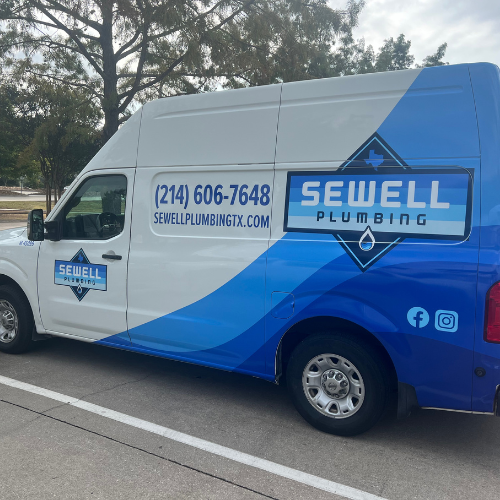
Reliable Plumber Tackling General Plumbing Repairs Daily
The most frustrating plumbing problems don’t always announce themselves. A slow drain might start as “no big deal,” then suddenly you’re running the dishwasher with one hand and holding a bucket with the other. In McKinney, TX—where many homes range from established neighborhoods to newer builds—small issues can escalate quickly due to shifting soil, aging plumbing materials, and peak seasonal water use.
According to industry reporting, water damage from leaks can become extremely costly when left unattended, and many homeowners experience repeat plumbing problems because the underlying cause wasn’t addressed. That’s why reliable daily plumbing repair matters: you need a plumber who can handle more than just the symptom.
In this guide, you’ll learn how general plumbing repairs are approached the right way, what to watch for before a minor issue turns into an emergency, and how to choose practical solutions for common problems like clogs, leaks, fixture failures, and water heater issues—especially in McKinney’s local conditions.
Key Insight: The best “plumbing services near me” aren’t just fast—they’re thorough. A dependable plumber identifies the root cause, protects your home from repeat failures, and restores comfort safely.
General Plumbing Repairs: What “Daily” Really Means for Your Home
General plumbing repairs cover the everyday problems that homeowners run into—faucets that drip, toilets that run, drains that back up, and pipes that quietly deteriorate. But the word “repair” can mean different things. Some contractors patch the visible issue and move on. A truly reliable plumber works through the system, checks pressure and flow, and verifies the fix holds.
In McKinney, TX, this matters because homes often sit on varied ground conditions across the region. Even a small leak can become a larger problem if it affects subflooring, framing, or nearby plumbing lines. One common scenario we see: a homeowner notices dampness near a bathroom wall after a few weeks of minor toilet leaks. The toilet looks “mostly fine,” but a faulty supply line or wax ring issue can be the real driver.
“The best plumbing repairs don’t just stop the water—they prevent the next failure.” — Plumbing Technician, Industry Best Practices
When you search plumbing repair options, look for consistent diagnostic steps: inspection, testing, and documentation of what was found. That’s the difference between getting through tonight and protecting your home long-term.
Common daily repair examples in McKinney include:
- Toilet repair and toilet installation issues (running, leaking, poor flushing)
- Faucet repair for worn cartridges and pressure/temperature problems
- Shower repair for inconsistent water flow or drainage
- Drain unclogging and drain cleaning when buildup causes recurring blockages
Leak Detection and Water Leak Repair: Catch It Early or Pay Later
Leaks rarely behave politely. A leak can be hidden behind walls, under slabs, or inside connections where water evaporates before you notice. That’s why leak detection needs to be more than “look and hope.”
In North Texas, temperature swings and soil movement can stress plumbing joints over time. For businesses and homeowners in McKinney, that can mean more callouts in spring and summer—when water use rises and older plumbing components show their wear.
One local-style case: a family in McKinney reported a faint musty smell near a laundry area. No obvious puddles appeared at first. A technician performed targeted leak detection, locating moisture tracking from a connection just behind a wall. The repair stopped the active leak and prevented ongoing damage to the surrounding materials.
“Water damage follows the path of least resistance—often behind finishes, not across floors.” — Certified Plumbing Inspector (field guidance)
If you suspect a leak, don’t wait for it to become visible. Early repair reduces the risk of mold growth and structural deterioration. For more involved situations, specialized troubleshooting can be essential. If you’re dealing with foundation-related issues, you may need slab leak repair instead of a standard patch.
For straightforward leaks near accessible lines, leak detection and water leak repair typically involve:
- Identifying where water is entering (supply vs. drainage)
- Confirming pressure/flow changes
- Repairing the correct component (not just the surface water trail)
Traditional vs. modern leak detection approaches
| Approach | What it Does | Best For | Risk |
|---|---|---|---|
| Surface inspection + guesswork | Looks for visible moisture and common failure points | Obvious leaks | Missing hidden sources |
| Pressure/flow testing + targeted checks | Confirms system behavior and isolates sections | Most leak investigations | Lower chance of repeat problems |
| Advanced diagnostics (as needed) | Locates hidden leaks with specialized tools | Slab and concealed plumbing issues | Best odds for root-cause accuracy |
When you choose a plumber who performs leak detection with a method—not a hunch—you save money and prevent the “repeat visit” cycle.
Drain Cleaning and Sewer Line Repair: Why Clogs Keep Coming Back
Clogs are rarely one-size-fits-all. A partial blockage can form slowly from grease, hair, soap scum, food debris, and mineral buildup. Then one day it crosses the threshold and your drain backs up—often at the worst time.
McKinney households frequently deal with kitchen drain buildup and bathroom hair/sediment accumulation, especially in older homes where pipe diameter and slope may be less forgiving. If you only unclog the drain and don’t address the cause, the problem can return.
A practical example: a McKinney homeowner called after repeated kitchen backups. The first unclog cleared the immediate blockage, but the line still had ongoing buildup. A more thorough approach identified the pattern and restored proper flow. In many cases, that means pairing drain repair with a deeper cleaning method like hydro jetting (when appropriate for the line and material).
“A one-time unclog feels like success. Long-term success is restoring full flow and preventing the next buildup cycle.” — Drain Maintenance Technician
For more serious blockages or suspected line damage, professionals may recommend sewer line repair or, in severe cases, sewer line replacement. The goal is the same: remove the obstruction and restore reliable drainage.
When you contact plumbing services, ask:
- What caused the clog pattern?
- Are you clearing the blockage only or cleaning the line for long-term flow?
- How will you prevent recurrence?
Water Heaters: Repair vs. Replacement for Electric and Gas Units
Few things disrupt daily life like hot water problems. Whether you have an electric water heater or a gas water heater, the underlying issues can look similar on the surface: lukewarm water, inconsistent temperatures, strange noises, or frequent cycling.
For McKinney homeowners, water heater calls often rise during seasonal temperature shifts. Cold mornings strain heaters that already have aging components. If your unit is struggling, repairs can help—but sometimes replacement is the smarter move.
A real-world scenario: a customer reported that their water heater took longer than usual to recover. A technician inspected the unit and found failing parts affecting efficiency and temperature stability. Repair restored performance, while also advising on maintenance to reduce the likelihood of near-term failure.
When deciding between repair and water heater replacement, professionals consider:
- Age of the unit and expected remaining life
- Safety risks (especially with gas components)
- Efficiency losses and recovery time
- Whether repairs would likely be followed by additional failures
If you’re dealing with persistent problems, start with water heater repair diagnostics. For homeowners considering upgrades, tankless options can also be a strong fit depending on household demand and installation requirements—see tankless water heater repair and tankless water heater installation for details.
Quick decision guide for homeowners
| Symptom | Often Means | Repair Usually Makes Sense When… | Replacement Often Wins When… |
|---|---|---|---|
| Inconsistent hot water | Heating element/burner issues | Unit is relatively new and problem is isolated | Multiple parts are failing or recovery is poor |
| Leaks around tank | Tank corrosion/seal failure | Leak is minor and correctly identified | The tank itself is compromised |
| Frequent cycling | Thermostat/sensor issues | Components are failing but unit is stable | Safety concerns or repeated failures |
Water heater work also intersects with safety. If you have gas equipment and suspect a combustion or venting issue, schedule help promptly—don’t “test it” by trial and error.
Toilets, Faucets, and Fixtures: Small Fixes That Keep Daily Life Comfortable
Not every plumbing issue is dramatic, but many are constant. A toilet that runs quietly all night, a faucet that drips every few seconds, or a shower that drains slowly can turn into a recurring frustration—and wasted water.
In McKinney, we often see fixture wear in homes with busy schedules: growing families, home offices, and outdoor water use that increases overall plumbing demand. Over time, cartridges wear out, wax rings harden, and supply lines can weaken.
One common case: a homeowner calls for a toilet repair because the toilet won’t fully stop running. After inspection, the issue wasn’t only the flapper—it involved fill valve performance and water level adjustment. A proper fix restored consistent operation instead of repeating the same “partial fix.”
For everyday comfort and reliability, reliable plumbers typically handle:
- Toilet installation and updates to improve performance and reduce leaks
- Faucet repair (cartridge and valve replacements)
- Toilet repair for sealing and flushing problems
- Shower repair and drainage improvements
- Bathtub installation or bathtub repair when remodeling or damage occurs
If you’re planning upgrades, fixture work can also align with remodeling plans. For example, kitchen and bathroom improvements often require coordinated plumbing changes. You can review plumbing fixture repair options and connect them to larger projects like kitchen renovations or bathroom renovations.
Planning for Ongoing Plumbing Health: Maintenance, Filtration, and Upgrades
Daily reliability isn’t just about repairs after something breaks. It’s also about maintenance and smart upgrades that reduce failures—especially for homes that depend on steady performance for daily routines.
In McKinney, one of the most overlooked factors is water quality. Sediment and scale can shorten the life of water heaters and clog components over time. For homeowners experiencing mineral-related issues, filtration and softening solutions may help protect plumbing systems. If you’re considering this, explore water filter and softener repair and installation options.
Maintenance also includes preventive checks that many homeowners skip:
- Inspecting visible supply lines and shutoff valves
- Monitoring toilet performance for slow leaks
- Flushing drain systems before buildup becomes severe
- Listening for unusual water heater sounds or cycling behavior
When homeowners are preparing to sell, plumbing updates can protect inspections and reduce last-minute negotiation. For a proactive approach, you can also review pre-listing home renovations to address common plumbing issues before showings and inspections.
Where maintenance pays off most
- Hot water consistency and reduced repair frequency
- Improved drainage flow and fewer emergency calls
- Lower risk of hidden leaks causing structural damage
“Maintenance is risk management. It’s not glamorous, but it keeps your plumbing system from becoming a recurring expense.” — Field Service Lead, Plumbing Industry Standards
What This Means for Businesses in McKinney, TX
For local businesses, plumbing reliability affects more than comfort—it affects operations, reputation, and downtime. A restaurant with a slow drain impacts kitchen workflow. An office with a leaking toilet or faucet can disrupt staff and create safety concerns. And if your property includes multiple restrooms, one plumbing failure can cascade quickly.
McKinney’s mix of residential neighborhoods and commercial growth means properties often share similar challenges: aging plumbing infrastructure, high seasonal water usage, and the need for fast restoration when problems arise. When you work with dependable professionals, you reduce the likelihood of repeated failures and lower the risk of water damage to flooring, walls, and electrical components.
From a cost perspective, small plumbing problems can escalate into bigger expenses when leaks go unnoticed or when drainage issues are only temporarily cleared. Businesses that handle plumbing proactively usually spend less overall because they avoid emergency-level repairs and protect their property before damage spreads.
If you’re managing a commercial property or a high-traffic rental, consider building a simple plan:
- Identify common risk points (restrooms, kitchens, main line access)
- Schedule maintenance checks before peak demand
- Respond quickly to early warning signs (running fixtures, slow drains, pressure changes)
When you choose the right plumbing services in McKinney, you’re not just fixing today’s issue—you’re protecting future uptime.
Frequently Asked Questions
Q: How do I know if I need emergency plumbing services or just a scheduled repair?
A: If you see active water pooling, hear running water where it shouldn’t be, smell sewage, or notice sudden loss of hot water, treat it as urgent. In those cases, delays can cause water damage, mold risk, or further line deterioration. For less immediate issues—like a slow drain that still fully clears, a minor faucet drip, or a toilet that runs occasionally—you can usually schedule service. A technician can also confirm whether the issue is a one-time failure or a developing problem that will likely worsen. If you’re unsure, asking for a quick diagnostic is often the fastest way to prevent the problem from turning into an emergency.
Q: What’s the best way to unclog a toilet without making the problem worse?
A: Start by avoiding anything that could damage parts, like using chemical drain cleaners when you suspect a deeper blockage. A plunger can help when the clog is near the toilet and you can maintain a good seal. If the water level rises repeatedly or the toilet won’t flush after plunging, the blockage may be deeper in the line. At that point, professional toilet repair and proper drain clearing methods reduce the risk of pushing debris further into the plumbing. Also, if you notice recurring clogs, the cause may be a venting or drainage issue rather than “too much paper” alone.
Q: Can a plumber fix an electric water heater the same way as a gas water heater?
A: The overall goal—restore safe and reliable hot water—is the same, but the systems differ. Electric water heaters rely on heating elements and thermostat controls, while gas water heaters depend on burner operation, ignition components, and venting. A proper diagnosis checks the specific failure mode. For example, electric units may require element or sensor replacement, while gas units may need inspection of the burner assembly and safety controls. If you suspect a gas-related issue, prioritize safety and schedule water heater repair promptly rather than troubleshooting yourself.
Q: How do you handle recurring drain clogs—do you just unclog and move on?
A: No. Recurring clogs usually indicate ongoing buildup, pipe slope issues, or a deeper blockage pattern. A reliable approach includes identifying the cause of the backups and restoring full flow, not only removing the immediate blockage. That can involve thorough drain cleaning, targeted drain repair, and in some cases deeper line clearing methods. If multiple fixtures back up, the issue may involve the main line, and sewer line repair diagnostics may be necessary.
Q: What are signs that I might need slab leak repair instead of a standard leak fix?
A: Slab leak symptoms can include unexplained increases in water bills, damp spots that appear without a clear source, frequent water heater cycling, or plumbing sounds within the home. In some cases, you may notice cracks in floors or persistent moisture in areas that don’t line up with visible plumbing routes. If you suspect the leak is beneath the foundation, you’ll want a professional evaluation. For these situations, targeted slab leak repair helps identify the leak location accurately before repairs begin.
Q: Do tankless water heaters require different maintenance than traditional units?
A: Yes. Tankless systems rely on consistent flow, proper venting, and correctly functioning internal components. Maintenance often includes checking filters/screens, verifying operation settings, and ensuring proper performance under demand. When problems occur—like scale buildup or temperature instability—repairs may involve flushing, component replacement, or adjustments depending on the model. If you’re experiencing performance issues, schedule tankless water heater repair so you don’t waste energy or risk repeated failures. For new installations, professional tankless water heater installation helps ensure long-term reliability.
Q: How can I prevent faucet and toilet leaks from returning after repairs?
A: Recurrence usually comes from an incomplete fix, incorrect part selection, or a connection that wasn’t fully addressed. A technician should inspect the entire assembly, verify water pressure and fitment, and confirm that seals and connections hold under normal use. For toilets, the wax ring and fill/flush components must align properly. For faucets, cartridges and valve seats should match the fixture design. If you want long-term results, choose a plumber who explains what was found and what was replaced—so you’re confident the repair wasn’t a temporary workaround.
Ready to Get Started?
If your plumbing problem started small and “keeps coming back,” now is the best time to act. McKinney homes and businesses deal with seasonal demand, aging fixtures, and shifting conditions that can turn minor issues into costly repairs. The longer you wait, the more likely you’ll face water damage, repeated clogs, or a water heater that fails when you need it most.
Your next step is simple: schedule a diagnostic appointment. A reliable plumber can assess the system, confirm the root cause, and recommend the most practical repair or upgrade for your situation. If you’re dealing with an urgent issue, ask about emergency plumber near me availability so you can protect your property sooner.
About Sewell Plumbing Services
Sewell Plumbing Services serves McKinney, TX with dependable plumbing repairs, installations, and diagnostics for residential and commercial needs. Our team focuses on accurate troubleshooting, safe workmanship, and repairs that hold up over time. If you’re looking for local plumbing services you can trust—whether it’s water heater repair, drain cleaning, leak detection, or fixture work—reach out to Sewell Plumbing. Learn more at sewellplumbingtx.com.