
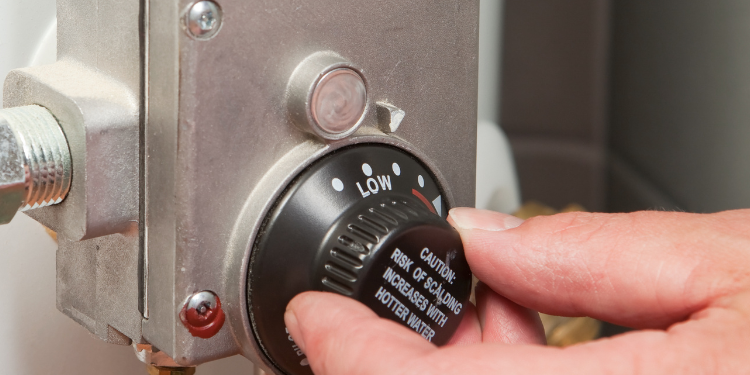
Plumber Insights on Water Heater Maintenance
North Texas water heaters work harder than most people realize. Between McKinney’s mineral-heavy water, long hot showers after summer ball games, and cold snaps that push equipment to its limits, your water heater rarely gets a break. Yet many homeowners don’t think about it until there’s an icy surprise in the shower or a leak in the garage.
Industry data shows most water heaters are designed to last 8–12 years, but neglect can cut that life in half. On the flip side, regular maintenance can reduce breakdowns by up to 60% and improve efficiency by 10–15%. That’s real money on your utility bill—and fewer “no hot water” emergencies at the worst possible time.
This guide pulls back the curtain on how professional plumbers in McKinney look at water heater maintenance. You’ll learn what really wears systems out here in North Texas, what you can safely do yourself, and when to call in a pro. You’ll also see real examples from local homes so you can spot early warning signs before they turn into expensive repairs or replacements.
Key Insight: Proactive water heater maintenance in McKinney isn’t just about comfort—it’s about protecting your home from leaks, saving on utilities, and getting several more reliable years from your system.
Why McKinney Homes Are Tough on Water Heaters
McKinney sits in an area known for hard water—meaning higher levels of calcium and magnesium. That mineral content quietly builds up inside your water heater tank year after year. The result? Your system works harder, runs louder, and fails sooner.
Sediment buildup acts like a blanket between the burner (or heating element) and the water. Whether you have an Electric Water Heater or a Gas Water Heater, that extra layer forces it to run longer to deliver the same hot water.
We routinely see the impact of this in McKinney garages and attic installs:
- Ten-year-old tanks that sound like they’re boiling gravel
- Rust-colored water when you first turn on the hot tap
- Unexpected leaks that show up as damp drywall, warped baseboards, or a musty smell
One McKinney family called because their water heater “thumped” loudly every evening. When we drained the tank, several buckets of sediment came out. Their burner was basically cooking rocks. After flushing and adjusting the system, the noise disappeared and their hot water recovery time improved noticeably.
“Hard water and lack of maintenance are the two biggest water heater killers we see in North Texas homes.” — Sewell Plumbing Services Technician
Local building patterns matter too. Many McKinney homes have water heaters in the attic or on a second floor. A small leak there can quickly become a major ceiling repair or even a Water Leak Repair and Slab Leak Repair concern if it goes unnoticed.
As you think about maintenance, it helps to understand the differences between traditional and tankless systems in our area.
Tank vs. Tankless: What Maintenance Really Looks Like
Both traditional tank-style water heaters and tankless units are common in McKinney, especially in newer builds and remodels. They both need care—but the type and timing of that care are different.
Here’s a quick comparison of how they stack up from a maintenance standpoint:
| Feature / Factor | Traditional Tank Water Heater | Tankless Water Heater |
|---|---|---|
| Typical Lifespan | 8–12 years (with maintenance) | 15–20+ years (with maintenance) |
| Main Local Issue | Sediment buildup, corrosion, tank leaks | Mineral scale on heat exchanger, error codes, gas or venting issues |
| Maintenance Frequency | Annual flush; periodic anode rod check | Annual descaling/flush; filter cleaning; combustion check |
| Impact of Hard Water in McKinney | Heavy sediment at bottom of tank, noisy operation, reduced capacity | Faster scale buildup, reduced efficiency, potential overheating |
| Common Service Call | Water Heater Repair for leaks, no hot water, or pilot issues | Tankless Water Heater Repair for error codes or temperature swings |
| Replacement Consideration | Often replaced around year 10–12 in North Texas homes | Often cost-effective to repair longer, but requires consistent professional service |
We recently worked with a homeowner near Downtown McKinney who had a 50-gallon tank in the attic. It was 11 years old and had never been flushed. The bottom was heavily corroded, and we found early signs of a leak at the seams. In that case, we recommended a Water Heater Replacement before it failed catastrophically and damaged the ceiling below.
By contrast, a family in Stonebridge Ranch with a 7-year-old tankless unit called about inconsistent hot water. The culprit? Scale buildup on the heat exchanger and a dirty inlet filter. After a professional descaling and filter cleaning, the unit ran like new.
CALLOUT: Both tank and tankless systems can last far longer than the “average” lifespan in McKinney—if they’re maintained correctly and on schedule.
If you’re planning a remodel, it’s also smart to align your water heater plan with other upgrades. During Kitchen Plumbing Services or Bathroom Plumbing Services, you can often improve hot water delivery and efficiency at the same time.
The Core Maintenance Checklist Pros Use (And What You Can Do Yourself)
Professional plumbers follow a structured checklist when maintaining water heaters. Some items are safe for homeowners to handle; others are best left to a licensed Plumber, especially when gas, electricity, or pressurized water is involved.
Here’s how a typical maintenance visit for a tank-style water heater in McKinney breaks down:
What a homeowner can often do:
- Visually inspect the area around the heater for moisture, rust streaks, or corrosion
- Check for any burning or melting on electrical connections (for electric units)
- Gently test the pressure relief valve annually to ensure it moves freely
- Keep the area around the heater clear of clutter and flammable materials
What a professional should handle:
- Full tank drain and flush to remove sediment
- Inspection and possible replacement of the anode rod (key to preventing tank rust)
- Gas line and venting inspection for Gas Water Heater safety
- Thermostat and burner/element testing and adjustment
- Checking expansion tanks and overall system pressure
One recent example: a homeowner in Craig Ranch attempted a DIY flush after watching a video. They forgot to turn off power to their electric unit and burned out a heating element when they refilled the tank. What would have been a routine maintenance visit turned into a same-day Plumbing Repair call.
For tankless systems, the maintenance checklist looks a bit different:
- Descale (flush) the heat exchanger using manufacturer-approved methods
- Clean inlet water filters and air intake screens
- Inspect venting and condensate drains
- Verify gas pressure and combustion performance
“Tankless systems are efficient, but they’re not maintenance-free. In McKinney’s water, annual descaling is a must if you want that 20-year lifespan.” — Sewell Plumbing Services Technician
Linking your water heater tune-up with other routine plumbing care—such as Drain Cleaning or Water Filter & Softener Installation—can be a smart way to protect your entire plumbing system in one visit.
Spotting Trouble Early: Warning Signs McKinney Plumbers Watch For
Most water heaters don’t fail overnight. They send out warning signs for months or even years—if you know what to look and listen for.
Here are the red flags that often show up first:
- Noises: Popping, rumbling, knocking, or “kettling” sounds
- Water Quality Changes: Rusty or discolored hot water, metallic taste, or sediment in the tub
- Temperature Swings: Water that runs too hot, too cold, or fluctuates during a shower
- Visible Corrosion: Rust at the base of the tank, on fittings, or around the T&P valve
- Moisture: Dampness under the tank, rust on the pan, or water stains nearby
We handled a call off Virginia Parkway where a homeowner noticed their hot water smelled a bit “off” and occasionally looked tinted. They also mentioned slightly lower water pressure on the hot side. On inspection, we found a heavily corroded anode rod and significant internal rust. The tank was at the end of its safe service life. Because they called early, they had time to plan a Water Heater Replacement instead of waking up to a flooded garage.
By contrast, another McKinney resident ignored a small, occasional drip they saw on the drain pan in their attic. Months later, they called us as an Emergency Plumber Near Me because part of their ceiling collapsed. What started as a manageable leak turned into drywall, insulation, and paint repairs on top of a new water heater.
CALLOUT: Any moisture around your water heater—especially in an attic or second-floor closet—is a “call now” situation, not a “wait and see” issue.
If you notice any of these symptoms, a professional can quickly determine whether you need simple Water Heater Repair, or if your system is nearing the end of its useful life. That diagnostic step is crucial before you decide on repair vs. replacement.
Repair or Replace? Making the Smart Call for Your McKinney Home
One of the most common questions we hear from homeowners is: “Is it worth fixing, or should we just replace it?” The answer depends on several factors—age, condition, safety, and your long-term plans for the home.
Here’s a helpful comparison to frame the decision:
| Situation / Factor | More Likely to Repair | More Likely to Replace |
|---|---|---|
| Age of Unit | Under 8 years old and otherwise in good condition | 10+ years old for tanks; 15+ for tankless (especially with history of issues) |
| Type of Issue | Minor thermostat, element, or valve issue | Tank leak, severe rust, recurring pilot or control failures |
| Maintenance History | Regular flushing and inspections | Little to no maintenance, known sediment buildup |
| Location in Home | In garage with good drainage | In attic or over finished spaces where leaks are high-risk |
| Long-Term Plans | Planning to move soon | Planning to stay 5+ years, or doing Full Home Remodels or Home Additions |
| Energy Efficiency Goals | Content with current utility bills | Wanting better efficiency, faster hot water, or modern features |
We recently worked with a couple in the Trinity Falls area whose 6-year-old electric heater stopped producing hot water. Diagnostics showed a single failed heating element and a healthy tank. A straightforward repair had them back up and running the same day, and we added them to an annual maintenance schedule to extend the system’s life.
On the other hand, a McKinney homeowner with a 13-year-old gas unit in the attic had a small but active leak at the base, significant corrosion, and heavy sediment. Repairing individual components would have been risky and short-lived. They chose a new high-efficiency unit with a proper drain pan and safety shutoff—protecting their home and lowering their gas bill.
“Once a tank starts leaking, replacement isn’t just recommended—it’s necessary. There’s no safe way to ‘patch’ a failing tank.” — Sewell Plumbing Services Technician
If you’re also dealing with other plumbing concerns—like aging fixtures, recurring drain clogs, or outdated bathrooms—coordinating water heater work with Plumbing Fixture Repair & Installation or Pre-Listing Home Renovations can be a cost-effective strategy.
Safety, Codes, and Why Professional Maintenance Matters
Water heaters combine three things that demand respect: hot water under pressure, gas or electricity, and, in many McKinney homes, elevated installation locations (like attics). That’s why code compliance and safety checks are a central part of professional maintenance.
A thorough service visit doesn’t just flush sediment—it verifies the system is safe:
- Gas Safety: Check for leaks, proper combustion, and adequate ventilation
- T&P Valve: Test and inspect the temperature and pressure relief valve, a critical safety device
- Combustion Air: Ensure gas units have the air supply they need to burn cleanly
- Electrical Safety: Confirm proper wiring, breaker size, and bonding for electric units
- Drainage & Pans: Verify that drain pans, emergency shutoff valves, and drain lines are correctly installed and clear
We saw an example in a McKinney rental property where a previous owner had installed a larger gas water heater without updating the venting. The undersized vent caused backdrafting, which can allow combustion gases back into the home. The tenant complained of headaches and stuffy air near the closet. Our team corrected the vent size and brought the installation up to current code, protecting both the tenant and the property owner.
Professional maintenance also helps catch related issues early—things like failing shutoff valves, corroded supply lines, or early signs of leaks that could lead to Emergency Plumbing Services later.
For homes with water softeners, filtration, or more complex setups, a pro can also make sure those systems are configured correctly to protect your heater and the rest of your plumbing.
What This Means for Homeowners in McKinney, TX
McKinney is growing fast, and so is the age range of its homes. Some neighborhoods are hitting that 10–15-year mark where original water heaters are approaching the end of their expected lifespan. Others have brand-new systems that, with proper care, can last far longer than average.
For you as a homeowner, that means:
- Budget Predictability: Regular maintenance visits are far less expensive than emergency calls or major water damage repairs. You can plan, instead of react.
- Higher Home Value: Buyers and inspectors in McKinney pay close attention to water heaters, especially when units are in attics or closets over living spaces. Documented maintenance and recent replacements are strong selling points.
- Better Daily Comfort: Consistent hot water, quieter operation, and shorter recovery times all come from a system that’s running efficiently.
- Lower Risk: A well-maintained water heater is less likely to leak, fail suddenly, or create safety concerns around gas or electricity.
Homes near the Historic Downtown district, where some properties have been updated in stages, often have a mix of old and new plumbing. In those cases, aligning your water heater maintenance with broader plumbing assessments—like Water, Sewer & Gas Diagnostics or Drain Repair & Installation—can give you a clear picture of your home’s overall health.
Newer developments on the north and west sides of McKinney, many with tankless systems or multiple heaters, benefit from establishing a maintenance routine early. Doing so protects the investment you’ve made in your home and avoids the premature failures we often see when systems are simply “set and forgotten.”
Ultimately, water heater maintenance isn’t just a technical checklist. It’s a way of taking control of one of the most important comfort systems in your home—on your schedule, and on your terms—rather than waiting for it to control your day with an unwelcome cold shower.
Frequently Asked Questions
Q: How often should I schedule water heater maintenance in McKinney?
A: For most homes in McKinney, an annual maintenance visit is ideal—especially given our hard water. Tank-style heaters benefit from a yearly flush to remove sediment and a periodic anode rod check. Tankless systems usually need annual descaling and filter cleaning to keep efficiency and performance up. If your system is in an attic or if you’ve had any past issues, sticking to that yearly schedule is even more important to prevent leaks and emergency Plumbing Services down the road.
Q: My water heater is making popping or banging noises. Is that dangerous?
A: Those noises typically indicate sediment buildup in the tank. The burner is heating water trapped under layers of mineral deposits, which creates steam bubbles that “pop” or “bang” as they escape. While it’s not usually an immediate safety threat, it does mean your system is working harder than it should and may be at higher risk for premature failure or leaks. A professional flush and inspection can quiet the noise, restore efficiency, and help you avoid more serious Water Heater Repair needs later.
Q: Should I repair or replace a water heater that’s over 10 years old?
A: Age is a major factor, but it’s not the only one. For a 10+ year-old tank in McKinney, we look at its maintenance history, any visible rust or corrosion, where it’s installed, and the type of problem you’re facing. A minor thermostat issue on a well-maintained 10-year-old garage unit may be worth repairing. But if that same tank is in an attic, shows signs of rust, or has a small leak, replacement is usually the safer and more cost-effective choice. A quick diagnostic visit can give you clear numbers to compare repair vs. Water Heater Replacement costs.
Q: Is it safe to flush my own water heater, or should I call a plumber?
A: Some homeowners safely perform basic flushing, but there are real risks if steps are missed—especially with gas and electric connections. You need to properly shut off power or gas, avoid damaging the drain valve, and ensure the tank refills correctly before restoring power. In McKinney, where many heaters are in attics, the potential for water damage if something goes wrong is higher. If you’re not completely comfortable with the process, or if your unit hasn’t been serviced in years, having a professional handle the flush as part of a complete maintenance visit is often the wiser choice.
Q: Does installing a water softener really help my water heater last longer?
A: In our mineral-rich North Texas water, a properly sized and installed softener can significantly reduce scale and sediment buildup. That helps both traditional and tankless heaters run more efficiently and can extend their lifespan. We’ve seen McKinney homes with softened water where tanks remain in good condition well past the 10-year mark. Just remember that a softener doesn’t eliminate the need for maintenance—it complements it. Regular checks, occasional flushing, and professional Water Filter & Softener Repair or adjustment keep the whole system working together.
Q: What should I do if I see water in the pan under my attic water heater?
A: Any water in the pan—especially in an attic or closet above living space—is a red flag. It may be a slow leak, condensation issue, or a failing T&P valve. Turn off power (for electric units) or set the gas control to “pilot” or “off,” and avoid using hot water if possible. Then call for Emergency Plumbing Services or a same-day inspection. Catching a leak at the “pan only” stage often means you can prevent expensive ceiling, flooring, and wall damage.
Q: Can I upgrade to a tankless water heater during a remodel?
A: Yes, and a remodel is often the perfect time. When you’re already opening walls or updating plumbing during Bathroom Renovations or Full Home Remodels, it’s easier and more cost-effective to adjust gas lines, venting, and water lines for a tankless upgrade. A properly sized tankless system can give you endless hot water, free up floor space, and improve efficiency—just be sure it’s designed and installed by a professional who understands both McKinney’s building codes and your household’s actual hot water needs.
Ready to Get Started?
Water heater problems rarely show up at a convenient time. They happen on busy weekday mornings, during holidays when family is in town, or on the first cold snap of the year. The best way to avoid those unpleasant surprises is to get ahead of them now—before your system is under stress.
Scheduling a professional maintenance visit gives you a clear picture of your water heater’s current condition, any looming issues, and realistic expectations for its remaining lifespan. If you’re considering upgrades, planning to sell, or already working on other home improvements, this is also the right moment to align your hot water system with your long-term plans.
Sewell Plumbing Services has been working in McKinney homes for years, from historic properties near the square to new builds on the city’s edges. Our licensed technicians can inspect, maintain, repair, or replace your system with a focus on safety, efficiency, and protecting your home from leaks and damage.
Take a simple step now that your future self will be grateful for: schedule a water heater checkup and maintenance visit before small issues become urgent ones.
About Sewell Plumbing Services
Sewell Plumbing Services is a locally owned, full-service plumbing company based in McKinney, TX. Our licensed team specializes in residential and light commercial work, including water heater repair and installation, leak detection, drain and sewer services, and full plumbing support for remodels and home additions. With deep experience in North Texas water conditions and building practices, we focus on honest recommendations, code-compliant work, and long-term reliability for every home we serve. Learn more about our services at Sewell Plumbing Services.
