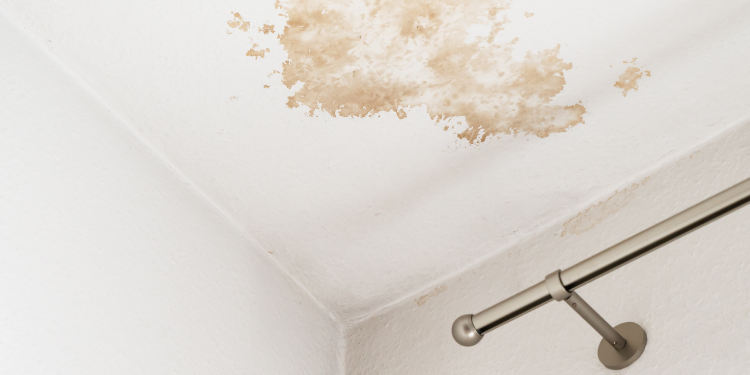
Expert Advice on Preventing Slab Leaks
it’s 5 a.m. in McKinney, the house is quiet, and you step into the kitchen for coffee—only to feel a warm, squishy spot on the floor. No visible water, no dripping pipes, but something is clearly wrong. By the time most homeowners notice these subtle signs, a slab leak has often been running for weeks or even months under the foundation.
In North Texas, slab leaks are more than an occasional headache. Our expansive clay soil, shifting foundations, and temperature swings put extra stress on the pipes buried under your home. Industry studies estimate that hidden plumbing leaks can waste up to 10,000 gallons of water per home each year—and slab leaks are some of the worst offenders, both in water loss and repair costs.
You don’t have to wait for a soaked floor or a shocking water bill to act. With the right knowledge and a proactive plan, you can dramatically lower your risk.
Key Insight: Slab leaks are often preventable when you understand their causes, recognize early warning signs, and maintain your plumbing system with help from experienced local pros in McKinney.
Why Slab Leaks Are So Common in McKinney (And What Actually Causes Them)
Slab leaks happen when water lines that run under or through your concrete foundation develop a leak. These lines are usually copper, PEX, or another pressurized water pipe that feeds your home. Once they fail, water begins to erode soil, weaken the slab, and eventually show up as damage inside.
In McKinney and across Collin County, several local factors raise the risk:
- Expansive clay soil that swells when wet and shrinks when dry
- Foundation movement from droughts, heavy rains, and new construction nearby
- Older copper pipes in homes built before modern plumbing standards
- High water pressure from municipal supply or pressure regulators set too high
“Texas’ clay soil is both our blessing and our curse. It holds foundations well—until moisture levels swing too far in either direction.” — Local Structural Engineer
Real-world example from McKinney
A homeowner in a 1990s brick home near Stonebridge Ranch called us about a faint hissing sound and a warm spot in the hallway. Their water bill had crept up, but nothing alarming. Using professional Leak Detection equipment, we found a hot-water line leaking under the slab. Soil movement had slowly stressed a copper elbow until it cracked.
Because they called early, we were able to access the pipe through a small opening and perform targeted Slab Leak Repair, instead of major demolition or full Pipe Replacement.
Understanding the local soil and age of your plumbing is the first step toward prevention. From here, the focus shifts to spotting warning signs before the damage spreads.
Early Warning Signs: How to Catch a Slab Leak Before It Wrecks Your Home
Slab leaks are sneaky. The water is hidden under concrete, so you rarely see an obvious puddle at first. But your home will usually send you subtle signals if you know what to watch for.
Key warning signs include:
- Unexplained water bill spikes with no change in usage
- Hot or cold spots on floors, especially tile or hardwood
- Sound of running water when all fixtures are off
- Hairline cracks in walls, floors, or brickwork that appear suddenly
- Mildew or musty odors in specific rooms
- Constantly running water heater even when you’re not using hot water
“By the time water reaches your baseboards, the leak has probably been going on for weeks.” — Master Plumber, Sewell Plumbing Services
McKinney case study: The “mysterious warm hallway”
A family off Virginia Parkway noticed a warm stripe across their laminate floor. They assumed it was sunlight or their pets. Over a few weeks, the area grew warmer and slightly warped. When we checked, the water meter was spinning with all fixtures off—a classic sign of a hidden leak.
We traced the issue to a hot-water line under the slab. Because they called as soon as they noticed the floor change, repairs were limited to a small section. No need for full repiping, and no major structural damage.
Catching these early warning signs allows you to act fast, schedule Emergency Plumbing Services if needed, and often save thousands in repairs.
Preventive Maintenance: The Best Defense Against Slab Leaks
Slab leaks aren’t random. They’re usually the result of long-term stress on your plumbing system. A consistent maintenance plan can dramatically reduce your risk.
Key preventive steps
- Monitor and control water pressure
High pressure is one of the most common (and overlooked) causes of pipe failure. Ideally, your home’s pressure should sit between 50–70 PSI.
- Schedule periodic plumbing inspections
A licensed pro can check your main lines, pressure regulator, and visible signs of wear before they become emergencies.
- Flush and maintain your water heater
Sediment buildup can overheat and stress hot-water lines, increasing the chance of leaks, especially under the slab.
- Address slow drains and minor leaks early
Issues like frequent Drain Cleaning needs or recurring Faucet Repair can point to bigger systemic problems in your plumbing.
“Minor plumbing problems are often the smoke before the fire. Ignore them, and you’re rolling the dice with your foundation.” — Sewell Plumbing Services
Traditional vs. Proactive Approach
| Approach Type | What It Looks Like in Practice | Typical Cost Over 10 Years (McKinney) | Risk of Major Slab Leak |
|---|---|---|---|
| Reactive (Fix as it breaks) | Call only when there’s a visible problem or emergency | $$–$$$$ (large, unpredictable) | High |
| Proactive (Planned care) | Annual inspections, pressure checks, water heater maintenance | $$–$$$ (steady, manageable) | Much lower |
A McKinney homeowner in an older subdivision near Eldorado had a pattern: frequent toilet clogs, occasional Toilet Repair, and a noisy water heater. They treated each as a one-off. When a slab leak finally surfaced, we discovered corroded pipes and long-term high water pressure. Had they scheduled regular Water Heater Maintenance and pressure checks, much of the damage could have been prevented.
Construction, Renovations, and Slab Leaks: What Homeowners Should Know
Home improvements can unintentionally increase your risk of a slab leak if they’re not planned with plumbing in mind. This is especially true for kitchen remodels, bathroom upgrades, and home additions in established McKinney neighborhoods.
How renovations can impact slab plumbing
- Foundation movement during construction
Heavy equipment, excavation, or adding a second story can shift existing plumbing lines.
- Re-routing water lines
Moving a kitchen sink, shower, or laundry room often requires new lines through or under the slab.
- Aging pipes meeting new fixtures
Installing modern fixtures on old lines can expose weaknesses in the existing system.
We recently worked on a Kitchen Plumbing Services project north of Historic Downtown McKinney. The homeowners wanted a large island sink and relocated dishwasher. During planning, we performed Water Sewer Gas Diagnostics and discovered thinning copper lines under the slab.
Instead of tying into failing pipes, we designed a partial repipe and re-routed lines overhead through the attic. This added some upfront cost but dramatically reduced future slab leak risk.
Renovation planning checklist
Before starting:
- Have a licensed plumber evaluate existing water and sewer lines
- Ask whether overhead repiping is possible instead of cutting into the slab
- Plan for upgraded shut-off valves and access points
- Consider Bathroom Plumbing Services and Full Home Remodels with plumbing safety in mind
Thoughtful planning during renovations not only protects your foundation but can also make future maintenance and Plumbing Repair far easier.
Modern Leak Detection vs. Old-School Guesswork
Not all slab leak “detection” is created equal. Years ago, many plumbers relied on educated guesses and large exploratory cuts in the slab. Today, advanced tools allow accurate pinpointing with minimal disruption.
How modern leak detection works
- Acoustic listening equipment to hear leaks through concrete
- Thermal imaging cameras to locate hot-water line leaks
- Static and dynamic pressure tests to confirm and isolate problem lines
- Tracer gas or dye testing in complex cases
“Modern leak detection can often locate a leak within inches, dramatically reducing the amount of concrete we have to open.” — Senior Technician, Sewell Plumbing Services
Traditional vs. Modern Slab Leak Location
| Method | Description | Typical Impact on Home | Accuracy |
|---|---|---|---|
| Old-school exploratory cuts | Break concrete in likely areas until leak found | Large, messy, costly repairs | Moderate |
| Modern electronic location | Use equipment to pinpoint leak first | Small, targeted access point | High |
In a McKinney home near Craig Ranch, the homeowner had been quoted an enormous repair by another company that wanted to cut a trench across the living room. We were called for a second opinion. Using specialized Slab Leak Repair equipment, we pinpointed a single leaking hot-water line under a closet. The final opening was about the size of a laundry basket—not half the house.
Choosing a plumber who uses modern diagnostics doesn’t just help find the leak—it’s a key part of a long-term prevention strategy.
Long-Term Strategies: Upgrades That Reduce Slab Leak Risk
If your home is older or you’ve already had one slab leak, it may be time to think beyond spot repairs and look at long-term solutions.
Strategic upgrades to consider
- Repiping Services (partial or full)
Replacing aging copper under the slab with PEX or routing new lines through walls and attic can remove the highest-risk sections of pipe.
- Pressure-regulating valve (PRV) installation
Keeps your water pressure in a safe range, protecting all fixtures and pipes.
- Water treatment systems
A Water Filter Softener can reduce mineral buildup and corrosion, especially important for gas or Electric Water Heater systems.
- Upgraded water heaters
Modern Tankless Water Heater Installation or high-efficiency traditional units can reduce thermal stress on lines and provide better control.
One McKinney homeowner in a 1980s ranch-style house had experienced two slab leaks in three years. Instead of chasing leaks one by one, we developed a long-term plan: partial overhead repipe of the hot-water system, a new Tankless Water Heater Repair and replacement, and a pressure-regulating valve at the main line. Since then, they’ve had no further slab issues—and lower utility bills.
“Think of repiping and pressure control as putting your plumbing on a heart-healthy lifestyle instead of waiting for a heart attack.” — Sewell Plumbing Services
What This Means for Homeowners in McKinney, TX
McKinney is growing fast. New developments, shifting groundwater patterns, and ongoing construction all contribute to foundation movement. Combine that with our clay soil and aging housing stock in established neighborhoods, and slab leaks become a real concern for many homeowners.
Here’s why prevention matters here more than in many other parts of the country:
- Foundation repairs are expensive in North Texas, and slab leaks can make them worse.
- Water costs are rising, so hidden leaks hit your wallet harder every year.
- Resale value can drop if your home has a history of water damage or multiple foundation and plumbing claims.
Local families—from Historic Downtown to Trinity Falls—often juggle busy schedules. That’s exactly why a proactive plumbing plan is so valuable: it reduces surprise emergencies, late-night calls to an Emergency Plumber Near Me, and the stress that comes with major home repairs.
By combining regular inspections, smart upgrades, and prompt attention to warning signs, you can:
- Protect your foundation and flooring
- Avoid disruptive and costly structural repairs
- Keep your home more comfortable and healthy
- Preserve your property value in a competitive real estate market
Preventing slab leaks isn’t about being paranoid—it’s about being prepared. With the right local partner and a bit of planning, you can stay ahead of problems and keep your McKinney home solid, safe, and dry.
Frequently Asked Questions
Q: How do I know if I have a slab leak or just a normal plumbing leak?
A: A standard plumbing leak usually shows up where you can see it—under a sink, around a toilet, or from a visible pipe. A slab leak, on the other hand, happens in the water lines under or within your foundation. Signs often include warm or damp spots on floors, unexplained water bill increases, or the sound of running water when everything is off. If you turn off all fixtures and your meter still moves, it’s time to call for professional Leak Detection. A licensed Plumber can run pressure tests and use acoustic or thermal equipment to confirm whether the leak is in the slab.
Q: Can high water pressure really cause a slab leak?
A: Yes. High water pressure is one of the most common contributors to pipe failure, especially in older copper lines that run under slabs. Over time, excessive pressure causes pipes to expand and contract more aggressively, weakening joints and fittings. In McKinney, we often find pressure above recommended levels in homes without a working pressure-regulating valve. This not only increases the risk of slab leaks but can also shorten the life of your Water Heater, fixtures, and appliances. A quick pressure test during routine Plumbing Services can reveal whether you need adjustments.
Q: Is repiping my home the only way to prevent future slab leaks?
A: Not always. Full Repiping Services are typically recommended when pipes are severely corroded, you’ve had multiple leaks, or your home has very old plumbing. In many cases, targeted repairs combined with pressure control, water treatment, and rerouting the most vulnerable lines overhead can significantly reduce your risk without replacing everything at once. A thorough inspection and Water Sewer Gas Diagnostics assessment can help determine whether a partial or phased repipe is the right strategy for your McKinney home.
Q: Will my homeowners insurance cover slab leak repairs?
A: Coverage varies widely by policy and provider. Many policies cover the cost to access and repair the leaking pipe but may not cover all the associated damage, such as flooring replacement or foundation work. Some exclude slab leaks altogether or limit coverage for long-term leaks. Because McKinney homes are prone to foundation movement, it’s smart to review your policy with your agent and ask specifically about slab leaks, Water Leak Repair, and Sewer Line Repair. When we diagnose a slab leak, we can provide documentation and photos to help with your insurance claim.
Q: Can I keep using water if I suspect a slab leak?
A: If you suspect a slab leak, it’s best to limit water use until a professional can assess the situation. Continuing to run water normally can accelerate erosion under your slab, worsen cracks, and increase damage to flooring and walls. In some cases, especially with hot-water leaks, it can also drive up your energy bills as your Gas Water Heater or electric unit constantly reheats escaping water. If the leak is severe or you see standing water, turn off the main valve and call for Emergency Plumbing Services right away.
Q: How often should I have my plumbing inspected to prevent slab leaks?
A: For most McKinney homes, an annual plumbing check is a good baseline, especially if the home is more than 15–20 years old. During this visit, a licensed plumber can check water pressure, inspect visible pipes, evaluate your Water Heater Maintenance needs, and look for early signs of corrosion or leaks. If you’ve had previous slab leaks, foundation repairs, or you notice recurring issues like frequent Drain Unclogging or Toilet Repair, you may benefit from more frequent checkups or a customized maintenance plan.
Q: Are tankless water heaters better for preventing slab leaks?
A: Tankless units don’t automatically prevent slab leaks, but they can reduce stress on hot-water lines when properly installed. Because they heat water on demand, they often operate with more stable temperatures and can be paired with smart recirculation systems that reduce constant hot-water flow under the slab. When we perform Tankless Water Heater Installation, we evaluate your existing piping routes and may recommend rerouting or upgrading vulnerable lines as part of the project. It’s a good opportunity to address potential slab leak risks while improving efficiency and hot water performance.
Ready to Get Started?
Slab leaks rarely show up at a convenient time—and by the time you see visible damage, the problem has often been growing for weeks. If you’re in McKinney or the surrounding area, now is the ideal moment to get ahead of potential issues with a professional plumbing evaluation.
Whether you’ve noticed a hot spot on the floor, a creeping water bill, or you’re simply living in an older home built on our shifting North Texas clay, a proactive inspection can give you real peace of mind. Sewell Plumbing Services offers advanced Leak Detection, targeted Slab Leak Repair, and long-term solutions like repiping and pressure control tailored to local conditions.
Our team lives and works right here in McKinney, so we understand the soil, the building styles, and the common issues in each neighborhood. We’ll walk you through what we find, explain your options clearly, and help you prioritize repairs or upgrades based on your budget and risk level.
Take the next step today: schedule an inspection, ask for a second opinion, or talk with us about a preventive maintenance plan for your home’s plumbing and foundation.
About Sewell Plumbing Services
Sewell Plumbing Services is a locally owned and operated plumbing company serving McKinney, TX, and the surrounding communities. Our licensed, experienced team specializes in Residential Plumbing Services, advanced leak detection, slab leak repair, and full-system upgrades. With years of experience in North Texas soil and construction conditions, we focus on honest evaluations, quality workmanship, and long-term solutions that protect both your home and your budget. To learn more about our services or schedule an appointment, visit our homepage.