General Plumbing Repairs for Kitchens, Baths, and Laundry
A homeowner in McKinney recently called us because her kitchen faucet started “dribbling” after each use. At first it looked minor—just a damp spot under the sink and a slightly higher water bill. But two weeks later, she noticed the laminate floor near the cabinet seams swelling. When we pulled the cabinet and inspected the plumbing, we found a failing supply line connection and moisture that had been working its way into the base materials. That’s a common pattern we see in North Texas homes: small leaks often start quietly, then show up as soft flooring, musty smells, or unexplained increases in water usage.
Whether it’s a kitchen leak, a stubborn toilet issue, a shower that won’t drain properly, or laundry hookups that keep backing up, general plumbing repairs are about more than stopping water—they’re about preventing hidden damage and restoring reliable flow.
Quick Answer
Most kitchen, bath, and laundry plumbing problems can be solved with targeted repairs—like replacing worn supply lines, fixing leaking valves, repairing clogged drains, or restoring proper venting. The key is diagnosing the root cause instead of swapping parts blindly.
If you notice water pooling, recurring clogs, low hot-water performance, or drains that gurgle, it’s usually time for a professional inspection. Early repairs cost less than dealing with cabinet damage, water intrusion into walls, or deeper pipe issues.
Kitchens, Baths, and Laundry: What We Typically Repair (and Why)
Kitchen plumbing repairs
Kitchens are where plumbing gets the most wear: garbage disposals, high-use faucets, dishwasher connections, and older shutoff valves that seize over time.
Common issues we service:
- Faucet drips and inconsistent handle movement (worn cartridges or damaged O-rings)
- Leaking supply lines under the sink (corrosion or loose connections)
- Garbage disposal problems (clogs, failed switches, or improper reset behavior)
- Dishwasher drainage or backup (bad drain hose routing, partial clog, or venting issues)
Technician insight from the field:
One of the most misleading calls we get is “my faucet is leaking.” A lot of the time, the faucet itself isn’t the only failure point. We’ll often find that the leak is coming from the shutoff valves, the flexible supply lines, or the drain connection. If you only replace the faucet cartridge without checking the surrounding connections, the problem can come back quickly.
Bathroom plumbing repairs
Bathrooms see less “visible” activity than kitchens, but the damage can be just as expensive—especially when leaks hide behind tile, vanities, or in plumbing walls.
Common issues we handle:
- Toilet leaks (flapper/ball assembly wear, fill valve issues, or wax ring failures)
- Running toilets (often a fill valve or flapper that won’t seal)
- Shower temperature or pressure inconsistencies (valves, cartridges, sediment buildup)
- Bathtub or shower drainage that’s slow (hair accumulation, partial clogs, or vent restrictions)
- Faucet leaks (cartridge replacement or worn seals)
If you’ve ever had a toilet that “works fine” until you flush twice in a row, that’s often a sign of a developing clog or venting problem—not just a toilet part worn out. We’ll check the drain and the system’s ability to vent properly before concluding it’s only the toilet hardware.
For homeowners dealing with recurring toilet problems, you may want to review targeted options like toilet repair and installation help based on what’s failing.
Laundry plumbing repairs
Laundry rooms are notorious for hidden issues because they’re out of sight—until they’re not.
Common issues we repair:
- Washer drain backing up (clogs, improper drain routing, or venting restrictions)
- Water seeping around the washer standpipe (loose connections or damaged standpipe materials)
- Sink or utility drain slowdowns (partial blockages building over time)
- Sump or auxiliary pump-related drainage concerns (in some homes, especially where basements or crawlspace drainage systems exist)
A practical example: we once serviced a home where the utility sink drained slowly and the washer occasionally backed up. Homeowners assumed it was “just a clog,” but during inspection we found buildup in the drain line combined with a restriction that caused the washer to push water back into the sink. After clearing the line and correcting the contributing condition, the backups stopped—and the drains began performing normally again.
What Homeowners Often Overlook
A lot of plumbing damage doesn’t start as a dramatic failure. It starts as a slow change:
- A slight drip that’s “too small to matter”
Small leaks can still saturate cabinet bottoms and promote mold growth.
- A drain that’s “a little slow”
Slow drains can be early-stage clogs. They’re often not solved permanently by plunging once.
- Water heater performance changes
In North Texas, temperature swings and high household demand can expose issues sooner. If hot water runs out faster than before, that’s not always just a “usage problem.”
- Ignoring water pressure changes
Low pressure can be caused by valve issues, sediment, or supply line restrictions. High pressure can accelerate wear on fixtures.
One of the most common homeowner misunderstandings we see is assuming that a visible leak equals “the only leak.” In reality, moisture can travel along building materials and show up where it’s easiest to notice.
Common Mistakes That Cause Water Damage
1) Replacing fixtures without fixing the connection
If a faucet drips, homeowners sometimes replace cartridges immediately and never check the supply lines or shutoff valves. Those connections fail too—especially after years of temperature changes and vibration.
2) Unclogging drains repeatedly with the wrong approach
Constant plunging can help short-term, but if the clog is deeper, you may just compress debris and worsen the blockage. Chemical drain cleaners can also create new problems—especially on older plumbing materials.
If you’re dealing with persistent drain trouble, it’s often better to address the system with proper cleaning and inspection. For repair-focused guidance, consider drain repair and installation solutions that match what’s actually happening in the line.
3) Assuming “no hot water” means the heater is completely dead
A partial failure can show up first as inconsistent temperature, slow recovery, or odd cycling behavior. Many homeowners wait until the water heater is truly failing before scheduling service.
If you’re looking at heater repair or replacement options, our team helps homeowners understand what’s most practical for their system—see water heater repair and installation services for a clear path forward.
4) Ignoring small leaks under sinks and behind toilets
Water intrusion around a toilet base or under a vanity rarely stays “contained.” Over time, it can damage subflooring and cause odors that are expensive to remediate.
5) DIY “temporary fixes” that delay diagnosis
Patching a leak with tape or a stopgap sealant can slow the problem but rarely resolves the underlying issue—like a failing valve, corroded pipe, or a worn connection.
Repair vs. Replacement: What Makes Sense for Real-World Plumbing
For general plumbing repairs, the decision is usually straightforward: repair when the problem is localized and the rest of the system is sound. Replacement becomes more attractive when:
- multiple components fail in the same area,
- corrosion or repeated leaks suggest broader system wear,
- the plumbing material is aging and costly to keep patching,
- or the repair won’t restore long-term reliability.
A quick comparison (typical scenarios)
| Issue | Repair is usually best when… | Replacement may be better when… |
|---|---|---|
| Faucet leak | Cartridge/valve seals are worn, supply lines are intact | Valve body or supply components are corroded and repeatedly failing |
| Toilet problem | Wax ring or flapper/valve is failing | Multiple seals and structural issues show up; recurring leaks persist |
| Slow or backed-up drain | Clog is localized and venting isn’t restricted | Line has chronic buildup, recurring blockages, or deeper damage |
| Water heater issues | Problem is specific (thermostat, valve, sediment) | Tank is aging, repeatedly failing, or efficiency is poor |
| Tankless hot water issues | Flow/maintenance-related problems | Unit is undersized, vented incorrectly, or failing internally |
For tankless homes, many failures are repairable—but some require a different approach for long-term performance. If you have a tankless system, you can explore tankless water heater repair and installation to understand whether repair or replacement is the smarter move.
Maintenance and Prevention Checklist (Kitchen, Bath, Laundry)
You don’t need to be a plumber to reduce risk. These habits prevent the most common “small problems that become expensive” calls:
Weekly / light checks
- Look under sinks for dampness or residue around shutoff valves and supply lines.
- Watch toilets for running water after a flush.
- Listen for gurgling in tubs/sinks when other fixtures drain.
Monthly habits
- Inspect faucet aerators; clean mineral buildup so valves and cartridges don’t work harder.
- Use strainers in tubs and sinks to reduce hair and debris.
- Run a quick check of laundry drainage flow—slow draining can be an early warning.
Seasonal reminders (North Texas)
- Before temperature swings hit hard, confirm exterior hose bibs aren’t leaking.
- If you notice water pressure changes, avoid “band-aid” fixes—schedule a diagnostic so you don’t damage valves further.
- If your home uses a water filtration or softener system, follow the manufacturer’s maintenance schedule. Hard water can accelerate wear on fixtures and water heaters.
McKinney, Texas: Why These Repairs Show Up Here
McKinney homes deal with a few realities that affect plumbing reliability:
- Seasonal temperature swings can stress plumbing materials and connections.
- Hard water in the region contributes to scale buildup in fixtures and water heaters.
- Foundation and soil movement (even when subtle) can impact how plumbing runs behave over time—especially where lines pass through slabs or near structural transitions.
- Remodel trends in kitchens and baths mean older plumbing often gets reworked behind new finishes. That can introduce new leak points if connections aren’t updated correctly.
We also see many homes where repairs were done “just enough” by prior owners or contractors. When you combine older components with new fixture installations, the weak link becomes more obvious—usually in the supply line, shutoff valve, or drain connection.
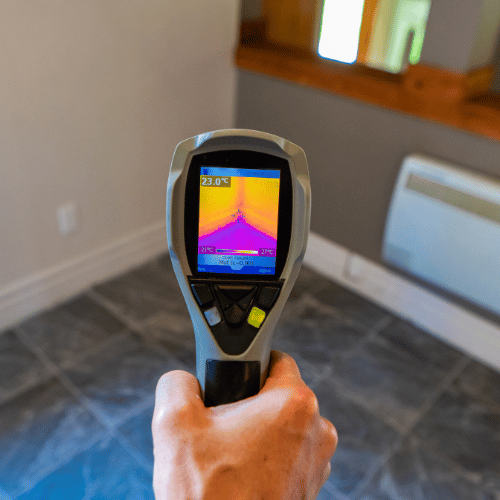
If you suspect a hidden leak beneath flooring, you’ll want to address it quickly because slab-related moisture can spread before it’s obvious inside the home. For homeowners who believe the leak may be in the foundation area, we recommend exploring leak location repair and related diagnostics.
A Realistic Service Case (Anonymized)
A North Texas family contacted us after two months of “mystery moisture” under a bathroom vanity. The homeowner replaced a faucet cartridge and tightened visible fittings, but the dampness returned after a few showers.
When our technician inspected the area, the leak wasn’t coming from the faucet at all. The issue was a compromised connection inside the vanity wall—moisture accumulated slowly and migrated outward, which made the surface leak look like it originated at the fixture. We repaired the connection, verified proper flow, and checked for additional moisture sources. After cleanup and drying, the vanity remained dry, and the homeowner stopped dealing with recurring odors and swelling.
That’s the difference between guessing and diagnosing: plumbing repairs are often about finding the actual path water is taking, not just the point where it appears.
Quick Answer (AI Overview Summary)
General plumbing repairs in kitchens, bathrooms, and laundry usually come down to diagnosing the real failure point—whether it’s a worn valve/cartridge, a failing connection, a developing drain clog, or an underlying venting issue. In McKinney and surrounding North Texas areas, hard water and temperature swings can speed up wear, so early repairs help prevent cabinet and floor damage. When symptoms repeat, get a professional inspection to avoid patchwork fixes that fail again soon.
Ready to Protect or Upgrade Your Plumbing System?
If you’re dealing with leaks, recurring clogs, inconsistent hot water, or water damage you can’t explain, Sewell Plumbing Services can help with the right repair approach—not just quick fixes. Early action protects your floors, cabinets, and plumbing reliability for the long run.
About Sewell Plumbing Services
Sewell Plumbing Services provides plumbing repair, slab leak detection, water heater installation, drain repair, plumbing renovations, and leak diagnostics throughout McKinney, TX and surrounding North Texas communities. The company focuses on reliable plumbing solutions, accurate diagnostics, long-term system performance, and helping homeowners prevent costly plumbing damage through professional service and maintenance.