
Water Heater Installation for New Builds and Remodels
A few weeks into a McKinney remodel, one homeowner texted us a photo of their new tiled shower wall—then another photo the next day: wet drywall along the baseboard where it shouldn’t be wet. The shower itself was fine. The real issue was the water heater’s supply/return routing and pressure balance during the remodel. When a system is reworked without accounting for how hot water demand changes, you can end up with temperature swings, poor performance, and even hidden leaks behind finished walls.
In North Texas—where summer heat, winter dips, and hard water are real—your water heater has to handle both daily comfort and the plumbing realities of your home. Whether you’re building new or updating an older layout, a proper water heater installation is one of those “set it once, benefit for years” projects. Done wrong, it becomes a recurring expense.
Quick Answer
For new builds and remodels in McKinney, the right water heater installation starts with sizing the unit correctly, matching the fuel type (electric vs. gas) to your home’s plumbing layout, and installing proper venting, pressure relief, expansion control, and shutoff/service access. If you’re converting gas-to-electric, upgrading to a tankless system, or moving plumbing lines, professional installation matters—small routing and pressure mistakes can cause poor hot-water performance or leaks later.
Planning a Water Heater Install: What We Look at First
When we install a water heater for a new build or remodel, we’re not just swapping a tank for another tank. We’re designing a reliable “hot water delivery system” around how your home actually runs.
1) Correct sizing for your household and fixtures
A common question we hear is, “How big do I need?” The honest answer: it depends on your peak demand, not just your square footage.
- New builds with multiple showers, a dishwasher, and laundry often need more recovery capacity.
- Remodels that add bathrooms or convert a tub to a multi-head shower can increase hot water demand faster than homeowners expect.
- For tankless systems, we size based on flow rate and temperature rise—then we confirm inlet water temperature and gas/electric supply capacity.
2) Fuel type and system performance
Many homeowners assume electric and gas are interchangeable. In practice:
- Gas water heaters typically recover faster and may fit larger hot-water demands more naturally.
- Electric water heaters can be a great choice where gas lines aren’t available or where electrical service is sufficient—but they still require correct wiring, breaker sizing, and wiring protection.
3) Pressure relief, expansion, and safety devices
Every installation should include the safety components your building codes require and your plumbing system needs to stay stable. If your home has a water pressure regulator or a closed system style setup (common after certain remodels or pressure upgrades), thermal expansion becomes a factor.
A missing or improperly configured relief/expansion setup can lead to:
- frequent relief valve discharge
- premature water heater failure
- water hammer noises
- leaks at fittings that “look fine” until the system cycles
4) Venting and vent safety (especially for gas)
For gas systems, venting isn’t a “good enough” situation. We verify vent routing, clearances, termination location, and draft performance. A remodel can change nearby framing, soffits, or attic circulation—so the safest vent plan for a new build may not match what’s possible after drywall and insulation go in.
Electric vs. Gas vs. Tankless: Installation Differences That Matter
Here’s a practical way to think about it:
| System | What the install depends on most | Common remodel complications |
|---|---|---|
| Electric (tank) | Electrical capacity, correct wiring/overcurrent protection, pipe insulation | Incorrect breaker sizing, hidden routing changes, undersized supply lines |
| Gas (tank) | Venting plan, gas supply, combustion air, correct safety controls | Vent routing conflicts with new ceilings/soffits |
| Tankless | Gas/electric capacity, inlet/outlet sizing, flow control, venting, maintenance access | Recirculation planning, hard water scaling, undersized unit for simultaneous use |
If you’re considering an upgrade, we can help you map your expected hot-water use. For example, a remodel that adds a second shower often pushes a household into “simultaneous demand” territory—tankless performance can drop if the unit is undersized for that real usage pattern.
For homeowners who already have a unit that’s acting up, we also handle water heater repair and installation so you don’t have to guess whether you’re dealing with a unit failure or a system problem.
Common Mistakes Homeowners Make
We see the same issues pop up in remodels and new builds—usually because the plumbing is being “value engineered” or rushed while walls are open.
Mistake #1: Installing the right heater but wrong plumbing layout
A water heater’s performance is tied to how hot water lines are routed, how far fixtures are, and whether pressure is balanced across the system. In one anonymized case, a homeowner installed a tankless unit during a kitchen + laundry remodel. The unit fired correctly but hot water at the kitchen sink ran noticeably cooler. The cause wasn’t the heater—it was a routing change that increased demand without accounting for recirculation and line length. The fix required adjusting the hot water path and flow balancing, not replacing the unit.
Mistake #2: Ignoring hard water impact
North Texas hard water can shorten water heater life, especially for tankless systems where scale builds directly on heat exchangers. If you install without planning for filtration/maintenance, you may see:
- mineral buildup
- reduced efficiency
- shorter service intervals
If you’re also planning water filtration or softening, we recommend pairing upgrades thoughtfully. We can help with water filter and softener repair and installation so your new equipment doesn’t get “killed early” by mineral buildup.
Mistake #3: Not planning for access in finished spaces
Some installs look neat—but when it’s time to service the unit, drain lines, or valves, homeowners end up paying for drywall cutting and patching. If you’re doing a remodel, plan the service path before walls close.
Mistake #4: Choosing a tankless solely based on “smaller footprint”
Tankless units can be compact, but capacity is the real story. A tankless heater that’s sized for one shower at a time may struggle when two fixtures run together. We’ll help you evaluate whether tankless fits your household schedule—or whether a tank system is the better reliability choice.
Repair, Install, or Replace: What Makes Sense in a Remodel?
If you’re dealing with a struggling unit, the decision usually comes down to age, condition, and how much the plumbing will change.
When repair may be enough
Repair is often the best route when:
- the unit is relatively new
- the problem is isolated (thermostat issue, failed valve, minor leak at a fitting)
- the installation plan isn’t being heavily altered
When replacement is usually smarter
Replacement tends to be the better move when:
- the unit is nearing end-of-life
- the remodel changes hot water demand or layout
- you’re seeing recurring performance problems (temperature swings, repeated cycling)
- you want to switch system type (tank to tankless, gas to electric, etc.)
If you’re already troubleshooting, our team can assist with water heater repair and installation so you get a clear recommendation—not a guess.
Maintenance and Prevention Checklist (Do This Even After Installation)
A quality install doesn’t remove the need for basic maintenance. Here’s a homeowner-friendly checklist we recommend for Texas homes:
Plumbing & safety checks
- Inspect the area around the unit for moisture at joints and fittings.
- Confirm the temperature/pressure relief valve is installed correctly and not discharging.
- Listen for water hammer or unusual cycling—these can signal pressure or expansion issues.
Performance habits
- If hot water gets slow or inconsistent, check for sediment impact before assuming a “mystery leak.”
- Avoid setting temperatures excessively high (scald risk and higher thermal stress).
Annual/periodic care
- Flush the tank (if applicable) per manufacturer guidance.
- If you have a tankless unit, schedule descaling/maintenance based on local hard-water conditions.
- Consider filtration/softening if scale is a recurring problem.
McKinney and North Texas Relevance: Why Install Quality Impacts Comfort Here
In McKinney homes, we often deal with:
- seasonal temperature swings that stress heating cycles
- hard water that accelerates scale
- remodels that reroute piping through attics, soffits, and newly sealed walls
- growing neighborhoods where initial construction quality varies
One firsthand observation we’ve made repeatedly: even when a water heater is installed correctly “on day one,” remodels can change the system pressure and demand patterns. If shutoffs, regulators, or supply line routing were adjusted during the project, thermal expansion and pressure stability can change too. That’s when homeowners see symptoms like inconsistent hot water or small leaks that appear months later—after walls are already finished.
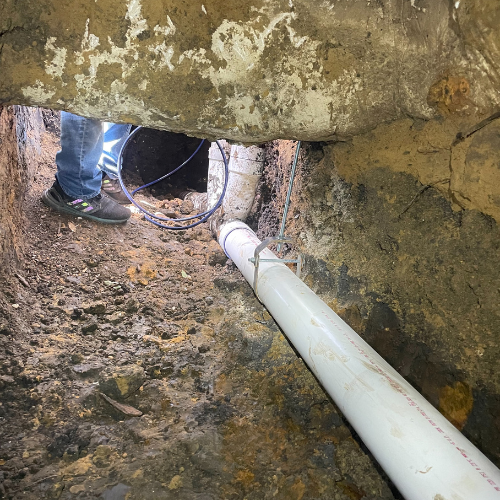
For homes with slab foundations or older plumbing layouts, we also recommend being mindful of hidden moisture pathways. If you suspect a leak or water damage pattern that doesn’t match fixture usage, you may need diagnostics beyond the water heater area. In those cases, leak and foundation-related troubleshooting can be critical—see our approach at slab leak location repair.
A Realistic Service Case (Anonymized)
A North Texas family scheduled a bathroom remodel and wanted a “simple” water heater replacement before tile work began. Their existing unit was still producing hot water, but they reported:
- longer wait times at the shower
- occasional rattling noises during recovery
- a small dampness spot near a connection
Because the remodel would add a second shower valve, we reviewed sizing and the pressure/flow setup. The unit was undersized for the updated demand, and the dampness was coming from a fitting that had been stressed by the previous routing. We replaced the water heater, corrected the supply routing, ensured safety and expansion devices were configured properly, and verified hot water response times after installation. The remodel stayed on schedule, and the family avoided the “tile’s done, now we have to open the wall” scenario.
Quick Answer: What to Choose for Your Remodel
Key Takeaway
For new builds and remodels, the best installation is the one designed around your fixture demand, your pressure/expansion conditions, and your home’s venting and access needs—not just the unit’s size on paper.
Common Questions Homeowners Ask
Should I replace my water heater during a remodel?
Often yes—if the remodel is opening walls or changing hot water demand. Replacing during the construction window typically reduces labor and prevents “finished-wall” repairs later. If your unit is older or performance is already inconsistent, replacement can be the more reliable choice.
What’s the biggest reason new installs fail early?
Most early failures aren’t the heater itself—they’re installation-related factors like pressure/expansion control, improper venting (gas), incorrect sizing for the household demand, or inaccessible service points that delay maintenance.
Do tankless water heaters work well in hard-water areas like North Texas?
They can, but they need maintenance. Hard water scaling reduces efficiency over time and can shorten heat exchanger life. Many homes benefit from filtration/softening planning and scheduled descaling.
How do I know if my issue is the water heater or the plumbing?
If multiple fixtures are affected at the same time, the heater or system pressure is more likely. If only one fixture is inconsistent, it could be a valve or supply issue. We can help diagnose the source and recommend the least disruptive fix.
Ready to Protect or Upgrade Your Plumbing System?
If you’re planning a new build, remodeling a kitchen or bathroom, or upgrading your hot water setup, Sewell Plumbing Services can help you choose the right system and install it correctly from the start. That means safer operation, better recovery, and fewer surprises after the walls are closed.
About Sewell Plumbing Services
Sewell Plumbing Services provides plumbing repair, leak diagnostics, water heater installation, drain repair, plumbing renovations, and system upgrades throughout McKinney, TX and surrounding North Texas communities. The team focuses on accurate diagnosis, reliable installations, and helping homeowners prevent costly damage through professional service and practical maintenance guidance.