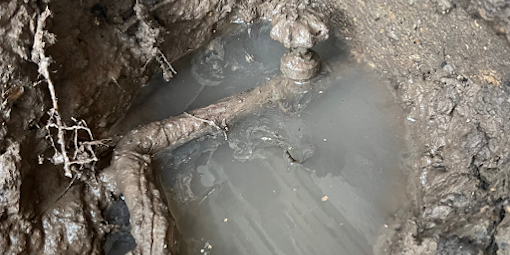
Preventative Measures for Slab Leak Detection
North Texas soil doesn’t play fair with foundations. Between long dry spells and sudden storms, the ground around McKinney is constantly expanding and contracting—and your home’s slab feels every bit of it. That movement can stress the pipes running under your concrete foundation, leading to tiny leaks that quietly grow into major structural and plumbing problems.
Industry studies estimate that water leaks account for up to 10,000 gallons of wasted water per home per year nationwide. In North Texas, foundation-related plumbing issues are even more common because of our clay-heavy soil and shifting ground. Slab leaks are one of the most expensive plumbing problems a homeowner can face, but many of them give off early warning signs you can catch—if you know what to look for.
This guide walks you through practical, preventative measures for slab leak detection, what early warning signs matter, which inspections are worth scheduling, and how local conditions in McKinney affect your risk. You’ll also see real examples from homes like yours, so you can make smarter decisions before a hidden leak turns into a foundation or flooring nightmare.
Key Insight: The earlier a slab leak is detected, the less damage it causes and the less invasive the repair. Prevention isn’t about guesswork—it’s about consistent monitoring, smart upgrades, and knowing when to call in a licensed professional.
Understanding Slab Leaks in North Texas Homes
A slab leak happens when a water line running beneath or within your concrete foundation starts leaking. These are usually pressurized water lines, but occasionally hot water or even older drain lines can be involved. Because the leak is trapped under the slab, you don’t always see obvious water damage right away.
In McKinney and the surrounding areas, several factors increase slab leak risk:
- Expansive clay soil that swells when wet and shrinks when dry
- Aging copper or galvanized piping in homes built decades ago
- High water pressure from the city supply
- Previous foundation repairs or shifting
One McKinney homeowner in an older subdivision near Eldorado Parkway called about a “mysterious warm spot” on their living room floor. No visible water, no dripping sounds—just a hot patch that never went away. Thermal imaging and acoustic equipment confirmed a hot water slab leak right below that area. Because they called early, the repair was localized and the flooring damage was minimal.
“Most slab leaks don’t start as a flood. They start as a whisper—subtle temperature changes, small spikes in the water bill, or a faint sound in the walls.” — Sewell Plumbing Technician
Preventative detection focuses on spotting those whispers. That means paying attention to minor changes in your home, scheduling routine plumbing evaluations, and using technology to see what your eyes can’t.
CALLOUT: If your home is 20+ years old and has never had a foundation or under-slab plumbing inspection, you’re at higher risk for undetected leaks.
Early Warning Signs You Should Never Ignore
Slab leaks rarely announce themselves with dramatic symptoms at first. Instead, they show up as small clues over weeks or months. Recognizing these early signs is one of the most effective preventative measures you can take.
Common indicators include:
- Unexplained increase in your water bill even though your usage hasn’t changed
- Warm or damp spots on tile, hardwood, or carpeted floors
- The sound of running water when all fixtures are off
- Cracks in walls, ceilings, or tile that appear or grow quickly
- Low water pressure in parts of the home
- Musty odors or localized mildew
A family in West McKinney noticed their water bill had jumped by about 30% two months in a row. They didn’t see any obvious leaks and initially assumed the city meter was wrong. After a basic meter test—turning off every faucet and checking if the meter still moved—it was clear water was flowing somewhere. A Leak Detection inspection confirmed a small slab leak under the kitchen area. Because they investigated the bill change instead of ignoring it, the repair didn’t require tearing up half the house.
Subtle changes in flooring are another red flag. Tile that suddenly “pops” or develops hollow sounds when walked on can indicate water undermining the mortar. In wood floors, slight cupping or warping in a concentrated area is worth checking out.
If you notice any combination of these signs, contact a licensed Plumbing Repair professional for diagnostics. Waiting until water surfaces or flooring buckles usually means a bigger, more expensive job.
How Professional Slab Leak Detection Actually Works
Preventative slab leak detection isn’t guesswork with a sledgehammer. Modern tools let trained plumbers pinpoint leaks with surprising accuracy, often with minimal disruption to your home.
Some of the most common technologies used in McKinney homes include:
- Acoustic listening devices that pick up the sound of water escaping under the slab
- Thermal imaging cameras to identify hot spots from leaking hot water lines
- Electronic line tracing to map where pipes run beneath the foundation
- Pressure testing to confirm whether a specific line is compromised
A homeowner near Stonebridge Ranch called because of a persistent hot spot in a hallway. Using a combination of thermal imaging and acoustic detection, the tech identified the exact location of a hot water leak under the slab, just a few feet from the water heater line. This allowed for a small, targeted access point rather than cutting randomly. The job was completed in a day, and the homeowner avoided extensive flooring replacement.
Here’s a comparison of traditional vs. modern detection approaches:
| Approach | Traditional “Search & Break” | Modern Leak Detection |
|---|---|---|
| Method | Guess and open slab areas | Acoustic, thermal, tracing |
| Damage to Home | High (multiple holes) | Low (targeted access) |
| Time to Locate Leak | Long, uncertain | Typically same day |
| Cost Over Time (McKinney) | Higher due to repairs | Lower overall |
| Accuracy | Moderate at best | High |
“Technology doesn’t replace experience; it amplifies it. The best results come from combining advanced tools with a tech who understands how water lines are actually laid in North Texas homes.” — Sewell Plumbing Services
Scheduling periodic Slab Leak Repair and detection checks—especially if you’ve had foundation movement, previous leaks, or an older plumbing system—can catch issues long before they reach the flooring surface.
Preventative Maintenance Habits That Reduce Slab Leak Risk
Not every slab leak is preventable, but you can significantly lower your chances with a few consistent habits and upgrades. Think of these as your “insurance policy” against under-slab surprises.
1. Control Water Pressure
Excessively high water pressure stresses pipes and joints, especially where they pass under or through the slab. Many North Texas homes see incoming pressure above recommended levels.
- Ask a Plumber to test your pressure; ideal residential pressure is typically 50–80 psi.
- Install or maintain a pressure-reducing valve (PRV) if needed.
- Have your PRV checked every few years to ensure it’s working properly.
2. Address Small Leaks Promptly
A dripping faucet or constantly running toilet may not seem related to slab leaks, but they signal stress points in your system and can mask more serious issues.
- Schedule timely Faucet Repair and Toilet Repair instead of living with “minor” problems.
- Fix visible pipe corrosion or moisture under sinks and behind appliances right away.
3. Maintain Water Heaters and Hot Water Lines
Hot water lines are a common source of slab leaks because heat accelerates pipe wear.
- Keep up with Water Heater Maintenance and flushing to reduce sediment and overheating.
- Consider upgrading aging units—whether Electric Water Heater or Gas Water Heater—to more efficient models.
- If you switch to a Tankless Water Heater Installation, have the lines evaluated at the same time.
A McKinney homeowner in a 90s-built house upgraded to a tankless system. During the install, the tech noticed a pressure issue and minor corrosion on hot lines entering the slab. A proactive re-route of one section prevented what likely would have become a hot water slab leak within a few years.
Consistent maintenance doesn’t guarantee you’ll never face a slab leak, but it dramatically improves your odds and often extends the life of your entire plumbing system.
Building Slab Leak Prevention into Renovations and Upgrades
Home improvements are one of the best times to invest in preventative slab leak measures, because you already have walls open, fixtures removed, or floors exposed. Thoughtful planning now can save thousands in future repairs.
Strategic Repiping and Rerouting
During Kitchen Plumbing Services or Bathroom Plumbing Services, you can:
- Replace older copper or galvanized lines with modern PEX or updated materials.
- Reroute vulnerable lines out of the slab and into walls or ceilings where practical.
- Add shut-off valves for individual fixtures to simplify future repairs.
A homeowner doing a full master bath remodel in McKinney’s historic district chose to replace aging hot water lines that ran under the slab and reroute them through an interior wall chase. The cost difference during the remodel was modest compared to what a future slab leak repair would have been.
Integrating Leak Detection and Access
During Full Home Remodels or Home Additions, consider:
- Installing accessible cleanouts and shut-offs for main water lines
- Planning plumbing layouts to minimize long runs under the slab
- Adding smart leak detection devices in high-risk areas (near water heaters, kitchens, and baths)
Here’s a simple comparison of “standard” vs. prevention-focused renovation planning:
| Renovation Approach | Standard Plumbing Layout | Prevention-Focused Layout |
|---|---|---|
| Pipe Routing | Long runs under slab | Shorter runs, more in walls/ceilings |
| Material Choice | Code-minimum | Upgraded piping and fittings |
| Shut-Off Valves | Basic main shut-off only | Multiple zone/fixture shut-offs |
| Leak Monitoring | None | Optional smart sensors |
| Long-Term Slab Leak Risk | Moderate to High | Lower |
“Smart renovations don’t just look good—they’re built to be serviceable. Good planning means fewer surprises hiding under your foundation years down the road.” — Sewell Plumbing Services
If you’re preparing your home for sale, integrating these upgrades as part of Pre-Listing Home Renovations can also be a selling point. Buyers appreciate documented evidence of proactive plumbing work, especially in slab-on-grade markets like McKinney.
Working with the North Texas Climate, Not Against It
Our climate and soil conditions in Collin County create a unique set of challenges for foundations and under-slab plumbing. Preventative slab leak measures should take those realities into account instead of fighting them.
Soil Moisture and Foundation Movement
The expansive clay soils around McKinney shrink dramatically during dry summers and swell after heavy rains. That constant movement can:
- Stress pipes passing through or beneath the slab
- Create micro-fractures in concrete where lines enter the foundation
- Shift the home enough to strain joints and fittings
While foundation companies focus on piers and leveling, a good plumbing plan works alongside those efforts:
- Coordinate Emergency Plumbing Services evaluations before and after major foundation work.
- If you use a foundation watering system, ensure it doesn’t saturate specific areas excessively, which can worsen movement.
Seasonal Plumbing Checkups
Consider a seasonal routine tailored to North Texas weather:
- Late Spring/Early Summer: Check irrigation systems, hose bibs, and visible exterior plumbing for leaks that increase soil movement.
- Late Summer: Watch for new interior cracks or sticking doors that may indicate foundation shift—pair this with a quick plumbing check.
- Late Fall: Schedule a plumbing inspection, including water pressure and visible pipe checks, ahead of colder months.
A McKinney homeowner off Virginia Parkway noticed new diagonal cracks above door frames after an especially dry summer. The foundation company recommended a plumbing test before any structural work. The test found a small under-slab leak contributing to soil erosion on one side of the house. Fixing the leak first helped stabilize the area and improved the long-term success of the foundation repair.
By aligning your preventative measures with local climate patterns, you give your slab and plumbing system the best chance at long-term stability.
What This Means for Businesses in McKinney, TX
While this guide focuses heavily on homes, commercial properties in McKinney face many of the same slab leak risks—often with higher stakes. Restaurants, medical offices, retail spaces, and small warehouses typically sit on slab foundations with pressurized water lines running beneath them.
For local businesses, a slab leak can mean:
- Unexpected closures while floors are opened and repairs are made
- Damage to inventory, equipment, or tenant improvements
- Mold or indoor air quality concerns that affect staff and customers
- Higher water bills that chip away at already tight margins
A small office building off Highway 380 experienced recurring “soft spots” in carpet tiles near a break room. At first, staff assumed it was spilled drinks or cleaning water. When the issue persisted, the property manager called for Commercial Plumbing Services. Testing revealed a slow slab leak under the cold water line feeding the kitchenette. Early detection allowed for a targeted repair over a weekend, avoiding extended downtime for tenants.
For McKinney businesses, preventative slab leak strategies should include:
- Regular plumbing inspections as part of your facility maintenance plan
- Annual water usage reviews to spot unexplained increases
- Coordination between your plumber, foundation specialists, and property manager
- Clear emergency procedures for suspected leaks, including contacts for an Emergency Plumber Near Me
Commercial spaces often have more complex layouts, shared walls, and multiple restrooms or break rooms. This makes professional Water Leak Repair and diagnostics especially important. A minor slab leak under a restroom or kitchen can quickly affect neighboring suites or floors.
By treating slab leak prevention as a standard part of your risk management—just like HVAC maintenance or fire safety—you protect not only your building, but your reputation and ability to serve customers without interruption.
Frequently Asked Questions
Q: How often should I have my plumbing checked to prevent slab leaks in McKinney?
A: For most McKinney homes, a professional plumbing check every 1–2 years is a good starting point, especially if your home is more than 15–20 years old. If you’ve had foundation movement, previous leaks, or high water pressure issues, yearly inspections are wise. A typical visit can include pressure testing, visual inspection of accessible lines, and recommendations for any needed Plumbing Repair. Pairing this with regular self-checks—like watching your water bill and testing the meter with all fixtures off—gives you a strong preventative strategy.
Q: My water bill spiked, but I don’t see any leaks. Does that mean I have a slab leak?
A: Not necessarily, but it’s a strong sign something is wrong. First, rule out obvious culprits: running toilets, dripping faucets, irrigation issues, or a leaking Water Heater Installation. If everything looks normal, perform a simple meter test: shut off all water use inside and outside, then check if the meter is still moving. If it is, you likely have a hidden leak. At that point, call a licensed plumber experienced in Slab Leak Repair to perform professional diagnostics before damage spreads.
Q: Are slab leaks covered by homeowners insurance in Texas?
A: Coverage varies widely by policy. Many policies in Texas will help with the access and repair of the damaged pipe (the actual leak), but not with repairing or replacing flooring, finishes, or foundation work unless specific endorsements are in place. Some insurers require proof that a licensed Plumber diagnosed the issue and that the damage was sudden and accidental—not from long-term neglect. It’s wise to review your policy and ask your agent about slab leak coverage before there’s a problem, so you know what to expect if a claim is needed.
Q: Can I prevent slab leaks completely by repiping my home?
A: Full Repiping Services can dramatically reduce your risk, especially in older homes with problematic materials, but no solution is 100% “leak-proof.” Repiping allows you to replace aging or corroded lines and potentially reroute them out of the slab where feasible. However, there will usually still be some sections under or through the foundation. The best approach combines quality materials, thoughtful routing, proper water pressure, and ongoing monitoring. Many McKinney homeowners choose partial repipes during remodels to address the highest-risk areas first.
Q: How disruptive is professional slab leak detection and repair?
A: Modern detection methods are far less invasive than they used to be. Locating a leak typically involves specialized equipment and minimal disturbance—often just access to areas like utility rooms, bathrooms, or kitchens. Repair options vary: some leaks can be addressed with localized slab access, while others may be better solved by rerouting lines through walls or ceilings. A reputable provider of Emergency Plumbing Services will explain your options, expected timelines, and how they’ll protect your home during the process, including dust control and cleanup.
Q: Does switching to a tankless water heater increase my risk of slab leaks?
A: Properly installed, a Tankless Water Heater Repair or installation does not inherently increase slab leak risk. In fact, because tankless systems can reduce some thermal stress on pipes and often include updated piping near the unit, they can be part of an overall modernization strategy. The key is ensuring water pressure is within recommended limits and that any existing hot water lines entering the slab are assessed during the upgrade. This is an ideal time to identify and address weak points that might otherwise lead to future leaks.
Q: Should I be worried about my drains and sewer lines causing slab problems too?
A: While slab leaks usually refer to pressurized water lines, failing drains or sewer lines under the slab can also cause serious issues, including soil erosion and foundation movement. Signs include recurring clogs, foul odors, or slow drains throughout the home. In those cases, a professional Drain Cleaning and inspection, sometimes including camera diagnostics, can identify broken or offset lines. If problems are found, targeted Sewer Line Repair or replacement can prevent further structural impact.
Ready to Get Started?
Slab leaks don’t happen overnight, but the damage they cause can seem to appear all at once—a warped floor here, a cracked wall there, a water bill that suddenly doesn’t make sense. The good news for McKinney homeowners and businesses is that you don’t have to wait for a crisis to take control.
Now is the ideal time to schedule a preventative evaluation, especially if your property is older, you’ve noticed subtle changes, or you’re planning renovations. A focused visit from a licensed professional can include pressure testing, visual inspections, and, if needed, advanced diagnostics to rule out or confirm concerns under your slab.
By acting before the busy season for Plumbing Services, you’ll have more flexibility in scheduling and more time to make informed decisions about any recommended work. You’ll also gain peace of mind knowing that someone who understands North Texas soil, foundations, and plumbing systems has taken a close look at your home or business.
If you’re ready to put a real plan in place instead of hoping for the best, reach out today and ask about preventative slab leak detection and whole-home plumbing evaluations tailored to McKinney properties.
About Sewell Plumbing Services
Sewell Plumbing Services is a locally owned, full-service plumbing company serving McKinney, TX, and the surrounding communities. With years of hands-on experience in North Texas homes and businesses, our licensed technicians specialize in accurate Leak Detection, slab leak diagnostics, and long-lasting repairs. From everyday Plumbing Services to complex under-slab solutions, we focus on honest recommendations, clear communication, and workmanship that respects your home and your time. Learn more about our team and services at Sewell Plumbing Services.