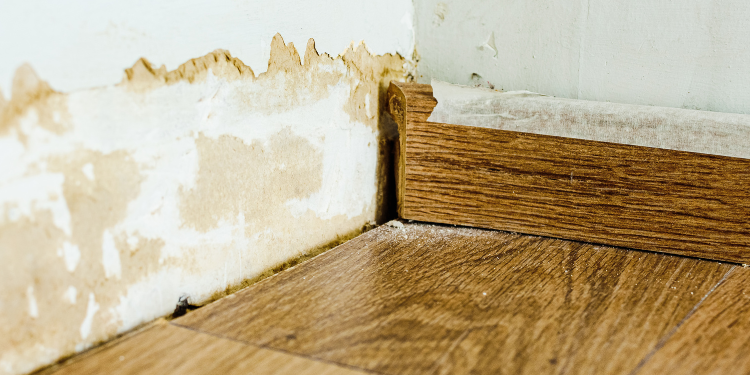
Steps to Identify Slab Leak Problems Quickly
If you own or manage property in McKinney, you’ve probably heard a neighbor mention a “slab leak” at least once. Maybe it started as a small warm spot on the floor, or a mysterious spike in the water bill, and suddenly they were dealing with torn-up flooring and major plumbing repairs. With our clay-heavy North Texas soil, shifting foundations, and hot-cold temperature swings, slab leaks are more common here than many homeowners realize.
Nationally, hidden plumbing leaks waste nearly 1 trillion gallons of water each year, according to the EPA. In Texas, foundation-related water issues can also lead to repair bills in the tens of thousands if they’re caught too late. Spotting the warning signs early is the difference between a manageable repair and a full-blown foundation or flooring disaster.
This guide walks you through the practical steps to identify slab leak problems quickly—before they spiral. You’ll learn the earliest warning signs, simple home checks you can do yourself, when to call in professional leak detection, and how McKinney’s soil and building styles affect your risk.
Key Insight: The faster you recognize a potential slab leak, the more you can limit damage to your foundation, flooring, and plumbing—and the less you’ll spend on repairs.
Understanding What a Slab Leak Is (and Why McKinney Homes Are Vulnerable)
A slab leak happens when a water line running under your concrete foundation cracks, corrodes, or breaks. Instead of flowing neatly through pipes, water seeps into the soil and concrete beneath your home. Over time, this hidden leak can erode soil, shift your foundation, and damage floors, walls, and even cabinets.
In McKinney and across Collin County, many homes are built on concrete slabs rather than basements or crawlspaces. That means:
- Water lines often run directly through or under concrete.
- Our expansive clay soils swell when wet and shrink when dry, stressing pipes.
- Seasonal droughts followed by heavy rains cause the ground to move, flexing plumbing lines.
“Slab leaks are as much a structural issue as a plumbing issue. The longer water flows under the foundation, the more the home moves.” — Senior Plumbing Technician, Sewell Plumbing Services
A recent service call in a newer McKinney subdivision started with a homeowner complaining about a “persistent musty smell” in a front room. No visible water, no obvious plumbing problem. After testing, we found a hot water slab leak under the living room, slowly saturating the underside of the slab and nearby framing. Catching it at that stage prevented serious foundation movement and saved thousands in potential structural repairs.
As you read the next sections, keep this in mind: slab leaks rarely show up as a dramatic gush of water. They tend to whisper before they shout.
Early Warning Signs You Can Spot Inside Your Home
Most slab leaks start with subtle interior clues. You don’t need specialized tools to notice these; you just need to pay attention and connect the dots.
1. Unexpectedly high water bills
If your usage habits haven’t changed—no new irrigation, no guests staying over—and your bill suddenly jumps, it could point to a hidden leak. A customer off Virginia Parkway recently called us after their water bill doubled in one month. There were no dripping faucets, no running toilets, and no visible puddles. A pressure test quickly confirmed a leak in the hot water line under the master bedroom.
2. Warm spots on the floor
Hot water slab leaks often create noticeably warm areas on tile, laminate, or hardwood. You might feel:
- A single warm patch in a hallway
- An area of carpet that’s warmer than the rest
- Heat radiating through tile, even when the heater is off
This is especially noticeable in winter when the rest of the floor feels cool.
3. Flooring changes: cupping, buckling, or discoloration
Water traveling up through the slab can cause:
- Wood floors to warp, cup, or buckle
- Laminate to swell or separate at the seams
- Carpet padding to feel damp, with a musty odor
“Anytime you see flooring change shape without an obvious spill or flood, start thinking about what might be happening under the slab.” — Lead Installer, Sewell Plumbing Services
4. Sounds of running water with fixtures off
Stand in a quiet room and listen. If you hear a faint hissing or running water noise when all taps and appliances are off, that’s a red flag.
These early signs don’t always mean a slab leak, but they should always lead to further investigation. Next, you’ll see how to use your water meter as a diagnostic tool.
Using Your Water Meter to Confirm a Hidden Leak
One of the simplest ways to check for a hidden leak under your slab is with your water meter. This method doesn’t require tools, just a bit of time and attention.
Step-by-step water meter test
1. Turn off all water inside and outside your home
- No faucets running
- No washing machine, dishwasher, or sprinklers
- Make sure toilets have finished refilling
2. Locate your water meter
In most McKinney neighborhoods, the meter is in a box near the curb or sidewalk. Carefully open the lid—watch for insects or debris.
3. Check the leak indicator
Many modern meters have a small triangle or star-shaped dial. If it’s spinning, water is flowing somewhere in your system.
4. Watch the main dial or digital readout
- Note the current reading.
- Wait 15–30 minutes with all water off.
- Check again to see if the numbers have changed.
If the leak indicator is moving or the reading changes noticeably, you likely have a hidden leak. The next step is figuring out whether it’s under the slab or somewhere accessible.
Is it a slab leak or a fixture leak?
We often get calls from McKinney homeowners who’ve done the meter test and are panicked. Sometimes, it’s as simple as a running toilet or a failed flapper, which falls under basic Toilet Repair. Other times, especially when fixtures and visible piping check out, the problem is under the slab.
Here’s a simple comparison to help you understand the difference:
| Symptom/Sign | More Likely: Fixture/Visible Leak | More Likely: Slab Leak Under Foundation |
|---|---|---|
| Constant toilet refilling sound | Yes | Rare |
| Visible moisture under sink | Yes | No |
| Warm spot on floor | Rare | Very common (hot water lines) |
| Meter moves with all fixtures off | Yes (either type) | Yes (requires further testing) |
| Cracks in tile or foundation | Sometimes (if long-term) | Common with ongoing foundation movement |
| Localized floor buckling | Sometimes (appliance leak) | Common near leaking line |
A homeowner near the McKinney National Airport area recently used the meter test and noticed steady movement even with everything shut off. After we ruled out visible leaks and fixtures, we performed advanced Water Leak Repair diagnostics and found a hot water slab leak under the kitchen—right beneath a row of cabinets that looked perfectly fine.
Physical Signs Around the Foundation and Exterior Areas
Not all slab leak clues show up inside. Sometimes, your yard and foundation perimeter tell the story.
1. Damp soil or unexplained puddles near the foundation
If you see:
- Persistent wet spots along the side of the house
- Soggy soil in one area when the rest of the yard is dry
- Lush, unusually green grass in a narrow strip
…you may have a leak saturating the ground near your foundation. This is especially suspicious during dry spells, which McKinney knows all too well.
2. Cracks in foundation, walls, or tile
All foundations move a bit over time, but sudden or widening cracks can signal water undermining the slab. Watch for:
- New diagonal cracks above doors and windows
- Cracks in floor tile that appear without heavy impact
- Gaps between baseboards and flooring
“Water is one of the most destructive forces to a foundation. A slow slab leak can quietly wash out soil and create voids under the concrete.” — Foundation & Plumbing Consultant
3. Shifts in doors and windows
If interior doors that used to close smoothly now stick or won’t latch, or you notice windows becoming harder to open and close, foundation movement may be at play. Combined with water usage anomalies, this can point toward a long-term slab leak.
4. Musty odors near certain walls or rooms
Moisture trapped in or under the slab can contribute to mold growth in adjacent walls or flooring materials. A customer near Historic Downtown McKinney noticed a persistent musty smell in a front room that air fresheners couldn’t mask. There were no visible water stains. Our testing identified a slab leak along the front water line, slowly saturating the slab and wall base.
Because foundation issues and slab leaks can mimic each other, coordinated evaluation from both a plumber and, if needed, a foundation specialist is often the most effective approach.
How Professionals Pinpoint Slab Leaks Without Tearing Up Your Home
Once you suspect a slab leak, the next critical step is accurate location. Modern technology allows professionals to find leaks with remarkable precision, minimizing demolition and repair costs.
At Sewell Plumbing Services in McKinney, we use a combination of methods tailored to each property:
1. Pressure testing and isolation
We pressurize specific sections of your plumbing system (hot, cold, or both) and monitor for pressure loss. This helps determine whether the leak is:
- In the hot water line
- In the cold water line
- In a specific branch of the system
This process also helps rule out fixture leaks before assuming it’s under the slab.
2. Electronic leak detection
Specialized equipment “listens” for the sound of water escaping under the slab. Technicians move sensors across floors to pinpoint the loudest location. This is far more precise than guessing based on warm spots alone.
3. Thermal imaging and moisture mapping
Infrared cameras can detect temperature differences in flooring, helping us see where hot water might be pooling. Moisture meters give additional data about dampness in concrete and nearby materials.
“Technology has transformed slab leak repair. We can now locate many leaks within inches, which means smaller access points and faster repairs.” — Master Plumber, Sewell Plumbing Services
4. Camera inspections for related issues
If we suspect that a drain line is involved, a camera inspection through cleanouts or fixtures can identify cracks, breaks, or blockages. Tools similar to those used for Drain Cleaning and repair help us see inside your pipes and assess their overall condition.
Here’s how traditional “search and destroy” compares to modern detection:
| Approach | Traditional (Guess & Open) | Modern Leak Location & Repair |
|---|---|---|
| Accuracy | Low – multiple holes often needed | High – within inches in many cases |
| Impact on home | Extensive flooring and slab removal | Targeted access points |
| Time to locate | Many hours or days | Often 1–3 hours |
| Overall cost | Higher due to extra demo and restoration | Lower, even with advanced equipment |
| Risk of missed leaks | Higher | Much lower with combined tests and imaging |
Once the leak is located, we’ll discuss repair options, which may include spot repairs, rerouting lines, or, in older homes with multiple issues, partial or full Plumbing Repair or repiping.
Fast Response Steps When You Suspect a Slab Leak
Timing matters. The sooner you act, the less damage spreads. If you suspect a slab leak, here’s a practical sequence to follow:
Step 1: Stay calm, but don’t delay
Avoid panic—most slab leaks are fixable without major reconstruction when caught early. But don’t ignore the signs or “wait to see if it gets better.” It won’t.
Step 2: Do a quick visual and sound check
- Walk through the home checking for visible leaks at sinks, toilets, water heaters, and appliances.
- Listen for running water with fixtures off.
- Note any warm spots or damp areas.
Step 3: Perform the water meter test
As described earlier, this helps confirm whether there’s an active, continuous leak on your system.
Step 4: Turn off water if you see active damage
If you notice:
- Water pooling indoors
- Rapidly spreading dampness
- Significant foundation cracks forming quickly
Use your main shutoff to stop the flow and call for Emergency Plumbing Services. Many homeowners search for an Emergency Plumber Near Me at this point; having a trusted local contact in your phone ahead of time saves valuable minutes.
Step 5: Call a licensed local plumber with slab leak experience
Not every Plumber specializes in slab leak detection. Ask:
- Do you offer electronic leak detection?
- How do you minimize damage to floors and slabs?
- Can you coordinate with restoration or foundation professionals if needed?
A McKinney homeowner near Stonebridge Ranch recently followed these steps after noticing warm floors in their hallway. Because they shut off the water when the flooring first began to warp and called quickly, the repair was limited to a small section of piping and a single access area in the slab—no full-floor replacement needed.
What This Means for Businesses in McKinney, TX
For McKinney businesses—especially those in retail spaces, restaurants, medical offices, and warehouses—a slab leak can be more than a nuisance. It can disrupt operations, risk customer safety, and damage inventory or equipment.
Here’s why fast identification is even more critical for commercial properties:
- Foot traffic and safety: Wet floors and shifting slabs present slip hazards and ADA compliance concerns.
- Equipment and inventory: Water under flooring can damage shelving, electrical systems, and stored goods.
- Downtime costs: Every hour your doors are closed for emergency Plumbing Services or flooring repair is lost revenue.
- Brand reputation: Customers remember the “flooded lobby” or “closed for repairs” sign.
McKinney’s rapid commercial growth around US-75 and the 121 corridor means many buildings share similar slab-on-grade construction and centralized plumbing layouts. That can concentrate risk: a single leak in a main line can affect multiple suites or units.
Businesses should consider:
- Annual or biannual plumbing inspections, including pressure tests
- Proactive Water Heater Maintenance and checks on main supply lines
- Quick-response plans: who to call, where shutoff valves are, and how to protect critical equipment
“Commercial slab leaks don’t just cost money in repairs; they cost time and trust. The businesses that plan ahead recover faster and with less disruption.” — Commercial Services Manager, Sewell Plumbing Services
Whether you manage an office building off Eldorado Parkway or a restaurant near Historic Downtown, knowing the signs of a slab leak—and having a local team on call—can make the difference between a quick repair and a multi-week shutdown.
Frequently Asked Questions
Q: How can I tell the difference between a slab leak and a simple plumbing leak?
A: Simple leaks, like a dripping faucet or running toilet, are usually visible or audible near a fixture. Slab leaks are hidden under the foundation, so the signs are more indirect: warm spots on the floor, unexplained high water bills, or cracks and movement in your foundation. A water meter test can confirm a hidden leak, but pinpointing whether it’s under the slab typically requires professional Leak Detection. If you’ve ruled out fixtures and visible pipes yet your meter still shows usage, it’s time to call a licensed plumber experienced with slab leaks.
Q: Does homeowners insurance cover slab leak repair in McKinney?
A: Coverage varies widely by policy. Many policies help with access (breaking into the slab to reach the pipe) and resulting damage, like ruined flooring, but don’t always cover the actual plumbing repair. Some policies may exclude foundation-related issues entirely. Because North Texas has known soil and foundation challenges, it’s worth reviewing your policy carefully and asking your agent specific questions about water damage and slab leaks. When we perform Slab Leak Repair, we can often provide documentation and photos to support your insurance claim.
Q: Will a slab leak always cause visible water inside my home?
A: Not necessarily. Many slab leaks in McKinney homes never show as standing water indoors. Instead, water may spread under the slab, seep into soil, or slowly wick into flooring materials. You might notice musty odors, buckling floors, or foundation movement long before you see a puddle. That’s why paying attention to less obvious signs—like warm floor spots, unusually high water bills, or damp soil along the foundation—is so important. If you suspect a hidden issue, schedule professional Water Leak Repair diagnostics rather than waiting for visible damage.
Q: Can I keep using my water if I suspect a slab leak but don’t see major damage yet?
A: You can, but it’s risky. Continuing to run water through a leaking line allows more soil erosion and foundation movement, and can worsen damage to flooring and walls. If you only have mild symptoms—like a slightly higher bill or a small warm spot—you may choose to use water sparingly until a plumber arrives. However, if you notice rapid floor changes, cracks, or active moisture, it’s safer to shut off the main water supply and call for Emergency Plumbing Services. The short-term inconvenience of limited water is minor compared to extensive structural repairs.
Q: How are slab leaks usually repaired—do you have to tear up my whole floor?
A: Not usually. Once we locate the leak precisely, we have several options. A direct repair involves opening a small section of slab, fixing the damaged pipe, and patching the concrete. In some cases, especially with older or corroded lines, rerouting the pipe through walls or ceilings is a better long-term solution. For homes with multiple issues, partial or full repiping may be recommended. Our goal is always to limit disruption and coordinate with flooring or restoration professionals as needed, similar to how we handle Plumbing Repair and fixture replacements.
Q: Could my water heater be causing symptoms that look like a slab leak?
A: Yes, particularly with hot water issues. A failing Electric Water Heater or Gas Water Heater can cause higher energy bills, inconsistent temperatures, or noises that might be mistaken for leaks. However, water heater problems rarely create warm spots in distant areas of your floor or unusual foundation movement. As part of our diagnostic process, we inspect your water heater and hot water lines to rule out equipment issues before assuming a slab leak. Proper Water Heater Maintenance can help prevent both appliance failures and some types of leaks.
Q: How urgent is it to address a slab leak in a commercial building?
A: Very urgent. In a commercial setting, a slab leak can quickly disrupt operations, create safety hazards, and damage inventory or equipment. Because many McKinney commercial buildings share plumbing lines between suites, one business’s leak can affect neighbors. If you suspect a slab leak—due to unexplained water usage, warm floors, or foundation movement—contact a local provider of Commercial Plumbing Services immediately. Fast action helps you avoid extended closures, costly structural repairs, and potential liability issues.
Ready to Get Started?
If you’re noticing any of the warning signs we’ve covered—warm spots on the floor, creeping water bills, cracks that weren’t there last season—this is the moment to act. Slab leaks don’t fix themselves, and every day you wait allows more water to move soil, stress your foundation, and damage finishes you’ve invested in.
Sewell Plumbing Services has helped homeowners and businesses across McKinney, from newer subdivisions to older neighborhoods, track down and repair slab leaks with precision and care. Our team uses advanced leak detection technology, clear communication, and repair strategies tailored to your home or building, whether that means a focused spot repair or a long-term reroute.
Your next step is simple: schedule an inspection. We’ll assess your symptoms, perform targeted testing, and explain your options in plain language—no pressure, no surprises. Protect your foundation, your flooring, and your peace of mind by getting ahead of the problem now rather than waiting for it to get worse.
About Sewell Plumbing Services
Sewell Plumbing Services is a locally owned, full-service plumbing company serving McKinney, TX and the surrounding communities. With years of experience in North Texas soils, foundations, and building styles, our licensed team specializes in accurate leak detection, slab leak repair, and comprehensive residential and commercial plumbing solutions. From everyday Plumbing Services to complex diagnostics and remodel support, we’re committed to honest recommendations, quality workmanship, and long-term reliability for every customer we serve.