Leak Detection Plumber: Protect Your Home From Hidden Damage
A small, hidden leak can quietly cause thousands of dollars in damage before you ever see a wet spot. In a fast-growing city like McKinney, TX—where many homes sit on concrete slabs and irrigation systems run almost year-round—slow leaks under floors, behind walls, or under driveways are more common than most homeowners realize.
Industry studies estimate that household leaks waste nearly 10,000 gallons of water per home each year on average. Even more concerning, the Insurance Information Institute reports that water damage and freezing account for almost 1 in 4 homeowners insurance claims nationwide. In North Texas, with shifting clay soils and aging water lines in older neighborhoods, the risks are even higher.
This guide will walk you through how professional leak detection works, why it matters so much in McKinney, what signs to watch for, and how Sewell Plumbing Services helps local homeowners catch problems early—before they turn into major repairs.
Key Insight: The earlier you detect a leak, the more control you have over repair costs, structural damage, and disruption to your daily life. Modern leak detection is precise, minimally invasive, and far more affordable than ignoring the problem.
Hidden Leaks: The Silent Threat Inside McKinney Homes
Not all leaks are dramatic bursts of water. Many start as a tiny pinhole in a copper line, a hairline crack in a slab pipe, or a loose connection behind a wall. These slow leaks can go unnoticed for months, spreading moisture into framing, insulation, flooring, and foundations.
In McKinney, several local factors make hidden leaks especially risky:
- Many homes are built on concrete slabs—making Slab Leak Repair a common necessity.
- Clay-rich soil expands and contracts with moisture, stressing underground pipes.
- Rapid development means newer neighborhoods sometimes have plumbing systems that were installed on tight timelines.
- Older parts of town may have galvanized or aging copper pipes more prone to corrosion.
A recent example: a family near Stonebridge Ranch noticed their water bill creeping up over three months. No visible leaks, no dripping faucets. By the time they called a Plumber, moisture had already damaged their hardwood flooring and baseboards in two rooms. Acoustic leak detection pinpointed a hot water line leak under the slab. Because the leak had been active for weeks, the repair required flooring replacement and partial drywall work—costing several times more than an early repair would have.
“Water damage rarely gets better on its own. It only gets more expensive.” — Senior Technician, Sewell Plumbing Services
How Professional Leak Detection Actually Works (Without Tearing Up Your Home)
Many homeowners still imagine leak detection as guesswork: cutting into walls or jackhammering through slabs until the leak is found. Modern methods are far more precise—and far less invasive.
At Sewell Plumbing Services, our leak detection process typically includes:
1. System Evaluation and Meter Test
We start at the water meter to confirm there is an active leak. By shutting off all fixtures and observing the meter, we can determine whether water is moving through the system unexpectedly. This simple step prevents unnecessary searching when the issue might be a running toilet or faulty irrigation valve.
2. Acoustic Leak Detection
Specialized listening equipment detects the sound of water escaping from pressurized pipes. Even under a concrete slab, a trained technician can often narrow the leak location to within a few inches.
3. Thermal Imaging and Moisture Mapping
Infrared cameras and moisture meters help us trace temperature changes and damp areas behind walls, under floors, or around fixtures. This is especially useful near water heaters, showers, and laundry rooms.
4. Line Tracing and Isolation
We use electronic line locators to map where your water lines run under the slab or yard. By isolating sections of pipe, we can confirm which branch is leaking before any cutting or excavation starts.
A McKinney homeowner in the Historic District recently called for “mysterious warm spots” on their living room floor. Using thermal imaging and acoustic tools, our technician identified a hot water slab leak under a specific corner of the room. Instead of tearing up half the floor, we opened a single, small access area to repair the pipe—saving the homeowner days of disruption and significant restoration costs.
Slab Leaks in North Texas: Why Our Soil Makes Them So Common
McKinney and much of Collin County sit on expansive clay soils that swell when wet and shrink when dry. This constant movement places stress on foundation slabs and the plumbing lines running through or beneath them, increasing the risk of slab leaks.
What Is a Slab Leak?
A slab leak is a leak in the water lines running below or within your home’s concrete foundation. These are typically:
- Hot or cold water supply lines
- Copper, PEX, or older galvanized pipes
- Under high pressure, so even small leaks can cause big damage over time
Common Signs of Slab Leaks in McKinney Homes
- Warm or damp spots on tile or wood floors
- Cracks in walls or flooring that seem to worsen quickly
- Sounds of running water with no fixtures on
- Unexplained high water bills
- Mildew or musty odors
One McKinney client in a mid-2000s subdivision near Eldorado Parkway noticed a single tile in their kitchen getting warmer over several weeks. They initially ignored it, assuming it was the afternoon sun. By the time they called for help, moisture had spread under surrounding tiles, and mold had started forming under the cabinets. Our Plumbing Repair team located a hot water slab leak and repaired the line, but the delay meant replacing cabinetry and flooring—far more costly than catching it earlier.
Traditional vs. Modern Slab Leak Solutions
| Approach | Description | Typical Impact in McKinney Homes |
|---|---|---|
| Break & Repair at Leak Point | Jackhammer slab and repair small section | Lower material cost, higher restoration cost |
| Reroute Above Slab | Bypass leaking line with new overhead piping | Often best long-term in homes with repeat leaks |
| Full Repiping Services | Replace multiple aging lines | Higher upfront cost, best for older homes |
For many McKinney homes experiencing recurring slab issues, rerouting or partial repiping can be more cost-effective than repeated spot repairs.
“On homes over 20–25 years old, a single slab leak may be a warning sign of more to come.” — Lead Plumber, Sewell Plumbing Services
Protecting Your Fixtures, Drains, and Water Heaters From Hidden Leaks
Leaks don’t just happen in hidden pipes. They often start at fixtures, drains, or appliances that you see every day—but the damage occurs where you don’t see it: below, behind, or underneath.
Fixtures and Toilets
A slow drip under a sink or a loose toilet seal can send water into cabinets, subflooring, or framing. Over time, that moisture can cause:
- Rot and structural weakening
- Mold growth
- Warped flooring
We often find these issues when homeowners call for Faucet Repair, Toilet Repair, or Bathroom Plumbing Services. What starts as a simple leak at the base of a toilet can reveal significant subfloor damage if it’s been ignored for months.
Drains and Sewer Lines
Slow drains, recurring clogs, or sewage smells can signal more serious problems than a simple clog. Professional Drain Cleaning and camera inspections help identify:
- Cracked or offset sewer lines
- Root intrusion in older neighborhoods
- Bellied pipes holding standing water
A McKinney homeowner near Downtown kept using DIY methods for Drain Unclogging in their main bathroom. After repeated clogs, they finally called our team. A camera inspection found a cracked sewer line under the yard. Early repair prevented sewage backup into the home—something no homeowner wants to experience.
Water Heaters and Supply Lines
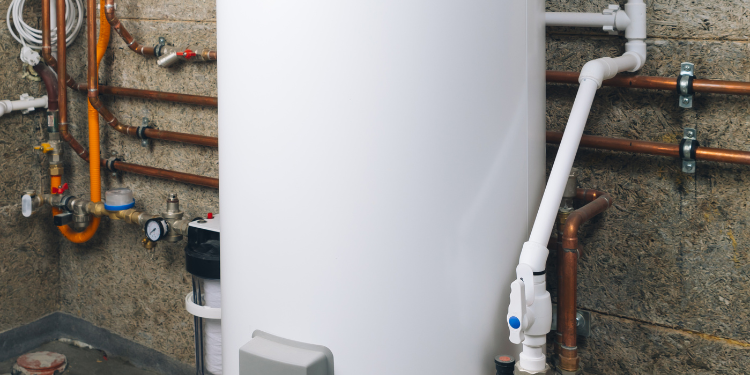
Leaks around Water Heater Repair calls are common. A failing tank or corroded connection can release large amounts of water in a short time, especially in garages that share a wall with living space. We also see leaks from:
- Expansion tanks
- Temperature and pressure relief valves
- Supply lines to tankless systems
Preventive Strategies: Catching Leaks Before They Catch You
Leak detection doesn’t have to start with an emergency. Proactive maintenance can dramatically reduce your risk of costly damage, especially in McKinney’s climate.
Schedule Regular Plumbing Checkups
Just as you service your HVAC system, your plumbing deserves periodic attention. During an annual or biannual visit, a licensed plumber can:
- Inspect visible pipes and valves
- Test water pressure (high pressure can damage fixtures and lines)
- Check water heater connections and safety devices
- Look for early signs of corrosion or wear
- Verify proper operation of shut-off valves
Many homeowners in rapidly growing areas like McKinney are busy and assume new-ish homes don’t need this level of care. But we frequently find early-stage issues during routine visits—long before they trigger a call for Emergency Plumbing Services.
Install Leak Detection Devices
Smart home technology now includes:
- Point-of-use sensors placed near water heaters, washing machines, and under sinks
- Whole-home systems that shut off water automatically when a major leak is detected
These are especially valuable for homeowners who travel frequently or own rental properties. A sensor catching a leak early can mean the difference between a quick Water Leak Repair and a full-scale restoration project.
Upgrade Aging or Problematic Components
Some parts of a plumbing system are more prone to leaks:
- Old rubber supply lines to washing machines
- Builder-grade shut-off valves that seize or fail
- Older water heaters nearing the end of their service life
Proactively replacing these items during other projects—like Kitchen Plumbing Services or Full Home Remodels—can prevent future emergencies.
“Preventive plumbing is like changing the oil in your car. You don’t wait for the engine to fail to take care of it.” — Owner, Sewell Plumbing Services
Coordinating Leak Repair With Renovations and Upgrades
Leak detection often reveals opportunities—or necessities—for broader improvements. Many McKinney homeowners choose to coordinate leak repairs with renovations to maximize their investment and minimize disruption.
Combining Leak Repairs With Bathroom or Kitchen Projects
If a leak is discovered behind a shower wall or kitchen sink, it may make sense to:
- Upgrade fixtures and valves while walls are open
- Replace aging supply lines or drains
- Improve layout or accessibility
Our team frequently helps homeowners pair leak repairs with Bathroom Renovations or Kitchen Renovations, turning an unwelcome surprise into a chance to modernize the space.
Planning for Future Resale
For owners planning to sell in the next few years, addressing leaks and plumbing issues proactively can protect property value. Pre-listing Home Renovations often include:
- Documented leak repairs
- Updated fixtures and visible plumbing
- Professional inspections that reassure buyers
A McKinney couple preparing to list their home near Craig Ranch discovered a small leak behind their master shower during a pre-inspection. They chose to fully update the shower and document the repair. The buyers later shared that this transparency and recent plumbing work were key reasons they felt confident moving forward.
Whole-Home and Addition Considerations
If your leak issues are part of a broader pattern—aging pipes, recurring slab leaks, or major layout changes—coordinating with Home Additions or Full Home Remodels can be smart. It allows:
- Strategic rerouting of lines away from problem areas
- Upgrades to modern piping materials
- Improved access for future maintenance
Cost, Convenience, and Risk: Weighing Your Leak Detection Options
Homeowners often hesitate to call for professional leak detection, worrying about cost or disruption. But in most cases, waiting is the most expensive option.
Typical Local Cost Ranges in McKinney
(Actual prices vary by home and situation; these are general ranges.)
| Service Type | Typical Range in McKinney | Notes |
|---|---|---|
| Basic Leak Detection (above slab) | Lower to moderate | Often same-day, minimal disruption |
| Slab Leak Location Only | Moderate | Pinpoints area before deciding repair method |
| Spot Repair (accessible area) | Moderate | Wall or floor access required |
| Slab Leak Repair (break & repair) | Moderate to higher | Includes concrete and flooring restoration |
| Reroute / Partial Repiping | Higher upfront, better long-term | Reduces risk of future slab leaks |
When you factor in potential damage to flooring, cabinets, drywall, and personal belongings—not to mention the hassle of living through a major restoration—professional leak detection is often the most economical path.
What This Means for Homeowners in McKinney, TX
McKinney’s mix of older homes, rapid new construction, and challenging soil conditions makes leak awareness more than just a good idea—it’s a key part of protecting your largest investment.
For local homeowners, that means:
- Budgeting for periodic plumbing inspections, especially as your home ages.
- Treating unexplained high water bills, warm floors, or musty smells as urgent issues.
- Partnering with a local, licensed plumber who understands McKinney’s building styles and soil conditions.
- Considering proactive upgrades to water heaters, supply lines, and fixtures before they fail.
Whether you’re in a historic home near Downtown or a newer build in a master-planned community, the risks of hidden water damage are similar. What varies is how quickly you respond and how strategically you plan your repairs and upgrades.
Frequently Asked Questions
Q: How do I know if I have a hidden leak if I don’t see any water?
A: The most common early signs of hidden leaks are indirect. Watch for unexplained increases in your water bill, the sound of water running when all fixtures are off, warm or damp spots on floors, or musty odors in specific areas. If you suspect a problem, a licensed Emergency Plumber Near Me can perform a meter test and targeted leak detection. In McKinney, where many homes sit on slabs, we often find slab leaks or leaks behind walls long before water becomes visible on surfaces. Acting on these early signs can save you thousands in repair and restoration costs.
Q: Are slab leaks covered by homeowners insurance in McKinney?
A: Coverage depends on your specific policy, but many homeowners insurance policies help with access and resulting damage from a covered water leak, not always the actual plumbing repair itself. For example, they might help pay to remove and replace flooring and drywall to reach a slab leak. We regularly assist McKinney homeowners by documenting the leak, providing detailed invoices, and explaining the repair to adjusters. It’s wise to call your insurance agent early, then have a Plumbing Services professional provide a clear diagnosis so you know what is and isn’t covered.
Q: How invasive is professional leak detection? Will you have to tear up my floors?
A: Modern leak detection is designed to be as non-invasive as possible. We start with external tests, acoustic listening devices, thermal imaging, and moisture meters to narrow the leak location without opening walls or floors. In many cases, we can pinpoint a leak within a small area, minimizing the size of any access points. Only after we’ve confirmed the location and discussed repair options do we cut into surfaces. Compared to older “search and destroy” methods, today’s techniques used by experienced Plumbing Services Near Me dramatically reduce unnecessary damage.
Q: Is it better to repair a single leak or consider repiping part of my home?
A: It depends on your home’s age, pipe material, and history. If you have a newer McKinney home and this is your first isolated leak, a targeted repair is often sufficient. However, if your home is 20–30+ years old and you’ve had multiple leaks—especially in slab lines or older galvanized pipes—it may be more cost-effective to consider partial Repiping Services or rerouting. While repiping has a higher upfront cost, it can prevent repeated leaks, ongoing disruption, and rising insurance premiums. A trusted local plumber can walk you through pros and cons specific to your home.
Q: Can I use DIY methods to find or fix a leak myself?
A: You can do some basic checks yourself—like monitoring your water meter, looking for visible drips, or tightening a loose faucet connection. Simple issues like a running toilet may be resolved with basic repairs similar to what you’d do when learning How to Unclog a Toilet. However, hidden leaks in walls, under slabs, or in main lines are best left to professionals. DIY attempts can miss the real source, cause more damage, or even create safety issues, especially around gas lines or Gas Water Heater systems. In most cases, a professional leak detection visit is far less expensive than repairing damage from a misdiagnosed DIY fix.
Q: How often should I have my plumbing inspected to prevent leaks?
A: For most McKinney homes, a plumbing inspection every 1–2 years is a good baseline, especially once your home is more than 10–15 years old. If you’ve had previous leaks, high water pressure issues, or know your home has older piping materials, annual inspections are wise. During these visits, a Water Heater Maintenance check, fixture inspection, and visual assessment of accessible piping can catch small issues before they become big ones. If you’re planning a remodel or addition, that’s also an ideal time to have a comprehensive plumbing assessment.
Q: Will a tankless or new water heater help reduce leak risks?
A: Upgrading to a modern Tankless Water Heater Installation or a new Electric Water Heater or gas unit can reduce the risk of catastrophic tank failures and improve efficiency. Traditional tank-style heaters can leak as they age, especially if they’re not maintained. Tankless systems eliminate the large storage tank, though they still require proper installation and maintenance to prevent leaks at connections. A plumbing professional can evaluate your current system, age, and usage to recommend whether a Water Heater Replacement is a smart preventive step for your home.
Ready to Get Started?
Hidden leaks don’t wait for a convenient time to show themselves. In McKinney’s climate and soil conditions, even a small, slow leak can quickly escalate into foundation issues, warped floors, or mold growth. The earlier you act, the more options you have—and the less it typically costs to fix.
If you’ve noticed warning signs like higher water bills, warm spots on your floor, musty odors, or recurring plumbing issues, it’s time to bring in a professional. Sewell Plumbing Services offers precise leak detection, honest assessments, and repair options tailored to your home and budget. Whether you need targeted Leak Detection, help with a suspected slab leak, or guidance on upgrades that can prevent future problems, our licensed team is ready to help.
Don’t wait for visible water damage to confirm what your gut already suspects. Schedule a leak evaluation today, get clear answers, and protect your home from hidden damage.
About Sewell Plumbing Services
Sewell Plumbing Services is a locally owned, full-service plumbing company based in McKinney, TX. Our licensed, experienced team has spent years helping North Texas homeowners with everything from precise leak detection and Water Leak Repair to Water Heater Installation, Drain Cleaning, and full-scale remodel plumbing. We pride ourselves on honest recommendations, clear communication, and workmanship that respects both your home and your time. To learn more about our services or schedule a visit, start with our main site below.