Slab Leak Repair Plumber: Fast Leak Detection Solutions
On a quiet morning in McKinney, a homeowner notices a warm spot on the living room floor and a water bill that’s suddenly doubled. There are no visible leaks, no dripping faucets, and no running toilets. The problem is hidden below the concrete foundation: a slab leak.
Across North Texas, including McKinney and surrounding Collin County communities, slab leaks are more common than most people realize. Expansive clay soils, shifting foundations, and aging plumbing all create the perfect storm for hidden leaks under your home. Left unchecked, a slab leak can cause structural damage, mold growth, and thousands of dollars in repairs.
This guide explains how professional slab leak detection works, why speed matters, and what repair options you have. You’ll learn how to spot early warning signs, what to expect from a licensed plumber, how costs compare, and how Sewell Plumbing Services helps protect McKinney homes with fast, accurate solutions.
Key Insight: The faster a slab leak is found and fixed, the more of your home’s foundation, flooring, and plumbing system you can save—and the less you’ll spend overall.
Why Slab Leaks Are a Serious Threat in McKinney Homes
McKinney’s growth has been explosive over the last two decades, and with it, thousands of homes have been built on our region’s expansive clay soil. That soil swells when wet and shrinks when dry, constantly pushing and pulling on your foundation and buried pipes.
Over time, that movement can:
- Stress copper or PEX water lines under the slab
- Create tiny pinhole leaks that grow larger
- Crack fittings or joints in older plumbing systems
A typical scenario we see: a family in Stonebridge Ranch calls because their water bill jumped 40% in a month. They’ve checked every Plumbing Repair point they can see—no dripping faucets, no running toilets, no visible water damage. But they mention a slight hissing sound near a wall and a warm strip on the tile floor.
Using acoustic listening equipment and line tracing, we locate a hot water line leak beneath the slab, right under the kitchen. Catching it early meant:
- No structural foundation repair
- Limited flooring replacement
- A focused, minimally invasive plumbing repair
“Slab leaks are one of those problems that start small but can escalate incredibly quickly if ignored.” — Sewell Plumbing Services, McKinney, TX
For McKinney homeowners, the combination of soil movement, seasonal droughts, and irrigation practices makes early slab leak detection not just smart—it’s essential for protecting your biggest investment.
Early Warning Signs: How to Tell You Might Have a Slab Leak
Slab leaks rarely announce themselves with obvious flooding. Instead, they whisper through subtle signs that are easy to miss if you don’t know what to look for.
Common Symptoms in McKinney Homes
Watch for:
- Unexplained spikes in your water bill
- Warm or damp spots on tile, hardwood, or carpet
- The sound of running water when everything is off
- Cracks in walls, baseboards, or flooring that seem to worsen
- Mildew or musty odors without visible water damage
- Constantly running well pump (for rural properties)
We recently helped a homeowner off Virginia Parkway who noticed a persistent warm streak running across their living room floor. Their first thought? A problem with their Water Heater Repair or a faulty thermostat. After ruling out issues with their gas and Electric Water Heater, our diagnostics pointed to a hot water slab leak feeding the living room line.
Within a few hours, we:
- Confirmed the leak location
- Isolated the affected line
- Presented options for localized repair or rerouting
CALLOUT: Any one of these symptoms should trigger a professional evaluation. Multiple symptoms together—especially rising water bills plus warm spots—are a strong indicator of a slab leak.
Why DIY “Wait and See” Is Risky
Some homeowners hope the problem will “stabilize” or that a minor bump in the bill is a fluke. In McKinney’s climate, that delay can be costly:
- Water can erode soil under your slab, creating voids
- Foundation can settle unevenly, causing structural movement
- Mold can develop under flooring and inside walls
“Every month a slab leak goes undetected increases the likelihood of serious foundation and indoor air quality issues.” — Plumbing Industry Best Practices, PHCC
If you recognize these signs, it’s time to move from suspicion to confirmation with professional leak detection.
How Professional Slab Leak Detection Works (Without Tearing Up Your Home)
Homeowners often picture slab leak detection as a guessing game with jackhammers. Modern technology has changed that completely. The goal today is precision—finding the exact location of the leak so repairs are as targeted and minimally invasive as possible.
Tools and Techniques We Use
At Sewell Plumbing Services, we use a combination of:
- Electronic acoustic listening devices to pinpoint the sound of escaping water
- Thermal imaging to identify temperature changes in floors and walls
- Line tracing to map hot and cold water lines under the slab
- Pressure testing to confirm which lines are compromised
For example, a McKinney client near McKinney Boyd High School called our team after another contractor recommended tearing up half their kitchen to “search” for a leak. Instead, we brought in electronic listening equipment and traced the lines. Within an hour, we had the leak isolated to a 2-foot section under a hallway—not the kitchen.
We then coordinated with the homeowner to:
- Cut a small, strategic access opening
- Repair the damaged pipe section
- Restore the slab and flooring with minimal disruption
Traditional vs. Modern Leak Detection
Here’s how old-school “search and destroy” compares to today’s technology-driven approach:
| Approach | Traditional (Guess & Break) | Modern (Electronic Detection) |
|---|---|---|
| Accuracy | Low to moderate | High – within a few inches |
| Damage to home | Extensive, multiple holes | Minimal, single targeted access |
| Time to locate leak | Several hours to days | Typically 1–3 hours |
| Cost impact | Higher due to extra demo & repair | Lower overall project cost |
| Stress & disruption | High – noisy and messy | Lower – focused, planned work |
| Best suited for | Very old systems with limited access | Most modern McKinney homes and remodels |
This is why professional Leak Detection is such a critical first step. The more accurately we locate the problem, the more options you have for a cost-effective repair.
Choosing the Right Repair Method: Spot Repair, Reroute, or Repiping
Once the leak is located, the next decision is how to fix it. The “right” solution depends on the age of your plumbing, the location of the leak, and the overall condition of your system.
Common Slab Leak Repair Options
1. Spot Repair (Direct Access)
- We open the slab directly above the leak
- Replace the damaged section of pipe
- Restore concrete and flooring
Best for: Newer homes with otherwise healthy pipes and a single, accessible leak.
2. Rerouting (Bypass the Slab)
- Abandon the leaking line under the slab
- Run new pipe through walls, attic, or ceilings
- Connect to fixtures from above rather than below
Best for: Multiple leaks, hard-to-reach areas, or when you want to avoid future slab penetration.
3. Repiping Services (Whole-Home)
- Replace large portions or all of your water distribution system
- Often involves upgrading to modern PEX or copper
- Can be combined with Residential Plumbing Services or remodels
Best for: Older McKinney homes with recurrent leaks, corrosion, or outdated materials.
We recently worked on a 1990s home near Eldorado Parkway with its second slab leak in three years. The first plumber had done a spot repair. This time, we recommended rerouting the hot water line through the attic to avoid additional slab cuts. The homeowner chose reroute plus partial repiping of vulnerable lines. The result:
- No further slab penetrations
- Improved water pressure
- Peace of mind with a modernized system
CALLOUT: A cheap, quick patch on a failing system might solve today’s problem but set you up for tomorrow’s emergency. A good plumber should explain both short- and long-term options.
Cost and Disruption: What McKinney Homeowners Can Expect
Every home is different, but here’s a general comparison:
| Repair Option | Typical Disruption Level | Long-Term Reliability | Ideal Use Case |
|---|---|---|---|
| Spot Repair | Localized, short-term | Good (if pipes are sound) | Isolated leak in newer system |
| Reroute | Moderate, wall/attic work | Very good | Repeated leaks or tricky slab locations |
| Whole-Home Repiping | Higher, more extensive | Excellent | Aging systems, major remodels, repeated issues |
A thorough evaluation by a licensed Plumber will help you choose the path that balances cost, disruption, and long-term reliability.
How Slab Leaks Affect the Rest of Your Plumbing System
Slab leaks rarely happen in isolation. They put stress on other parts of your plumbing and can reveal underlying issues that need attention.
Common Related Problems
- Water Heater Overwork: A hot water slab leak forces your Water Heater Maintenance system to run constantly, shortening its life.
- Pressure Imbalances: Leaks can cause low pressure at fixtures and strain on Drain Cleaning and venting systems.
- Foundation Movement: Shifting slabs can stress sewer lines, leading to Sewer Line Repair needs.
- Fixture and Toilet Issues: Constant moisture can affect seals and connections, leading to more frequent Toilet Repair or fixture replacement.
A real-world example: A homeowner in west McKinney called about slow drains and recurring toilet clogs. They’d tried every “How to Unclog a Toilet” trick online. When we inspected the system, we found:
- Slight foundation movement affecting the main sewer line slope
- A hot water slab leak near the kitchen contributing to the settlement
We addressed both issues: targeted Slab Leak Repair plus partial sewer line correction. Their drains returned to normal, and we helped them avoid a much larger structural problem.
“Plumbing systems are interconnected. Fixing a slab leak is often the key to restoring overall system performance.” — Sewell Plumbing Services
Fast Response vs. Waiting: The Real Cost of Delayed Slab Leak Repair
Many McKinney homeowners hesitate to call an Emergency Plumbing Services provider because they worry about cost or disruption. But waiting often makes both worse.
Time vs. Damage: A Practical Comparison
| Response Time After First Sign | Likely Impact in McKinney Conditions | Typical Outcome |
|---|---|---|
| Within 48 hours | Minimal structural impact, localized moisture | Targeted repair, lower total cost |
| 1–4 weeks | Soil erosion, minor foundation movement, mold risk | Expanded repair area, possible foundation evaluation |
| 1–6 months | Noticeable foundation issues, flooring damage | Costly structural repair, widespread remediation |
| 6+ months | Major structural, mold, and plumbing failures | Full-scale restoration, insurance claims, long disruptions |
Consider a Craig Ranch homeowner who noticed a warm floor spot in early summer but waited until fall to call. Over those months:
- The leak expanded
- Soil washed away under part of the slab
- Cracks appeared in walls and tile
What could have been a 1–2 day Water Leak Repair turned into weeks of foundation work, flooring replacement, and interior repairs.
CALLOUT: Fast detection doesn’t always mean immediate major work. Sometimes, confirming the problem early lets you plan a repair timeline that fits your schedule and budget—before it becomes an emergency.
Insurance and Financial Considerations
Many homeowners insurance policies in Texas:
- May cover access to the leak and resulting damage
- May not cover the cost of the actual pipe repair
Every policy is different. We regularly work with McKinney homeowners and their adjusters to:
- Provide clear documentation and photos
- Outline scope of work and itemized costs
- Coordinate repair sequences to minimize disruption
The key is having a professional diagnosis in hand. Without it, it’s difficult to discuss options with your insurer or plan effectively.
Integrating Slab Leak Repair with Upgrades and Long-Term Protection
Addressing a slab leak can also be an opportunity to improve your home’s plumbing performance and efficiency. Many McKinney homeowners choose to combine necessary repairs with smart upgrades.
Strategic Upgrades to Consider
- Tankless Water Heater Installation: If your hot water lines are being rerouted, it may be a good time to explore Tankless Water Heater Installation for better efficiency.
- Water Filtration and Softening: North Texas water can be hard on pipes and fixtures. Adding Water Heater Replacement and filtration can extend system life.
- Fixture Updates: Aging faucets, showers, and toilets can be replaced during repairs with more efficient, reliable models.
- Drain and Sewer Assessments: If foundation movement is suspected, a camera inspection of your drains and sewers can prevent future surprises.
We helped a homeowner near historic downtown McKinney who had a hot water slab leak under their master bath. They chose to:
- Reroute lines through the attic
- Upgrade to a high-efficiency Gas Water Heater tankless system
- Refresh fixtures as part of a small bathroom renovation
The end result was not just a repaired leak but a more efficient, modern, and valuable home.
What This Means for Businesses in McKinney, TX
While slab leaks are often discussed in the context of homes, they can be just as disruptive—and expensive—for local businesses in McKinney.
Retail shops on the square, medical offices, restaurants along US-75, and light industrial spaces in business parks all rely on stable foundations and reliable plumbing. A hidden leak under a slab can:
- Damage inventory, equipment, or interior finishes
- Force temporary closure due to safety concerns
- Create liability issues if customers or staff are affected by mold or trip hazards
- Disrupt operations due to noisy or messy emergency repairs
A local McKinney office building owner contacted us after tenants complained about damp carpet and a musty odor near a common hallway. Our commercial Plumbing Services team performed non-invasive detection during off-hours, located a slab leak under a main corridor, and coordinated a scheduled repair to minimize disruption to tenants.
For businesses, the stakes are higher:
- Downtime equals lost revenue
- Reputation can be affected by ongoing building issues
- Lease obligations may require fast resolution of plumbing problems
Proactive slab leak detection and fast response are essential parts of a commercial property maintenance strategy. Partnering with a local, responsive 24 Hour Plumber in McKinney means you have experts on call who understand local building types, soil conditions, and code requirements.
Frequently Asked Questions
Q: How do I know if my high water bill is from a slab leak or something else?
A: A sudden spike in your water bill can come from many sources: running toilets, leaking faucets, irrigation issues, or a hidden slab leak. Start by checking visible fixtures and using basic methods you’d use for Toilet Repair or faucet checks. If nothing obvious appears and the bill remains high, it’s time for professional Leak Detection. A licensed plumber can perform a meter test, isolate your home’s plumbing from the city side, and use specialized equipment to determine whether the extra usage is under your slab or elsewhere. In McKinney’s climate, catching a slab leak early can prevent structural damage and more extensive repairs.
Q: Will you have to tear up my entire floor to fix a slab leak?
A: In most cases, no. Modern slab leak detection focuses on pinpointing the leak to within a very small area. Once located, we typically have two options: a targeted spot repair through a small opening in the slab, or rerouting the line through walls or attic spaces. Which option we recommend depends on the age of your system, leak location, and your long-term plans for the property. During our evaluation, we explain the pros and cons of each approach, including how it may affect flooring, cabinets, and adjacent areas. Our goal is always to minimize disruption while providing a durable, code-compliant repair.
Q: How long does slab leak detection and repair usually take in a typical McKinney home?
A: For most homes, professional detection takes between 1 and 3 hours, depending on accessibility and system complexity. Once we’ve confirmed the leak location and discussed repair options with you, the actual Water Leak Repair can often be completed in 1–2 days for spot repairs or simple reroutes. More complex situations—such as multiple leaks, older plumbing that needs repiping, or coordination with foundation or flooring contractors—can extend the timeline. We always provide a clear schedule upfront so you know what to expect, and we work to keep you in your home whenever it’s safe and practical to do so.
Q: Will my homeowners insurance cover slab leak repair?
A: Coverage varies widely by policy and carrier. Many Texas homeowners policies cover the access to the leak (cutting concrete, removing flooring) and the resulting damage (such as ruined flooring or drywall), but not the actual Plumbing Repair of the broken pipe itself. The first step is professional documentation: leak location, photos, and a written estimate. With that, you can speak to your adjuster about what’s covered. At Sewell Plumbing Services, we regularly provide detailed reports and work with McKinney homeowners and their insurers to help streamline the process and ensure necessary repairs are clearly documented.
Q: Can I just turn off the water to the leaking line and wait to fix it later?
A: In some cases, temporarily isolating a line is possible, but it’s rarely a good long-term solution. If the leaking line feeds essential fixtures—like your kitchen, laundry, or main bathrooms—you’ll quickly feel the impact. More importantly, leaks often indicate broader issues with pipe condition or foundation movement. Delaying repair can allow hidden moisture to persist, leading to mold, further structural movement, or additional leaks. A better approach is to call an Emergency Plumber Near Me for a prompt assessment. Even if you choose to schedule the main repair for a later date, having a clear diagnosis helps you plan safely and avoid additional damage.
Q: Is it worth considering repiping if I’ve had more than one slab leak?
A: Yes, recurrent slab leaks are often a sign that the piping under your slab is aging or that soil movement is taking a toll. While a single isolated leak might be best handled with a spot repair, multiple leaks over a few years usually point to a systemic issue. In that case, options like rerouting or partial/whole-home repiping can actually be more cost-effective over time. When combined with other projects—such as Kitchen Plumbing Services, Bathroom Renovations, or Pre-Listing Home Renovations—repiping can improve reliability, water pressure, and home value while reducing the risk of future emergencies.
Q: How can I reduce the risk of slab leaks in the future?
A: While no system is completely immune, there are several ways to lower your risk in McKinney’s soil and climate. Regular plumbing inspections, especially of visible lines, valves, and your Water Heater Installation connections, can catch early issues. Maintaining stable moisture around your foundation—avoiding extreme dry or wet cycles—helps reduce soil movement. Installing pressure-reducing valves where needed can protect pipes from high pressure. If you’re remodeling, choosing high-quality materials and having work done by licensed professionals reduces the chance of future failures. Finally, addressing minor leaks and strange plumbing behavior promptly can prevent small issues from becoming slab leaks.
Ready to Get Started?
Slab leaks don’t fix themselves, and in McKinney’s shifting soil, time is never on your side. If you’ve noticed higher water bills, warm flooring, unexplained dampness, or the sound of running water when everything is off, it’s time to get answers.
Sewell Plumbing Services offers fast, precise slab leak detection and repair tailored to North Texas homes and businesses. Our licensed technicians use modern equipment, follow industry best practices, and take the time to explain your options clearly—whether that’s a focused repair, reroute, or a more comprehensive long-term solution.
Acting now can mean the difference between a controlled, budget-conscious repair and a major foundation or restoration project. Call today to schedule professional detection, or request an appointment online. We’ll assess your situation, provide a straightforward estimate, and help you protect your property with minimal disruption.
About Sewell Plumbing Services
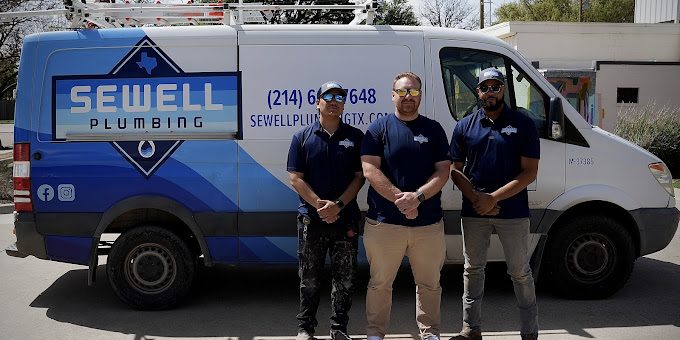
Sewell Plumbing Services is a locally owned, full-service plumbing company based in McKinney, TX, serving homeowners and businesses across Collin County and North Texas. With years of hands-on experience in slab leak detection, Plumbing Services Near Me, and comprehensive repairs, our licensed team is known for honest recommendations, quality workmanship, and respect for your home. From emergency leak repairs to full-system upgrades and remodel support, we’re committed to keeping McKinney’s plumbing systems safe, efficient, and reliable.