Reliable Water Heater Installation: What to Expect
On a chilly North Texas morning, nothing derails your day faster than stepping into an ice-cold shower. In McKinney, where summer heat is intense and winters can still bring freezing nights, your water heater quietly works overtime year-round. When it fails—or when it’s simply too old and inefficient—replacing it the right way matters more than most homeowners realize.
Industry studies show water heating can account for 18–25% of a home’s energy use. A poor installation doesn’t just shorten your system’s life; it can drive up your utility bills, create safety risks, and leave you dealing with constant repairs. A proper installation, on the other hand, gives you reliable hot water, better efficiency, and peace of mind.
This guide walks you through what to expect from a reliable water heater installation in McKinney: from choosing between gas, electric, and tankless systems to the installation day itself, local code requirements, and how to avoid common problems that cost homeowners thousands of dollars over time.
Key Insight: A water heater is only as good as its installation. Even the best brand can fail early or run inefficiently if it’s not sized, vented, and connected correctly for your home.
Understanding Your Water Heater Options in McKinney
Before an installer brings any tools inside, the first step is choosing the right type and size of water heater for your household and your home’s plumbing and gas or electrical setup.
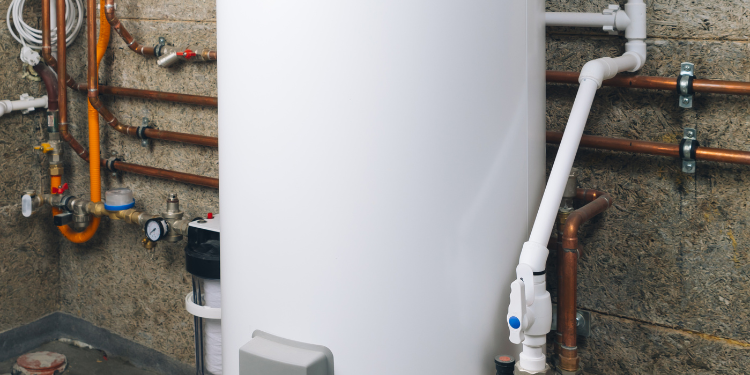
In McKinney, most homes use either a traditional tank-style Water Heater Installation (gas or electric) or a tankless system. Each has its pros and cons.
Gas vs. Electric vs. Tankless
- Gas water heater
- Heats water quickly
- Typically cheaper to run if you have natural gas service
- Requires proper venting and combustion air
- Electric water heater
- Easier installation in homes without gas
- No combustion exhaust or gas line
- Can be more expensive to operate depending on electric rates
- Tankless water heater
- Endless hot water when sized correctly
- Saves space and can reduce energy usage
- Requires proper gas line sizing and sometimes electrical upgrades
“Most premature water heater failures we see start with the wrong unit size or fuel type for the home’s needs.” — Sewell Plumbing Services
A family of four in a McKinney two-story home, for example, may need a 50-gallon gas unit—or an appropriately sized Tankless Water Heater Installation—to comfortably handle morning showers, laundry, and dishes. A retired couple in a smaller home might be better off with a smaller, high-efficiency electric or tankless model.
A reliable installer won’t just ask, “Gas or electric?” They’ll look at:
- Your home’s gas line capacity and electrical panel
- Number of bathrooms and fixtures
- Distance from water heater to farthest fixture
- Existing venting and drain layout
- Future renovation plans (like bathroom upgrades or a new tub)
This planning step is where a lot of long-term headaches are prevented.
What a Professional Water Heater Assessment Should Include
A quality installation starts long before the old unit is pulled out. During the assessment, your plumber should evaluate not only the water heater, but the entire system connected to it.
Safety, Code, and Compatibility Checks
In McKinney and Collin County, local building codes and manufacturer requirements guide how a Water Heater Replacement must be done. A thorough assessment usually includes:
- Location review: Is the current spot safe and code-compliant?
- Ventilation: For gas units, is the vent sized and routed correctly?
- Drainage: Is there a proper drain pan and drain line to protect your home?
- Gas line sizing: Can the line support a new high-BTU gas or tankless unit?
- Electrical capacity: For electric models, does the breaker and wiring meet requirements?
- Water quality check: Hard water is common in North Texas and can drastically shorten water heater lifespan.
If your plumber notices low water pressure, recurring leaks, or signs of corrosion on nearby pipes, they may recommend Plumbing Repair or upgrades at the same time. That might include new shutoff valves, flexible connections, or even limited Water Leak Repair if there are signs of slow dripping around the old unit.
“Cutting corners on venting, gas connections, or drain protection is where small problems become major emergencies.”
Real Local Example
A McKinney homeowner called for a “simple” water heater swap. During the assessment, the technician found:
- An undersized gas line feeding both the furnace and water heater
- No drain pan under an attic water heater
- A corroded shutoff valve that wouldn’t fully close
Instead of just swapping the tank, Sewell Plumbing Services upgraded the gas line, installed a proper drain pan with a drain line, and replaced the failing valve. That homeowner avoided a likely attic leak and a dangerous gas supply issue.
What Happens on Installation Day
Once the right unit is selected and the assessment is complete, it’s time for the actual installation. Knowing what to expect helps you plan your day and understand what a professional job should look like.
Step-by-Step Overview
Every home is different, but a typical installation day in McKinney might look like this:
1. Arrival and protection
- Technician arrives within the scheduled window
- Floor coverings and drop cloths laid down in work areas
- Water, gas, and power to the old unit safely shut off
2. Removal of old heater
- Draining the old tank
- Disconnecting gas/electric and water lines
- Hauling the old unit away (often included in the service)
3. Site prep and upgrades
- Installing or adjusting venting for a Gas Water Heater
- Adding or adjusting a drip pan and drain line
- Replacing or upgrading shutoff valves and flexible connectors
- Making any minor pipe adjustments for proper alignment
4. New heater installation
- Setting the new unit in place and leveling it
- Connecting cold and hot water lines
- Connecting gas or electric according to manufacturer specs and code
- Installing expansion tank if required by local code or manufacturer
5. Testing and startup
- Filling the tank and purging air from the system
- Checking for leaks on all connections
- Testing gas connections with approved leak-detection methods
- Verifying proper venting and combustion (for gas)
- Setting temperature and confirming hot water at fixtures
6. Cleanup and walkthrough
- Removing old materials and debris
- Explaining maintenance basics and warranty information
- Showing how to shut off water, gas, and power in an emergency
A standard tank-style Water Heater Installation often takes 2–4 hours, while a first-time tankless installation can take longer due to gas, vent, or electrical upgrades.
“Professional installation is as much about what you don’t see—secure joints, proper pressure, correct vent sizing—as what you do see.”
Traditional Tank vs. Tankless: What’s Best for Your McKinney Home?
Choosing between a tank and tankless unit is one of the biggest decisions you’ll make. Both can be excellent choices when installed correctly; the key is matching the system to your home and lifestyle.
Quick Comparison
| Feature | Traditional Tank Water Heater | Tankless Water Heater |
|---|---|---|
| Upfront cost | Lower | Higher |
| Operating efficiency | Good (varies by model) | Very high (heats water on demand) |
| Hot water supply | Limited by tank size | Continuous (when properly sized) |
| Lifespan | ~8–12 years | ~15–20 years |
| Space requirement | Needs floor space | Wall-mounted, saves space |
| Ideal for | Budget-conscious, smaller upgrades | Long-term homes, high hot water usage, remodels |
| Common in McKinney | Very common | Growing rapidly in new builds and remodels |
Local Example: Growing Family vs. Empty Nesters
- A young family in Stonebridge Ranch with three bathrooms and frequent laundry might invest in a whole-home Tankless Water Heater Installation to avoid “running out” of hot water.
- An empty-nester couple near Historic Downtown McKinney, in an older home with limited electrical capacity, might choose a high-efficiency gas tank replacement that fits their existing setup with minimal changes.
Your installer should provide clear pricing and long-term cost comparisons, not just a “this one is nicer” pitch. The right choice depends on how long you plan to stay in the home, your budget, and your comfort expectations.
Protecting Your Investment: Safety, Codes, and Hidden Risks
A water heater deals with three things that can cause serious damage when mishandled: hot water, gas (or high-voltage electricity), and pressure. That’s why codes and best practices matter so much.
Key Safety Elements in a Proper Installation
- Temperature and pressure relief valve (T&P valve): Must be correctly installed and piped to a safe discharge location.
- Expansion control: Some municipalities and manufacturers require an expansion tank to prevent pressure spikes.
- Combustion air and venting (gas units): Incorrect venting can lead to carbon monoxide issues.
- Seismic strapping or bracing (if needed): Helps secure the unit in certain installations.
- Drain pan and drain line: Especially important for attic or second-floor installations common in McKinney.
If an installer rushes or skips these steps, you may face:
- Increased risk of leaks and water damage
- Gas leaks or unsafe combustion
- Voided manufacturer warranties
- Failed home inspections when selling your house
“Proper installation isn’t just about today’s hot shower—it’s about protecting your home and your warranty for years.”
In North Texas, slab foundations are common, and hidden leaks can be devastating. During a replacement, a sharp-eyed plumber might also recommend Slab Leak Repair diagnostics if they see suspicious signs such as constant water meter movement or warm spots on floors near hot water lines.
After Installation: Maintenance, Efficiency, and Avoiding Future Repairs
Once your new water heater is installed and working, a little routine care can dramatically extend its life and keep your energy bills under control.
Basic Maintenance You Should Expect to Learn
A reliable installer will walk you through:
- How to adjust the thermostat (typically set around 120°F for safety and efficiency)
- How to shut off water, gas, and power in an emergency
- Signs of trouble that may require Water Heater Repair
- Recommended maintenance schedule (such as annual flushing)
In McKinney, hard water scale is a common issue. Over time, it can:
- Reduce efficiency
- Cause popping or rumbling noises in tank units
- Shorten the lifespan of both tank and tankless heaters
Pairing your new heater with a Water Filter & Softener system can help protect your investment and improve water quality throughout your home.
Local Example: Simple Maintenance, Big Savings
A McKinney homeowner with a 9-year-old electric water heater complained of lukewarm showers and rising electric bills. After a basic inspection, the plumber found heavy sediment buildup and a failing heating element. A thorough flush and minor repair restored performance and bought the homeowner a few more years of reliable service, delaying the cost of full replacement.
If you notice discolored water, inconsistent temperatures, or pooling water around the base of the heater, it may be time to call for Plumbing Services to evaluate whether repair or replacement makes more sense.
What This Means for Homeowners in McKinney, TX
McKinney’s rapid growth, mix of older homes and new builds, and North Texas weather patterns all influence how hard your water heater has to work. Long hot summers mean frequent showers and laundry. Sudden winter freezes can stress older systems and expose hidden weaknesses.
For homeowners here, that makes reliable hot water less of a luxury and more of a necessity.
A thoughtful water heater installation tailored to your McKinney home provides:
- Comfort you can count on: No more guessing whether you’ll have enough hot water for back-to-back showers or holiday guests.
- Lower risk of water damage: Proper drain pans, discharge lines, and shutoff valves help protect your home’s structure and finishes.
- Energy savings over time: A well-sized, efficient gas or electric unit—or a correctly installed tankless system—can trim your monthly utility bills.
- Better resale value: Homebuyers in McKinney pay close attention to mechanical systems. A newer, professionally installed water heater is a selling point, especially when paired with updated bathrooms or kitchens.
If you’re already planning Bathroom Plumbing Services or Kitchen Plumbing Services, it’s often the perfect time to rethink your water heating setup. Upgrading while walls are open and plumbing is being adjusted can save time and labor.
Reliable water heater installation isn’t about a quick swap; it’s about understanding your home, your lifestyle, and McKinney’s unique conditions—and installing a system that matches all three.
Frequently Asked Questions
Q: How do I know if I need water heater repair or full replacement?
A: Age is a major factor. Most traditional tank units last 8–12 years. If your heater is within that range and you’re seeing rusty water, leaks at the base, or frequent pilot or element issues, replacement is usually more cost-effective than repeated Water Heater Repair. In McKinney, hard water can shorten lifespan, especially if the tank was never flushed. A licensed plumber can inspect the unit, check for corrosion, and assess whether a targeted repair (like a new element or gas valve) will realistically extend its life or if you’re better off investing in a new system.
Q: Are tankless water heaters really worth it in North Texas?
A: For many McKinney homeowners, yes—especially in larger homes or for families with heavy hot water use. Tankless systems provide continuous hot water and can be more efficient because they only heat water when you need it. They’re especially attractive if you’re already upgrading gas lines or doing a remodel. However, they require proper sizing, professional Tankless Water Heater Installation, and sometimes gas or electrical upgrades. If you’re planning to stay in your home long-term, the combination of comfort, space savings, and lower energy use can make them a smart investment.
Q: What should I look for in a plumber to handle my water heater installation?
A: Look for a licensed, insured Plumber with specific experience in both tank and tankless systems. Ask how they handle permits, code compliance, and manufacturer warranty requirements. A reliable pro will inspect your gas, venting, and electrical systems, not just swap the tank. Read local reviews from McKinney residents, and ask for clear, written estimates. If a plumber dismisses safety items like drain pans, expansion tanks, or proper venting as “optional,” that’s a red flag. You want someone who treats your home like their own and stands behind their work.
Q: How long will I be without hot water during installation?
A: For a straightforward tank-style Water Heater Replacement, most McKinney homeowners are without hot water for only a few hours—often 2–4 hours total. Tankless conversions or installations requiring gas line or electrical upgrades can take longer, sometimes most of the day. A good installer will schedule a convenient time, arrive prepared, and keep you updated throughout. If you have special timing needs (like guests in town), let your plumber know in advance so they can plan accordingly.
Q: Will my new water heater help with low hot water pressure?
A: Not directly. Low hot water pressure is usually related to older galvanized pipes, mineral buildup, partially closed valves, or issues in your home’s plumbing rather than the heater itself. During installation, a thorough plumber may spot corroded shutoff valves or restricted lines and recommend Pipe Repair or replacement. In some cases, addressing these issues along with the new heater can significantly improve overall performance. If you’re experiencing low pressure throughout the house, ask about a broader plumbing assessment while the plumber is already onsite.
Q: Is there anything I should do to prepare my home before the installer arrives?
A: Yes. Clear a path to your water heater, especially if it’s in a garage, closet, or attic. Move stored items away to give the technician safe access. If your unit is in the attic, make sure the pull-down stairs or access hatch is usable and not blocked. It also helps to know where your main water shutoff and electrical panel are located. If you’ve noticed any other issues—like slow drains, a running toilet, or a leaky faucet—this can be a good time to mention them, as the plumber may be able to address multiple Plumbing Services in one visit.
Q: Can I replace my own water heater to save money?
A: While some DIY-savvy homeowners are tempted, it’s risky. Water heaters involve high temperatures, gas or 240V electricity, and pressure. Incorrect installation can lead to gas leaks, electrical hazards, water damage, or even voided warranties. Local codes in McKinney and manufacturer instructions are specific about venting, T&P discharge, and expansion control. Hiring a professional reduces risk and ensures your new system is safe, efficient, and covered by warranty. The cost difference is small compared to what a single mistake could cost in damage or emergency repairs.
Ready to Get Started?
If your water heater is aging, unreliable, or already leaking, waiting rarely makes it better. In McKinney’s climate, a failed heater can quickly turn into water damage, mold, or a scramble to find an Emergency Plumber Near Me at the worst possible time.
Scheduling a planned installation now means you can choose the right system, make smart upgrades, and avoid the stress of a no-hot-water emergency. Whether you’re considering a high-efficiency gas unit, an electric upgrade, or a full Tankless Water Heater Repair or replacement, Sewell Plumbing Services can walk you through options that fit your home, budget, and long-term plans.
Next steps are simple:
- Take note of your current heater’s age and any issues you’re seeing.
- Think about future plans—remodels, additions, or changing family size.
- Reach out to schedule an in-home assessment and straightforward quote.
With a local, experienced team on your side, you can stop worrying about surprise cold showers and start enjoying reliable, efficient hot water every day.
About Sewell Plumbing Services
Sewell Plumbing Services is a locally owned and operated plumbing company serving McKinney, TX and surrounding communities. With years of hands-on experience in Residential Plumbing Services and complex diagnostics, the team specializes in water heater installation, leak detection, and whole-home plumbing solutions. Known for honest recommendations, code-compliant work, and clean job sites, Sewell Plumbing Services helps homeowners protect their properties and enjoy reliable, efficient plumbing systems year-round. Learn more about their services at Sewell Plumbing Services’ website.