Understanding Water Heater Repair Costs Explained
An ice-cold shower on a chilly North Texas morning will get your attention fast. In McKinney, where summer heat pushes water heaters hard and winter cold snaps can expose hidden plumbing issues, homeowners often get surprised by a sudden water heater failure—and an even more surprising repair bill.
Industry data shows most standard water heaters last 8–12 years, yet a large percentage of homeowners don’t budget for repair or replacement. Add in rising material costs and the complexity of newer models, and it’s easy to feel like you’re signing a blank check when the plumber arrives.
This guide breaks down what actually drives water heater repair costs, what’s reasonable in the McKinney area, and how to know if repair or replacement makes more sense. You’ll see real examples, cost ranges, and practical tips so you can make a calm, informed decision the next time your hot water disappears.
Key Insight: When you understand which factors drive water heater repair pricing—age, type, parts, labor, and safety requirements—you can quickly spot fair estimates, avoid surprise add-ons, and choose the option that saves you money over the life of your system.
The Real Cost Drivers Behind Water Heater Repairs
Most homeowners call a Plumber expecting “a ballpark price,” but the honest answer is: it depends on several key factors. Knowing these makes every quote easier to understand.
1. Type of water heater
- Gas water heater
Gas units involve combustion, venting, and gas lines, so repairs often include safety checks and code compliance. Parts like gas valves and thermocouples can add to the bill.
- Electric water heater
Electric models are simpler mechanically—no venting or gas piping—but heating elements and thermostats can fail. These parts are typically less expensive, but electrical troubleshooting can take time.
- Tankless water heaters
Tankless systems are efficient but more complex. Components are smaller, more specialized, and often more expensive, so Tankless Water Heater Repair usually runs higher than traditional tank repairs.
2. Age and condition
A 4-year-old water heater with a bad thermostat is a very different decision than a 13-year-old tank with corrosion at the base.
“Once a tank starts leaking from the body, it’s almost always replacement time—not repair.” — Master Plumber, Sewell Plumbing Services
As a rule of thumb:
- Under 8 years old: repair is often the best value.
- 8–12 years old: case-by-case, based on repair cost vs. replacement.
- Over 12 years: replacement usually wins financially.
3. Parts and materials
A simple pilot assembly or thermostat is relatively inexpensive. A gas valve, burner assembly, or tankless heat exchanger can be several hundred dollars before labor. In McKinney, supply chain and brand availability also affect pricing—some parts are readily available locally, others must be special-ordered.
4. Labor and accessibility
Two jobs with the same part cost can have very different totals because of access:
- Garage or open utility closet: faster, easier, lower labor.
- Tight attic space, crowded closet, or second story: more time and safety precautions.
CALLOUT: The “mystery” in water heater repair pricing usually comes from what can’t be seen over the phone—access, hidden damage, and code issues. A clear inspection report turns that mystery into a predictable plan.
Typical Water Heater Repair Price Ranges in McKinney
While every job is unique, there are common repair scenarios Sewell Plumbing Services sees across McKinney, Allen, and the surrounding areas. Understanding these ranges helps you spot outliers and budget realistically.
Common repair scenarios
- Pilot light won’t stay lit (gas units)
Often related to a faulty thermocouple, dirty burner, or gas control valve. A basic cleaning and thermocouple replacement is usually on the lower end of repair costs; a gas valve replacement is higher due to part cost and safety testing.
- No hot water (electric units)
Frequently caused by a failed heating element or thermostat. These parts are more affordable, and the work is often straightforward if the unit is accessible.
- Fluctuating temperatures or lukewarm water
Can be sediment buildup, failing thermostats, or partially failed heating elements. Sediment is a big issue in North Texas because of our hard water, especially if regular Water Heater Maintenance hasn’t been done.
- Slow leaks at fittings
Sometimes it’s just a loose connection; other times it’s corrosion on the nipples or shutoff valve. The big question is whether the leak is at a fitting or from the tank body itself.
Local example
A McKinney homeowner in the Stonebridge Ranch area called about “no hot water” on a 9-year-old electric water heater. After testing, our technician found one failed heating element and heavy sediment. The repair involved:
- Replacing the lower heating element
- Flushing the tank to remove sediment
- Checking the thermostats and wiring
The total cost was significantly less than a full replacement, and the homeowner gained several more years of reliable service.
CALLOUT: If a repair estimate is more than 40–50% of the cost of a new, comparable water heater, it’s time to seriously consider replacement instead of repair.
Repair vs. Replacement: Which Option Saves You More?
This is the question every homeowner in McKinney eventually faces: “Should I fix this thing or just replace it?” The answer isn’t just about today’s bill—it’s about the next 5–10 years.
Key decision factors
- Age of the unit
A 10–12-year-old gas water heater that needs a major component is often nearing the end of its expected life. Pouring money into it now may only buy you a short extension.
- Cost of the repair
If you’re facing multiple repairs in a short period, or a single high-ticket part, replacement may cost a bit more today but save hundreds over time.
- Energy efficiency
Newer units—especially modern Tankless Water Heater Installation—can significantly reduce your energy usage, especially with gas models. That’s an ongoing savings, not just a one-time event.
- Hot water needs
Families grow, home offices get added, and usage changes. If your current tank is undersized, a failure is a chance to right-size your system.
Repair vs. replacement comparison
| Factor | Repair Existing Heater | Water Heater Replacement |
|---|---|---|
| Upfront Cost | Lower (for minor to moderate repairs) | Higher initial investment |
| Long-Term Reliability | Depends on age and condition | High, with warranty coverage |
| Energy Efficiency | No major improvement | Improved with modern standards |
| Risk of Future Breakdowns | Higher on older units | Low in first years, minimal repairs expected |
| Customization (size/type) | None | Can upgrade to larger tank or tankless |
| Best For | Newer units with isolated issues | Older units, repeated issues, or major failures |
Real-world example
We recently worked with a homeowner near Historic Downtown McKinney whose 12-year-old gas water heater had a leaking tank and a faulty gas valve. The combined repair cost would have been close to the price of a new unit, with no guarantee against future leaks. They chose a new, more efficient tank model and immediately noticed lower gas bills and more reliable hot water.
CALLOUT: If your water heater is over a decade old and the repair quote makes you raise an eyebrow, ask your technician to quote both repair and replacement. A side-by-side comparison often makes the decision clear.
Hidden Costs: Code Upgrades, Leaks, and Access Issues
Sometimes the “water heater repair” bill includes more than just the water heater. That’s not always upselling—often it’s about safety and preventing bigger damage.
Code and safety upgrades
McKinney and Collin County follow modern plumbing and mechanical codes that may have changed since your last installation. Common required upgrades include:
- Proper venting for gas units
- Seismic strapping or support
- Correct drain pan and drain line routing
- Expansion tanks where required by local pressure conditions
These upgrades protect your home from carbon monoxide issues, leaks, and pressure-related damage. They add to the upfront cost, but they’re not “nice-to-haves”—they’re required for safe, insurable operation.
Leak-related costs
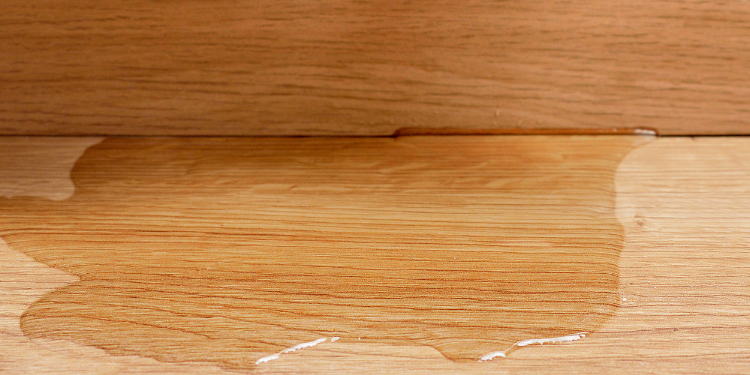
A small leak at the top of the tank may just mean a fitting or valve replacement. A leak under or around the base of the unit is more concerning. Left unchecked, it can lead to:
- Damaged flooring or subfloor
- Mold or mildew
- Slab issues in homes on concrete foundations
In more serious cases, a water heater leak can become a slab leak, which is far more expensive to fix. That’s where services like Slab Leak Repair and Leak Detection come in—catching problems early can save thousands.
“A $300 leak repair today can prevent a $3,000 flooring and slab repair later.” — Sewell Plumbing Services
Access and installation challenges
In many McKinney homes, especially two-story builds and newer subdivisions, water heaters are tucked into attics or tight closets. That adds:
- Extra labor time
- Safety equipment and procedures
- Potential drywall modification for access
CALLOUT: The cheapest quote isn’t always the least expensive option over time. Quotes that ignore code, access, or leak risks can cost much more in the long run.
How Maintenance and Water Quality Affect Future Repair Bills
What you do between repairs has a big impact on how often you see a plumber—and how big those future bills will be.
Hard water and sediment
North Texas is known for hard water. Over time, minerals settle at the bottom of your tank, leading to:
- Reduced heating efficiency
- Rumbling or popping noises
- Overheating and stress on the tank
- Premature failure of heating elements (electric) or burners (gas)
Regular flushing and inspection dramatically reduce these issues. Pairing your heater with a water softener or filtration system—handled through Water Heater Maintenance and filtration services—can extend the life of the unit and lower repair frequency.
Annual checkups
Think of your water heater like your car. You wouldn’t drive 150,000 miles without oil changes and expect no problems. A yearly visit from a licensed plumber can include:
- Checking anode rods for corrosion
- Testing safety valves
- Inspecting gas connections and venting
- Verifying thermostat and element performance
- Looking for early signs of leaks
In McKinney’s climate—with big swings between humid heat and winter cold—these inspections are especially valuable.
Real-world example
A customer in the Craig Ranch area enrolled in an annual maintenance plan after replacing their aging electric water heater. Three years in, minor issues were caught early (like a weakening anode rod and a small valve seep), each fixed at a low cost. Their neighbor, with a similar home and no maintenance, ended up needing an emergency replacement after a tank rupture.
CALLOUT: A small investment in preventive care now almost always beats the cost and stress of an unexpected failure later—especially when it happens at night or on a holiday.
Emergency vs. Scheduled Service: How Timing Affects Your Bill
Timing can influence cost just as much as the actual repair. Understanding how service windows work helps you avoid unnecessary emergency fees when possible.
Standard vs. emergency service
Most plumbing companies, including Sewell Plumbing Services, structure pricing around:
- Standard business hours: Lower rates, more scheduling flexibility.
- After-hours or weekend emergency calls: Higher rates due to overtime, on-call staffing, and limited material access.
In McKinney, winter cold snaps and summer storms often trigger spikes in Emergency Plumbing Services calls—water heater failures, burst pipes, and gas issues.
If you suddenly lose hot water but don’t see active leaking, smell gas, or have electrical issues, you may be able to safely wait for a standard appointment and save on emergency fees.
When to call immediately
You should call an Emergency Plumber Near Me right away if:
- You smell gas near the water heater
- You see active, significant leaking
- The unit is making loud popping, banging, or hissing sounds
- Breakers trip repeatedly when the heater runs
In those cases, the priority is safety and damage prevention—not just cost.
Local example
A McKinney homeowner in a newer subdivision noticed their gas water heater wasn’t working late on a Sunday. There was no leak, no gas smell, and the pilot was simply out. We coached them over the phone to safely shut off the gas and water to the unit overnight, then scheduled a standard-rate visit Monday morning. The result: a safe, affordable repair without emergency charges.
CALLOUT: Ask your plumbing company whether your situation is truly an emergency. A reputable plumber will help you make a safe choice, even if it means scheduling you for the next business day.
What This Means for Homeowners in McKinney, TX
McKinney’s growth means a wide mix of home ages and plumbing systems—from older homes near the square to master-planned communities and custom builds. That diversity brings a wide range of water heater types, installation quality, and usage patterns.
For you, that means:
- Repair costs will vary more than online “national average” charts suggest. Local codes, labor rates, and water quality all play a role.
- Hard water and seasonal temperature swings add stress to water heaters. Sediment buildup and expansion/contraction cycles are real factors in North Texas.
- Many homes hide water heaters in attics or tight closets. Access challenges increase labor and make preventive maintenance even more important.
- Growth and remodeling are common. If you’re considering Kitchen Plumbing Services, Bathroom Plumbing Services, or Residential Plumbing Services as part of a remodel, it’s often the perfect time to upgrade an aging water heater.
Understanding water heater repair costs isn’t about memorizing price tags—it’s about recognizing which factors matter in your specific home. When you can look at the age, type, condition, and access of your unit and weigh repair versus replacement, you’re in control of the decision, not at the mercy of a surprise quote.
Frequently Asked Questions
Q: How much does a typical water heater repair cost in McKinney?
A: Costs vary widely, but many common repairs—like thermostat replacement, heating elements on an Electric Water Heater, or minor gas control issues—fall into a moderate range that’s far less than full replacement. More complex issues, like gas valve replacements or tankless component failures, can be higher due to part cost and labor. Local factors, such as attic access or code-required upgrades, also affect the bill. The best approach is to get a detailed, written estimate that breaks down parts, labor, and any recommended safety upgrades so you can compare repair vs. replacement clearly.
Q: How do I know if it’s worth repairing my old water heater or if I should replace it?
A: Start with age. If your gas or electric tank is under 8 years old and in otherwise good condition, repair often makes sense. Between 8–12 years, compare the repair cost to the price of a new unit; if the repair is more than 40–50% of replacement, upgrading is usually smarter. Over 12 years, replacement tends to be the better investment, especially if you’ve had multiple issues. A licensed plumber can inspect the tank for rust, leaks, and sediment and provide both a repair estimate and a Water Heater Replacement quote so you can make an informed choice.
Q: Are tankless water heater repairs more expensive than standard tank repairs?
A: Often, yes. Tankless units are more complex, with specialized components and electronics that can be pricier than parts for a standard tank. Labor can also be more involved, especially if the unit is in a tight location or wasn’t installed to current standards. That said, tankless systems offer longer lifespans and higher efficiency, which can offset higher repair costs over time. If you already have a tankless system, regular descaling and maintenance through Tankless Water Heater Repair and service visits can minimize unexpected breakdowns and keep repair costs predictable.
Q: What can I do to prevent costly water heater repairs in the future?
A: Regular maintenance is the single best way to prevent expensive surprises. For McKinney homeowners, that means annual flushing to remove sediment, checking the anode rod every few years, testing safety valves, and inspecting gas or electrical connections. Managing hard water with filtration or softening—handled through Water Heater Maintenance and filtration services—also extends the life of your tank and components. Catching small leaks early, addressing strange noises, and scheduling routine checkups can turn major emergency repairs into minor, scheduled fixes.
Q: Why did my water heater repair estimate include code upgrades and other plumbing work?
A: Many homeowners are surprised to see items like expansion tanks, new venting, or drain pan upgrades on their estimate. These aren’t add-ons; they’re often required by current codes or best practices to keep your home safe. When a plumber works on your water heater, they’re responsible for ensuring it operates safely and complies with local regulations. In some cases, they may also spot related issues—like corroded shutoff valves, aging supply lines, or nearby Drain Repair needs—that could cause leaks or failures. A good plumber will explain each item and why it’s recommended or required.
Q: Is it safe to wait on a repair if I still have some hot water?
A: It depends on the underlying issue. If you’re simply running out of hot water faster than usual, it may be a sizing or sediment issue that can wait a short time. However, if you notice leaks, rust-colored water, loud popping or banging, or a gas smell near a Gas Water Heater, you should call a professional right away. Small leaks can quickly escalate, damaging floors, walls, or even the slab. Electrical issues or gas problems are safety concerns that shouldn’t wait. When in doubt, call a licensed plumber for guidance—they can often tell you over the phone whether it’s safe to delay.
Q: Will upgrading my water heater help with low water pressure or slow drains?
A: Not directly. Low water pressure and slow drains usually point to other plumbing issues—like mineral buildup in pipes, partially blocked drains, or sewer line concerns. While replacing an old, restricted water heater can slightly improve flow in some cases, it won’t fix underlying drain or piping problems. For those, you may need services like Drain Cleaning or Plumbing Repair and diagnostics. That said, if you’re already planning a water heater upgrade, it’s a good time to have your plumber assess the rest of your system so you can tackle multiple issues efficiently.
Ready to Get Started?
Water heater problems rarely happen at a convenient time, but you don’t have to face them with guesswork or stress. Whether you’re dealing with no hot water, a worrying leak, or an aging unit that’s on borrowed time, understanding your options is the first step toward protecting your home and your budget.
Sewell Plumbing Services has helped homeowners across McKinney, from Eldorado to Trinity Falls, make smart decisions about repair vs. replacement with honest, transparent estimates. Our licensed technicians inspect your system, explain what they find in plain language, and walk you through all available options—no pressure, no surprises.
If you’re noticing warning signs or your water heater is over 8–10 years old, this is the ideal time to act, before a small issue becomes an emergency. Schedule an inspection, ask your questions, and get a clear plan for your home’s hot water and plumbing health.
About Sewell Plumbing Services
Sewell Plumbing Services is a locally owned and operated plumbing company serving McKinney, TX and the surrounding communities. With years of experience in Plumbing Services, water heater repair and installation, leak detection, and full-service residential plumbing, our licensed professionals focus on quality workmanship, honest communication, and long-term solutions. From simple repairs to full home remodels, we’re committed to keeping North Texas homes safe, comfortable, and efficient.