
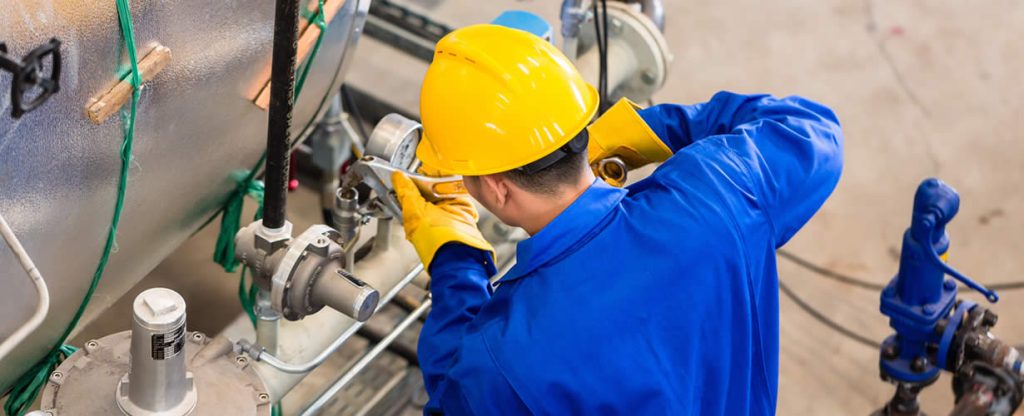
Preventive maintenance is a proactive approach to keeping equipment and systems in top condition. This strategy involves regular inspections, servicing, and repairs to prevent unexpected breakdowns and costly repairs. Implementing preventive maintenance ensures that your assets function efficiently, extend their lifespan, and save you money in the long run.
Preventive Maintenance
Definition of Preventive Maintenance
Preventive maintenance is a planned and scheduled maintenance activity aimed at preventing unexpected equipment failures. It includes tasks such as cleaning, lubrication, adjustments, repairs, and part replacements. Unlike reactive maintenance, which addresses issues after they occur, preventive maintenance focuses on keeping equipment in optimal condition to avoid problems.
Importance of Preventive Maintenance
The importance of preventive maintenance cannot be overstated. Regular maintenance ensures that equipment operates efficiently, reducing the risk of unexpected breakdowns. It also helps in identifying potential issues before they become major problems, thereby minimizing downtime and maintenance costs.
Benefits of Preventive Maintenance
Preventive maintenance offers numerous benefits, including increased equipment lifespan, reduced downtime, and cost savings. By addressing minor issues early, you can avoid costly repairs and replacements. Regular maintenance also ensures that your equipment operates efficiently, leading to energy savings and improved productivity.
Understanding Preventive Maintenance
What Is Preventive Maintenance?
Preventive maintenance involves routine inspections, servicing, and repairs of equipment to ensure optimal performance. This approach helps in detecting potential issues early, allowing for timely interventions. Preventive maintenance tasks can include cleaning, lubricating, adjusting, and replacing worn-out parts to prevent unexpected breakdowns.
Types of Preventive Maintenance
There are several types of preventive maintenance, including time-based maintenance, usage-based maintenance, and predictive maintenance. Time-based maintenance involves scheduled inspections and servicing at regular intervals. Usage-based maintenance is performed based on the actual usage of equipment. Predictive maintenance uses data and analytics to predict when maintenance is needed.
Preventive Maintenance vs. Predictive Maintenance
While preventive maintenance focuses on regular, scheduled maintenance activities, predictive maintenance uses data and technology to predict when maintenance is required. Predictive maintenance offers more precise interventions, reducing unnecessary maintenance tasks and optimizing resource usage. Both approaches aim to prevent equipment failures and ensure efficient operation.
Importance of Preventive Maintenance
Extending Equipment Lifespan
One of the primary benefits of preventive maintenance is the extension of equipment lifespan. Regular maintenance reduces wear and tear, keeps machinery in optimal condition, and prevents premature failures. Scheduled inspections and servicing ensure that minor issues are addressed before they escalate into major problems, prolonging the life of your assets.
Minimizing Downtime
Preventive maintenance minimizes downtime by preventing unexpected equipment failures. By regularly inspecting and servicing your equipment, you can identify potential issues early and address them before they cause significant disruptions. Planning for maintenance activities also helps in scheduling them during non-peak hours, reducing the impact on operations.
Cost Savings
Preventive maintenance leads to significant cost savings by avoiding major repairs and replacements. Regular maintenance ensures that equipment operates efficiently, reducing energy consumption and operational costs. Additionally, by preventing unexpected breakdowns, you can avoid the high costs associated with emergency repairs and downtime.
Key Components of a Preventive Maintenance Plan
Inventory of Assets
An effective preventive maintenance plan begins with an inventory of assets. Identifying critical assets and creating an asset register helps in prioritizing maintenance tasks. Knowing which equipment is most vital to your operations allows you to allocate resources effectively and focus on maintaining the most important assets.
Maintenance Schedule
Establishing a maintenance schedule is crucial for the success of a preventive maintenance plan. The schedule should outline the frequency of maintenance activities, taking into account factors such as equipment usage and seasonal considerations. A well-planned schedule ensures that maintenance tasks are performed regularly, preventing issues from arising.
Maintenance Procedures
Clear maintenance procedures are essential for effective preventive maintenance. Standard operating procedures (SOPs) and checklists provide technicians with guidelines for performing maintenance tasks. Documentation and record-keeping ensure that maintenance activities are tracked, allowing for continuous improvement and compliance with regulatory requirements.
Developing a Preventive Maintenance Program
Initial Assessment
Developing a preventive maintenance program starts with an initial assessment. Evaluating current maintenance practices and identifying gaps and areas for improvement helps in setting objectives. The assessment provides a baseline for measuring the effectiveness of the preventive maintenance program and guides the development of a tailored plan.
Implementation Steps
Implementing a preventive maintenance program involves several steps, including training staff, allocating resources, and pilot testing. Training ensures that employees understand the importance of preventive maintenance and are equipped with the necessary skills. Allocating resources, such as tools and budget, ensures that the program is adequately supported. Pilot testing allows for fine-tuning the program before full-scale implementation.
Monitoring and Evaluation
Monitoring and evaluation are crucial for the success of a preventive maintenance program. Tracking performance and analyzing data help in identifying areas for improvement. Regular reviews and adjustments ensure that the program remains effective and continues to meet the needs of the organization.
Tools and Technologies for Preventive Maintenance
Computerized Maintenance Management Systems (CMMS)
Computerized Maintenance Management Systems (CMMS) are powerful tools for managing preventive maintenance. CMMS features include scheduling and tracking maintenance activities, managing work orders, and storing maintenance records. Popular CMMS options offer user-friendly interfaces and robust functionality, making it easier to implement and manage a preventive maintenance program.
IoT and Sensors
The Internet of Things (IoT) and sensors play a significant role in preventive maintenance. IoT devices and sensors provide real-time data on equipment performance, enabling early detection of potential issues. By monitoring parameters such as temperature, vibration, and pressure, IoT and sensors help in predicting maintenance needs and preventing failures.
Mobile Maintenance Apps
Mobile maintenance apps offer several benefits for preventive maintenance, including convenience and efficiency. Technicians can use mobile apps to access maintenance schedules, checklists, and records on the go. Key features to look for in mobile maintenance apps include offline access, real-time updates, and integration with CMMS.
Industry-Specific Preventive Maintenance Practices
Manufacturing Industry
In the manufacturing industry, preventive maintenance involves tasks such as lubrication, cleaning, and inspections. Regular maintenance ensures that manufacturing equipment operates efficiently, reducing the risk of breakdowns and production delays. Case studies demonstrate the benefits of preventive maintenance in improving productivity and reducing costs.
Healthcare Industry
Preventive maintenance is critical in the healthcare industry, where maintaining medical equipment is essential for patient safety and regulatory compliance. Regular inspections and servicing ensure that medical devices function correctly and meet regulatory standards. Examples of maintenance schedules for medical equipment include daily, weekly, and monthly checks.
Transportation Industry
The transportation industry relies heavily on preventive maintenance to ensure the safety and reliability of vehicles. Vehicle maintenance programs include tasks such as oil changes, tire inspections, and brake checks. Preventive maintenance benefits fleet management by reducing the risk of breakdowns, extending vehicle lifespan, and improving safety.
Common Challenges in Preventive Maintenance
Lack of Resources
One of the common challenges in preventive maintenance is a lack of resources, such as budget and staffing. Organizations may face difficulties in allocating sufficient funds and personnel for maintenance activities. Solutions for resource challenges include prioritizing critical assets, optimizing maintenance schedules, and leveraging technology to improve efficiency.
Resistance to Change
Resistance to change is another challenge in implementing preventive maintenance. Employees may be reluctant to adopt new practices and procedures. Overcoming resistance requires effective training, clear communication, and demonstrating the benefits of preventive maintenance through success stories and case studies.
Data Management
Effective data management is crucial for preventive maintenance, as handling large volumes of data can be challenging. Ensuring data accuracy and completeness is essential for making informed maintenance decisions. Tools for effective data management include CMMS, IoT devices, and data analytics software.
Best Practices for Effective Preventive Maintenance
Regular Training and Updates
Regular training and updates are essential for keeping staff informed and skilled in preventive maintenance practices. Training programs should cover maintenance procedures, safety protocols, and the use of tools and technology. Continuous improvement through ongoing training ensures that the maintenance team remains competent and effective.
Clear Communication
Clear communication is vital for the success of a preventive maintenance program. Internal communication strategies should involve all stakeholders, including management, maintenance staff, and operators. Establishing feedback loops allows for continuous improvement and ensures that everyone is aligned with the maintenance objectives.
Consistent Documentation
Consistent documentation is a best practice for preventive maintenance, as it ensures that maintenance activities are tracked and recorded. Maintaining accurate records helps in monitoring performance, complying with regulatory requirements, and identifying areas for improvement. Tools for documentation include CMMS, mobile apps, and digital checklists.
Case Studies and Success Stories
Case Study 1: Manufacturing Plant
In a manufacturing plant, preventive maintenance played a crucial role in improving equipment reliability and reducing downtime. By implementing a comprehensive maintenance program, the plant addressed issues such as frequent machine breakdowns and high maintenance costs. The results included increased productivity, extended equipment lifespan, and significant cost savings.
Case Study 2: Hospital
A hospital implemented a preventive maintenance program to ensure the reliability and safety of its medical equipment. The program involved regular inspections, servicing, and calibration of devices. The hospital experienced improved equipment performance, reduced downtime, and enhanced patient safety as a result of the preventive maintenance efforts.
Case Study 3: Transportation Company
A transportation company faced challenges with vehicle breakdowns and high maintenance costs. By adopting a preventive maintenance program, the company reduced the frequency of breakdowns, extended vehicle lifespan, and improved fleet reliability. The results included lower maintenance costs, improved safety, and increased customer satisfaction.
Future Trends in Preventive Maintenance
Predictive Maintenance Evolution
The evolution of predictive maintenance is transforming the field of preventive maintenance. Integration with artificial intelligence (AI) and machine learning allows for more accurate predictions of equipment failures. Future possibilities include advanced analytics, real-time monitoring, and automated maintenance scheduling.
Automation and Robotics
Automation and robotics are playing an increasingly significant role in preventive maintenance. Automated systems can perform routine maintenance tasks, such as lubrication and cleaning, with high precision. The benefits of automation include improved efficiency, reduced human error, and cost savings. However, challenges such as implementation costs and technical complexity must be addressed.
Sustainability and Preventive Maintenance
Sustainability is becoming a key consideration in preventive maintenance. Eco-friendly practices, such as energy-efficient solutions and reduced waste, are being integrated into maintenance programs. Sustainable maintenance practices not only benefit the environment but also contribute to cost savings and improved asset performance. Case examples demonstrate the positive impact of sustainable preventive maintenance.
FAQs
- What is preventive maintenance?
Preventive maintenance is a proactive approach to maintaining equipment and systems by performing regular inspections, servicing, and repairs to prevent unexpected breakdowns and costly repairs.
- Why is preventive maintenance important?
Preventive maintenance is important because it extends equipment lifespan, reduces downtime, saves costs, and ensures efficient operation.
- What are the types of preventive maintenance?
The types of preventive maintenance include time-based maintenance, usage-based maintenance, and predictive maintenance.
- How does preventive maintenance differ from predictive maintenance?
Preventive maintenance involves regular, scheduled activities, while predictive maintenance uses data and technology to predict when maintenance is needed.
- What are the benefits of preventive maintenance?
Benefits include increased equipment lifespan, reduced downtime, cost savings, and improved efficiency.
- How do you develop a preventive maintenance program?
Develop a program by conducting an initial assessment, setting objectives, training staff, allocating resources, implementing the program, and continuously monitoring and evaluating its effectiveness.
- What tools are used in preventive maintenance?
Tools include CMMS, IoT devices, sensors, and mobile maintenance apps.
- What industries benefit from preventive maintenance?
Industries such as manufacturing, healthcare, and transportation benefit significantly from preventive maintenance.
- What are the common challenges in preventive maintenance?
Common challenges include a lack of resources, resistance to change, and data management issues.
- What are the future trends in preventive maintenance?
Future trends include the evolution of predictive maintenance, increased automation and robotics, and the integration of sustainability practices.
Conclusion
In this article, we have explored the concept of preventive maintenance, its importance, and its benefits. We discussed the key components of a preventive maintenance plan, the steps involved in developing a program, and the tools and technologies that support preventive maintenance. We also examined industry-specific practices, common challenges, best practices, and future trends.
Preventive maintenance is a proactive approach that ensures the longevity and efficiency of equipment and systems. By implementing a well-structured preventive maintenance program, organizations can reduce downtime, extend equipment lifespan, and achieve significant cost savings. The benefits of preventive maintenance far outweigh the initial investment in resources and training.
If you haven’t already, now is the time to start developing your preventive maintenance plan. Assess your current maintenance practices, set clear objectives, and implement a program tailored to your needs. With regular training, clear communication, and consistent documentation, you can ensure the success of your preventive maintenance efforts. For more information and resources, reach out to industry experts or professional organizations.