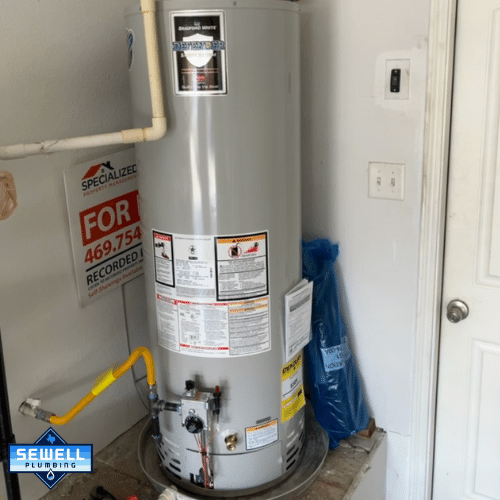
Eco-Friendly Water Heater Installation for Modern Homes
A lot of McKinney homeowners don’t realize their water heater is silently working against them—until they see it in the numbers. Maybe you’re noticing a steady bump in your water bill, or the showers don’t feel as hot as they used to. In winter, you crank the thermostat a little higher, then in spring you turn it down… and the cycle repeats. That’s often a sign the heater is struggling to keep up, wasting energy, and wearing out faster than it should.
When you’re ready to upgrade, an eco-friendly installation isn’t just about “being green.” It’s about choosing the right system for how your home uses hot water, while protecting efficiency, comfort, and long-term reliability.
Quick Answer
Eco-friendly water heater installation usually means choosing a more efficient model (often a tankless unit or a high-efficiency electric or gas tank), installing it correctly for your home’s plumbing layout, and adding smart controls like proper sizing, insulation, and temperature management. If you’re constantly running out of hot water, paying more for utilities, or your current unit is aging, a professional assessment can determine whether you need water heater repair or water heater replacement—and what type will deliver the best efficiency in your home.
What We Commonly See in McKinney Homes
From the jobsite, one pattern comes up repeatedly: homeowners upgrade appliances (dishwasher, washing machine, smart thermostats) but leave the hot water system as-is—even after years of changes in water use.
A realistic scenario we see:
- A family installs a large shower system and adds a second bathroom.
- Hot water demand increases, but the heater’s recovery rate doesn’t.
- The unit runs longer and cycles more frequently, especially if the plumbing branches are shared or the heater is undersized.
- Eventually, performance drops, sediment builds, and hot water becomes inconsistent.
Hand-on technician observation
In many older North Texas homes, the hot water line runs through areas that aren’t well insulated. Even if the heater is efficient, heat loss in the plumbing can make it feel like the system is “working harder than it should.” During inspections, we often find temperature drops at fixtures that are farthest from the heater. That’s a plumbing distribution issue as much as it is heater performance.
A professional installation looks beyond the appliance box and focuses on the full setup: sizing, venting (for gas), electrical/controls (for electric), and the hot water distribution path.
Why Eco-Friendly Installations Work (When Done Correctly)
“Eco-friendly” water heating is really a combination of efficiency, smart operation, and correct installation. Here are the major factors we evaluate:
- Right sizing for your home’s peak demand
Tankless systems especially are sensitive to flow rate and simultaneous use. A unit that’s “close” on paper can still struggle during two-showers-at-once scenarios.
- Recovery rate and standby losses
Traditional tanks lose heat even when you’re not using hot water. High-efficiency tanks reduce standby loss, but installation and insulation still matter.
- Proper installation and venting
Gas water heaters require correct venting to safely manage combustion gases. Poor venting can reduce performance and cause safety problems.
- Water quality considerations
Hard water in North Texas can shorten heater lifespan by increasing scale buildup. Efficient units can still fail early if sediment and mineral buildup aren’t addressed.
- Controls and temperature strategy
Setting temperatures too high doesn’t just increase energy use—it can accelerate wear. Many homes benefit from a more deliberate temperature plan.
Repair vs Replacement: When Water Heater Installation Makes Sense
Homeowners often ask whether they should repair or replace. Here’s a practical way to decide.
Signs you may need Water Heater Replacement
- Hot water runs out quickly or recovery is getting worse
- Rust-colored water, leaks at the tank, or frequent thermostat cycling
- Age of the unit is approaching the typical end-of-life range
- Persistent sediment issues or repeated Water Heater Repair visits
- Efficiency is clearly degraded (higher energy use with no comfort improvement)
When Water Heater Repair is usually the better move
- The issue is localized (thermostat, heating element, minor valve repair)
- No major leaks or structural tank problems
- The unit is relatively new and the problem isn’t tied to heavy sediment buildup
If you’re unsure, a diagnostic visit can map out the cause and the most cost-effective path forward—repair now, or replacement with a more efficient system.
For homeowners who want the right direction quickly, you can review water heater repair and installation to understand how technicians typically assess performance and install strategy.
Common Mistakes Homeowners Make
1) Choosing a “more efficient” model without checking demand
A common mistake is buying based on marketing specs rather than actual household usage. If your home sees simultaneous showers, laundry, and dishwashing at peak times, the unit must match that reality.
2) Ignoring water quality and scale
Hard water isn’t just annoying—it can reduce heat transfer efficiency over time. We often recommend pairing the heater upgrade with water treatment planning, especially if you’re already experiencing scale or reduced performance.
3) Skipping plumbing distribution checks
Even an excellent heater can underperform if hot water lines are poorly insulated or if there are flow restrictions. This is why we evaluate the whole system, not just the appliance.
4) Delaying small issues until they become water damage
Minor leaks around valves or fittings can become bigger problems once walls, ceilings, or floors are exposed to moisture. In modern homes with tighter finishes, leaks can remain hidden longer—until they’re expensive to fix.
If you’ve noticed damp spots or unexplained moisture, it’s worth considering targeted diagnostics. For example, homeowners sometimes confuse heater-related symptoms with other water leak sources—especially in slab areas. If that’s your situation, see slab leak location repair for what to look for and how technicians verify the source.
Eco-Friendly Installation Options for Modern Homes
When we talk eco-friendly upgrades, these are the most common “right fit” paths in North Texas homes:
High-efficiency electric water heaters
These can be a strong option where electric rates, installation constraints, or indoor placement make sense. They typically offer efficient operation and can be easier to integrate into certain home setups.
Tankless water heaters (high efficiency, reduced standby loss)
Tankless units heat water on demand, which can reduce wasted energy from constant tank heat loss. The tradeoff is that the system must be properly sized for your flow and temperature rise needs.
High-efficiency gas water heaters (where gas supply and venting are favorable)
Many gas models offer improved efficiency compared to older units. The key is correct venting and installation practices.
If you’re specifically considering a tankless upgrade, you may want to read tankless water heater repair and installation to understand what affects performance—especially sizing, flow rate, and maintenance.
Water filtration/softening considerations
Eco-friendly heating doesn’t mean “no maintenance.” It means the system is protected so it can run efficiently for longer. If your household benefits from improved water quality, an upgrade like filtration or softening can reduce scale and help preserve efficiency.
For homeowners exploring that approach, this overview on water filter and softener repair and installation explains how we think about treatment as part of overall heater longevity.
Maintenance and Prevention Checklist (So Efficiency Stays High)
Installing an eco-friendly system is only step one. The difference between a good upgrade and a great one is how it’s maintained afterward.
Plumbing & water heater prevention checklist
- Inspect for leaks around valves, connections, and drain lines
- Check pressure relief valve discharge (no drips or active discharge)
- Flush the tank (for tank models) or follow maintenance intervals for tankless units
- Monitor hot water performance—if it changes, don’t wait months
- Confirm insulation on hot water lines (especially long runs)
- Review temperature settings to avoid unnecessary heat loss or excessive cycling
- Consider water treatment if scale buildup is a recurring issue
- Schedule professional tune-ups before peak seasonal demand
A Real Service Case (Anonymized)
A McKinney homeowner called after hot water started going lukewarm during back-to-back showers. The existing tank was older and had begun cycling more frequently. At the diagnostic stage, we found:
- sediment buildup affecting heat transfer
- hot water temperature drop at fixtures farthest from the heater
- inconsistent recovery during peak household use
Instead of repeatedly repairing the older unit, we recommended an efficient replacement with a configuration sized for the home’s peak demand. During installation, we also addressed hot water line heat loss by improving insulation and confirming proper plumbing flow behavior. The result was not just “more hot water,” but steadier temperatures and less time spent waiting for recovery.
That’s the point with eco-friendly upgrades: it’s not just the heater—it’s the system performance.
McKinney / North Texas Relevance: Why Local Conditions Matter
North Texas homes deal with a few realities that influence water heater performance:
- Hard water and mineral content that can scale heaters over time
- Seasonal temperature swings that change hot water demand and recovery needs
- Foundation and slab considerations in many neighborhoods, where hidden leaks can compound moisture issues
- Growing household water use as remodels and additions become more common
These factors are why we don’t treat “installation” as a single step. We plan the upgrade around the way the home actually behaves here—so the efficiency you pay for shows up in daily comfort.
If your home is also in remodel mode, it’s smart to coordinate plumbing changes early so the heater and distribution plan match your new layout. You can discuss plumbing planning as part of plumbing support for full home remodels to avoid last-minute rework.
Repairing the Rest of the Plumbing System for Better Efficiency
Sometimes the best “eco-friendly” choice is fixing what’s wasting water and energy elsewhere. For instance:
- A slow drain can lead to repeated water running while people troubleshoot.
- A failing fixture or pressure issue can increase hot water usage.
- A leak—small enough to be overlooked—can raise both water and heating demand.
If you’re dealing with recurring drain issues, you may want to review drain repair and installation. A cleaner, healthier drainage system helps reduce wasteful water use and prevents the kind of backups that derail heater performance during busy days.
Key Takeaway
Eco-friendly water heater installation is about performance you can feel and efficiency that holds up over time. The best results come from correct sizing, safe installation, attention to water quality, and maintenance planning—plus making sure the rest of your plumbing isn’t quietly wasting hot water.
Optional FAQ
How do I know if my current water heater should be repaired or replaced?
If the unit is leaking, repeatedly failing, or your hot water is noticeably less consistent, replacement is often the smarter long-term move. If the problem is isolated (like a thermostat or element) and the heater is still relatively young, repair may be enough. A technician can also estimate whether efficiency has dropped due to sediment or scale, which frequently drives the decision.
Are tankless water heaters actually more eco-friendly?
They often are because they reduce standby energy loss by heating water on demand. But “eco-friendly” depends on correct sizing and installation. If the unit is undersized for your home’s peak use, it can run longer than expected and feel inconsistent. For best results, the system should match your flow rate needs and temperature rise requirements.
What causes hot water to run out faster after installing new fixtures?
New shower heads, added bathrooms, or high-flow faucets can increase peak demand. If the water heater recovery rate or capacity doesn’t match that demand, hot water may deplete during simultaneous use. In some cases, the issue is also piping distribution or insulation, which affects how quickly hot water reaches fixtures.
Can hard water reduce efficiency even with a new heater?
Yes. Mineral scale builds up on heat exchange surfaces and reduces heat transfer efficiency. That can cause higher energy use and earlier wear. Many homeowners benefit from water filtration/softening planning as part of an upgrade so the heater stays efficient longer.
Ready to Protect or Upgrade Your Plumbing System?
If you’re considering an eco-friendly water heater installation in McKinney, the right next step is a proper assessment—sizing, installation plan, and efficiency expectations based on how your household actually uses hot water. That’s how we help homeowners get the upgrade they paid for, without surprises later.
About Sewell Plumbing Services
Sewell Plumbing Services provides plumbing repair, slab leak detection, water heater installation, drain repair, and plumbing renovations throughout McKinney, TX and surrounding North Texas communities. The company focuses on reliable plumbing solutions, accurate diagnostics, long-term system performance, and helping homeowners prevent costly plumbing damage through professional service and maintenance.