
Emergency Water Heater Repair: Restore Warmth Quickly
It’s 6:30 a.m. in McKinney and the house is cold—really cold. You turn on the hot water and get… nothing. Maybe the shower barely warms up, or maybe the water goes from hot to lukewarm the moment someone flushes a toilet. If you’ve got kids getting ready for school or you’re trying to wash up before work, a failing water heater quickly turns into an emergency.
In North Texas, where winter nights can drop fast and summers run hot, water heaters work hard year-round. When an electric or gas unit starts acting up, the goal isn’t “eventually.” The goal is to restore safe hot water as quickly as possible—without ignoring what caused the failure in the first place.
Quick Answer
If you have no hot water (or inconsistent hot water), treat it as an emergency plumbing issue because it can involve failed heating elements/burners, thermostat issues, venting problems, or—less obvious—water supply or pressure problems. A qualified plumber should check power/gas supply, temperature/pressure settings, burner/ignition (for gas), heating components (for electric), and safety controls before replacing parts.
What We Commonly See in McKinney Homes (and Why It Feels Like an Emergency)
A lot of “emergency water heater repair” calls follow the same pattern: the homeowner notices a sudden change in hot water performance, often within the span of a day or two.
Here’s a realistic scenario we deal with frequently:
Scenario: A homeowner reports that their water heater worked fine yesterday, but this morning the shower runs cold. They try the thermostat dial, then flip the breaker (for an electric model), and the unit “clicks” but doesn’t heat. Later, they notice the hot water is only warm for a few minutes before turning cold again.
First technician observation: On many electric heaters, we’ll find signs of a failing upper or lower heating element (or a bad thermostat) that still produces a short burst of heat before the safety limit trips. On gas units, the problem may be ignition/thermocouple/airflow related—especially if venting is partially blocked or the unit has been exposed to dust buildup.
In both cases, the “emergency” feeling is real, but the cause is usually mechanical or electrical—not random. The key is diagnosing safely and correctly the first time.
Signs You Need Emergency Water Heater Repair
Not every water heater issue is urgent in the same way, but these symptoms typically mean you shouldn’t wait:
- No hot water at all (or only cold water from the start)
- Hot water runs for a short time then stops (common with failing elements or safety trips)
- Inconsistent temperature (hot then sudden cold)
- Strange noises like popping, rumbling, or banging (often from sediment buildup)
- Leaking water from the tank, connections, or relief valve
- Gas odor or repeated failed ignition attempts (gas models)
Common mistake homeowners make
Many homeowners try “quick resets” instead of diagnosis—especially by repeatedly flipping breakers or turning the gas control on/off. That can temporarily change behavior, but it doesn’t fix the underlying issue (like a failed heating element, bad thermostat, or venting/safety control fault). Repeated resets can also increase the chance of damaging components further.
Emergency Repair Process: What a Technician Actually Checks
When we arrive for Emergency Plumber Near Me service calls, we approach it like a troubleshooting job, not a parts guessing game.
For electric water heaters
A typical diagnostic sequence includes:
- Checking the breaker and power at the unit
- Verifying thermostat operation (not just the dial position)
- Testing/inspecting heating elements (upper and lower)
- Confirming wiring connections and checking for signs of overheating
- Inspecting for sediment buildup that can overheat components
If an element is failing, you’ll often see evidence of wear and scale. Sediment acts like insulation—meaning the element works harder, trips safety, and shortens service life.
For gas water heaters
For Gas Water Heater issues, we focus on:
- Gas supply and control valve operation
- Burner ignition performance
- Flame sensor/thermocouple condition
- Venting/airflow restrictions (this is a safety issue, not just comfort)
- Temperature/pressure control settings and safety valve condition
Even “minor” venting problems can cause the burner to underperform or shut down early. And because venting issues are safety-related, we don’t treat gas problems lightly.
Efficiency and reliability recommendation
If we find heavy sediment buildup, a short-term repair can still be possible—but a long-term fix may require water heater maintenance (flush) or even Water Heater Replacement depending on tank condition and age. Replacing a heater that’s already failing from internal corrosion often saves money compared to repeated element/thermostat swaps.
If you want to understand the broader system side, this pairs well with our guidance on Water Heater Repair and Installation.
Repair vs Replacement: How We Decide in the Field
Homeowners often ask: “Can you just fix it?” Sometimes yes. Sometimes the better move is replacement.
Here’s a practical way to think about it:
| Situation | Repair Often Makes Sense | Replacement Usually Makes Sense |
|---|---|---|
| Heater age is relatively recent and only one component failed | ✅ | |
| Multiple components are failing (elements + thermostats + heavy corrosion) | ✅ | |
| Tank shows signs of leaking, severe rust, or internal damage | ✅ | |
| Repeated safety trips or rapid temperature swings | ✅ (diagnosis required) | ✅ (if underlying tank condition is poor) |
| Sediment buildup is extreme and heating is inefficient | ✅ (with flush) | ✅ (if tank is nearing end of life) |
A solid recommendation is based on more than “how bad it feels today.” It’s based on the condition of the tank, the heating system, and safety components.
Real-world case example (anonymized)
We recently serviced a North Texas home where the homeowner reported “hot water only lasts 10 minutes.” The electric unit was set to a normal temperature, and the homeowner had already replaced one thermostat last year. Our inspection found:
- significant sediment in the tank,
- a failing lower heating element,
- and a thermostat that wasn’t controlling properly due to heat cycling.
We recommended replacing the failing heating element(s) and arranging a flush schedule to reduce repeat failures. The homeowner chose repair, and hot water stabilized immediately. We also advised that if sediment continued to build quickly, replacement would become the more cost-effective option.
What Homeowners Often Overlook
A lot of “emergency” water heater problems aren’t only about the heater. They’re about what surrounds it.
1) Pressure and flow issues
If your home has water pressure fluctuations, you can get uneven heating behavior—especially if the heater is struggling to maintain temperature under fluctuating demand.
2) Venting and airflow (gas models)
Gas water heaters require proper venting. A partially blocked vent can cause early shutdown and ignition problems that feel sudden.
3) Hidden drainage problems
It’s not common, but we also see situations where a nearby drain issue contributes to moisture around equipment areas. If you’ve got recurring backups elsewhere, it’s worth addressing the drain system too. If that sounds familiar, you may want to review Drain Repair and Installation before you assume everything is “just the water heater.”
Mistakes That Cause Water Damage
Water heater emergencies can escalate from “no hot water” to “water damage” quickly.
Common missteps we see:
- Ignoring small leaks around the tank or fittings
- Letting a relief valve discharge repeatedly without diagnosis
- Trying to thaw frozen lines with heat sources that can damage nearby components
- Skipping venting checks on gas units
- Turning off the water heater but leaving it running with an unsafe condition (like a continuous leak)
Even a slow leak can soak drywall, warp floors, and damage cabinetry—especially in homes with crawlspaces or tight utility closets. That’s why fast repair matters: it limits both downtime and secondary damage.
Emergency Prevention Checklist (So You’re Not Calling in the Cold)
You can’t prevent every failure, but you can reduce the odds of a surprise breakdown. Use this checklist:
Water heater prevention checklist
- Check for leaks monthly: look around the tank seams, fittings, and drain pan area (if equipped).
- Listen for sediment noises: popping/rumbling often signals buildup.
- Test the temperature setting: keep it at a safe, consistent level (many homes are happiest around mid-range—not maxed out).
- Watch for repeated safety trips: if the unit shuts down frequently, don’t keep resetting—schedule service.
- Inspect for corrosion or rust: light surface rust is common; heavy deterioration isn’t.
- For gas units: confirm proper venting and avoid storing items that can restrict airflow.
- Consider a professional flush schedule based on water conditions and heater age.
If your home uses hard water, sediment happens faster. That’s a North Texas reality, especially in areas with mineral-rich supply lines.
McKinney & North Texas Relevance: Why Water Heater Failures Cluster Here
In McKinney, many homeowners are dealing with a mix of seasonal temperature swings and long stretches of heavy summer demand. That cycle stresses:
- heating elements and thermostats (electric),
- burners and safety controls (gas),
- and tank interiors where sediment builds over time.
We also see a lot of homes with utility spaces that collect dust and humidity, which can affect venting performance and component lifespan. And in neighborhoods with growing remodel activity, water heater systems sometimes get indirectly impacted by plumbing changes—new fixtures, updated pressure regulators, or drainage upgrades.
If you’re planning a remodel, it’s worth coordinating plumbing updates around your heating system. For example, if you’re updating bathroom or kitchen plumbing, our team can help you plan around your hot water needs. Explore kitchen renovation planning support if your project involves new sinks, dishwashers, or upgraded fixtures.
Should You Upgrade Your Water Heater During Emergency Repair?
Sometimes the repair is straightforward. Other times, it’s the right moment to improve long-term performance.
Here are two upgrade directions we often recommend after diagnosing the underlying issue:
1) Consider tankless for consistent demand
If your household has frequent hot water use, a tankless system can provide more consistent temperature delivery—when sized correctly and maintained properly. If you’re exploring options, review our guidance on Tankless Water Heater Repair and Installation.
2) Address the root cause, not just the symptom
If sediment is causing repeated failures, a repair-only approach may lead to the next emergency sooner than expected. Pair repairs with proper maintenance planning to protect efficiency and reduce the odds of another shutdown.
Quick Key Takeaway
Emergency water heater failures usually come from a specific safety or heating component issue (elements/thermostats for electric, ignition/venting/safety controls for gas) or sediment/flow problems. The fastest path to warm water is safe diagnosis, not repeated resets.
FAQ: Homeowners Ask About Emergency Water Heater Repair
How do I know if it’s the heater or the plumbing lines?
If you get hot water in some fixtures but not others, it can point to localized plumbing issues (like a valve problem or a mixing valve issue). If the entire house is cold or the hot water shuts off after a short time, the heater’s heating components or safety controls are usually the culprit.
Why does my hot water run for a few minutes and then goes cold?
That pattern often indicates a heating component cycling or failing—commonly heating element issues (electric) or safety shutdown/temperature control faults (gas). Sediment buildup can also cause overheating and limit trips.
Should I repair or replace my water heater?
If the tank is leaking, heavily corroded, or you’re seeing repeated component failures, replacement is often the smarter long-term move. If it’s a single failed component and the tank is in good condition, repair can be cost-effective.
Can hard water shorten my water heater’s lifespan?
Yes. Mineral buildup can reduce heat transfer efficiency, causing the heater to work harder and fail sooner. Many North Texas homes benefit from a scheduled flush and, in some cases, whole-home water treatment.
What’s the safest thing to do right now in an emergency?
If it’s leaking, shut down the unit and contact a plumber. If it’s a gas unit and you smell gas or hear abnormal ignition behavior, stop using it and get emergency help. For electric units, avoid repeated breaker flips—wait for diagnosis.
Ready to Protect or Upgrade Your Plumbing System?
If you’re dealing with no hot water, inconsistent heating, or signs of a leak, don’t let the problem snowball. Emergency repairs done right restore comfort faster and reduce the risk of water damage.
About Sewell Plumbing Services
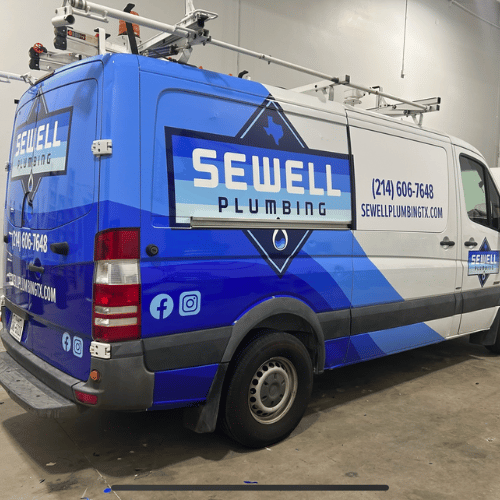
Sewell Plumbing Services provides plumbing repair, slab leak detection, water heater installation, drain repair, plumbing renovations, and leak diagnostics throughout McKinney, TX and surrounding North Texas communities. The company focuses on reliable plumbing solutions, accurate diagnostics, long-term system performance, and helping homeowners prevent costly plumbing damage through professional service and maintenance.