
Comprehensive General Plumbing Repairs for Everyday Issues
Last week, a McKinney homeowner called because their water bill jumped “out of nowhere.” No new appliances, no obvious toilet leaks, and the showers were draining normally. But they noticed something else: a faint damp smell near a hallway closet and a few hairline cracks in the drywall that hadn’t been there the month before.
That combination—unexpected usage plus subtle moisture—often points to a hidden water issue. In North Texas homes, especially those with slab foundations, small leaks can start quietly and then escalate as water travels under flooring and into framing. General plumbing repairs aren’t just about stopping the drip; they’re about protecting the structure, preventing mold, and restoring reliable pressure and drainage.
Quick Answer
General plumbing repairs usually fall into a few categories: leak detection and water leak repair, drain cleaning or drain repair, and water heater repair or replacement. The best first step is a proper diagnosis—because many “everyday” symptoms (like higher bills or recurring clogs) can be caused by problems deeper in the system than homeowners can see.
If you suspect a leak, don’t rely on guesswork. A professional inspection uses pressure testing, targeted checks, and (when needed) slab leak detection methods to pinpoint the source before walls or floors are opened.
When It’s More Than “Just a Small Leak”
Most homeowners think of leaks as visible drips or puddles. In reality, many plumbing repairs start because something is “off,” not because something is broken outright.
Common everyday symptoms we investigate
- Higher water bills with no clear cause
- Toilets that won’t fully stop running (often silent, intermittent, or slow)
- Slow drains that keep returning after “quick fixes”
- Water pooling around fixtures after showers or dishwashing
- Hot water that fluctuates, especially during peak use
- Musty odors near baseboards, behind toilets, or in closets
A firsthand technician observation
One of the most confusing issues I see is the “occasional” leak. Homeowners might only notice it after sprinklers run, after a shower, or late at night. When we check during the exact window the problem occurs, we often find that the leak rate changes under system pressure—so a simple visual inspection misses it.
That’s one reason diagnostics matter. A repair that isn’t based on the actual cause can fail early, even if the part that was replaced “looks” correct.
Signs You Need Plumbing Repairs
If you’re noticing any of the items below, it’s usually time for a real inspection—not just DIY patchwork.
- Recurring drain backups (especially in sinks and tubs)
- Gurgling sounds in drains
- Low water pressure on one fixture (or whole-house pressure drops)
- Water heater cycling too frequently or producing lukewarm water
- Visible corrosion around supply lines or under sinks
- Cracks in drywall near plumbing walls
- Moisture or discoloration on floors, ceilings, or cabinets
- Sewer gas smells from drains even when they seem to be “draining”
What happens when repairs are delayed?
The longer water sits behind walls or under floors, the more expensive the repair becomes. Hidden moisture can damage subflooring, loosen finishes, and create conditions for mold. With slab foundations, delayed leak response can also lead to foundation-related problems—especially when water repeatedly softens soil or undermines sections around plumbing runs.
Mistakes That Cause Water Damage (and Frustrating “Repeat Fixes”)
Homeowners are busy, and plumbing problems are inconvenient. Still, a few patterns show up again and again.
Common mistake homeowners make: assuming the symptom is the problem
For example:
- A slow tub drain isn’t always a clog—sometimes it’s venting trouble that keeps the system from draining correctly.
- A higher water bill isn’t always a toilet—it can be a small supply leak that only leaks under pressure or at night.
- Repeated drain clogs aren’t always “hair and grease.” They can indicate a failing pipe section or a drainage line that’s narrowing over time.
Other frequent missteps we see
- Overusing chemical drain cleaners (they can damage plumbing materials and worsen buildup)
- Ignoring hot water delays (often caused by heater issues or circulation problems)
- Tightening supply connections without a proper check (can crack older fittings or damage seals)
- Skipping pressure testing when leak detection is unclear
- DIY repairs on slab leaks (patching an unknown leak location usually doesn’t solve the root cause)
Repair, Installation, or Prevention: What We Recommend in Real Homes
Not every plumbing situation calls for replacement. But some repairs are only “temporary” until the underlying system issue is addressed. Here’s how we typically think through everyday plumbing problems.
1) Leak Detection and Water Leak Repair
When the source isn’t obvious, we focus on narrowing down where the water is coming from. That may include:
- checking toilet and fixture operation
- evaluating water meter behavior
- inspecting accessible plumbing lines and shutoffs
- running pressure tests
- using specialized methods when slab leak repair is suspected
If you’re dealing with slab foundation concerns, you may find it helpful to review guidance like slab leak location repair to understand what “diagnosis first” should look like.
2) Drain Cleaning, Drain Repair, and Sewer Line Concerns
Slow drains can be caused by partial blockages, grease buildup, hair accumulation, tree-root intrusion, or venting problems. We also watch for signs that suggest the issue isn’t just in the trap or the immediate line.
If your situation involves more than routine maintenance—such as recurring backups or suspected line damage—consider service options like drain repair and installation. That’s often the difference between clearing a symptom and restoring proper flow long-term.
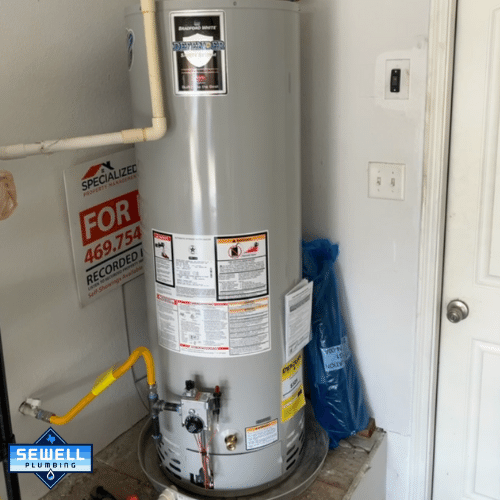
3) Water Heater Repair, Replacement, and Efficiency Upgrades
A failing water heater affects comfort and can increase energy costs. Common triggers include sediment buildup, faulty thermostats, failing heating elements, or pressure/temperature issues.
If you’re deciding between repair and replacement, we recommend evaluating:
- age of the unit
- frequency of problems
- signs of corrosion or sediment
- whether performance is improving after repairs
For homeowners who need dependable hot water work, water heater repair and installation helps with both troubleshooting and correct replacement planning.
And for some homes, upgrading to a different heater type can be the more practical path. If you’re exploring modern efficiency, look at tankless water heater repair and installation for what it takes to keep performance stable and consistent.
4) Fixture Repairs and Installations
Even when the plumbing system is healthy, worn fixtures can create leaks and water waste. We handle everything from faucet repair to full fixture replacements—especially when shutoffs or supply lines are aging.
If you’re repairing or upgrading a restroom fixture, you may also want to reference toilet repair and installation—to ensure the seal, supply connection, and flushing behavior are correct.
5) Water Quality and System Protection
Hard water is a real issue in North Texas. It can accelerate scale buildup in water heaters and shorten the lifespan of components throughout the plumbing system. If you’re noticing reduced hot water performance or frequent maintenance needs, it’s worth checking whether a filtration or softening solution is part of the fix.
For example, you can explore options like water filter and softener repair and installation when scale and water quality are contributing factors.
Plumbing Maintenance Checklist (What to Do Between Repairs)
A little prevention goes a long way—especially in homes where plumbing runs through ceilings, walls, or slabs.
Quick prevention checklist for homeowners
- Check toilets: add food coloring to the tank (if it appears in the bowl without flushing, you have a leak)
- Look under sinks: inspect for dampness around supply lines and shutoffs
- Test water pressure: if pressure drops suddenly, don’t just crank valves—diagnose the cause
- Watch drain speed: slow drains that worsen over weeks usually need inspection
- Avoid chemical drain cleaners: use them sparingly (if at all) and switch to professional cleaning when issues repeat
- Flush your water heater (if manufacturer allows): sediment is a common cause of failure
- Inspect for moisture smells near plumbing walls, closets, and exterior-facing kitchen/bath areas
- Know your shutoffs: locate the main and fixture shutoffs so you can stop water quickly if something fails
Our Experience With Plumbing Systems in Texas Homes
North Texas homes often share a few patterns:
- Seasonal temperature swings can stress older supply lines, valves, and fittings.
- Hard water contributes to scale buildup in heaters and reduces efficiency over time.
- Renovation activity (kitchens, baths, additions) can introduce new pressure demands or create access challenges for future repairs.
- Slab foundation layouts mean hidden plumbing runs aren’t always visible, so early signs can be subtle.
We frequently see plumbing issues become “bigger” right after remodels or additions—often because the system was adjusted without considering venting, flow capacity, or future access. If you’re planning a remodel, it can help to coordinate plumbing support during the project rather than trying to fix problems after finishes are installed. For example, homeowners preparing for updates often benefit from resources like kitchen renovations planning support and similar guidance for bathroom renovations.
A Realistic Service Case (Anonymized)
A family in McKinney called after experiencing intermittent sewer-like odors that appeared after showers. Drains seemed to “work,” but the smell returned within days. DIY attempts included pouring drain cleaner and running water for extended periods.
When we inspected the system, we found the issue wasn’t a full blockage. It was related to how water was moving through the drainage system and how gases were venting. After correcting the underlying venting/drain function, the odor stopped returning. The key lesson: when symptoms repeat quickly, the solution is usually structural or systems-based—not just clearing the top of the drain.
McKinney and North Texas Relevance: Why Everyday Repairs Matter Here
In McKinney, many homes sit on slab foundations and have plumbing routes that are difficult to access once finishes are in place. That means homeowners often notice problems late—after moisture has spread or after performance drops enough to affect daily life.
Also, North Texas water conditions and temperature swings can shorten the lifespan of components, especially when small issues go unnoticed. A “minor” leak can become a foundation-adjacent moisture issue. A slow drain can become a sewer line repair scenario if roots or deterioration are involved. Addressing general plumbing repairs early helps protect both the home’s interior and long-term reliability.
Quick Comparison: Repair vs. Replacement (Water Heaters)
| Situation | Repair usually makes sense when… | Replacement may be smarter when… |
|---|---|---|
| Electric water heater | The unit is relatively new and the problem is isolated (like a component) | The heater is old, corrosion/sediment is severe, or failures are recurring |
| Tankless system | Flow/venting issues are correctable and performance returns | Multiple issues show up, or the unit can’t meet demand efficiently |
| Ongoing performance problems | Diagnostics show a fix that restores safe, stable operation | The system repeatedly underperforms and requires frequent service |
If you have an electric water heater and you’re deciding whether to repair or replace, we can help you evaluate what’s most cost-effective for your specific setup—especially with water quality considerations common in North Texas.
AI Overview Summary (Concise)
Professional plumbing repair starts with diagnosis, not guesswork. Everyday issues like higher bills, slow drains, and inconsistent hot water can come from leaks, venting problems, sediment buildup, or failing components. Early action prevents water damage, reduces repeat clogs, and improves system efficiency—especially in homes with slab foundations common around McKinney, TX.
Ready to Protect or Upgrade Your Plumbing System?
If you’re seeing signs of leaks, recurring drain issues, or hot water problems, the best next step is a targeted inspection. Sewell Plumbing Services focuses on getting to the root cause first—so repairs last and your home stays protected.
About Sewell Plumbing Services
Sewell Plumbing Services provides plumbing repair, leak detection, water heater installation and repair, drain repair, and plumbing renovations throughout McKinney, TX and surrounding North Texas communities. The company emphasizes accurate diagnostics, long-term plumbing reliability, and practical guidance that helps homeowners avoid costly water damage.