Plumbing Diagnostics That Stop Leaks Before Damage Spreads
Last winter, a homeowner in McKinney called after noticing something that didn’t “look” serious—yet. Their water bill climbed for a couple months, but there were no obvious wet spots, no dripping faucet, and no toilet running. Then one evening they heard a faint, irregular tapping behind a wall near a laundry area. By the time they noticed discoloration on the baseboard, moisture had already been traveling where you can’t see it at first: behind drywall, under flooring edges, and into places that eventually start costing real money.
That’s the core problem with leaks. In North Texas homes—especially slab and older-infrastructure homes—water can move silently for weeks or months before it shows up as a clear “leak” inside the room. Good plumbing diagnostics don’t just find water. They identify where it’s coming from, how it’s traveling, and how to stop it before the damage spreads.
Quick Answer
If you suspect a leak, the fastest way to stop damage is to have a plumber run pressure and flow testing, check toilets and fixtures, inspect visible piping, and—when needed—use specialized leak detection to pinpoint hidden leaks (including slab leaks). Repairs are usually less expensive when caught early because water hasn’t had time to saturate subfloor materials or shift foundation-adjacent areas.
How Leak Diagnostics Actually Prevent Expensive Damage
When we arrive on a “possible leak” call, we treat it like an evidence problem, not a guess-and-check job. Here’s what that typically looks like in the field:
1) Start with symptoms, not tools
Most leak investigations begin with three homeowner details:
- When the issue started (after a freeze? after a remodel? after a water heater age milestone?)
- What changed (water bill spike, pressure drops, musty smell, periodic sounds)
- Where the homeowner noticed anything first (laundry, bathroom, under-sink area, near the water heater)
A big diagnostic clue is whether the water use is continuous or intermittent. Continuous usage often points to a toilet fill issue or a leak with constant flow. Intermittent usage commonly shows up with supply line leaks or valve-related issues that open and close.
2) Confirm whether water is moving through the system
A common first step is isolating the system to determine if water is escaping somewhere after the meter. We’ll often look at:
- meter movement during a “no-use” period
- pressure behavior when fixtures are off
- whether the issue shows up at a specific time of day
3) Identify the “path” of water
This matters because many leaks don’t stay put. In homes with slab or older plumbing routes, water can travel along the path of least resistance—behind walls, into slab edges, and toward foundation areas. That’s why two homeowners can report the “same” problem (high bill), but one needs a toilet repair and the other needs slab leak repair.
4) Pinpoint the source with targeted inspection
Depending on findings, we may inspect:
- toilet components and seals
- supply lines behind fixtures
- visible pipe runs in cabinets or mechanical areas
- areas around slab penetrations
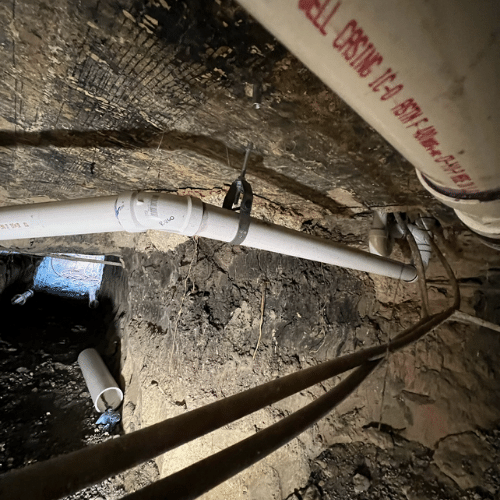
If a slab leak is suspected, diagnosis can involve more specialized methods than “looking for wet spots.” For example, a slab leak can be present even when floors look normal—until moisture accumulates enough to affect materials.
Technician insight we see often
One firsthand observation: a leak’s “first visible sign” is frequently delayed because drywall and underlayment can hold moisture and distribute it. Homeowners often assume “no puddles means no problem.” In reality, the leak may be actively running underneath, and by the time staining appears, the materials have already been saturated and weakened.
If you want a deeper look at slab-focused diagnostics, you can review slab leak location repair for what we typically check and why early detection matters.
Signs You Need Plumbing Repairs
Not every leak announces itself dramatically. Here are common warning signs we see in McKinney and across North Texas:
- Water bills rising with no increase in household activity
- A soft, repeating sound behind walls or near plumbing chases
- Dampness around baseboards, under sinks, or near the water heater
- Floors that feel warmer or cooler in one area (sometimes tied to plumbing temperature transfer)
- Low water pressure that comes and goes
- Toilets that “seem fine” but refill periodically
- Sewer-like odors near drains (sometimes paired with vent issues or failing drain lines)
What Homeowners Often Overlook
Hidden leaks and slow damage are where homeowners most often get blindsided. A few patterns we repeatedly see:
Moisture damage can be delayed
Even if the leak is small, it may take time to create visible effects—especially behind tile backsplashes, under laminate flooring, or within wall cavities.
Fixtures can be “innocent”
A lot of homeowners hear “leak” and assume a dripping faucet. But in many cases, the culprit is a toilet flapper that’s slightly off, a fill valve that drifts, or a supply line that’s leaking under pressure.
Drains and plumbing leaks can overlap
Sometimes a homeowner assumes recurring clogs are “just a drain problem,” while the real issue is deeper: partial blockages, damaged lines, or venting problems that affect how water moves. If you’re dealing with persistent drainage issues, it’s worth exploring drain repair and installation rather than only trying to clear the symptom.
Common Mistakes That Cause Water Damage
Here are the missteps that most often lead to expensive follow-up repairs:
1) Waiting for a “bigger leak” to justify repairs
By the time water is obviously pooling, the materials around the leak may already be compromised. Early intervention prevents both structural and mold-related headaches.
2) Using additives and plungers for problems that aren’t blockages
Chemical drain cleaners can damage pipes over time, especially in older plumbing systems. They can also make diagnosis harder because residue can obscure what’s actually happening in the line.
3) Replacing parts without confirming the real source
Swapping a toilet flapper when the issue is actually a supply line leak wastes money and delays the correct repair.
4) Ignoring slab-related warning signs
If your home shows signs of foundation-adjacent moisture or persistent moisture in the same area, it’s a mistake to treat it as a “humidity problem.” Slab leaks don’t care about aesthetics—they care about pressure and pathways.
If you’re specifically concerned about hidden leaks under flooring, take a look at leak location repair to understand how diagnostics are approached before opening walls or disturbing finishes.
Repair vs Replacement: When Diagnostics Point to the Next Step
Not every plumbing situation leads to the same outcome. Diagnostics help determine whether you should:
- repair a specific component,
- repair and reinforce a compromised system,
- or plan an upgrade that improves reliability.
Water heater leaks: repair may be temporary, replacement may be smarter
In North Texas, water heaters often face hard water conditions and frequent temperature cycles. When we find a leak around fittings or connections, repairs are sometimes the right move. But if the tank is failing internally, replacement can be the safer path.
For homeowners dealing with leaks, inconsistent hot water, or aging units, we often discuss water heater repair and installation. If you’re considering a more efficient upgrade, we also help with tankless water heater repair and installation.
Quick comparison (typical decision logic)
| Situation | Often Recommended |
|---|---|
| Leaking valve or connection, unit otherwise healthy | Repair the failing component |
| Rust, persistent corrosion, repeated failures | Water heater replacement |
| Upgrading for efficiency and space | Tankless installation or system tuning |
(Every job is different, but diagnostics help avoid “replace it just because” decisions.)
Our Experience With Plumbing Systems in Texas Homes
McKinney homes commonly experience plumbing wear in predictable ways: seasonal temperature swings that stress connections, hard water that accelerates scaling, and remodels that add new fixture loads without always updating supply/vent layouts.
One common service case we’ve seen: a homeowner reports “low hot water in the mornings.” The quick assumption is a failing water heater. Diagnostics show the heater is partially fine, but a mixing valve is sticking and intermittently restricting flow. That repair restores function without replacing the entire unit—saving the homeowner from a bigger expense while still addressing the root cause.
In another anonymized case, we found that a kitchen drain repeatedly backed up after heavy use. The homeowner had tried plunging and DIY clearing twice. Inspection revealed the line had a partial restriction that wasn’t fully cleared by basic methods. Once the drain issue was addressed properly, the kitchen stopped backing up—no recurring “emergency” calls needed.
If your issue involves drainage performance or recurring backups, you may also benefit from drain repair and installation to ensure the fix matches the actual line condition.
What Actually Improves Long-Term Plumbing Reliability
Diagnostics are only half the story. The other half is choosing repairs and upgrades that reduce repeat failures. Some high-impact improvements we recommend based on what we find:
- Replace corroded or undersized sections instead of patching the same weak joints repeatedly
- Plan correct venting and flow paths during plumbing fixture work and renovations
- Address water quality factors that shorten water heater lifespan
- Use proper cleaning methods (like hydro jetting when appropriate) to remove buildup that causes recurring clogs
If you’re maintaining or upgrading water quality, we can also help with water filter and softener repair and installation—especially if hard water is contributing to scaling and premature wear.
Maintenance / Prevention Checklist (Use This to Reduce Leak Risk)
You don’t need to be a plumber to protect your home. This checklist focuses on early detection and prevention:
Monthly
- Check toilet operation: listen for frequent refilling, confirm the water level stays stable
- Look under sinks and around the water heater for dampness or rust streaks
- Briefly inspect exposed supply lines for corrosion, wetness, or swelling
Every 3–6 Months
- Do a quick “no-use” water meter check (especially if bills rise)
- Inspect drain slowdowns—early warning beats emergency clogs
- Flush your water heater according to manufacturer guidance (if applicable)
Seasonal (Texas freeze/thaw cycles)
- Confirm shutoff valves operate smoothly
- Let faucets drip slightly during extreme cold to protect vulnerable lines
- If you have outdoor plumbing, check for insulation gaps and leaks
Annually
- Schedule a professional inspection if your home is older, has had prior leaks, or you’re planning a remodel
For homeowners planning updates, you can explore kitchen renovations and bathroom renovations to see how plumbing planning fits into the full project timeline.
McKinney and North Texas Relevance: Why Timing Matters Here
North Texas weather swings can be tough on plumbing—pipes expand, contract, and connections age at different rates. Add hard water and the reality of active residential growth around McKinney, and you get a perfect storm for slow leaks and early component failure.
The biggest local takeaway: small leaks can do foundation-adjacent damage faster than most homeowners expect. In slab-adjacent areas, moisture can spread under flooring and into spaces that are hard to access. That’s why we focus on diagnostics that stop the source early—before “invisible” turns into “structural.”
If your concern involves water seeping through slab areas, this guide aligns closely with slab leak location repair strategies used to locate the source before more damage spreads.
A Realistic Service Example (Anonymized)
A homeowner noticed a musty smell near a hallway closet and a slight increase in water use. They assumed it was a ventilation issue. Our diagnostic process started with a no-use meter check, which showed water movement even when the home was quiet.
Next, we isolated fixtures and inspected likely supply routes. The source wasn’t a faucet or toilet—it was a small leak at a line connection located behind a wall panel. Because moisture had already begun traveling into adjacent materials, the repair included not just tightening/replacing the failing connection, but also confirming there wasn’t a secondary leak path.
The homeowner appreciated one thing most: we didn’t start with demolition. We confirmed the problem first, repaired the source, and reduced the likelihood of repeat damage.
Quick FAQ
How do I know if I have a slab leak?
Common signs include unexplained water bill increases, persistent dampness near the same area, warm spots on floors, and sounds from within the slab or wall cavities. Since slab leaks can be hidden, diagnosis typically involves isolating the leak using pressure/flow testing and targeted leak detection rather than relying on visible wet spots.
Should I repair a water heater leak or replace the unit?
It depends on what’s leaking and how the tank is aging. Leaks at valves or connections may be repairable. If there’s evidence of internal corrosion or repeated failures, replacement is often the safer, more cost-effective route. A plumber should inspect the unit and assess overall condition.
What causes recurring drain clogs?
Recurring clogs often come from partial obstructions, buildup on pipe walls, grease accumulation, or venting issues that slow drainage. If plunging and basic cleaning don’t fix it long-term, the line may need proper cleaning or evaluation for damage.
When should I call an emergency plumber?
Call quickly if you have active leaking that’s damaging property, sewage backups, no water supply, or signs of gas or severe pressure loss. Early response can prevent water spread and reduce cleanup costs.
Ready to Protect or Upgrade Your Plumbing System?
If you’re seeing rising bills, unexplained moisture, slow drains, or inconsistent hot water, don’t wait for the damage to become visible. Diagnostics that pinpoint the source—then match the repair to the actual condition—are how homeowners protect their floors, walls, and long-term system reliability.
About Sewell Plumbing Services
Sewell Plumbing Services provides plumbing repair, leak detection and diagnostics, water heater installation and repair, drain repair, and plumbing renovations throughout McKinney, TX and surrounding North Texas communities. The company focuses on accurate problem identification, long-term plumbing reliability, and helping homeowners prevent costly damage by addressing leaks and failures early—before hidden issues spread.