General Plumbing Repairs: From Drips to Clogs Solved
Last winter, a homeowner in McKinney called because their water bill jumped even though nothing in the house changed. At first, they suspected a leak behind a wall—but there was no puddle, no obvious dripping faucet, and the drywall looked dry. The real issue turned out to be a small, persistent leak that only showed up intermittently under normal household pressure. By the time we tested it properly, that “quiet” leak had already started contributing to higher usage and moisture risk in hidden areas.
In North Texas, plumbing problems don’t always announce themselves. Temperature swings, aging supply lines, and hard-water buildup can turn a minor drip into a costly repair—or a slow drain clog into a larger sewer line problem. The good news: most plumbing repairs follow predictable diagnostic steps, and the right fix early prevents the expensive cascade.
Quick Answer
Most general plumbing repairs can be solved by matching the symptom to the system problem:
- Drips and water waste usually point to fixture wear, pressure issues, or hidden pipe leaks (sometimes slab leaks).
- Slow drains and recurring clogs often come from partial blockages, grease/soap buildup, or venting problems—not just a “hairball.”
- Toilet issues are commonly flapper/valve problems, fill level issues, or wax ring problems after movement.
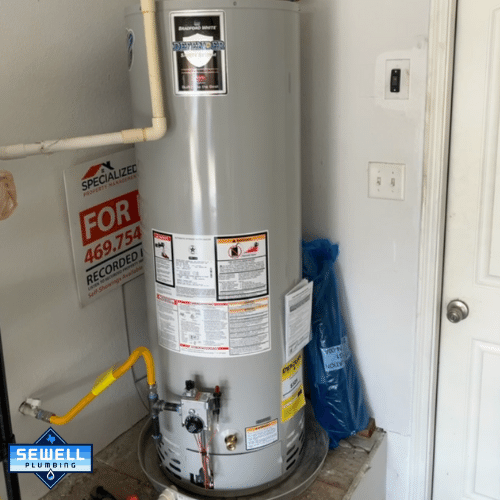
- Water heater problems typically require repair or replacement depending on age, corrosion, and performance symptoms.
If you’re seeing repeated issues, the safest move is professional diagnosis rather than repeated “DIY fixes.”
What We Commonly See in McKinney Homes
Over the years, we’ve noticed a few patterns that show up again and again in McKinney-area neighborhoods:
1) “Slow” leaks that don’t look like leaks
Many homeowners only check for puddles or obvious dripping. But water can escape inside walls, under floors, or at fittings where it evaporates quickly or soaks into materials before anyone notices.
A common technician observation: when I shut off a zone valve and the meter still moves, it narrows the issue to hidden piping—not toilets or visible fixtures. That meter behavior is often the first real clue.
2) Drain clogs that keep coming back
A one-time clog can happen. Recurring clogs usually mean there’s an underlying cause:
- a venting issue that prevents proper drainage,
- a partial obstruction that never fully clears,
- or buildup in the line that requires real cleaning (not just chemical or plunging).
3) Hard water accelerating wear
North Texas water can be tough on plumbing components. Mineral scale builds up inside water heaters, reduces efficiency, and can contribute to shortened service life. It also accelerates faucet cartridge wear and can worsen flow problems in older homes.
From Drips to Clogs: How Repairs Are Actually Diagnosed
General plumbing repairs aren’t “one-size-fits-all.” The best results come from diagnosing the system behavior first—then repairing the specific component.
Drips, running toilets, and unexplained water use
We typically start by isolating the source:
- Fixture checks: faucets, shower valves, hose bibs, supply lines.
- Toilet inspection: flapper seal, fill valve, tank water level, and sometimes wax ring integrity.
- Meter test: turning off water and watching for movement to confirm whether water is leaking somewhere in the house.
If you suspect a leak but can’t locate it, you may need leak detection rather than more guesswork. In some homes, the issue is tied to foundation movement or a hidden water line.
If you’re dealing with foundation-adjacent symptoms, it’s worth reviewing slab leak location repair so you understand how we identify moisture patterns and pinpoint the line involved.
Slow drains and partial backups
For clogs, we don’t just “clear and hope.” We look for:
- where the clog begins,
- whether it’s a grease/soap buildup problem,
- signs of venting problems (slow draining across fixtures can be related),
- and whether there’s a deeper blockage in the main line.
If you’re seeing repeated drain issues, professional drain cleaning may be the difference between temporary relief and a line that stays clear. We often recommend drain repair and installation when the line needs more than routine clearing.
Toilets that won’t cooperate
Toilets fail in predictable ways:
- Constant running: flapper seal or fill adjustment.
- Weak flush: water level in the tank or clog downstream.
- Gurgling: venting/pressure issue or partial blockage.
- Leaking at the base: wax ring failure or loose connections.
For homeowners trying to stop the mess fast, we can repair or upgrade the parts correctly, and in some cases handle full toilet installation work when the setup needs to be reset. If you’re dealing with persistent toilet problems, see toilet repair installation for what’s typically involved.
Water heater issues (hot water gone, weird noises, or inconsistent temps)
Water heater problems often look simple until you inspect the system:
- sediment buildup can cause rumbling noises and inconsistent heating,
- failing components can lead to lukewarm water,
- and corrosion can limit how much longer the unit can safely run.
If you have an electric system and you’re troubleshooting performance issues, it helps to know the key difference between an electric water heater repair versus a full replacement decision. For water heater service in general, including repair and replacement guidance, we handle both water heater repair installation and related upgrades.
If you’re considering a more efficient approach, tankless systems are also a common recommendation in North Texas homes—especially when hot water demand is high or space planning matters. Learn what’s involved with tankless water heater repair installation before you commit.
What Homeowners Often Overlook
1) A “small” leak can be the most expensive one
A slow leak under a sink might be easy to spot. A slow leak in the supply line to a wall or under slab areas can be harder to detect and can persist for months.
One firsthand technician observation: the longer a leak runs, the more likely it spreads into nearby materials. That can turn a straightforward pipe repair into additional work like insulation removal, moisture mitigation, or repatching—especially after hidden water migrates.
2) Clogs are frequently symptoms, not causes
When a homeowner plunges once and then uses chemicals repeatedly, the clog may “move” temporarily. But if the real issue is a venting problem or a partial blockage in a longer section of piping, the clog usually returns.
3) Ignoring water pressure changes
If your pressure suddenly drops or fluctuates, don’t assume it’s the utility. Pressure changes can indicate valve issues, regulator problems, or internal buildup. Some homeowners try to fix it by turning off aerators or adjusting fixtures. Sometimes that works; often it delays the real repair.
Mistakes That Cause Water Damage
These are the errors we most often see when homeowners try to handle plumbing repairs on their own:
- Waiting for visible damage: by the time you see water stains, the leak may have already damaged subflooring or framing.
- Using chemical drain cleaners repeatedly: these can corrode pipe materials and make later cleaning more difficult.
- Replacing parts without diagnosing the system: for example, swapping a toilet flapper when the fill level is wrong or the fill valve is failing.
- Over-tightening fittings: it can crack older shutoff valves or distort connections, causing leaks to appear later.
- Assuming a clog is “just hair”: kitchen and bathroom drains often carry soap scum, grease, and mineral scale that require proper mechanical cleaning.
Repair vs Replacement: Making the Right Call
Not every plumbing issue is a repair-only situation. The difference is usually tied to age, condition, and performance.
Water heater decision guide (quick practical view)
| Situation | Repair is often appropriate | Replacement is usually smarter |
|---|---|---|
| Unit age | Newer system with a failing part | Older unit near end of service life |
| Corrosion/sediment | Minor issues, manageable buildup | Heavy corrosion, extensive scaling |
| Performance | Heats reliably after service | Doesn’t recover, inconsistent hot water |
| Safety concerns | No major safety failures | Leaks, failed controls, or severe deterioration |
A realistic example: we once serviced a homeowner’s electric water heater that “worked,” but hot water recovery was slow and the tank was making frequent noise. When we inspected internally, the unit had significant sediment accumulation and component wear. Cleaning and minor repairs didn’t align with the condition we found—replacement was the more cost-effective choice because it restored performance and reduced ongoing failure risk.
If your system is failing or underperforming, we’ll explain the options clearly—repairing what can be repaired safely, and recommending upgrades when it makes sense.
Maintenance and Prevention Checklist
You can reduce the chance of emergency plumbing repairs by staying ahead of common wear points:
Monthly (quick checks)
- Look for water around sinks, toilets, and under supply lines.
- Check toilet fill: ensure the water level remains consistent.
- Listen for unusual water heater sounds (rumbling, knocking, persistent cycling).
Every 3–6 months
- Clean faucet aerators to reduce flow restrictions.
- Flush drains with hot water (especially kitchen lines) to limit buildup.
- Test your water pressure range—notice major changes.
Annually
- Inspect visible shutoff valves for leaks.
- Have a professional review your drain performance if clogs recur.
- If you have hard water, consider whether a filtration/softening strategy is appropriate. For system-focused upgrades and service, we provide water filter softener repair installation for homes that want better flow and improved appliance lifespan.
When you should call sooner
- Multiple drains backing up at once
- Water meter moving when everything is off
- Hot water failing suddenly
- Water stains near baseboards or under windows
McKinney and North Texas Relevance: Why Timing Matters Here
In North Texas, plumbing repairs often intersect with foundation and seasonal movement. During temperature swings, materials expand and contract. In slab-supported homes, that can contribute to stress on plumbing lines, and small leaks can become bigger problems long before they’re visible.
We also see more plumbing wear in homes where:
- water demand rises during seasonal activities,
- older drain lines accumulate mineral buildup over years,
- and remodels add fixtures without matching venting or drainage capacity.
If you’re planning upgrades, addressing plumbing capacity early prevents delays and rework later. When renovations are part of the plan, we can support the plumbing side of your timeline through kitchen renovations and bathroom renovations, so the new layout performs the way it should from day one.
Quick Example: “The Clog That Wasn’t Just a Clog”
A homeowner reported repeated kitchen sink backups—sometimes after normal dishwashing, sometimes after a small amount of grease. Plunging helped briefly, but the backup returned within days.
On inspection, we found:
- a partial blockage with grease and soap scum buildup in a section that was harder to access,
- plus a sign that venting wasn’t allowing the line to drain the way it should under load.
The solution wasn’t a single “unclogging session.” We cleared the line properly and recommended a maintenance approach that reduces future buildup. That combination is what stops the cycle of recurring clogs.
Ready to Protect or Upgrade Your Plumbing System?
If you’re dealing with drips, recurring clogs, toilet troubles, or inconsistent hot water, the fastest path to a lasting fix is usually accurate diagnosis—not repeated patchwork. Early repairs also protect the parts you can’t easily see: hidden leaks, venting performance, and the plumbing that supports your daily routine.
About Sewell Plumbing Services
Sewell Plumbing Services provides plumbing repair, leak detection, water heater installation and repair, drain repair, and plumbing renovations throughout McKinney, TX and surrounding North Texas communities. We focus on reliable plumbing solutions, accurate diagnostics, long-term system performance, and helping homeowners prevent costly plumbing damage through professional service and practical maintenance guidance.
Quick FAQ
How do I know if I have a slab leak?
Common signs include unexplained increases in water usage, moisture or dampness near flooring, persistent musty odors, and sometimes cracks or foundation-related changes. Because slab leaks can be hidden, a proper diagnosis usually includes leak detection and pressure or meter testing to confirm the line location.
What’s the best way to unclog a toilet without making it worse?
Start with the basics: use a plunger with a good seal, avoid harsh chemicals, and check whether the water level is too high. If it keeps clogging or you notice gurgling, the issue may be downstream or related to venting—at that point, mechanical clearing and inspection are safer than repeated attempts.
Should I repair or replace my water heater?
It depends on age, condition, and performance. If the unit is older, heavily corroded, or struggles to recover hot water, replacement often becomes the better long-term value. If the problem is limited to a failing component and the tank is in good shape, repair may be enough.
Why do my drains keep clogging even after I unclog them?
Recurring clogs often point to buildup patterns (grease/soap/minerals), a venting issue, or a partial obstruction that isn’t fully cleared. If it happens repeatedly, the line likely needs thorough cleaning and inspection—not just quick clearing.