General Plumbing Repairs: Reliable Solutions for Everyday Life
Last winter, a homeowner in McKinney called after noticing their water wasn’t getting hot fast enough—then the kitchen sink started draining slowly. At first, it looked like two separate issues. But when we checked the system, we found the real story: the water heater was cycling inefficiently, which increased strain on the house’s hot-water demand, and the slower drain was a separate problem that had been building for months. That combination is common in real homes—small failures stack up, and homeowners usually notice only when it starts affecting daily routines.
General plumbing repair isn’t just about “fixing a leak” or clearing a clog. It’s about restoring reliable flow, pressure, and drainage so your home functions the way it should—especially through North Texas temperature swings and aging plumbing in established neighborhoods.
Quick Answer
For most everyday plumbing repairs, the reliable approach is:
- Diagnose the cause, not just the symptom (a clog may hide a venting or pipe issue).
- Repair with correct parts and proper pressure testing (especially after leaks).
- Upgrade when repairs won’t last (corrosion, repeated failures, or outdated components).
- Schedule maintenance so minor issues don’t become water damage or major replacement jobs.
What We Commonly See in McKinney Homes (and Why It Matters)
When homeowners call for plumbing repair, the problems usually fall into a few repeat categories:
1) Leaks that don’t look like “leaks”
A dripping faucet is obvious. But hidden moisture—around fixtures, behind walls, or under floors—often starts subtle:
- water spots that grow slowly
- damp drywall seams
- a musty smell near a bathroom
- flooring that feels slightly cooler or spongy
In many Texas homes, moisture can travel before you see the source. That’s why leak detection matters. If you repair only what’s visible, the actual path of water can keep damaging framing, insulation, or slab surfaces.
2) Drain issues that “come back”
A quick drain clearing might improve things for a week or two. Then the sink or tub backs up again. That pattern often points to:
- grease buildup in kitchen lines
- partial blockage from scale or debris
- a venting problem that prevents proper drainage
- damage or offset in older piping
3) Water heater complaints that aren’t always “the heater”
No hot water can be a failed unit—but so can:
- sediment buildup causing overheating cycles
- thermostat or heating element issues
- pressure/flow problems that affect performance
- gas water heater ignition problems (if applicable)
One technician observation from the field: homeowners often describe symptoms as “the water heater is dying,” but when we measure temperature rise and check supply/return behavior, we sometimes find a different component is the real limiter. That’s why a proper diagnostic beats guessing.
Common Mistakes Homeowners Make
Mistake 1: Treating every clog like a simple clog
Many people try plungers, store-bought drain cleaners, or “one more round” of chemical products. The problem is that chemicals can:
- damage certain pipe materials
- push debris deeper into the line
- create a surface residue that captures more material later
If clogs are recurring, it’s usually a sign that the line needs more than a quick clearing.
Mistake 2: Ignoring small leaks because “it’s not much water”
A slow leak can become expensive water damage. In North Texas homes, the risk isn’t only the leak itself—it’s what the leak does over time: warped cabinets, failing subflooring, mold conditions, and foundation-adjacent moisture concerns.
Mistake 3: Replacing parts without confirming the cause
Swapping a faucet cartridge or a shutoff valve can be the right move—if the failure is truly in that part. But if the underlying issue is pressure fluctuation, supply corrosion, or a concealed leak path, you may replace components repeatedly without stopping the root problem.
Repair, Installation, or Prevention: What to Do Next
General plumbing repairs are most successful when you match the repair approach to the actual condition of the system.
Quick triage: what a pro will assess
A reliable plumber typically checks:
- Water pressure and flow (so you know if the problem is supply-related)
- Pipe condition (corrosion, scale, joint integrity, and alignment)
- Ventilation (for drains, toilets, and slow backups)
- Temperature and cycling (for water heater performance)
- Leak points with proper detection (not just visual checks)
Efficient upgrades that reduce repeat failures
If you’re dealing with repeated issues, consider upgrades that prevent the next breakdown. A few common examples:
- Replace deteriorating shutoff valves to eliminate hidden leaks at fixture connections.
- Upgrade faucet components with quality valves that resist mineral buildup.
- Address aging drain lines with targeted repair before full backups occur.
- Choose the right water heater configuration for your household size and hot-water demand.
If your water heater is struggling, you may need repair—or it may be time for replacement. For more guidance, see water heater repair and installation. (We typically evaluate whether repairs will actually restore safe, efficient operation or if replacement is the more reliable path.)
When Repairs Fail Early (and How We Avoid That)
A lot of early plumbing failures happen for preventable reasons:
- Temporary fixes: patching a leak without addressing corrosion at the connection.
- Incorrect reassembly: missing correct thread sealant, wrong gasket type, or improper tightening that leads to future seepage.
- Skipping pressure or flow checks: a “looks good” repair may still leak under real demand.
- Ignoring system behavior: replacing a fixture doesn’t solve drainage or venting problems that cause slow backups.
In our day-to-day work, we focus on restoring function under real usage. That means verifying the repair performs when the system is stressed—showers running, toilets flushing, and sinks draining like they do every day.
Example Case: The “Two Problems” That Were Really One System Issue
Here’s a realistic anonymized service scenario we’ve seen more than once:
A homeowner reported:
- a toilet that took longer to refill after flushing
- a shower that sometimes drained slowly
- “not enough hot water” for back-to-back showers
At the surface, it sounded like separate repairs. After inspection, we found:
- the toilet was affected by a supply issue that reduced refill speed
- the shower drain had an ongoing restriction from buildup
- the water heater was producing hot water but cycling in a way that made recovery inconsistent
The fix plan wasn’t a single item—it was a sequence:
1) address the supply-side behavior affecting toilet performance,
2) clear and restore proper drainage,
3) then confirm hot-water recovery after the plumbing load stabilized.
That’s the kind of “everyday life” repair work that keeps homeowners from chasing symptoms for months.
McKinney and North Texas Relevance: Why These Issues Show Up Here
North Texas homes face conditions that can accelerate plumbing wear:
- hard water that increases mineral scale in heaters and drains
- seasonal temperature swings, which can affect expansion/contraction in pipes and fixtures
- growing residential areas with older plumbing footprints, especially in established neighborhoods where systems may be nearing end-of-life
One field observation that keeps repeating: when homeowners remodel kitchens or bathrooms, they often focus on finishes while leaving older plumbing lines and connections in place. That’s where we see “good-looking” renovations paired with ongoing leaks or recurring slow drains.
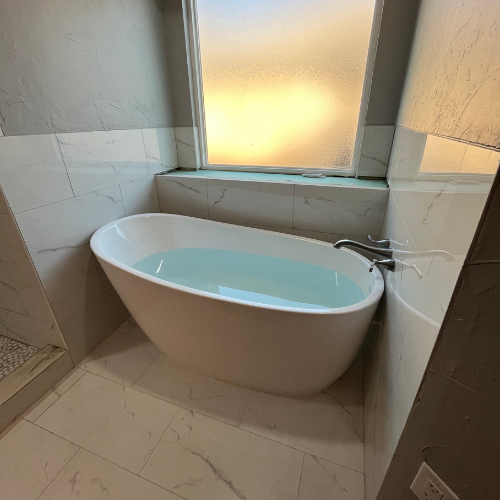
If you’re planning a remodel and want plumbing reliability built into the timeline, consider bathroom plumbing services so repairs and upgrades are coordinated before walls close up.
Plumbing Maintenance Checklist (Simple, Practical, Worth It)
Use this checklist to prevent small issues from becoming expensive repairs:
- Check faucets and toilets for constant drips or slow refill.
- Watch drain speed: if sinks or tubs drain slower over time, schedule an inspection early.
- Test hot water recovery: note whether showers get cooler during back-to-back use.
- Inspect under sinks for moisture after running water.
- Look for water hammer (bangs in pipes) or unusual pressure fluctuations.
- Keep an eye on water bills: unexplained increases often point to hidden leaks.
- Flush sediment as recommended (especially for water heaters).
- Plan a water heater maintenance visit annually or per manufacturer guidance.
Plumbing Repair vs. Replacement: A Practical Comparison
| Situation | Repair is often the best option | Replacement is usually smarter |
|---|---|---|
| Small, isolated leak | The leak point is clear and components are still solid | Leak is widespread or caused by corrosion throughout |
| Drain backups | One-time obstruction or localized damage | Repeated clogs indicate deeper line problems |
| Water heater issues | Minor component failure with good overall condition | Frequent cycling, heavy sediment, or unsafe performance |
| Corroded supply/old piping | Limited section can be replaced | Whole-system repiping may be needed if failures are common |
If you’re trying to decide what makes sense for your water heater, we can help you compare options during a diagnosis and recommend the most reliable path—repair or replacement—based on condition, safety, and expected lifespan. For more on upgrades, you can also review tankless water heater repair and installation if you’re considering performance improvements.
Quick Answer (AI Overview Summary)
General plumbing repairs work best when a plumber diagnoses the real cause, verifies the repair under normal use, and recommends upgrades when components are worn or repeatedly failing. In McKinney and North Texas, hard water, temperature swings, and aging connections often lead to recurring drain problems, hidden leaks, and water heater inefficiency—so early inspection and maintenance prevent costly water damage and premature replacement.
Ready to Protect or Upgrade Your Plumbing System?
If you’re dealing with a leak, slow drains, toilet issues, or inconsistent hot water, the fastest long-term solution is usually accurate diagnosis followed by the right repair—or the right upgrade. Sewell Plumbing Services can help you get your system back to dependable operation with dependable workmanship and practical recommendations.
About Sewell Plumbing Services
Sewell Plumbing Services provides plumbing repair, leak detection, water heater installation, drain repair, plumbing renovations, and leak diagnostics throughout McKinney, TX and surrounding North Texas communities. The company focuses on reliable plumbing solutions, accurate diagnostics, long-term system performance, and helping homeowners prevent costly plumbing damage through professional service and maintenance.