
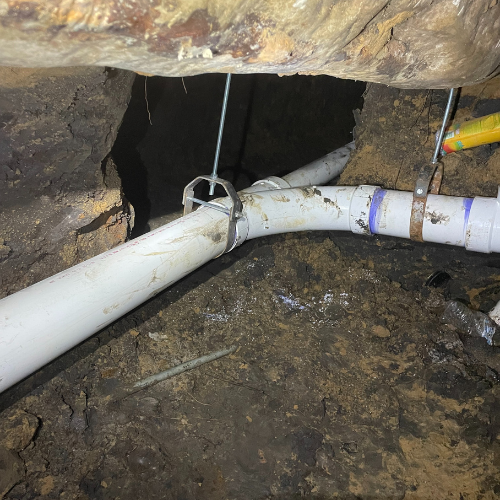
Plumbing Slab Leaks: Prevent Mold With Swift Action
A homeowner in McKinney recently called us because her “mystery” water use wouldn’t stop climbing. No visible puddles, no damp drywall, and the sprinklers were off. The only clue was a faint musty smell near the kitchen—nothing dramatic, just enough to notice. A week later, the tile floor started feeling colder in one spot, and that’s when the suspicion shifted from normal humidity to something more serious: a leak under the slab.
Slab leaks are one of those problems that can drain money quietly at first—until moisture migrates through concrete, under flooring, and into the edges of the structure. Once mold gets a foothold, it’s not just an odor problem. It can become a health and remediation issue, and by then the plumbing repair is only part of the story.
Quick Answer
Slab leaks can allow water to travel under your foundation, feeding mold and damaging flooring and subfloor materials. If you suspect a leak, don’t wait for visible damage—have a plumber perform leak detection, locate the affected pipe section, and repair it promptly. Early detection usually reduces both repair cost and the risk of mold growth.
How Slab Leaks Actually Cause Mold (and Why Time Matters)
A slab leak is a plumbing failure where pressurized water pipes run beneath a concrete foundation. When the pipe develops a crack or joint failure, water doesn’t always break through the surface quickly. Instead, it can:
- spread through the path of least resistance in and around the slab
- soak into grout lines, flooring edges, and subfloor materials
- raise moisture levels in enclosed spaces where air doesn’t circulate well
- create conditions mold needs: moisture, organic material, and time
A firsthand technician observation
On one McKinney job, we found a small pinhole leak in a supply line that wasn’t producing obvious surface wetness. The homeowner had been wiping down a baseboard where the caulk looked “slightly off,” but there was no clear puddle. During diagnostics, we observed how water usage spiked during certain pressure cycles, and the leak detection process pointed us to a localized area beneath the living space. By the time we opened up the section, the subfloor paper and wood edges showed elevated moisture—exactly the kind of environment where mold can begin even if the slab surface looks dry.
Common signs that your slab leak may be more than “just moisture”
While every home is different, these are practical warning signs we see:
- unexplained rise in water bills (especially with no new usage)
- recurring dampness near tile, baseboards, or along interior corners
- musty odor that lingers after cleaning
- hot/cold water pressure changes (sometimes noticeable only at certain times)
- warm spots on the floor near plumbing runs (less common, but it happens)
- cracks that appear or worsen near areas with plumbing lines
- “silent” water meter movement when no fixtures are running
What Homeowners Often Overlook
Slab leaks don’t always announce themselves the way a burst pipe does. A few things homeowners typically miss:
1. Humidity disguises the problem. Texas air can be humid, and condensation is common—so moisture from a slab leak can blend in and be overlooked.
2. Visible water isn’t required. Water can travel under floors and spread slowly, leaving little to no puddles for weeks.
3. “It’s probably the sprinkler system” is a common misdiagnosis. Sprinklers can be checked, but sprinkler valves and irrigation lines don’t explain indoor musty smells or meter movement during nighttime.
4. Mold remediation without a leak fix fails. Removing mold won’t stop it from returning if water is still feeding it underneath.
Common Mistakes That Cause Water Damage
1) Waiting for “proof” instead of acting on early clues
Many homeowners hold off because the leak isn’t dramatic yet. Unfortunately, slab leak damage can build under the surface. The longer water runs, the more likely you’ll deal with warped subflooring, compromised adhesives, and mold.
2) Using stop-leak products or patching on guesswork
Stop-leak chemicals and quick fixes can sometimes create temporary relief, but they can also:
- clog small valves or strainers
- complicate future diagnostics
- hide the actual failure point
3) Ignoring recurring meter activity
If the meter moves at night or during low-usage periods, that’s a strong indicator of a leak somewhere in the supply line network. Treat it as diagnostic—not as “normal.”
4) Assuming mold smell means “a ventilation problem”
Poor ventilation can contribute to odors, but in slab leak cases, the moisture source is often plumbing-related. If the smell persists and water usage is abnormal, don’t assume it’s just airflow.
Repair vs. “Cover It Up”: What Actually Improves Long-Term Reliability
Once a leak is identified, the right approach depends on where the pipe failed, how much of the run is affected, and your home’s plumbing layout.
Options plumbers typically consider
- Sectional slab leak repair: The plumber locates the leak, exposes the pipe section, repairs or replaces the failed segment, and restores the area.
- Repiping / rerouting strategy: If multiple leaks are present or pipes are aging, rerouting a larger portion may be more cost-effective than repeated excavations.
- Access planning for future durability: Good repairs consider how the pipe will be protected and how future access can be managed.
A realistic example (anonymized service case)
A North Texas homeowner had intermittent water meter changes and a persistent “damp” feeling near a bathroom wall. When we performed diagnostic testing, we pinpointed a supply line issue under the slab near that zone. The first attempt at localized repair extended the repair area slightly because the technician observed moisture migration around the original failure. After the corrected repair and proper drying, the homeowner’s musty odor decreased noticeably within days—because the moisture source was finally eliminated, not because the odor was masked.
Efficiency and upgrade recommendation
If your home has older plumbing materials (or if the leak points to aging piping), it’s often worth discussing repiping services for long-term reliability. It’s not the cheapest option upfront in every case, but it can prevent a repeat cycle of slab openings and emergency repairs. In many North Texas homes, that decision comes down to pipe condition and how extensive the leak pattern is.
If you’d like more background on locating and addressing these issues, you may find this helpful:
slab leak repair solutions
McKinney or North Texas Relevance: Why Slab Leaks Are a Real Local Concern
McKinney homes often include slab-on-grade construction, and plumbing runs beneath slabs are common because they’re efficient to build. But in North Texas, seasonal temperature swings and shifting moisture conditions can stress plumbing connections over time. We also see many homes with older plumbing systems where pipe materials have been exposed to decades of water chemistry and pressure cycling.
Here’s the practical takeaway: in this region, slab leaks can develop slowly and remain hidden because the concrete surface may look normal for a while. The moment you notice musty odors, recurring moisture, or unexplained water usage, treat it as time-sensitive—because mold risk increases as moisture stays present.
If the leak is near a specific area of your home, you’ll want accurate pinpointing—this guide may align with what you’re experiencing:
leak location repair
Plumbing Maintenance Checklist (Mold Prevention Starts Here)
You can’t prevent every slab leak, but you can reduce your odds of hidden damage and catch problems sooner.
Quick homeowner checklist
- Check your water meter weekly (especially if your usage pattern changes).
- Look for early indicators:
- musty odors near floors or baseboards
- recurring dampness at tile edges
- warm/cold spots in consistent locations
- Inspect caulk and grout lines around bathroom and kitchen areas.
- Run a “fixture-off test”: confirm all toilets, faucets, and appliances are off, then watch meter movement for a few minutes.
- Schedule periodic plumbing inspections if your home is older or you’ve had prior leaks.
- Address minor leaks immediately. Small failures can worsen under slab conditions.
Quick Answer: When Should You Call an Emergency Plumber Near Me?
If you notice any of the following, don’t wait:
- water meter movement when your home is idle
- musty odor plus abnormal water usage
- visible ceiling staining near plumbing lines (even if it’s small)
- sudden pressure changes, especially on hot water
- repeated dampness after “drying it out” yourself
Slab leaks are rarely a “set it and forget it” situation—early detection helps protect flooring, reduces excavation time, and lowers the risk of mold.
Key Takeaway
Slab leaks can cause mold because they introduce hidden moisture under your foundation. The best mold prevention is swift leak detection and repair—before moisture spreads further under flooring and into building materials.
Ready to Protect or Upgrade Your Plumbing System?
If you suspect a slab leak—or you’re seeing unexplained water use and musty odors—Sewell Plumbing Services can help with accurate diagnostics and the right repair plan for your home. Early action typically makes restoration easier and protects the long-term integrity of your floors and foundation.
About Sewell Plumbing Services
Sewell Plumbing Services provides plumbing repair, slab leak detection, water heater installation and repair, drain repair, plumbing renovations, and leak diagnostics throughout McKinney, TX and surrounding North Texas communities. The company focuses on reliable plumbing solutions, accurate diagnostics, long-term system performance, and helping homeowners prevent costly plumbing damage through professional service and maintenance.
FAQ
How do I know if I have a slab leak?
A slab leak often shows up as unexplained water bill increases and meter movement when no fixtures are running. You may also notice musty odors, dampness near floors or tile edges, or temperature/pressure inconsistencies. The most reliable confirmation comes from professional leak detection that pinpoints the pipe location without unnecessary guesswork.
Can a slab leak cause mold even if there’s no visible water?
Yes. Water can spread under flooring and into subfloor materials without creating obvious puddles on the slab surface. Mold needs moisture and time, and hidden moisture can provide both. That’s why early detection and repair matter—even when the damage isn’t visible yet.
Should I repair a slab leak or replace the plumbing?
If the leak is isolated and the surrounding pipe is in good condition, a localized repair may be enough. If multiple leaks are present, the pipe material is aging, or you’re repeatedly opening the slab, repiping or a more extensive repair plan may be the more durable choice.
What’s the first step a plumber should take?
The first step should be accurate diagnostics: confirming abnormal water usage, running leak detection procedures, and pinpointing the affected pipe section. From there, the plumber can explain the repair options and what access will be required.
How can I prevent mold after the leak is fixed?
Stopping the water source is step one. After repair, professionals typically assess moisture levels and drying needs. Depending on what materials were exposed, you may need controlled drying and, in some cases, remediation. Don’t treat the odor alone—mold prevention depends on removing the moisture that caused it.