Leak Detection Techniques Every Homeowner Should Know
On a quiet Sunday morning in McKinney, a homeowner noticed a slightly warm spot on the tile floor near the kitchen. No visible water. No dripping sound. By Monday night, that “warm spot” had turned into buckling floors and a musty smell. The culprit? A slab leak that had been quietly eroding the foundation and wasting hundreds of gallons of water.
Hidden leaks like this are more common in North Texas than many people realize. With our shifting clay soil, hot summers, and aging plumbing in some neighborhoods, slow, undetected leaks can cause thousands of dollars in damage before you see the first puddle.
According to the EPA, the average household’s leaks can account for nearly 10,000 gallons of water wasted every year. Some homes lose up to 90 gallons a day without realizing it. In McKinney, where water bills can already run high in summer, that’s money literally going down the drain.
This guide will walk you through practical leak detection techniques every homeowner should know, from simple DIY checks to advanced methods professionals use. You’ll learn how to spot early warning signs, when to call in help, and how to protect your home, foundation, and wallet.
Key Insight: The earlier you catch a leak, the less it costs—in water, repairs, and stress. A few simple habits and checks can save you from major plumbing and structural damage.
The Subtle Signs of a Hidden Leak in Your McKinney Home
Most serious water damage starts with something so small you might ignore it: a faint stain, a soft patch of drywall, or a slightly higher water bill. Learning to read these subtle signs is your first line of defense.
Common early indicators of a hidden leak include:
- Unexplained increase in your water bill
- The sound of running water when no fixtures are on
- Warm or damp spots on floors, especially over slab foundations
- Cracks in walls or ceilings that seem to grow
- Musty or earthy odors, especially in closets or under sinks
- Discolored, bubbling, or peeling paint and drywall
In McKinney, we see a lot of slab leaks because many homes are built on concrete slabs over expansive clay soil. That soil swells when wet and shrinks when dry, stressing underground pipes. A tiny crack in a hot water line can create a warm spot on your floor long before you see actual water.
A recent example: a family near Stonebridge Ranch called us about their “always-on” hot water line. Their electric bill was up, and the floor in the hallway felt warmer than usual. There was no visible water. Our technicians performed a targeted Leak Detection test and found a pinhole leak in the hot water line under the slab. Because they caught it early, we were able to repair it with minimal concrete removal and restore their system quickly.
“Water rarely announces itself with a dramatic burst. It whispers first, through small changes in your home.” — Sewell Plumbing Technician
Once you’re familiar with these subtle warning signs, the next step is learning how to test your plumbing system so you can confirm whether you have an active leak.
Using Your Water Meter as a Built-In Leak Detector
Your water meter is one of the most powerful leak detection tools you already own—and it’s free to use. With a simple step-by-step process, you can often tell whether you have a hidden leak somewhere in your system.
Here’s a straightforward way to use your meter:
- Turn off all water-using fixtures: faucets, showers, washing machine, dishwasher, hose bibs, sprinklers.
- Check that no appliances are running (ice makers, water softeners regenerating, etc.).
- Locate your water meter (usually in a box near the street or sidewalk).
- Open the lid carefully and look for:
- A small spinning dial or triangle indicator (often called a “leak detector”)
- The main dial or digital readout
If the leak detector is spinning when everything is off, water is moving somewhere in your system. That usually indicates a leak.
A McKinney homeowner in Eldorado Heights called us after doing this exact test. Their leak detector wheel was slowly spinning even with everything shut off. We did a systematic isolation test—shutting off individual fixtures and the line to the irrigation system—until we narrowed the problem down to the main service line. We then performed targeted Water Leak Repair diagnostics and found a small underground leak between the meter and the house.
You can take this a step further:
- Record the meter reading at night after all water use stops.
- Check again first thing in the morning before anyone uses water.
- Any change in the reading indicates water was used—or leaked—overnight.
If your meter test suggests a leak, the next step is figuring out where it is: inside, outside, or under the slab.
Simple DIY Checks: Toilets, Fixtures, and Visible Plumbing
Before you assume the worst and picture jackhammers and slab repairs, start with the most common and easily fixable sources of leaks: toilets and fixtures. These are areas where a homeowner can safely do some basic investigation.
Toilets: Silent Water Wasters
Toilets are one of the biggest culprits for hidden leaks. A worn flapper or faulty fill valve can allow water to seep silently from the tank to the bowl.
A quick test you can do:
- Remove the toilet tank lid.
- Add a few drops of food coloring to the tank.
- Wait 15–20 minutes without flushing.
- If colored water appears in the bowl, the flapper is leaking.
We often get calls for Toilet Repair in McKinney where the homeowner’s only symptom is a running sound that “comes and goes.” In many cases, replacing the flapper and adjusting the fill valve solves the problem and reduces their water bill.
Faucets, Showers, and Fixtures
Check:
- Under-sink cabinets for dampness, swelling wood, or moldy smells
- Around faucet bases for puddling or staining
- Shower walls for soft spots or loose tiles
- Laundry room connections for corrosion or slow drips
Our team frequently handles Faucet Repair and Drain Cleaning that started as “just a small drip” but turned into cabinet damage and mold growth.
“Any constant drip, even if it seems minor, adds up to gallons of water and long-term damage.” — Sewell Plumbing Services
Exposed Pipes and Appliances
Visually inspect:
- Water heater connections and the base of the tank
- Washing machine hoses (look for bulges or cracks)
- Exposed pipes in the garage, attic, or crawl spaces
If you notice rust, white mineral buildup, or dampness around connections, that’s a strong indicator of a slow leak. At that point, calling a professional plumber is usually safer than attempting a DIY fix, especially near your Water Heater.
Once you’ve ruled out the obvious sources, it’s time to consider leaks that are harder to see—especially those under your foundation.
Slab Leaks and Underground Leaks: What McKinney Homeowners Need to Know
For homes on slab foundations, one of the most serious types of leaks is a slab leak—when a water line running under the concrete foundation develops a crack or hole. These can go unnoticed for months but cause major structural and moisture damage.
Common Signs of a Slab Leak
- Warm spots on tile or concrete floors
- Cracks in walls, ceilings, or flooring that appear or grow quickly
- Unexplained increase in water usage and utility bills
- The sound of water running under the floor
- Areas of the yard that are constantly damp or mushy
In McKinney, our clay soil and seasonal temperature swings put extra stress on buried pipes. We routinely perform Slab Leak Repair for homeowners who first noticed small cracks near door frames or slightly warped hardwood flooring.
A recent case in a McKinney neighborhood: a homeowner noticed that one corner of their living room was always slightly warmer. No visible water, no dripping. Using specialized electronic leak detection equipment, we traced the sound of water movement beneath the slab to a hot water line. We were able to pinpoint the leak location and access it through a small, strategic opening in the floor, minimizing disruption.
Traditional vs. Modern Leak Detection Approaches
Here’s how older “guess and check” methods compare to today’s targeted diagnostics:
| Approach Type | How It Works | Pros | Cons | Typical Impact in McKinney |
|---|---|---|---|---|
| Traditional (Exploratory) | Opening walls/floors based on best guess | Low-tech, no special tools needed | More damage, longer repairs, higher cost | Risk of multiple cuts in slab or walls |
| Acoustic Detection | Sensitive microphones to “hear” leaks | Non-invasive, precise localization | Requires trained technician and equipment | Ideal for slab leaks under living areas |
| Thermal Imaging | Infrared cameras to detect temperature changes | Great for hot water line leaks | Less effective on cold water pipes | Useful for warm floor spots and walls |
| Pressure Testing | Isolating and pressurizing lines to find drops | Confirms presence/zone of leak | Doesn’t always show exact location | Helps narrow down hidden line failures |
Modern methods reduce guesswork and help protect your flooring, walls, and foundation. That’s why working with a plumbing company equipped for professional Plumbing Repair and leak location makes such a difference.
Now that we’ve covered hidden leaks under the slab, let’s talk about another overlooked source: your water heater and related piping.
Water Heaters, Appliances, and “Slow” Leaks That Become Big Problems
Water heaters and major appliances are often tucked away in garages, closets, or attics—out of sight and easy to forget. Unfortunately, that makes them prime candidates for leaks that go undetected until they cause major damage.
Traditional and Tankless Water Heaters
With both gas and electric models, leaks can develop at:
- Supply line connections
- Temperature and pressure relief (T&P) valve
- Drain valve
- The tank itself (due to corrosion)
In McKinney, many homes have water heaters in the attic. A small, slow leak up there can saturate insulation and drywall before you ever see a stain on your ceiling. We’ve handled numerous Water Heater Replacement jobs that started as “just a small drip from the pan” and ended with ceiling repairs.
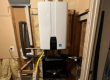
Tankless units can leak as well, especially at connections or from internal components if not maintained. We frequently perform Tankless Water Heater Repair for mineral build-up issues that, left unchecked, can cause leaks and performance problems.
Appliances and Secondary Lines
Other common sources of hidden leaks include:
- Refrigerator ice maker lines
- Dishwasher supply hoses
- Washing machine hoses
- Water filtration and softener systems
A McKinney homeowner in a newer subdivision called after noticing cupping in their hardwood floors near the kitchen. The culprit: a slow leak from the refrigerator’s plastic water line, dripping for weeks. By the time they saw the floor damage, several floorboards and part of the subfloor needed replacement.
“Anything that uses water and hides behind a panel, wall, or cabinet deserves regular attention.” — Sewell Plumbing Services
Professional plumbers can inspect and service these systems as part of broader Residential Plumbing Services, helping you catch issues before they escalate.
Professional Leak Detection: When DIY Isn’t Enough
There’s a clear line between what’s safe and practical for homeowners to check and when it’s time to bring in a professional. If you’ve done basic tests and checks but still suspect a leak, a licensed plumber with the right tools can save you time, money, and a lot of stress.
Advanced Tools and Techniques
Professional leak detection may include:
- Acoustic listening devices to hear leaks through walls and slabs
- Infrared thermal cameras to spot temperature differences
- Pressure testing of specific lines (hot, cold, irrigation)
- Isolation testing to separate house plumbing from yard or slab piping
- Video camera inspections of sewer and drain lines
These methods are especially valuable for complex problems, such as:
- Slab leaks with no obvious floor symptoms
- Repeatedly clogged drains that may indicate a broken sewer line
- Moisture in walls where multiple pipes run
We recently helped a homeowner near Historic Downtown McKinney who had recurring “mystery moisture” in their hallway wall. No visible pipes, no fixtures nearby. Using a combination of moisture meters, thermal imaging, and acoustic detection, we found a pinhole leak in a copper line buried in the wall cavity. A small, precise opening and targeted Pipe Repair resolved the issue without tearing down half the wall.
Cost vs. Risk: Is Professional Detection Worth It?
Consider the trade-offs:
| Option | Upfront Cost | Risk Level | Potential Long-Term Cost |
|---|---|---|---|
| Ignore signs, “wait and see” | $0 | High (escalating damage) | Very high (structural, mold, repairs) |
| DIY only (no pro tools) | Low (your time) | Medium (missed or misdiagnosed leak) | Moderate to high |
| Professional leak detection | Moderate | Low (accurate diagnosis) | Lower overall (targeted repairs) |
In many cases, a focused inspection and Plumbing Services call in McKinney costs far less than repairing damaged flooring, walls, or foundations later.
What This Means for Homeowners in McKinney, TX
McKinney’s rapid growth, diverse housing stock, and North Texas climate create a unique plumbing environment. You have older homes near downtown with galvanized or aging copper lines, newer subdivisions with complex irrigation systems, and everything in between.
Our expansive clay soil can shift significantly between wet springs and dry summers, adding stress to buried water and sewer lines. This movement is a major factor in slab leaks and underground pipe failures in our area. Combine that with high summer water usage for lawns and you have a perfect recipe for leaks to go unnoticed.
For McKinney homeowners, that means:
- Small leaks can quickly affect your foundation and structural integrity.
- Water bills can spike with even minor, hidden drips.
- Undetected moisture can lead to mold growth in our hot, humid months.
- A “wait and see” approach often results in more invasive repairs later.
Being proactive is the best strategy:
- Use your water meter monthly to check for hidden leaks.
- Perform quarterly visual checks of toilets, fixtures, and appliances.
- Pay attention to new cracks, warm spots, or musty smells.
- Don’t ignore a “slightly higher” water bill without a clear reason.
Sewell Plumbing Services has worked in McKinney and the surrounding areas long enough to recognize local patterns—certain neighborhoods where slab leaks are more common, typical issues with builder-grade fixtures, and how our weather impacts plumbing systems. That local experience helps us diagnose and resolve problems faster and with less disruption.
Ultimately, leak detection is about protecting the things that matter most: your home, your health, and your budget. A little awareness and timely action go a long way.
Frequently Asked Questions
Q: How can I tell if my higher water bill is from a leak or just seasonal usage?
A: Start with a simple water meter test. Turn off all fixtures and appliances that use water, then check if the small leak indicator on your meter is spinning. If it moves when everything is off, you likely have a leak. Compare your current bill to the same month last year to account for seasonal lawn watering. In McKinney, summer irrigation can dramatically increase usage, but a consistent jump with no change in habits is a red flag. If your meter suggests a leak, a licensed Plumber can perform targeted diagnostics to confirm the source.
Q: Are slab leaks common in McKinney, and what causes them?
A: Yes, slab leaks are relatively common in North Texas communities like McKinney due to our expansive clay soil and shifting foundations. As the soil swells and contracts with moisture changes, it can stress the water lines running under your slab, leading to cracks or pinhole leaks. Corrosion, poor installation, and water chemistry can also play a role. Signs include warm floor spots, new cracks in walls or floors, and unexplained water usage. If you suspect a slab issue, contact a company experienced in Slab Leak Repair to avoid unnecessary damage to your home.
Q: What should I do first if I suspect a major leak in my home?
A: If you see active water, hear rushing water, or notice a rapidly rising water meter, your first step is to shut off the main water supply to your home. The main shutoff is often near the front of the house or in the meter box. Once water is off, avoid using any fixtures and call an Emergency Plumber Near Me. In McKinney, quick action is crucial to limit damage to flooring, drywall, and your foundation. If the leak is near electrical systems or your water heater, stay clear and wait for a professional for safety reasons.
Q: Can I use leak detection gadgets from the hardware store instead of hiring a plumber?
A: Consumer moisture alarms and smart leak detectors can be very helpful, especially under sinks, near your water heater, and around appliances. They’re great for catching visible or surface leaks early. However, they can’t detect issues inside walls, under slabs, or in buried lines. For complex problems—like recurring damp spots with no obvious source, suspected slab leaks, or unexplained spikes in usage—professional Plumbing Services Near Me with advanced diagnostic tools are far more accurate. Many homeowners use both: gadgets for simple early warnings, and plumbers for full system diagnostics.
Q: How often should I have my plumbing inspected for leaks?
A: For most McKinney homes, an annual plumbing check is a good baseline, especially if your home is more than 15–20 years old. If you have a history of slab leaks, foundation movement, or older galvanized or copper pipes, more frequent inspections may be wise. Regular maintenance on systems like your Water Heater Maintenance and Drain Cleaning can also help spot early leak risks. Between professional visits, doing your own quarterly visual checks and water meter tests gives you an extra layer of protection.
Q: My toilet occasionally runs for a few seconds. Is that really a leak?
A: Yes, that intermittent running is usually a sign of a small leak from the tank to the bowl—often due to a worn flapper or an improperly adjusted fill valve. It may not look like much, but over time it can waste hundreds or even thousands of gallons of water. In McKinney, where water costs add up quickly, that’s money out of your pocket. A quick dye test in the tank will confirm the issue. Many homeowners can handle simple Toilet Repair themselves, but if the problem persists, a plumber can diagnose and fix it properly.
Q: Could a hidden leak affect my home’s foundation?
A: Absolutely. Long-term leaks under or near your slab can soften the soil that supports your foundation, leading to movement, cracking, and structural issues. We’ve seen McKinney homes where a slow hot water leak under the slab contributed to foundation settling and interior wall cracks. Moisture can also promote mold growth and damage flooring. This is why prompt Water Leak Repair is so critical. Addressing leaks early is far less expensive than combining plumbing repairs with foundation and interior restoration later.
Ready to Get Started?
Water doesn’t wait, and neither should you. If you’ve noticed higher water bills, new cracks, warm floor spots, or that nagging sound of water when everything is “off,” now is the time to act. In a fast-growing city like McKinney, with our shifting soil and hot summers, hidden leaks can escalate quickly from minor nuisances to major repairs.
Sewell Plumbing Services offers precise leak detection and repair—from simple fixture issues to complex slab leaks and underground line problems. Our licensed technicians use modern diagnostic tools to pinpoint leaks accurately, so repairs are as targeted and non-invasive as possible. Whether you need help with Drain Unclogging, Emergency Plumbing Services, or full Plumbing Repair, we’re equipped to help.
The best time to find a leak is before it becomes obvious. The second-best time is right now.
Schedule a professional leak evaluation or plumbing inspection today, and give yourself the peace of mind that your home—and foundation—are protected.
About Sewell Plumbing Services
Sewell Plumbing Services is a locally owned and operated plumbing company serving McKinney, TX and the surrounding communities. Our licensed and insured team brings years of experience in Residential Plumbing Services, including leak detection, slab leak repair, water heater service, and full-system diagnostics. We’re committed to honest recommendations, quality workmanship, and treating your home with the same care we’d give our own. To learn more about our services or schedule a visit, explore our website and discover why McKinney homeowners trust Sewell Plumbing Services for their plumbing needs.