Signs You Need a Water Heater Repair
North Texas water heaters work hard. Between hot summer days that fade into chilly evenings and those sudden winter cold snaps we get in McKinney, your water heater rarely gets a break. Yet most homeowners only think about it when something goes obviously wrong—no hot water, a loud bang, or a leak in the garage.
According to the U.S. Department of Energy, water heating accounts for about 18% of the average home’s energy use. That means when your system isn’t working properly, you’re not just uncomfortable—you’re likely wasting money every month. And in a fast-growing area like McKinney, with many homes built 10–20 years ago, a lot of water heaters are now reaching the age where problems start to show up.
This guide walks you through the most common signs your water heater needs repair, how to tell if it’s a minor fix or a bigger issue, and when it’s time to consider replacement. You’ll also see real McKinney-area examples, cost comparisons, and practical steps you can take today to protect your home and your budget.
Key Insight: Paying attention to early warning signs from your water heater can save you from emergency breakdowns, water damage, and premature replacement costs.
Sign #1: Inconsistent or Insufficient Hot Water
One of the earliest and most frustrating signs of trouble is when your hot water just isn’t… hot, or doesn’t last like it used to. Maybe your morning shower turns lukewarm halfway through, or you can’t run the dishwasher and do laundry without the water going cold.
What’s Usually Going On
For both a gas water heater and an electric water heater, common causes include:
- Sediment buildup in the tank
- A failing heating element (electric) or burner (gas)
- A malfunctioning thermostat
- Undersized unit for your current household needs
In the McKinney area, our harder water means mineral buildup happens faster than in other parts of the country. Over time, that sediment settles at the bottom of the tank, acting like an insulating blanket between the burner and the water. Your unit has to work harder and longer to produce the same amount of hot water.
“Sediment is the silent killer of water heaters in North Texas homes.” — Local Plumbing Technician
Real-World Example
A family near Stonebridge Ranch called Sewell Plumbing Services because their 10-year-old heater could barely handle two showers in a row. The system was cycling constantly and driving up their electric bill. A quick inspection showed several inches of sediment in the tank and a partially burned-out heating element.
Instead of selling them a new system right away, our technician flushed the tank, replaced the element, and tested the thermostat. Their hot water returned to normal, and their energy use dropped noticeably over the next month.
If the issue turns out to be related to leaks or hidden damage in your piping, professional Water Leak Repair or even targeted Slab Leak Repair may be part of the long-term solution.
Sign #2: Strange Noises Coming from the Tank
Your water heater should be seen, not heard. A little soft humming is normal, but loud pops, bangs, crackling, or rumbling sounds are not. These noises are often one of the clearest signs you need water heater repair.
What Those Sounds Mean
Common causes include:
- Sediment “popping” as water trapped in it turns to steam
- Expanding and contracting metal from overheating
- Loose components or failing burner assembly
- Scale buildup on heating elements
In McKinney, we often hear homeowners describe it as “a popcorn sound” or “a rolling thunder” from the garage or attic. That’s usually sediment that’s been allowed to build up for years.
“By the time a water heater is rumbling loudly, it’s already lost a significant amount of efficiency.” — Master Plumber, Sewell Plumbing Services
Local Case Study
A homeowner off Virginia Parkway called because they thought something was wrong with their AC—there was a constant rumble in the utility closet. Turned out it was their 12-year-old gas heater. We drained the tank and found heavy sediment buildup and signs of overheating on the bottom.
We performed a deep flush, checked the burner, and inspected the flue. The noise stopped, but we also had a frank conversation about the unit’s age and the likelihood of future repairs. They decided to keep it for another year while budgeting for a water heater replacement.
Sometimes, noises can also be related to pressure issues elsewhere in your plumbing system. Comprehensive Water Sewer Gas Diagnostics can help rule out other hidden problems that might be stressing your water heater.
Sign #3: Discolored, Rusty, or Foul-Smelling Water
If you turn on the hot tap and see rusty, cloudy, or yellowish water—or you notice a rotten egg smell—it’s time to pay attention. This isn’t just a cosmetic issue; it often signals corrosion or bacterial growth inside your system.
What Discoloration Can Indicate
- Rusty water from a failing anode rod or corroded tank
- Brown or cloudy water from sediment or minerals
- Rotten egg odor from bacteria reacting with the anode rod
- Local pipe corrosion, not just the heater
In older parts of McKinney and surrounding areas with original plumbing, we sometimes find that the issue is in the home’s galvanized pipes rather than the tank itself. That’s where expert Pipe Repair or Pipe Replacement becomes part of the conversation.
“Rust in your hot water is often your water heater’s way of telling you it’s nearing the end of its life.” — Industry Guideline, Plumbing & Mechanical Magazine
Real-World Example
A customer near Historic Downtown McKinney noticed that only the hot water in their bathroom sink was coming out brownish for the first few seconds. The cold water was clear. Our technician checked the heater, flushed several gallons, and found rusty water coming directly from the tank.
We inspected the anode rod and discovered it was completely consumed and the tank walls were starting to corrode. Because the heater was already 11 years old, repair would have been a temporary fix. The homeowner opted for a new unit, combined with a whole-home Water Filter Softener Repair Installation to protect the new heater and improve water quality throughout the house.
Sign #4: Leaks, Moisture, or Unexpected Water Around the Heater
Any puddle or unexplained moisture around your water heater deserves immediate attention. Even a small drip can turn into a major problem if it’s coming from the tank itself or a pressurized pipe.
Common Sources of Leaks
- Loose drain valve or temperature/pressure relief valve
- Corroded fittings or connections
- Expansion and contraction cracking an older tank
- Hidden pipe or slab leaks nearby
In McKinney, many water heaters are installed in garages, attics, or utility closets. A slow leak in the attic can damage insulation, drywall, and ceilings before you ever see water. At ground level, leaks can seep into flooring or even contribute to foundation issues, which are already a concern in our clay soils.
“Even a ‘small’ leak at the water heater can waste hundreds of gallons a month and drive up your water bill.” — EPA WaterSense Program
Local Example
A West McKinney homeowner noticed a damp spot in the corner of the garage but couldn’t see an obvious source. They called us thinking they might need Leak Detection. Our technician traced the moisture back to a slow drip at the water heater’s temperature and pressure relief valve.
The valve itself had failed, and the tank was overheating. We replaced the valve, adjusted the thermostat, and inspected the tank for damage. Catching it early prevented a potential burst and major water damage.
However, when moisture is found inside the home and not clearly tied to the heater, we sometimes discover a slab issue instead. In those cases, more involved Slab Leak Repair and rerouting options are reviewed with the homeowner.
Sign #5: Age, Rising Bills, and Frequent Repairs
Sometimes your water heater is technically “working,” but it’s costing you more every month or breaking down over and over. Age is one of the strongest predictors of failure, especially in areas with hard water like Collin County.
How Old Is Too Old?
Average life expectancy:
- Traditional tank water heater: 8–12 years
- Tankless water heater: 15–20 years (with maintenance)
If your unit is approaching or past these ranges, it’s wise to start planning. Many McKinney homes built in the early 2000s still have their original heaters, which means plenty of units in town are 15+ years old.
Common age-related signs:
- Increasing energy or gas bills with the same usage
- More frequent calls for Plumbing Repair
- Lukewarm water even after thermostat adjustments
- Visible rust or corrosion on the tank or fittings
“Replacing an old, inefficient heater can reduce your water heating costs by up to 20%.” — U.S. Department of Energy
Tank vs. Tankless: Local Cost Comparison
Here’s a simplified comparison many McKinney homeowners ask about:
| Feature | Standard Tank Heater | Tankless Water Heater |
|---|---|---|
| Typical Lifespan | 8–12 years | 15–20 years |
| Upfront Cost (Installed, Local Range) | $$ (more affordable) | $$$–$$$$ (higher initial investment) |
| Energy Efficiency | Moderate | High |
| Space Requirements | Larger (garage/closet/attic) | Compact (wall-mounted) |
| Hot Water Supply | Limited by tank size | Continuous (sized correctly) |
| Best For | Budget replacements, rentals | Long-term homes, higher hot water usage |
For many households planning to stay in their McKinney home for years, Tankless Water Heater Installation can be a smart long-term move, especially when replacing a failing or very old tank system.
Sign #6: Safety Concerns – Gas Smells, Scalding, or Electrical Issues
Any safety-related symptom is an immediate reason to call a professional. Water heaters combine water, heat, and (often) gas or high-voltage electricity—so there’s no room for guesswork.
Red-Flag Safety Symptoms
- Smell of gas near a gas water heater
- Soot, charring, or burn marks near the burner or vent
- Water that suddenly becomes scalding hot
- Breaker frequently tripping on an electric unit
- Hissing sounds, steam, or signs of overheating
In a growing city like McKinney, many homes have gas lines running to multiple appliances. A compromised water heater connection can affect more than just your hot water.
“Any suspected gas leak should be treated as an emergency—leave the area and contact professionals immediately.” — National Fuel Gas Code (NFPA 54)
Local Example
A homeowner near Eldorado Parkway called an emergency plumber near me late at night because they smelled gas around the water heater. Our on-call technician arrived, confirmed a minor gas leak at the flex connector, and shut off the gas. We repaired the connection, checked for additional leaks, and verified proper burner operation.
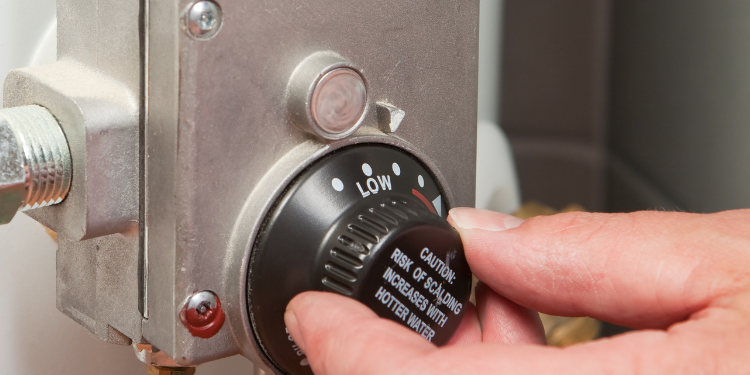
In other cases, we’ve seen dangerously high water temperatures caused by a failed thermostat. That’s more than a comfort issue—scalding can happen in seconds, especially with children or older adults in the home. Prompt Water Heater Repair in these situations protects both your property and your family’s safety.
Traditional vs. Proactive Approach to Water Heater Care
Too many homeowners wait for a full-blown emergency before they think about their water heater. A proactive approach can extend equipment life and reduce surprise expenses.
| Approach Type | Traditional “Wait Until It Breaks” | Proactive Maintenance & Early Repair |
|---|---|---|
| Typical Reaction | Call during a no-hot-water crisis | Schedule annual checks and minor repairs |
| Upfront Cost | Low (until something fails) | Moderate (small, regular investments) |
| Long-Term Cost | Higher (emergencies, early replacement) | Lower (fewer big surprises) |
| Comfort & Convenience | Frequent disruptions | Consistent hot water |
| Risk of Water Damage | Higher (sudden leaks or bursts) | Lower (issues caught earlier) |
| Best Fit for McKinney Homes | Short-term stays, rentals | Long-term homeowners, busy families |
In fast-growing neighborhoods around McKinney, many families are putting down roots and planning to stay. For them, regular Water Heater Maintenance, leak checks, and occasional upgrades provide peace of mind and predictable costs.
What This Means for Homeowners in McKinney, TX
McKinney’s mix of older homes near downtown and newer developments to the north and west means water heaters are at very different stages of their life across the city. Add in our hard water, hot summers, occasional freezes, and shifting clay soil, and it’s easy to see why water heater issues are so common here.
For homeowners in McKinney:
- If your home was built between 2000–2010 and you’ve never replaced the heater, you’re likely in the “repair vs. replace” zone.
- If you’ve noticed any of the signs above—noises, leaks, rusty water, or rising bills—it’s time to have a professional take a look.
- If you’re remodeling a kitchen or bathroom, it’s smart to evaluate your hot water system at the same time so it can keep up with new fixtures or added square footage.
Sewell Plumbing Services regularly works with McKinney homeowners during Bathroom Renovations, Kitchen Renovations, and even Full Home Remodels to ensure the water heater is properly sized and located for the home’s current and future needs.
Ignoring early warning signs can turn a simple repair into a late-night emergency call, especially during peak seasons when every 24 Hour Plumber in town is busy. Addressing issues now—before they escalate—protects your home, your wallet, and your peace of mind.
Frequently Asked Questions
Q: How do I know if my water heater needs repair or full replacement?
A: Age is the first clue. If your unit is under 8 years old and you’re seeing minor issues—like reduced hot water, small leaks at fittings, or occasional resets—repair usually makes sense. A licensed plumber can often restore performance with a thermostat, element, or valve replacement. If the heater is over 10–12 years old, showing rust, leaking from the tank itself, or needing frequent Plumbing Services, replacement is often more cost-effective. In McKinney, our hard water shortens the life of many heaters, so a professional inspection is the best way to get an honest recommendation based on your unit’s condition, efficiency, and repair history.
Q: Are tankless water heaters really worth it in McKinney’s climate?
A: For many homes, yes. Tankless units heat water on demand, which can significantly reduce standby energy losses—especially during our long hot seasons when tanks sit in hot garages or attics. A properly sized tankless system provides endless hot water, which is great for larger families or homes with multiple bathrooms. Upfront costs are higher than a standard replacement, but the longer lifespan and lower energy use can balance that out over time. Sewell Plumbing Services offers Tankless Water Heater Repair and installation, and we’ll walk you through costs, rebates, and whether your home’s gas or electrical setup is a good match.
Q: Can I flush or repair my water heater myself to save money?
A: Some homeowners do basic flushing themselves, but there are real risks if you’re not familiar with the process. You’re dealing with very hot water, pressure, gas or high-voltage electricity, and safety devices like the T&P valve. A mistake can cause burns, leaks, or even damage to the tank. For tasks beyond simple visual checks, it’s safer to hire a professional Plumber. A trained technician can safely drain the tank, inspect the anode rod, test safety controls, and spot early signs of failure that most homeowners would miss. The cost of a professional service visit is usually far less than the cost of major water damage from a DIY mishap.
Q: My water heater is in the attic. Should I be worried about leaks?
A: Attic installations are common in North Texas, but they do carry higher risk if a leak occurs. A failed tank can release 40–50 gallons of water (or more) in a short time, soaking insulation, drywall, and ceilings below. If your attic heater is over 8–10 years old, regular inspections are critical. We often recommend adding a drain pan with a proper drain line, moisture sensors, and sometimes relocating the heater during Home Additions or remodels. If you notice any moisture or staining on ceilings under the attic, call for Emergency Plumbing Services right away so the source can be identified and addressed before structural damage worsens.
Q: Why does my water take so long to get hot at certain faucets?
A: Delay in hot water reaching a fixture is usually about distance and pipe layout, not just the heater itself. Long runs from the water heater to far bathrooms or kitchens, undersized pipes, or partially clogged lines can all contribute. In some McKinney homes, we install recirculation systems or adjust piping during Kitchen Plumbing Services or Bathroom Plumbing Services to improve delivery times. It’s also worth having a plumber check for partially closed valves, sediment in lines, or other restrictions. While a new heater can sometimes help, optimizing the distribution system often makes the biggest difference.
Q: Is it normal for my water heater to run more in winter here?
A: Yes, to a point. In cooler months, incoming water is colder, so your heater has to work harder to bring it up to your set temperature. That means longer run times and slightly higher bills. However, if you notice a sudden spike in energy use, very long run times, or the burner/elements cycling constantly, that’s not normal. Sediment buildup, failing thermostats, or partially burned-out elements can all cause excessive operation. Having a professional check and perform Water Heater Maintenance can restore efficiency and keep your winter bills in check, especially during those North Texas cold snaps.
Q: We’re planning to sell our McKinney home. Should we replace an older water heater first?
A: It depends on the age and condition. During Pre-Listing Home Renovations, many sellers choose to replace a very old or visibly corroded heater because they know it will come up during inspection. A new, properly installed unit can be a selling point and reduce negotiation friction. That said, if your current heater is functioning well, isn’t leaking, and passes a basic safety check, you may not need to replace it preemptively. Sewell Plumbing Services can provide an honest assessment so you can decide whether repair, certification, or replacement offers the best return before listing.
Ready to Get Started?
Water heater problems rarely fix themselves—and in McKinney’s climate, they tend to get worse at the most inconvenient times. If you’re noticing strange noises, lukewarm showers, rusty water, or higher utility bills, now is the right time to have your system checked. Waiting until you’re completely out of hot water or dealing with a leak only increases stress, cost, and potential damage.
Sewell Plumbing Services offers prompt, professional Water Heater Repair, installation, and maintenance throughout McKinney and the surrounding area. Our licensed technicians evaluate your current system, explain your options clearly, and help you decide whether repair or replacement makes the most sense for your home and budget.
Whether you need a quick fix, a full Water Heater Replacement, or are exploring efficient Tankless Water Heater Installation, we’re here to help. Schedule a visit today and get back to reliable, efficient hot water—without the surprises.
About Sewell Plumbing Services
Sewell Plumbing Services is a locally owned and operated plumbing company serving McKinney, TX and nearby communities. Our licensed, insured team brings years of experience in residential and commercial Plumbing Services Near Me, from leak detection and Drain Cleaning to full Water Heater Installation and remodeling support. We pride ourselves on honest recommendations, quality workmanship, and long-term relationships with our neighbors. To learn more about our services or schedule an appointment, visit our homepage.