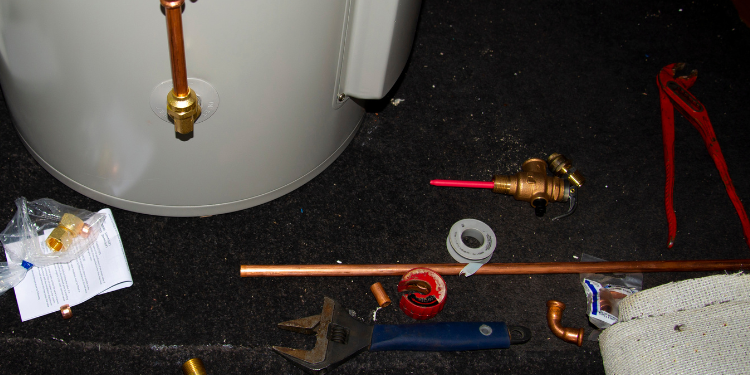
Plumber Insights on Efficient Water Heater Installation
North Texas water heaters work harder than most people realize. Between long, hot showers, dishwashers, and laundry, the average McKinney household uses 60–70 gallons of hot water a day. Yet many systems are installed in a way that wastes energy, strains components, and shortens equipment life by years. A poorly sized or poorly installed unit can add hundreds of dollars a year to your utility bills—and you may not notice until it fails on a cold morning.
For homeowners and property owners in McKinney, efficient water heater installation isn’t just about comfort. It affects energy bills, resale value, and even insurance risks if there’s a leak or code violation. The combination of our clay soil, slab foundations, and rapid growth in new construction makes smart plumbing design especially important here.
This guide shares practical, on-the-ground insights from professional plumbers on what actually makes a water heater installation efficient and reliable. You’ll learn how to choose the right type and size of heater, what a quality installation looks like, how to avoid common mistakes, and how to protect your home from leaks and hidden damage—so you get hot water that’s safe, dependable, and cost-effective for years.
Key Insight: Efficient water heater installation is a balance of correct sizing, smart placement, code-compliant connections, and proactive leak protection—not just “hooking up a tank.” Done right, it saves money, extends equipment life, and protects your home.
Choosing the Right Water Heater for Your McKinney Home
Selecting the right water heater is the first and most important step in an efficient installation. A perfectly installed unit that’s the wrong size or fuel type will still underperform and cost you more over time.
In McKinney, most homes use either a standard tank-style gas or electric unit, or a tankless system. Each has pros and cons depending on your household size, hot water habits, and budget.
A family of five in Stonebridge Ranch, for example, called us because they were constantly running out of hot water. They had a 40-gallon gas unit that was properly installed—but undersized for three teenagers and a busy kitchen. Upgrading to a 50-gallon high-efficiency gas unit with better recovery solved the problem without jumping to a tankless system.
Key considerations when choosing:
- Fuel type (gas vs. electric):
- Gas typically heats faster and costs less to run in our area.
- Electric can be simpler in homes without existing gas lines, but may have higher operating costs.
- Tank vs. tankless:
- Tank units are usually less expensive upfront and simpler to replace.
- Tankless systems provide endless hot water and can be more efficient, but require proper gas sizing, venting, and sometimes electrical upgrades.
- Capacity and flow rate:
- For tank units, capacity (e.g., 40, 50, 75 gallons) must match your peak usage.
- For tankless, flow rate (gallons per minute) must handle simultaneous uses—like a shower and dishwasher together.
“An efficient water heater is one that fits the home’s real-world use, not just what’s on the label.” — Master Plumber, Sewell Plumbing Services
Efficient installation starts with an honest assessment of your home’s plumbing, gas, and electrical systems. A trusted Water Heater Installation pro will look at your existing setup, discuss your hot water frustrations, and recommend options that balance comfort, efficiency, and budget.
Gas vs. Electric vs. Tankless: Cost and Efficiency Breakdown
Once you know your needs, the next step is comparing options based on total cost of ownership—not just the purchase price. In the McKinney area, energy rates, building codes, and typical home layouts make some choices more practical than others.
Here’s a simplified comparison for a typical single-family home:
| Type | Upfront Cost (McKinney Avg.) | Operating Cost (Annual) | Lifespan (Years) | Pros | Cons |
|---|---|---|---|---|---|
| Standard Gas Tank | $$ | $ | 8–12 | Fast recovery, lower fuel cost, widely available | Needs venting, gas line, risk of combustion issues |
| Standard Electric Tank | $ | $$ | 8–12 | Simple install, no venting | Higher electric costs, slower recovery |
| Tankless Gas | $$$$ | $ | 15–20 | Endless hot water, energy efficient, space-saving | Higher upfront cost, requires proper gas/vent upgrades |
| Hybrid Electric (Heat Pump) | $$$ | $ | 10–15 | Very efficient, rebates sometimes available | Needs space and good ambient air temperature |
We recently helped a couple near the McKinney National Airport replace a failing electric tank. Their utility bills were high, and the unit struggled with back-to-back showers. After reviewing their panel capacity and gas availability, we recommended a high-efficiency gas tank instead of another electric unit. The installation required upgrading the gas line but cut their monthly water heating costs by roughly 25%.
Efficient installations also consider:
- Venting routes (especially for gas units)
- Location of the heater relative to bathrooms and kitchens
- Space constraints in attics, garages, or closets
- Future plans like home additions or bathroom renovations
If you’re considering a tankless system, working with a pro who specializes in Tankless Water Heater Installation is essential. Proper gas sizing, venting, and water line design make the difference between a system that feels luxurious and one that struggles every time someone runs a second faucet.
The Anatomy of an Efficient, Code-Compliant Installation
A water heater can look “installed” and still be far from efficient—or even safe. True efficiency requires attention to details that many homeowners never see but feel in their monthly bills and long-term reliability.
In McKinney, most water heaters live in garages, attics, or closets near the center of the home. Each location comes with specific code requirements for safety and protection against leaks.
A recent example: a homeowner off Eldorado Parkway called about a musty smell in their hallway. Their attic water heater had been replaced by a handyman a few years earlier. There was no drain pan, the T&P (temperature and pressure) relief line wasn’t properly routed, and slow leakage had damaged insulation and sheetrock. The unit was technically “working,” but the installation was a ticking time bomb.
Critical elements of an efficient installation
- Proper shutoff valves and unions
Make future Water Heater Repair faster and less invasive, saving time and labor.
- Thermal expansion control
Required in many setups, especially with closed systems. It protects your pipes, fixtures, and the heater itself from pressure spikes.
- Insulated hot water lines
Reduce heat loss as water travels through the home, improving efficiency and shortening “wait times” for hot water.
- Correct venting and combustion air (for gas)
Essential for safety and performance. Poor venting can lead to backdrafting, incomplete combustion, and carbon monoxide risks.
- Drip pans and drain lines (especially in attics or above living spaces)
These seem minor—until a leak occurs. A properly sized, plumbed drain pan can prevent thousands of dollars in damage.
“Efficiency isn’t just about energy—it’s also about how easily a system can be serviced, repaired, and safely drained or replaced.” — Sewell Plumbing Services
An efficient installation takes all of this into account. It also respects existing plumbing systems: if your home has older galvanized or corroded lines, smart plumbers may recommend targeted Water Leak Repair or pipe upgrades while the system is already open.
Preventing Leaks and Hidden Damage Around Your Water Heater
Water heaters are one of the most common sources of major water damage in North Texas homes, especially when installed in attics over finished spaces. Our clay-heavy soil and slab-on-grade foundations also mean leaks can migrate in ways that are hard to see until they’ve done serious damage.
We were called to a home near Craig Ranch where the owners noticed warm spots on the floor and higher water bills. Their attic water heater looked fine at first glance, but a slow leak had traveled down a chase and under the slab, contributing to a developing slab leak. Both the heater and a section of piping needed attention.
Efficient installation is as much about leak prevention and detection as it is about hot water output.
Smart leak-prevention practices
- Quality materials and fittings
Using proper dielectric unions between dissimilar metals and high-quality flex connectors reduces corrosion and premature failure.
- Drain pans with correctly routed drain lines
Especially critical for attic installations. The drain should terminate in an appropriate location where leaks can be noticed promptly.
- Optional leak detection systems
Water sensors with automatic shutoff valves can stop a leak before it floods your home—well worth considering for homes with water heaters over living space.
- Proactive inspection of surrounding plumbing
While on site, a good plumber will often recommend Water Leak Repair or diagnostics if they see signs of corrosion, prior leaks, or code violations nearby.
If you suspect a hidden leak—like higher water bills, damp spots, or the sound of running water when everything is off—professional Slab Leak Repair and leak detection can pinpoint the problem before it compromises your foundation.
Efficient water heater installation doesn’t stop at the tank; it integrates with your home’s broader plumbing health.
Integrating Your Water Heater with the Rest of Your Plumbing System
Hot water doesn’t exist in a vacuum. It runs through every part of your plumbing system—showers, faucets, dishwashers, washing machines, and more. That means a smart water heater installation considers the performance of all these fixtures and lines, not just the heater itself.
We recently worked with a homeowner near Historic Downtown McKinney who replaced their water heater twice in 10 years. Both units developed heavy sediment buildup and failed early. The underlying issue? Extremely hard water and aging galvanized pipes that were flaking rust into the system.
By addressing the bigger picture—replacing key sections of piping and adding a whole-home water softener—the third heater was set up to last much longer.
Why integration matters
- Fixtures and valves:
Old or partially clogged faucets, shower valves, and mixing valves can make a brand-new heater feel underpowered. Coordinating Plumbing Fixture Repair or upgrades during installation can dramatically improve your experience.
- Drains and venting:
If your system struggles with slow drains or frequent backups, investing in Drain Cleaning or repair at the same time can prevent future headaches and better support your new heater.
- Water quality:
Hard water is a fact of life in much of Collin County. Mineral buildup shortens water heater lifespan and reduces efficiency. A properly sized Water Heater Maintenance plan or softener/filter system can protect your investment.
- Future remodeling plans:
If you’re planning Kitchen Plumbing Services, bathroom upgrades, or even Residential Plumbing Services as part of a remodel, it may make sense to upsize or relocate your water heater now to avoid rework later.
“Your water heater is only as good as the plumbing system it’s feeding. Optimizing both together gives the best comfort and efficiency.” — Sewell Plumbing Services
Thinking holistically about your plumbing allows you to prioritize projects, budget wisely, and avoid paying twice for similar work down the road.
Maximizing Lifespan: Maintenance and Early Warning Signs
Even the most efficient installation will underperform if the system is never maintained. In North Texas, with our hard water and temperature swings, routine maintenance can easily add 3–5 years to a water heater’s life.
A McKinney homeowner off Virginia Parkway called us for “noisy pipes.” The real culprit was a 10-year-old gas water heater with several inches of sediment at the bottom. It was rumbling loudly, wasting energy, and on the edge of failure. A proper flush helped, but years of neglect had already taken a toll.
Core maintenance steps for efficiency
- Annual flushing (or as recommended):
Helps remove sediment that insulates the burner or elements and reduces efficiency.
- Anode rod inspection and replacement:
The anode rod protects the tank from corrosion. Once it’s depleted, the tank starts rusting from the inside out.
- Checking temperature settings:
Many heaters are set too high, wasting energy and increasing scald risk. For most households, 120°F is a safe, efficient setting.
- Inspecting valves, venting, and connections:
Catching small leaks, rust, or venting issues early prevents bigger problems later.
If you notice any of these signs, it may be time to call a professional:
- Rust-colored water from hot taps
- Rumbling or popping noises from the tank
- Water pooling around the base
- Fluctuating water temperatures
- Visible rust on the tank or fittings
Addressing issues early—through proactive Water Heater Maintenance and repair—can delay the need for full replacement and keep your system running efficiently.
What This Means for Businesses in McKinney, TX
While most of these examples focus on homes, the same principles apply to small businesses, restaurants, offices, and other commercial spaces in McKinney. In many ways, the stakes are even higher.
A café off Highway 380 that can’t provide hot water for dishwashing or handwashing has a health code problem. A salon without reliable hot water risks losing clients. Even a small office with a failing water heater can end up with water damage that disrupts operations.
Efficient, professional Commercial Plumbing Services for water heaters help businesses:
- Control operating costs:
High-efficiency units and correct sizing reduce monthly utility expenses—especially important as energy prices rise.
- Avoid downtime:
Proper installation and maintenance reduce unexpected failures that can shut down operations.
- Meet code and safety requirements:
Commercial installations often have stricter code requirements for venting, temperature control, and backflow prevention.
- Plan for growth:
As your business adds stations, employees, or services that use hot water, the system needs to keep up.
For McKinney businesses in older buildings, integrating water heater upgrades with Emergency Plumbing Services and diagnostics can identify weak points in water, sewer, or gas lines before they cause a disruption. If you’re renovating space downtown or expanding into a new unit, coordinating water heater work with broader Plumbing Services or tenant improvements can save money and speed up inspections.
Efficient water heater installation, in both homes and businesses, is about long-term reliability and predictable costs. In a fast-growing community like McKinney, where property values and expectations are high, it’s an investment that pays off in comfort, safety, and peace of mind.
Frequently Asked Questions
Q: How long should a water heater last in McKinney, and when should I start planning for replacement?
A: Most traditional tank-style water heaters in our area last about 8–12 years, depending on water quality, usage, and whether they’ve had regular Water Heater Maintenance. Hard water in North Texas can shorten that lifespan if the tank is never flushed or the anode rod isn’t checked. Once your unit hits 8 years old, you’ll want to watch more closely for warning signs like rumbling noises, rust-colored water, or moisture around the base. Planning ahead lets you schedule an efficient Water Heater Replacement instead of scrambling for an Emergency Plumber Near Me when it fails suddenly.
Q: Is a tankless water heater really more efficient for my McKinney home?
A: Tankless units can be more efficient because they heat water on demand instead of maintaining a full tank of hot water all day. Many McKinney homeowners see lower utility bills and enjoy the benefit of endless hot water for back-to-back showers. However, actual savings depend on your usage, gas rates, and how well the system is sized and installed. Proper Tankless Water Heater Installation is critical—undersized gas lines or incorrect venting can undermine performance. For some smaller households or those with limited hot water use, a high-efficiency tank-style unit may make more financial sense.
Q: My water heater is in the attic. Is that a problem, and what can I do to protect my home?
A: Attic installations are very common in McKinney, but they come with extra risk if something goes wrong. A leaking tank can damage insulation, ceilings, walls, and flooring before anyone notices. To protect your home, your system should have a properly sized drain pan, a correctly routed drain line, and a functional T&P relief discharge line. You may also want to add leak detection sensors with automatic shutoff. During installation or Leak Detection visits, a professional can check for any code violations or signs of prior leaks and recommend upgrades that dramatically reduce your risk.
Q: How do I know what size water heater I really need?
A: Sizing depends on your peak hot water demand—how many fixtures may be running at once—and your household’s habits. A plumber will typically ask about the number of bathrooms, whether you have large soaking tubs, how many people live in the home, and whether laundry and dishwashing often overlap with showers. For tank units, this translates to a specific gallon capacity and first-hour rating. For tankless, it determines the required gallons-per-minute flow rate. An experienced Plumber can perform a quick assessment and recommend a size that meets your needs without overshooting and wasting energy.
Q: My water doesn’t seem as hot or as consistent as it used to be. Do I need a new heater or just a repair?
A: Fluctuating temperatures, longer wait times for hot water, or lukewarm water can have several causes. Sometimes it’s sediment buildup, a failing heating element, a problem with the gas control valve, or an issue with mixing valves at your fixtures. Other times, it’s a sign the heater is near the end of its life. A professional Water Heater Repair visit will include checking the thermostat, testing components, and assessing sediment levels. If the unit is relatively young and in good shape, a repair and thorough flush may restore performance. If it’s older and showing multiple issues, replacement may be more cost-effective.
Q: Can a new water heater help with low water pressure in my showers?
A: A new heater by itself usually doesn’t fix low pressure, but the installation visit is a great time to address the underlying issues. Low pressure on the hot side can come from mineral buildup in old pipes, partially closed valves, or clogged shower valves and aerators. When you schedule Bathroom Plumbing Services or water heater work together, your plumber can evaluate fixtures, lines, and valves at the same time. In some cases, targeted pipe replacement, fixture upgrades, or system flushing will make your new heater feel like a much bigger improvement.
Q: How does hard water in McKinney affect my water heater, and what can I do about it?
A: Hard water leaves mineral deposits inside your tank or tankless unit, reducing efficiency and shortening its lifespan. In tank heaters, sediment settles at the bottom, forcing the burner or elements to work harder. In tankless systems, scale can clog the heat exchanger. Regular flushing and descaling are critical in our area. Many homeowners also choose to install a water softener or filtration system. Coordinating Water Heater Maintenance with water treatment can greatly improve performance and protect your investment over the long term.
Ready to Get Started?
North Texas weather doesn’t always cooperate, and water heaters have a bad habit of failing at the worst possible time. If your unit is getting older, showing signs of trouble, or simply not keeping up with your family’s needs, planning an efficient installation now can spare you a rushed, middle-of-the-night replacement later.
Sewell Plumbing Services has helped McKinney homeowners and businesses upgrade and protect their hot water systems for years. Whether you’re exploring a high-efficiency gas tank, considering a tankless upgrade, or coordinating a water heater change-out with broader Plumbing Repair or remodeling work, our licensed team can walk you through options, costs, and timelines in plain language.
The next step is simple: schedule an on-site evaluation. We’ll inspect your current system, discuss your hot water habits and priorities, and give you clear recommendations tailored to your home or business—not a one-size-fits-all solution. From there, we’ll handle permits, code compliance, and installation details so you can enjoy reliable, efficient hot water without the stress.
About Sewell Plumbing Services
Sewell Plumbing Services is a locally owned and operated plumbing company based in McKinney, TX, serving homeowners and businesses across Collin County. Our licensed plumbers specialize in water heater installation, leak detection, drain and sewer solutions, and full-service Plumbing Services for renovations and repairs. With deep roots in the community and a focus on honest recommendations, code-compliant work, and long-term reliability, we’re committed to keeping McKinney’s homes and businesses running smoothly—one plumbing system at a time.