
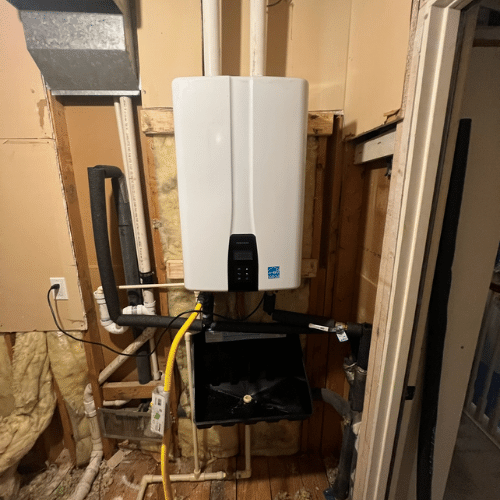
Water Heater Installation Plumber Recommends Right Size, Right Fit
If your water heater struggles to keep up—lukewarm showers, long recovery times, or hot water that disappears right when the family gets home—it’s more than an inconvenience. In McKinney, TX, where summer heat and steady household demand can push older systems to the limit, the “wrong” water heater setup often shows up fast.
Industry data consistently shows that most premature water heater failures are linked to installation issues, incorrect sizing, or mismatched equipment—not just the age of the unit. And when you’re dealing with a water heater that’s undersized or improperly vented, you don’t just lose comfort—you increase the chance of costly repairs, higher energy bills, and avoidable safety risks.
In this guide, Sewell Plumbing Services (McKinney, TX) walks you through how plumbers recommend the right size, the right fuel type, and the right installation approach. You’ll learn what to measure, what to ask before you approve a replacement, and how to avoid the most common “guesswork” mistakes that lead to repeat calls.
Key Insight: A successful water heater installation starts with accurate sizing and matching the unit to your home’s hot-water habits and fuel setup—then installing it correctly for safe, efficient operation.
The Sizing Step: Matching Your Demand to the Tank (or Tankless Flow)
A water heater doesn’t fail silently. It often tells you the truth through symptoms: multiple showers in a row turn into temperature swings, dishes take longer to rinse, or the first person to shower gets hot water while everyone else fights for it.
The core of right-sizing is matching the unit to your household’s peak hot-water demand. Plumbers use established sizing methods that consider:
- Number of bathrooms and occupants
- Typical draw pattern (e.g., back-to-back showers vs. staggered usage)
- Recovery rate needs (for tank models)
- Flow rate requirements (for tankless systems)
In McKinney, many homes see demand spikes during summer evenings and weekend routines—especially in households with kids, guest rooms, or busy schedules. One recent scenario we see: a family replaces an aging unit with a “similar capacity” because it looked close on paper. Within days, the hot water runs out earlier than the old heater did—because the old unit was operating under different conditions and the new installation didn’t account for current usage patterns.
“Right sizing isn’t a guess. It’s a calculation tied to how you actually use water day to day.” — Sewell Plumbing Services Technician, McKinney, TX
To explore related service needs, many homeowners also start with a broader evaluation after noticing performance issues—especially if there’s sediment buildup or a leak developing near the water lines. If you suspect a bigger plumbing problem behind the symptoms, you can review water heater repair installation options and what typically gets checked during assessment.
Traditional vs. Modern Hot Water Needs
Here’s a simplified comparison that helps homeowners understand why “same size” isn’t always “same outcome”:
| Home Hot-Water Pattern | Traditional Tank Approach | Tankless Approach |
|---|---|---|
| Steady, moderate daily use | Often efficient and predictable | Works well if flow rate demand is managed |
| Heavy evening bursts (showers + laundry) | Requires correct recovery capacity | Requires correct sizing for simultaneous demand |
| Frequent temperature complaints | May indicate sediment or mismatch | May indicate flow rate limits or unit undersizing |
Fuel Type, Efficiency, and Venting: Gas vs. Electric Isn’t Just Preference
Once sizing is addressed, the next decision is fuel type and system requirements. In McKinney, TX, homeowners often choose between electric and gas water heaters based on energy costs, existing utility connections, and comfort goals.
But the “right fit” isn’t only about the fuel. It also includes venting, combustion air, and installation layout—especially for gas systems. A poorly planned installation can reduce efficiency and create safety concerns.
For example, a gas water heater replacement may look straightforward until the plumber evaluates:
- Vent length and routing
- Pipe material compatibility
- Draft/venting performance
- Clearance requirements and combustion air supply
We’ve seen cases where a unit was swapped for a similar model, but the vent setup didn’t match the manufacturer’s requirements. The result wasn’t just lower performance—it can mean repeated shutdowns, inconsistent hot water, or failure to meet safe operating conditions.
“A water heater is a system—fuel, venting, plumbing connections, and controls all have to work together.” — Licensed Plumbing Technician
Electric units bring their own considerations. While installation is often simpler, electric water heater performance depends heavily on correct wiring, proper sizing, and heat-distribution expectations. For homes with higher simultaneous demand, electric models can require careful capacity selection to avoid long recovery times.
If you’re weighing options, it also helps to consider what happens after installation. Maintenance requirements vary by model, and sediment management can affect both efficiency and lifespan. For more detail on related system issues, homeowners sometimes bundle checks with water filter softener repair installation, especially in areas where mineral content can contribute to scaling.
Local Reality Check: Comfort and Cost in McKinney
McKinney’s climate and household routines create predictable demand patterns. During warmer months, many families run more hot water for showers, cleaning, and laundry. That increased usage makes sizing and efficiency choices feel immediate—good installations deliver steady hot water; mismatches show up as temperature drops and longer waits.
Tank vs. Tankless: Choosing the Right Style for Your Home’s Rhythm
The tank vs. tankless decision often sounds like a matter of preference—until you look at your home’s schedule. The “right” system depends on how often hot water is used, how many fixtures run at once, and how sensitive your household is to recovery delays.
Tank water heaters store hot water and deliver it quickly until the tank capacity is depleted. Tankless units heat water on demand, but they must be sized for your required flow rate—especially if you expect two showers, a dishwasher cycle, and laundry to happen around the same time.
Here’s a real-life example from the McKinney area: a couple installed a tankless unit after seeing a friend’s success story online. Their home had fewer simultaneous draws than their friend’s household, so the initial results were great. Then they added a child and started running more overlapping routines. Suddenly, they noticed hot water temperature fluctuations. The system wasn’t “broken,” but it was no longer a perfect match to their demand pattern.
If you’re exploring replacement options, you can also compare repair paths versus full upgrades by reviewing water heater installation and how technicians evaluate whether a repair can extend service life or if a full replacement makes more sense.
A Quick Decision Guide
- Choose tank if you want stable hot water availability and you don’t mind a stored capacity plan.
- Choose tankless if you prefer energy efficiency for intermittent use and you’re willing to size carefully for simultaneous demand.
- Either way, installation details matter. Gas venting and pipe sizing, for instance, can affect performance as much as the unit itself.
Installation Details That Prevent Future Water Heater Repair Calls
Even the best equipment can underperform if installation details are wrong. This is where professional plumbers make a difference—especially during a replacement, when old problems can be hidden behind walls or inside plumbing runs.
During a quality installation, technicians typically verify:
- Correct supply and discharge line connections
- Proper pressure relief valve performance
- Sediment and scale considerations
- Pipe sizing and flow path compatibility
- Heating element or burner calibration (as applicable)
- Safe venting and draft performance (for gas)
One common issue we see in McKinney homes is sediment accumulation. If sediment has been present for years, it can shorten the lifespan of replacement components and reduce efficiency. In some cases, homeowners assume the “new unit should fix everything,” but scale can keep affecting performance unless the plumbing setup is addressed as part of the installation process.
“A replacement is a chance to correct what the old unit couldn’t—like scale, flow restrictions, or aging connections.” — Sewell Plumbing Services
For tankless systems, correct gas/electrical sizing and venting are especially critical. If these aren’t handled properly, you can get repeated shutdowns or inconsistent temperatures—leading homeowners to search for tankless water heater repair installation sooner than expected.
Related Plumbing Issues Can Masquerade as Water Heater Problems
Sometimes the water heater isn’t the main culprit. Low pressure from a clogged line, a failing valve, or a leaking connection can mimic the symptoms of a failing heater. If you notice moisture around joints or signs of water damage, it’s worth investigating the source rather than replacing equipment blindly.
If your concern involves water leaks around the home foundation, you may want to review slab leak location repair so you can rule out hidden causes of water loss and damage.
What McKinney Homeowners Should Ask Before Approving a Replacement
A water heater installation is not a commodity purchase. It’s a home system decision. The best time to protect your investment is before the old unit is removed.
Here are practical questions that help homeowners evaluate whether they’re getting a true right fit:
- What sizing method are you using based on my household’s hot-water patterns?
- Are you recommending the best fuel type for my home and energy plan?
- How will you address venting and combustion air requirements (for gas)?
- Will you evaluate existing plumbing for sediment or flow restrictions?
- What maintenance schedule do you recommend to prevent early failures?
- What signs would indicate I should call for service before a full breakdown?
Many homeowners also ask about timelines. If you have a busy household, you may need a plan for hot water continuity during replacement. A professional plumber will coordinate the work to minimize downtime and explain what to expect.
If your home has other plumbing concerns—like slow drains, recurring clogs, or waste line issues—those can also affect overall water performance. In those cases, reviewing drain repair installation can help you address root causes rather than treating symptoms.
Callout: Avoiding the “One-Size-Fits-All” Trap
This is especially important in McKinney, where homes vary widely in size, age, and fixture count. Two neighbors can have “similar” water heaters and completely different outcomes after replacement because their demand and plumbing conditions differ.
What This Means for Businesses in McKinney, TX
For homeowners who run home-based businesses, manage short-term rentals, or operate small commercial spaces connected to residential-style plumbing, hot water consistency isn’t just comfort—it’s operations. A sudden loss of hot water can disrupt customer experiences, delay services, and increase costs when you need an unscheduled plumber.
In McKinney, the demand patterns are often seasonal and routine-based. Summer schedules bring more laundry, showers, cleaning, and outdoor activities that increase hot-water draw. If a business or rental property is served by a water heater that’s undersized or mismatched, recovery delays can turn into repeat complaints and negative reviews.
Right-sized installation helps reduce:
- Unexpected downtime and rushed emergency decisions
- Higher utility bills due to inefficient operation
- Faster wear on components from sediment buildup or incorrect flow conditions
- Safety risks from improper venting or incorrect pressure relief setup
It also improves predictability. When you choose the correct system and a professional installation approach, you can plan maintenance windows and avoid frequent repairs. If you’re looking for a broader plumbing partner for ongoing needs, consider how a qualified team handles other common issues too—like water heater replacement, drain cleaning, and emergency service responsiveness.
For many McKinney households, the best time to act is before the first real performance failure. Waiting until there’s no hot water usually means higher urgency—and fewer options.
Frequently Asked Questions
Q: How do I know if my current heater is undersized or just failing?
A: Undersizing usually shows up as consistent “not enough hot water” during peak usage—like showers in the evening or laundry cycles running back-to-back. A failing unit may present additional clues such as unusual noises, inconsistent temperatures, leaks near the base, or error behavior (for certain tankless models). A plumber will typically check the heater’s age, inspect valves and connections, evaluate sediment conditions, and review your household’s hot-water pattern. If the unit is old and scaling is present, replacing it with a correctly sized system often prevents repeat issues. You can also explore water heater repair and installation to understand which symptoms point to repair versus replacement.
Q: What’s the difference between electric water heater and gas water heater installation requirements?
A: Electric water heater installation focuses on correct electrical supply, wiring, and safe connections, while gas water heater installation includes venting, combustion air considerations, and proper gas line setup. Both types require correct plumbing connections and pressure relief safety components. The “right fit” means matching the unit to your home’s existing infrastructure and operating conditions. In McKinney, gas venting requirements can be a major factor, especially when the vent path must meet specific length and routing rules. A licensed plumber will verify clearances, vent compatibility, and safe operating performance before completing the job.
Q: Can a plumber install the same BTU or capacity as my old unit and still get poor results?
A: Yes. Similar labels don’t always translate to similar performance. Your old system may have been sized for a different household routine, and even small differences in fixture count, simultaneous demand, water pressure, or pipe conditions can change outcomes. Sediment or mineral scale can also affect how well a replacement heats water. Additionally, installation details—like venting, pipe diameter, and connection quality—can limit performance even when the unit specs look correct. That’s why professional sizing methods and an installation checklist matter. Ask your plumber to justify the recommendation using your actual usage pattern, not just the old unit’s rating.
Q: When is it better to repair versus replace a water heater?
A: Repair may make sense when the issue is limited—like a faulty thermostat, igniter, or small component failure—especially if the unit is relatively new and the plumbing lines are in good shape. Replacement becomes more cost-effective when the tank is leaking, the unit is nearing the end of its service life, or sediment buildup has progressed to the point where it will likely keep reducing efficiency and performance. Repair also may not address underlying mismatch problems, such as inadequate capacity for your household’s demand. For a clear assessment, many homeowners start with water heater replacement guidance and a report on the likely root cause.
Q: How do I prevent early breakdown after installation?
A: The biggest prevention factors are correct installation and ongoing maintenance. After installation, follow manufacturer guidance for routine checks, and ask your plumber about sediment and scaling prevention based on your water conditions. If you notice performance changes—like slower recovery, temperature swings, or rumbling noises—address them early rather than waiting for a full failure. For tankless systems, keep an eye on flow rate and maintenance intervals because mineral buildup can reduce efficiency over time. If you also have hard-water concerns, pairing the right water treatment can help. Many homeowners find value in water filter and softener repair installation when scale is a recurring issue.
Q: Do tankless water heaters work for large families in McKinney?
A: They can, but only when properly sized. Large families often create higher simultaneous demand—multiple showers, laundry, and dishwashing may overlap during peak hours. Tankless units must be able to meet flow rate and temperature rise requirements at the same time. If a system is undersized, you’ll see temperature drops or reduced flow. A plumber should evaluate your household’s peak usage, not just average usage. When installed correctly and sized appropriately, tankless systems can deliver consistent comfort and efficient operation.
Q: What should I do if I need hot water urgently but my heater is failing?
A: Start by identifying whether the issue is safety-related—such as gas-related concerns, active leaks, or signs of venting problems. If there’s any risk, shut down the unit as directed and call for professional help. For urgency, a plumber can often recommend whether immediate repair is feasible or if a same-day replacement is the safest path. In many cases, homeowners benefit from an emergency triage that checks for the most likely causes—then provides options with clear costs and timelines. If you’re searching for Emergency Plumber Near Me support, prioritize a team that can diagnose quickly and verify safety before restoring hot water.
Ready to Get Started?
If your water heater is already struggling, waiting usually makes the problem worse. In McKinney, TX, summer demand can expose sizing issues quickly, and older units often fail at the most inconvenient times. Acting sooner gives you more flexibility—better equipment matching, smoother scheduling, and fewer last-minute compromises.
Here’s what to do next:
- Schedule an assessment so a plumber can review your hot-water usage pattern and current system condition.
- Ask about right-sizing for your household (tank capacity or tankless flow and temperature requirements).
- Confirm installation details like venting (gas), electrical needs (electric), plumbing connections, and pressure relief safety.
When you choose Sewell Plumbing Services, you’re working with a local team that understands McKinney homes and the real-world usage patterns that affect performance. If you’re ready to plan your next step, contact us to schedule a consultation and get a clear recommendation for your Water Heater Installation timeline and options.
About Sewell Plumbing Services
Sewell Plumbing Services provides trusted plumbing repair and installation in McKinney, TX and the surrounding area. Our team focuses on careful diagnosis, code-compliant work, and long-term solutions—especially for water heaters, tankless systems, and whole-home plumbing needs. With years of local experience and a commitment to quality craftsmanship, we help homeowners and businesses make informed decisions instead of guessing. Learn more at Sewell Plumbing Services.