
Slab Leak Repair Explained: Signs, Causes, Next Steps
A quiet slab leak can turn into a loud, expensive problem in a hurry—especially in North Texas where heat, soil movement, and aging plumbing systems are common. If you’ve ever noticed damp spots around baseboards or seen your water bill jump without changing your habits, you’re not alone. In fact, the American Water Works Association has long noted that leaks can waste a substantial amount of treated water before they’re detected and repaired. For homeowners and property managers in McKinney, that waste often comes with another hidden cost: damage to flooring, walls, and foundation-level plumbing.
So how do you know if it’s a slab leak (instead of a fixture or supply line issue)? What causes slab leaks in the first place, and what should you do once you suspect one? This guide walks you through the most common signs, the usual causes, and the best next steps—so you can protect your home and avoid unnecessary guesswork.
Key Insight: A slab leak is harder to spot than a surface leak, but you can narrow down the cause by watching water-use patterns, listening for telltale sounds, and relying on proper leak detection methods.
Understanding Slab Leaks (and Why They’re Different)
A slab leak happens when a water line under a concrete foundation (the “slab”) develops a leak. Unlike a visible pipe leak, the water may travel through soil, collect under flooring, or migrate toward the nearest path of least resistance. That’s why homeowners often discover slab leaks indirectly—through moisture, odors, or rising bills—rather than seeing water gushing from a pipe.
In McKinney, the issue can be more common in homes with older plumbing, recent foundation repairs, or neighborhoods where original construction dates back decades. Temperature swings and soil expansion/contraction can contribute to stress on pipes over time. Also, if a home has had previous plumbing work, there may be additional joints or connection points under the slab that become weak later.
Here’s a scenario we see often: a family notices their water bill creeping up month after month. No toilets run, no sinks drip, and there’s no obvious wetness—at least not at first. A careful inspection later reveals moisture intrusion closer to the foundation edge, consistent with a leak traveling under the slab.
“With slab leaks, the biggest challenge isn’t finding water—it’s finding the exact location so you can repair the right section without unnecessary demolition.” — Plumbing industry field technician
To get a better sense of what’s happening beneath your floors, you can also review leak location repair and slab leak location repair for a clearer idea of how the process works.
Signs Your Home May Have a Slab Leak
Slab leaks rarely announce themselves in a single, dramatic way. Instead, they show up through patterns and subtle damage. The goal is to recognize the clues early—before the leak undermines soil support or causes structural issues.
Common signs include:
- Unexpected water bill increases (especially steady increases without lifestyle changes)
- Damp carpets, warm spots on floors, or recurring musty odors
- Cracks near baseboards or along interior walls (sometimes accompanied by drywall bubbling)
- Low water pressure that comes and goes, or pressure that drops when water is used
- Sound of water running (from inside walls or under flooring) when no fixtures are operating
- Repeated moisture near the same areas after cleaning or drying
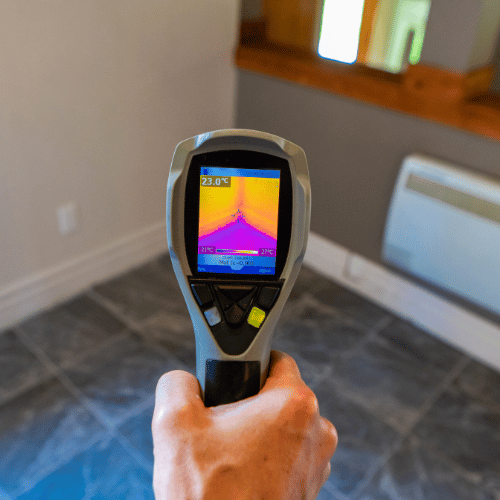
One practical check: watch your water meter. Many meters have a small indicator (a “leak detector” or triangular dial) that moves when water flows. If the indicator moves while nothing in the home uses water, you may have a leak somewhere in the system. If you’d like guidance on diagnosing system-wide plumbing issues, you can compare water, sewer, gas diagnostics approaches that help technicians rule out competing causes quickly.
A quick real-world example from McKinney: a homeowner noticed a single bathroom tile area staying unusually warm during hot afternoons. They assumed it was normal radiant effects—until the warmth persisted even when the home was cool. Eventually, leak detection confirmed a line under the slab feeding that zone. Once repaired, the floor returned to normal temperature and the water bill stabilized.
“Moisture and temperature anomalies are often the earliest visible signals of a slab leak.” — Local plumbing inspection best practice
Traditional vs. Modern Detection (What Changes the Outcome)
| Approach | What It Looks Like | Pros | Where It Can Fall Short |
|---|---|---|---|
| Guess-and-check inspections | Visual checks, listening, limited probing | Low disruption | Can miss the exact pipe path under the slab |
| Pressure tests and targeted detection | Meter readings + system testing | Faster narrowing of the problem | Still may not pinpoint location without advanced tools |
| Advanced leak detection + location planning | Electronic listening, correlating signals, mapping | Minimizes unnecessary demolition | Requires experience and correct equipment |
When you suspect a slab leak, accurate location matters just as much as repair. That’s where skilled plumbing repair teams shift from “finding a leak” to “solving the root cause.”
What Causes Slab Leaks in McKinney Homes?
Slab leaks usually develop over time due to pressure, movement, wear, or installation factors. In North Texas, soil behavior and temperature swings can amplify stress on underground plumbing lines.
The most common causes include:
- Pipe corrosion (especially with aging metal lines)
- Joint failure where pipes connect under the slab
- Wear from water chemistry (hard water can contribute to scale and internal deterioration)
- Ground movement due to seasonal expansion/contraction
- Improper installation or insufficient bedding around pipes
- Changes in load or foundation settling that shift stress points
- Previous repairs that introduce weak spots at cut-and-reconnect locations
In one McKinney case, a home had a history of minor plumbing repairs around interior walls. Years later, the problem returned—but worse. Leak detection pointed to a connection area under the slab. Once the original weak joint was replaced, the leak stopped and the homeowner avoided repeated “temporary fixes.”
It’s also worth noting that slab leaks can be mistaken for other plumbing issues. A toilet leak, faucet drip, or toilet repair problem may raise water usage, but slab leaks typically show a broader pattern—especially when multiple rooms share the same plumbing supply line.
“Most slab leaks aren’t caused by one dramatic event—they’re the result of gradual stress that eventually exceeds what the pipe or joint can handle.” — Experienced plumbing diagnostics technician
If you’re also dealing with water heater performance problems, don’t assume they’re related. But if you’ve got a bigger “water system” concern, it can help to coordinate inspections. For example, if you suspect pressure fluctuations, you might also want to review water heater repair or related maintenance—because pressure and flow issues can affect how plumbing problems present.
The Repair Process: What Happens After Leak Detection?
Once a slab leak is suspected, the repair process should begin with accurate location. A good technician doesn’t jump straight to cutting concrete. Instead, they confirm the leak, map likely pipe routes, and plan the least disruptive repair strategy.
A typical workflow includes:
- Initial assessment and water usage verification (meter readings, symptom timeline)
- System testing to confirm water loss and isolate the affected zone
- Advanced leak detection to identify where under the slab the leak is occurring
- Repair planning based on pipe material, leak severity, and access constraints
- Pipe repair or section replacement (often with the goal of restoring integrity without repeated failures)
In many cases, you’ll see two broad repair outcomes: spot repair (when the leak is localized and the surrounding pipe is in good condition) or section replacement (when corrosion or prior damage has spread beyond the immediate leak point).
Here’s a practical example: a McKinney homeowner reported recurring dampness near an entryway. Initial listening suggested water movement, but it didn’t confirm the exact location. After targeted detection, the technician pinpointed the leak along a supply line running under the slab. The repair plan focused on replacing the compromised pipe segment rather than opening larger areas of flooring than necessary.
“The best slab leak repairs feel ‘surgical’—because the location work is done right the first time.” — Field repair best practice
It’s also smart to consider whether your home needs broader plumbing evaluation. If multiple issues are present (for instance, recurring leaks, low pressure, or aging pipes), you may want to discuss longer-term solutions. Many homeowners eventually explore options such as repiping services when they’re dealing with widespread pipe aging.
If you suspect your slab leak is part of a larger plumbing system issue, scheduling a comprehensive inspection can save time and protect your investment in the home—especially if you’re planning renovations. For example, if you’re considering kitchen or bathroom updates, you’ll want plumbing issues resolved before new finishes go in. You can explore how remodeling timelines align with plumbing work through kitchen renovations and bathroom renovations.
Repair Options and “How to Unclog a Toilet” vs. Slab Leaks
Some plumbing problems require immediate action—but not all “leak-like” symptoms point to a slab leak. Homeowners often search for quick fixes, such as how to unclog a toilet, when the real problem is elsewhere. While clogs can cause backups and water flow issues, slab leaks involve hidden water loss and structural moisture risks.
Here’s a helpful way to separate the issues:
- If water damage is localized near walls/floors and bills rise even when fixtures aren’t used, you’re closer to a slab leak scenario.
- If the issue is limited to one fixture (like toilet bowl level changes, repeated clogs, or specific drain backups), you may be dealing with a clog or fixture problem.
- If you notice sewer odors, gurgling drains, or slow drainage, you may need drain-focused services rather than slab leak repairs.
If you’re dealing with drain symptoms, consider professional drain cleaning and related services. You can learn more about drain repair and installation so you know what to expect if clogs or pipe damage are involved.
When “Emergency Plumbing Services Near Me” Makes Sense
Slab leaks can escalate fast. While every situation differs, these are good triggers to call for help promptly:
- You see active water pooling or expanding damp areas
- Your meter indicates continuous flow with no fixture usage
- You hear water running from behind walls or under floors
- You smell a persistent musty odor that seems to worsen
- You’re noticing foundation-related concerns (new cracks, shifting doors)
“The longer a slab leak goes unaddressed, the more likely you are to deal with secondary damage.” — Residential plumbing repair guideline
If your immediate concern is water heater performance or hot water reliability while you address the slab leak, it’s fine to tackle both. Water system issues often overlap in customer complaints, and coordinating repairs reduces downtime. Options like tankless water heater repair and standard water heater replacement can be handled alongside broader plumbing diagnostics.
Outcomes: What You Can Expect After a Proper Slab Leak Repair
A properly executed slab leak repair should do more than stop water movement. It should restore plumbing performance, prevent further moisture intrusion, and reduce the risk of repeated repairs.
What homeowners typically notice after the repair:
- Water bills stabilize (often within the next billing cycle)
- Moisture and odors decrease as the leak stops and surrounding materials dry
- Floor and wall damage stops progressing
- Water pressure returns to normal if the leak affected supply flow
- Basement or crawl areas (if applicable) show less dampness over time
However, it’s equally important to understand the “after” phase. Even when the leak is fixed quickly, materials that were saturated may need drying time or repairs. Depending on the severity, you may also need restoration work for flooring, drywall, insulation, or baseboards.
In McKinney, many homes have slab-on-grade foundations, so homeowners frequently worry about flooring replacement. The good news is that precise leak location and targeted repair often reduce demolition footprint compared to guesswork repairs.
A Simple Comparison of Results You Want
| Goal | Why It Matters | What Good Repair Looks Like |
|---|---|---|
| Stop the leak permanently | Prevents repeat damage | Repair matches the exact leak location and pipe condition |
| Minimize demolition | Protects finishes and budgets | Targeted access points rather than broad openings |
| Restore normal system pressure | Improves daily comfort | Flow returns to expected range after repair |
| Reduce moisture risk | Helps prevent mold and structural issues | Leak stops + drying/restoration plan if needed |
If you’ve ever had to handle repeated plumbing calls, you already know the difference between a temporary fix and a real repair. A well-planned slab leak solution aims to end the problem, not just mask the symptoms.
What This Means for Businesses in McKinney, TX
Slab leaks aren’t just homeowner headaches—business properties feel the impact quickly too. In McKinney, commercial spaces like small office buildings, retail locations, and multi-tenant properties often have higher occupancy schedules and tighter uptime expectations. Even a “minor” water loss can affect operations: restrooms become unusable, flooring near entryways or hallways can get unsafe, and moisture can damage finishes or create odor complaints that drive tenants or customers away.
There’s also a financial reality many property managers recognize: ongoing leaks can quietly erode margins through higher water bills, emergency call-outs, and restoration work. If a leak worsens, repairs often expand from a localized plumbing fix to a broader scope involving flooring replacement, drywall removal, and remediation. From a risk management standpoint, that’s why early detection and correct repair planning matter.
McKinney’s mix of older housing stock and newer construction also means plumbing systems vary widely in age and materials. Businesses that serve residents or manage properties across neighborhoods benefit from consistent diagnostics and repair methods—especially when the goal is to reduce downtime and disruption.
For property owners and facility managers, the best approach is proactive: treat unexplained water usage as a maintenance issue, not a mystery. If you’re looking for a team that can handle both detection and repair, Sewell Plumbing Services focuses on practical, precise solutions tailored to local homes and business environments. Explore additional plumbing support options through plumbing services and broader diagnostic work when multiple system concerns show up.
Frequently Asked Questions
Q: What’s the fastest way to tell if it’s a slab leak or a toilet/drain issue?
A: Start with patterns. A toilet usually causes a noticeable symptom—running water, worn flappers, or periodic tank refilling. A slab leak often shows up as unexplained water usage that continues even when everyone is asleep and fixtures aren’t operating. Check your water meter for movement during a period of no use. If the meter indicates flow and you don’t find active fixture leaks, that’s a strong signal to investigate the supply line system under the slab. A professional inspection using slab leak location repair methods can confirm the exact cause quickly and prevent unnecessary demolition.
Q: Can I shut off the water and wait before scheduling slab leak repair?
A: You should avoid long delays. While shutting off water can reduce ongoing leakage and prevent additional damage, a leak may still have already saturated materials under floors or along foundation edges. Waiting can increase the scope of repair because moisture spreads and materials deteriorate. If you need immediate relief, consider turning off the water supply temporarily, then schedule a leak detection appointment as soon as possible. If you’re also dealing with other system issues—like hot water reliability—coordinate repairs so you’re not juggling multiple emergencies. You can review water heater repair options if needed.
Q: Why does leak detection matter so much before repairs?
A: Slab leak repairs can involve opening concrete. If the leak location isn’t confirmed, crews may remove unnecessary flooring or cut into areas that don’t contain the problem. Accurate detection helps technicians identify the pipe path and pinpoint the leak, which typically reduces demolition and shortens the time the home is disrupted. In practice, this means fewer “trial repairs” and a better chance at a permanent fix. That’s why many homeowners request specialized leak detection and location services rather than relying on visual inspection alone.
Q: What causes slab leaks to get worse over time?
A: Most slab leaks start as small failures at joints, corrosion points, or weak sections of pipe. As pressure cycles with water use, the leak can expand, and water can travel through soil and reach new paths under the slab. As materials around the pipe absorb moisture, you may see additional signs like floor warping, drywall bubbling, or persistent odors. In some cases, foundation movement can also increase stress on plumbing lines. The longer the leak continues, the more likely you’ll face secondary costs like restoration and remediation.
Q: Are slab leaks covered by homeowners insurance?
A: Coverage varies widely by policy and how the leak occurred. Some policies cover sudden damage but may exclude gradual leaks or maintenance-related issues. Because slab leaks often develop over time, it’s important to document symptoms and repair timelines. Keep notes of when you first noticed changes in your water bill, any moisture signs, and what the inspection found. A professional report from a licensed plumbing team can support your insurance discussion. If you’re unsure, ask your insurer what portion of slab leak damage and repair is eligible.
Q: How do plumbers avoid damaging floors during slab leak repairs?
A: The best results come from targeted access. When technicians use accurate detection and mapping, they can plan the smallest necessary opening and repair only the compromised pipe section. That approach usually reduces the area of demolition compared to broad “open and look” methods. After the repair, restoration planning helps you understand what materials may need replacement and what drying steps come first. For homes undergoing upgrades, coordinating plumbing work with pre-listing home renovations can also reduce delays in projects.
Q: If I suspect a slab leak, should I also check my water heater?
A: Not automatically, but it’s smart to evaluate your overall water system if you’re seeing multiple symptoms. A failing water heater replacement or inconsistent hot water can be unrelated to slab leaks. However, if your pressure is fluctuating or your system behaves strangely during use, a broader diagnostic can help rule out connected causes. A coordinated inspection can save time—especially if you’re already calling for help for an emergency plumbing concern.
Ready to Get Started?
If you suspect a slab leak in your McKinney home or property, act sooner rather than later. Even when the leak seems “small,” ongoing water loss can lead to moisture intrusion, higher utility costs, and more extensive repair work. The fastest path to peace of mind is straightforward: confirm the leak, locate it precisely, and repair the compromised section using a plan designed to minimize disruption.
Next steps you can take today:
- Check your water meter for movement during no-use hours
- Note where you’ve seen dampness, odors, or temperature changes
- Schedule a slab leak inspection focused on accurate slab leak location repair
If you’re searching for Emergency Plumber Near Me because symptoms are worsening, don’t wait for damage to grow. Sewell Plumbing Services brings local responsiveness and repair-focused expertise—so you can get your home back to normal with confidence.
About Sewell Plumbing Services
Sewell Plumbing Services is a locally minded plumbing company serving McKinney, TX and nearby areas with dependable leak detection and repair. The team focuses on practical solutions that protect your home, reduce unnecessary demolition, and restore plumbing systems to reliable performance. With real-world field experience across residential and commercial plumbing repairs, Sewell Plumbing Services works to meet the standards homeowners expect—clear communication, accurate diagnostics, and repairs that last. Visit our website to learn more.