
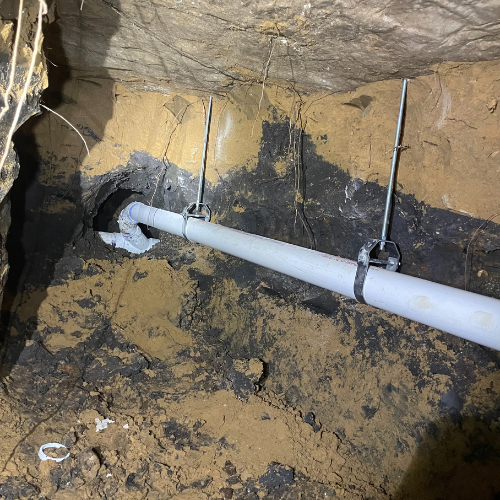
Signs You Need a Plumber for Slab Leak Repair
The first time you hear water running when no one is using it—or you notice fresh moisture where no pipe should be—slab leaks can feel like a mystery. In North Texas homes, that mystery is often more than just annoying. It can become expensive fast. According to the U.S. Environmental Protection Agency, household leaks can waste thousands of gallons of water over time, and leaks inside walls or under concrete tend to go unnoticed longer than most.
If you live in McKinney, TX, you’re also dealing with a climate that stresses plumbing systems in its own way—hot summers, freeze-thaw cycles in shoulder seasons, and soil movement that can shift pipes under slabs. The result: small leaks can turn into major foundation and flooring damage before you ever see a puddle.
In this guide, you’ll learn the most common signs of a slab leak, how plumbers locate the source, what repairs typically involve, and when you should call a professional. You’ll also see how to protect your home—and your budget—before the damage spreads.
Key Insight: Slab leaks rarely announce themselves clearly at first. If you recognize the early warning signs and call a qualified plumber for leak detection, you can often repair the problem sooner and reduce the risk of costly flooring or foundation issues.
Common Leak Symptoms You Shouldn’t Ignore in McKinney
Slab leaks often hide beneath concrete, so the “evidence” shows up indirectly. Instead of a visible wet spot, you’ll notice changes in how your home behaves—water use, odors, and even floor conditions. Many homeowners describe the same progression: “We thought it was the irrigation system” or “It must be a leak somewhere in the wall.”
Here are the most common slab leak signs to watch for in McKinney homes:
- Unexplained increases in water bills (even when household usage hasn’t changed)
- Damp or warm areas on the floor—especially near exterior walls or plumbing fixtures
- Cracks in tile, grout, or drywall that appear or widen over time
- Moldy odors or a musty smell that comes and goes
- Low water pressure or inconsistent flow from multiple fixtures
- Sounds of running water when everything is off
- Rusty staining or mineral deposits along baseboards or near walls
One McKinney homeowner we spoke with noticed a faint “hiss” after shutting off every faucet. The water bill rose gradually for weeks, and only then did a section of kitchen tile feel slightly warmer. When the plumber performed leak location, the source was under the slab near the service line—an area that showed no obvious puddle.
“Slab leaks don’t always look like leaks. They show up as behavior—pressure changes, temperature changes, and billing patterns.” — Plumbing Technician, Sewell Plumbing Services
When you see one or more of these symptoms together, it’s time to stop guessing and call a plumber for proper diagnosis—not just a quick patch. For many homeowners, the sooner you confirm the cause, the more repair options you keep open.
What a Professional Slab Leak Investigation Looks Like
Once you call for help, the most important step is finding the leak accurately. Many repairs fail when the source is guessed. In slab leak situations, that guesswork can also mean unnecessary demolition—breaking up more concrete than needed.
A skilled plumbing team typically approaches slab leak investigation with a sequence of steps designed to confirm the leak location and reduce guesswork:
1) Verify whether water loss is real and active
- Meter checks to confirm ongoing flow
- Pressure observation when fixtures are turned on and off
- Assessment of whether the issue aligns with hot water, cold water, or both
2) Determine likely zones under the slab
Plumbers narrow the area using:
- Fixture and plumbing layout
- Evidence from moisture patterns
- History of the home’s plumbing (repiping, renovations, prior leaks)
If you’re unsure what’s going on, it’s worth asking your plumber how they plan to locate the leak and what tools they’ll use.
3) Use specialized leak detection methods
Depending on the situation, professionals may use:
- Acoustic listening to pinpoint the source
- Thermal imaging to detect temperature differences
- Pressure testing to isolate sections of piping
- Electronic scanning to refine the likely pipe location
For property owners who also need help with other hidden plumbing issues, it can be helpful to coordinate with broader diagnostic services. For example, if you’re noticing moisture plus possible sewer line concerns, water, sewer, gas diagnostics can help clarify whether the problem is truly water-related.
“The goal isn’t to dig first—it’s to locate first. Accurate leak location can save time, protect finishes, and reduce repair costs.” — Industry Best Practice, Leak Detection Standards
4) Confirm the pipe condition before recommending repair
After locating the leak, the plumber evaluates:
- Pipe material and age
- Corrosion level
- Whether the pipe can be repaired or if replacement is the better long-term move
If you suspect a slab leak, don’t wait for the “perfect moment.” Early investigation helps prevent expansion of damage under flooring.
Slab Leak Repair Options: Patch, Pipe Repair, or Repiping
When homeowners hear “slab leak,” they often picture a single fix—breaking concrete and patching. In reality, slab leak repair spans a range of approaches depending on the pipe type, leak severity, and how widespread the corrosion is.
Here’s a practical way to think about the common paths a plumber may recommend:
| Repair Approach | When It’s Considered | Pros | Tradeoffs |
|---|---|---|---|
| Spot repair / targeted pipe repair | Leak is localized and pipe segment is in decent condition | Less invasive, faster turnaround | May not address nearby weakened sections |
| Pipe replacement in affected area | Leak area shows significant corrosion or repeated failures | Stronger long-term result than patching alone | Requires more work than a small repair |
| Repiping services (broader replacement) | Multiple leaks, widespread degradation, older plumbing systems | Fewer future surprises | More planning and cost, typically larger scope |
In McKinney, older homes may have older piping materials that can corrode over time. When the leak is caused by corrosion rather than a one-time failure, a limited patch might buy only a short reprieve.
One common scenario: a homeowner repairs a localized leak, then months later sees a new issue in a nearby run. That pattern often indicates the pipe has broader wear. In those cases, plumbers may recommend water leak repair plus additional work to prevent a repeat situation.
If your home’s plumbing includes additional components, it’s also smart to coordinate repairs so you don’t repeatedly open the same access areas. For instance, if you’re also dealing with temperature inconsistencies, you may want to pair slab leak repairs with water heater repair diagnostics—because hot water pressure issues can sometimes mask or confuse leak symptoms.
Hidden Damage Risks: Flooring, Foundation, and Mold Growth
Slab leaks don’t just leak water—they can create a domino effect. Even if you don’t see active pooling, moisture moves through the home’s materials and can undermine structural and indoor air quality over time.
What can happen when a slab leak goes untreated?
- Flooring damage: warped tile underlayment, loose grout, soft spots
- Drywall cracks and paint bubbling: moisture travels and affects nearby walls
- Subfloor weakening: prolonged moisture can degrade materials
- Foundation concerns: while slab leaks don’t automatically “ruin” a foundation, they can contribute to soil changes around the perimeter
- Mold and odor issues: damp environments encourage mold growth and can affect allergies
A real-world example from McKinney: a family noticed a “musty” smell in a hallway near a bathroom. Their water bill also rose slightly, but the leak didn’t cause a visible puddle. By the time the leak was located, moisture had affected the flooring edges and required additional remediation beyond the pipe repair itself. The good news? Once the leak was stopped, the odor improved noticeably after repairs and drying.
“Moisture is the enemy. The earlier you stop the source, the less damage you have to undo afterward.” — Senior Technician, Sewell Plumbing Services
Why professional timing matters
The longer a slab leak continues, the more likely you’ll face:
- Increased repair scope
- Higher labor costs
- Additional mitigation steps (drying and restoration)
If you notice any of the early signs—especially unexplained water use—don’t treat it like a slow, harmless problem. Slab leak repair tends to become more complex as time passes.
When to Call an Emergency Plumber (and When Not to Wait)
Some plumbing problems can wait until morning. Slab leaks usually aren’t one of them. But “emergency” doesn’t always mean dramatic flooding—it can mean ongoing hidden loss.
Here’s a practical decision guide:
Call an emergency plumber soon if you notice:
- Water meter movement when everything is off
- Rapidly increasing water bills
- Visible dampness, bubbling paint, or spreading cracks
- Sounds of water running from inside walls
- Significant loss of pressure or inconsistent water temperature
If the leak is smaller, you may still want prompt scheduling—especially if you’re seeing repeating signs. Many homeowners delay because they don’t want to pay for diagnosis. But professional leak detection can prevent repeated guessing and reduce the overall cost of the eventual repair.
If you’re trying to coordinate multiple concerns at once, it can help to choose a plumbing team equipped to handle both diagnostics and repairs. For urgent situations, you may also be looking for emergency plumbing services that can move quickly. In homes where a slab leak overlaps with other system issues, having a broad diagnostic approach saves time.
And remember: “unclogging” or “fixing a toilet” won’t resolve a slab leak. If you’re dealing with water loss plus floor issues, focus on leak detection first. If you also have a toilet malfunction, it’s separate work—like toilet repair—and should be addressed alongside the leak so you’re not chasing symptoms.
Cost vs. Delay: Why Early Slab Leak Repair Usually Wins
Homeowners often ask whether it’s worth repairing a slab leak right away. The short answer: in most cases, delay increases the repair scope and total cost.
How delay changes the problem
When a slab leak continues:
- Moisture spreads across materials
- Pipe corrosion can progress
- Restoration needs grow (drying, floor repairs, sometimes more demolition)
- The leak may spread to nearby pipe sections
Even if the initial leak seems minor, it can become a more expensive “multi-problem” scenario.
A quick local cost/benefit comparison (typical homeowner experience in McKinney)
Below is a simplified comparison of what many homeowners experience when they repair early versus late. Actual pricing varies by pipe location, access constraints, and repair scope—but the pattern is consistent.
| Scenario | Likely Outcome | Typical Benefit of Acting Early |
|---|---|---|
| Repair within days to weeks of first signs | Targeted repair, minimal restoration | Lower demolition risk, faster drying, less disruption |
| Delay for months | Expanded area affects flooring/subfloor and possibly more piping | More restoration work, higher labor costs, greater chance of repeat repairs |
One of the most practical ways to reduce costs is to avoid “trial repairs.” If you’ve already called someone who tried to patch without accurate leak location, you may be paying twice.
For homeowners who want a clear path forward, the best starting point is professional investigation and leak location. Then you can make decisions based on pipe condition and the real repair options available.
What about related plumbing needs?
If your slab leak symptoms overlap with other plumbing problems—like inconsistent hot water—your repair plan may also include water heater evaluation. For example, water heater repair or tankless water heater repair can be part of a broader “system health” approach, but it shouldn’t replace leak detection when slab leak signs are present.
What This Means for Businesses in McKinney, TX
Slab leaks don’t only impact homeowners. In McKinney, businesses—especially property managers, retail spaces, clinics, and small offices—often share the same building challenges as homes: slab construction, aging plumbing lines, and tenant turnover that can delay reporting. When a leak goes unnoticed, the consequences tend to show up fast: damp floors, complaints, temporary closures, and escalating water costs.
For commercial operations, the biggest risk isn’t just the repair bill—it’s downtime. A slab leak can force you to close a room, relocate staff, or pause operations while flooring and subfloor materials dry. That makes early diagnosis valuable. It also helps you document the issue for insurance or maintenance records.
If you run a business in McKinney near major corridors and high-traffic areas, you also deal with scheduling pressure. You need repairs that minimize disruption and restore the space quickly. Choosing a plumbing team focused on accurate leak detection and appropriate repair scope can reduce “open-and-close” cycles that waste time and money.
When you act early—especially after noticing unexplained water use, pressure changes, or recurring moisture—you protect your property, your tenants or employees, and your budget. That’s why professional slab leak repair planning is more than a comfort issue; it’s a maintenance strategy.
Frequently Asked Questions
Q: What are the first signs of a slab leak, and how can I tell if it’s not something like a toilet or drain problem?
A: Slab leaks often show up as unexplained water use, warmth or dampness on the floor, or cracks that worsen over time. Toilets and drains usually create more obvious localized symptoms—like a running toilet, slow drain, or water pooling near fixtures. A helpful indicator is the water meter: if it moves when all fixtures are off, you likely have an active leak somewhere in the system. You can then focus on professional leak detection rather than repeatedly troubleshooting toilets or drains. If you’re also dealing with fixture issues, address them separately—services like toilet repair are different from slab leak repair.
Q: Will a slab leak always cause visible water puddles?
A: Not always. Many slab leaks are small enough that water evaporates at the surface or spreads under flooring materials without creating a puddle. That’s why homeowners often notice indirect evidence first—higher bills, musty odors, warm floor areas, or slow-growing cracks in tile or drywall. A plumber can use leak detection methods to locate the pipe beneath the slab even when surface evidence is limited. If you only rely on puddles, you may miss the leak until damage expands.
Q: How do plumbers locate a slab leak without tearing up the whole floor?
A: Professionals typically start by verifying ongoing water loss and identifying whether the leak involves hot water, cold water, or both. Then they narrow down likely pipe runs based on your home’s layout and symptom patterns. Many teams use acoustic listening, thermal imaging, and pressure testing to pinpoint the location more precisely. Accurate leak location matters because it helps avoid unnecessary demolition. Once the leak is found, the repair plan can be targeted, keeping restoration manageable.
Q: What’s the difference between slab leak repair and repiping services?
A: Slab leak repair focuses on stopping a specific leak in a specific pipe section. Repiping services involve replacing larger portions (sometimes the entire system) when pipes have widespread corrosion or repeated failures. A plumber may recommend pipe replacement if the leak is severe or the surrounding pipe shows extensive wear. If you’ve had multiple leaks or the plumbing is older, repiping may be the most cost-effective long-term solution. The right choice depends on pipe condition—not just the leak location.
Q: Can I stop a slab leak temporarily until a plumber can come out?
A: If the leak is actively increasing moisture, the most helpful step is usually to reduce water use and shut off the affected water supply if you can do so safely. Avoid repeated patching or DIY drilling that could worsen access issues. Temporary measures can slow damage, but they don’t fix the underlying issue beneath the slab. For the best outcomes, schedule professional leak detection quickly so the repair plan doesn’t expand.
Q: How quickly should I address a suspected slab leak in McKinney?
A: Ideally, address it as soon as you notice consistent signs—especially meter movement, rising water bills, warm/damp floor areas, or new cracks. In McKinney’s seasonal conditions, moisture can affect building materials over time, and pipe corrosion can progress. The longer the leak continues, the more likely you’ll need additional restoration beyond the plumbing repair. Quick action helps keep repairs targeted and minimizes disruption.
Q: Are there other plumbing issues that can mimic slab leak symptoms?
A: Yes. Water heater problems, hidden supply line leaks, and even sewer-related issues can sometimes create confusing symptoms like dampness or odor. That’s why it’s smart to start with diagnostics rather than guessing. If you suspect multiple systems, a team that offers comprehensive evaluation—such as water, sewer, gas diagnostics—can help clarify what’s actually happening before repairs begin.
Ready to Get Started?
If you’re seeing unexplained water use, warm or damp floor areas, or cracking that seems to be spreading, don’t wait for the problem to “announce itself.” Slab leak repair becomes more disruptive and more expensive the longer moisture and corrosion continue underneath your floors. Acting early helps protect your home’s finishes and keeps the repair scope more manageable.
Your next step is simple: schedule a leak investigation, then let a qualified technician locate the source before any concrete is disturbed. That approach saves time, reduces guesswork, and supports the best repair choice for your specific pipe condition. If you’d like to learn how the process works, review our slab leak location repair service page to understand what to expect.
Sewell Plumbing Services serves McKinney and surrounding areas with skilled leak detection, professional plumbing repair, and a focus on practical solutions. When you’re ready, contact us and we’ll help you move from uncertainty to a clear plan.
About Sewell Plumbing Services
Sewell Plumbing Services is a local plumbing company serving homeowners and businesses in McKinney, TX with reliable leak detection, plumbing repair, and repair-focused solutions. Our technicians follow industry best practices to locate issues accurately and recommend repairs that address the root cause. With years of experience in the North Texas market, we’re prepared for everything from hidden leaks to full plumbing system repairs—backed by a commitment to quality work and honest communication. Visit Sewell Plumbing to learn more.