
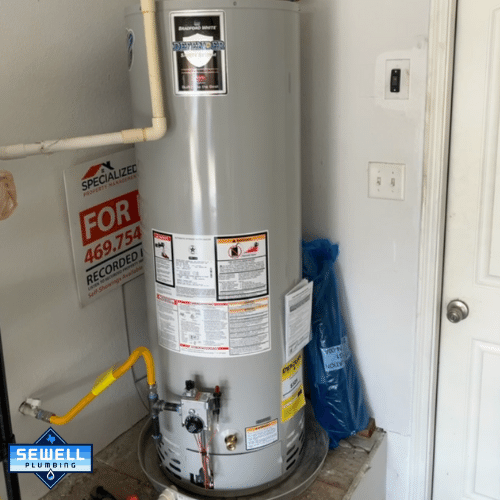
Plumber Advice: Preventing Hidden Leaks Under Slabs
In McKinney, TX, homeowners often notice plumbing problems only after they’ve turned into something bigger—water stains, persistent dampness, or a mysterious spike in the water bill. The tricky part is that some leaks don’t show up on the surface at all. They travel through soil and plumbing lines beneath concrete slabs, slowly damaging floors, weakening substructures, and creating conditions that can be expensive to repair.
According to plumbing industry guidance, slab leaks can cause significant water loss before they’re detected, and the longer a leak goes unnoticed, the more likely you’ll see escalating damage—ranging from swelling floors to corrosion and mold risk. For families and businesses in McKinney’s growing commercial corridors and older neighborhoods, that “hidden time bomb” can be especially costly.
In this guide, you’ll learn how slab leaks happen, the warning signs you can catch early, and the prevention steps that help reduce risk—along with what to do if you suspect a leak under your slab.
Key Insight: Hidden slab leaks usually announce themselves through subtle clues—water usage patterns, indoor humidity changes, and specific pressure or temperature behaviors—so early detection is your best defense.
How Slab Leaks Start (and Why They’re So Hard to Spot)
A slab leak typically involves a plumbing line—commonly water supply, drain, or sewer-related piping—beneath the concrete foundation. Over time, pipes can fail due to ground movement, temperature cycling, corrosion, poor installation practices, or damage during construction or repairs.
In McKinney, seasonal freeze-thaw cycles and shifting soil conditions can put stress on underground plumbing. If you’re in an area with clay-heavy soils or around neighborhoods that experienced recent construction expansion, the risk of ground movement can increase. Even small pipe shifts can create micro-cracks that expand under pressure.
One common scenario we see in North Texas: a homeowner notices a “random” drop in water pressure or intermittent warm water where it shouldn’t be. A few weeks later, they find dampness near a wall baseboard or a slightly soft spot in the flooring. When we inspect, the culprit is often a failing line that’s been leaking under the slab for some time.
“The biggest challenge with slab leaks is that water can move laterally underground before it ever reaches a visible surface.” — Senior Plumbing Technician, Sewell Plumbing Services
If you suspect a leak, it helps to understand what professional teams look for. You can also explore our guidance on slab leak location repair to see how technicians narrow down the exact pipe section.
The Warning Signs Homeowners Miss (Until Damage Shows Up)
Many slab leaks don’t announce themselves with a dramatic flood. Instead, you’ll see smaller indicators that get dismissed as “normal” household quirks.
Here are the most reliable early warning signs:
- Unexplained water bill increases that occur without changes in landscaping or household usage
- Damp spots, discoloration, or mildew odor near baseboards or interior walls
- Warm floors (sometimes only in certain rooms) that suggest hot water circulation through a leaking line
- Sudden drop in water pressure or frequent cycling of the water heater
- Cracks that appear or widen near plumbing runs (not always immediate, but sometimes progressive)
A practical example from the McKinney area: a customer called about recurring moisture under a kitchen wall after heavy rains. There was no visible plumbing failure above the slab. We checked water usage patterns and found that the home’s system pressure behaved differently during off-hours. Once we pinpointed the problem, the repair prevented further deterioration to the surrounding flooring materials.
This is where proper leak detection matters. A “guess and check” approach often wastes time and can worsen damage if the leak is disturbed during exploratory work.
“Moisture is the messenger. The important part is finding the source line before it expands into structural damage.” — Plumbing Diagnostics Specialist
Traditional vs. Modern Leak Finding Approaches
| Approach | What it Looks Like | Typical Time to Identify | Risk of Hidden Damage |
|---|---|---|---|
| Visual inspection only | Check accessible pipes and surfaces | High uncertainty | Higher (slab damage continues) |
| Guessing based on symptoms | Try common locations | Medium | Medium to high |
| Pressure/usage analysis + advanced diagnostics | Off-hours testing, targeted monitoring | Lower | Lower (repairs are more precise) |
Preventing Leaks: Best Practices That Actually Reduce Risk
Prevention isn’t about “never having a problem.” It’s about reducing stress on pipes and improving how quickly you detect changes. The most effective strategies combine plumbing maintenance, smart monitoring, and installation-quality decisions.
1) Keep water pressure in a safe range
High pressure accelerates wear and can stress joints. Ask your plumber whether your home’s pressure regulator (if you have one) is functioning correctly. In older McKinney homes, pressure spikes can occur when municipal systems change or when demand fluctuates.
2) Watch temperature behavior—especially with hot water lines
If you have an electric water heater or another hot-water source, temperature cycling can affect expansion and contraction in supply lines. That doesn’t mean you should avoid hot water—it means you should maintain your system and address failing components early. For tankless systems, similar principles apply, but the diagnostic focus may differ.
If you’re using a tankless unit, review our tankless water heater repair installation resources to understand how issues can affect overall performance and pressure behavior.
3) Don’t ignore small drainage slowdowns
A slow drain can indicate a developing blockage that increases pressure and stress in adjacent lines. While this isn’t always a slab issue, it’s part of overall plumbing system health. For active clogs or recurring backups, professional drain repair installation and inspection can prevent pressure events that strain pipes.
4) Know your property’s risk factors
Ask your plumber about:
- Pipe material and age
- Whether your home has known re-piping history
- Ground conditions around your foundation
- Past repairs that may have introduced weak points
A quick real-world reminder: we’ve seen homes where a prior patch repair “worked” for a short period—then failed again because the underlying stress pattern continued. Prevention includes planning for the long-term, not just stopping today’s leak.
Case Study: When a “Small” Leak Became a Full Repair Schedule
Sometimes the most expensive problems start as something easy to dismiss. Consider this McKinney scenario: a homeowner noticed a slight increase in water use but couldn’t pinpoint why. The family ran sprinklers on a schedule that seemed consistent, and they assumed the higher bill was seasonal.
Over a month, they also noticed hairline cracking near the hallway and a faint musty smell in a closet. The flooring didn’t look visibly wet at first. But once we ran diagnostic testing and confirmed slab-level water loss, the source turned out to be a supply line beneath the slab. The leak wasn’t catastrophic yet—it was persistent.
Because the leak was detected before advanced deterioration, the repair plan focused on accuracy and minimizing disruption. Had they delayed, the situation would likely have required more extensive floor removal and longer downtime.
This is also why it’s important to address slab-related concerns quickly—not only for comfort, but also for the cost of restoring materials and preventing secondary issues.
“The difference between a manageable repair and a major rebuild is often timing.” — Field Lead, Sewell Plumbing Services
If you suspect slab-level plumbing issues, you can review leak location repair and slab leak location repair to understand how technicians approach the problem step-by-step.
Coordinating Slab Leak Repairs with Your Whole Plumbing System
A slab leak repair isn’t only about fixing one break. It’s also about understanding how the rest of the plumbing system behaves—because repairs can reveal larger patterns.
For example:
- A failing supply line might be part of a broader aging distribution network.
- A drain or sewer line issue could be contributing to pressure changes.
- Water chemistry and corrosion can worsen failure rates across multiple sections.
If you have recurring drain problems, you may need sewer and water diagnostics alongside slab leak work. For deeper inspections, many homeowners benefit from water sewer gas diagnostics—especially when symptoms overlap (odors, slow drains, or unexplained moisture).
And if your slab is near key utility systems—like a water heater location—repair coordination matters. Improper sequencing can cause repeated access, repeated disruption, or longer repair timelines.
What to Ask During a Repair Appointment
When you call a plumber, you’ll get better results if you ask targeted questions:
- How will you confirm the exact pipe location?
- What diagnostic method will you use before opening anything?
- What repair approach do you recommend for long-term reliability?
- How will you reduce the chance of repeat failure in surrounding lines?
- Will you check related lines (supply, drain, sewer) for additional issues?
A professional team will treat slab leak repair like a system diagnosis, not a single-point fix.
Proactive Maintenance Plan: A Simple Schedule for McKinney Homes
You don’t need to become a plumbing expert. You need a practical routine that reduces risk and catches problems early.
Here’s a maintenance approach that fits how McKinney homeowners live—busy schedules, seasonal shifts, and varying water usage.
Monthly/Seasonal “Quick Checks”
- Verify your water bill doesn’t spike unexpectedly
- Note any new odors or humidity changes near walls and floors
- Check for small signs: slow drains, recurring toilet issues, or unusual water heater cycling
- Make sure outdoor irrigation isn’t masking indoor consumption trends
If you have toilet-related symptoms, a clogged or failing component can create pressure changes across the waste system. For guidance on resolving persistent issues, you can refer to toilet repair installation and avoid repeated stress on connected lines.
Annual Professional Review
Consider an annual inspection—especially if your home is older or you’ve had previous repairs. An experienced plumber can assess:
- water pressure trends
- signs of corrosion or deterioration
- the overall health of supply and drain runs
If your home includes upgrades like water filtration or softeners, maintenance matters too. Learn more about water filter softener repair installation, since water treatment can influence pipe longevity by affecting scaling and corrosion risk.
Expected Outcomes When You Act Early
The benefits of timely leak detection and coordinated repair include:
- fewer disruptions to flooring and finishes
- lower total repair cost (because the leak is smaller)
- reduced risk of secondary damage like mold or structural weakening
- faster restoration of normal system performance
What This Means for Businesses in McKinney, TX
For businesses in McKinney—offices, retail spaces, restaurants, and light industrial properties—hidden slab leaks can disrupt operations in ways that go beyond plumbing. A leak under a foundation can force closures, damage equipment, affect restroom reliability, and create costly remediation if moisture spreads.
Commercial sites often have higher baseline water usage and more complex plumbing layouts, which makes detection harder. When water loss happens beneath a slab, it might not show up as a visible problem until tenants notice odor, damp floors, or recurring malfunctions. Meanwhile, the building’s utilities keep running, and water costs accumulate quietly.
Local conditions also matter. McKinney’s climate swings—plus shifting ground conditions near foundations—can stress underground pipes. If your property has undergone renovations or tenant turnover, there may be additional penetrations, repiping segments, or construction modifications that change how plumbing lines behave over time.
Businesses can protect themselves by treating plumbing like part of facility risk management:
- Track utility anomalies (water spikes, unexplained pressure changes)
- Schedule regular plumbing diagnostics rather than waiting for failure
- Respond quickly to moisture or odor complaints
- Use professional plumbing fixture repair installation and system checks when symptoms appear
The best time to plan slab leak detection is before the damage becomes visible. When you act early, you reduce downtime and avoid the ripple effect of repairs across floors, ceilings, and tenant build-outs.
Frequently Asked Questions
Q: What are the first signs of a slab leak in a McKinney home?
A: The earliest signs are often subtle. Many homeowners notice an unexpected increase in their water bill, even when household habits haven’t changed. You might also experience warm spots on floors, occasional drops in water pressure, or a musty odor in specific rooms. In some cases, hairline cracks appear near walls or where plumbing runs under the slab. Because slab leaks can spread water underground before it becomes visible, the most reliable confirmation usually comes from targeted leak detection rather than waiting for obvious flooding. If you’re seeing any combination of these clues, it’s wise to request diagnostics quickly rather than assuming it’s normal seasonal variation.
Q: How do plumbers locate a hidden leak under concrete without guessing?
A: Professional leak detection typically combines multiple methods. Technicians may start with usage and pressure analysis—especially during off-hours—to confirm there’s an active leak. From there, advanced tools can help narrow down the affected area so the repair team can focus on the correct section of piping. This is why service quality matters: “guessing” often leads to repeated access and unnecessary disruption. If you want to understand the process, review leak location repair and slab leak location repair for a clearer picture of how technicians reduce uncertainty before opening anything.
Q: Can a slab leak affect my water heater or cause other plumbing issues?
A: Yes. A slab leak can change how water pressure behaves throughout the system, which may cause the water heater to cycle more often or operate differently than usual. If you have an electric water heater, you might notice performance changes, unusual temperature behavior, or increased energy usage. Hot water supply line leaks can also create uneven heating patterns. Tankless systems can show symptoms too, including irregular flow behavior. The key is to treat the leak as part of the overall plumbing system, not an isolated event—so repairs and water heater checks happen in a coordinated way.
Q: What’s the difference between a slab leak and a sewer line problem?
A: They can look similar from the outside, especially when moisture or odors appear in the same general area. A slab leak usually involves water supply piping beneath the concrete and often leads to increased water usage and dampness without waste-related smells. Sewer line problems typically relate to drainage or waste piping and may cause slow drains, gurgling, backups, or stronger odor. Because symptoms overlap, it’s important to run the right diagnostics. In McKinney, a professional team may use water sewer gas diagnostics to help distinguish between water loss, waste issues, and gas-related concerns before recommending a repair plan.
Q: How urgent is it to repair a leak under a slab?
A: It’s urgent. Even a small slab leak can cause ongoing water loss and gradual damage to floors, substructures, and nearby materials. The longer it runs, the more likely the leak expands and the more extensive the repair becomes. Delayed repairs often cost more because they require broader access and more restoration work. In addition, moisture can increase the risk of mold or odor issues. If you notice water bill spikes, warm floors, or repeating dampness, don’t wait for it to “go away”—schedule diagnostics as soon as you can.
Q: Will repairing a slab leak prevent the problem from coming back?
A: A proper repair plan focuses on both stopping the leak and reducing the chance of repeat failure nearby. Depending on the age and condition of the plumbing, the best solution might involve targeted pipe repair, partial replacement, or repiping strategies for at-risk sections. A good technician will also evaluate surrounding lines and system behavior so the repair isn’t just a patch. If you’ve had multiple plumbing issues before, it’s especially important to consider long-term reliability rather than only fixing the most obvious failure point.
Q: What can I do before the plumber arrives to help confirm the issue?
A: You can collect useful clues without interfering with the plumbing. Take note of when symptoms started and whether they correlate with weather changes or specific household activities. Check for visible signs like dampness, cracks, or odors near walls or baseboards. If you can, review recent water bills and compare them to prior months. Avoid turning off multiple systems if you’re unsure—just record what you observe. Most importantly, schedule professional diagnostics so the team can confirm the leak source and choose the most efficient repair approach.
Ready to Get Started?
If you suspect a hidden leak under your slab, the smartest move is to act sooner rather than later. In McKinney, the combination of seasonal ground movement and expanding cracks can turn a manageable plumbing problem into a much larger repair—and it often happens gradually, which is why delays feel harmless at first.
Your next steps are simple:
- Schedule leak detection so you’re not guessing about the cause
- Ask for a location-focused repair plan to reduce unnecessary access
- Confirm system stability afterward with pressure and usage checks
To get help, contact Sewell Plumbing Services and request an evaluation. If you’d like to see how we approach diagnosis and repairs, start here:
.
Trust matters, especially with slab-level issues. Sewell Plumbing Services is locally present in McKinney and committed to professional, best-practice plumbing solutions you can feel confident about.
About Sewell Plumbing Services
Sewell Plumbing Services provides residential and commercial plumbing support in McKinney, TX, with a focus on accurate diagnostics, careful repairs, and long-term reliability. Our team brings hands-on experience with leak detection, slab leak repair, and water heater solutions, helping homeowners and businesses handle problems early—before they become bigger and more expensive. Learn more about our approach at Sewell Plumbing Services.